Ruins of ancient Vaishali, Kolhua
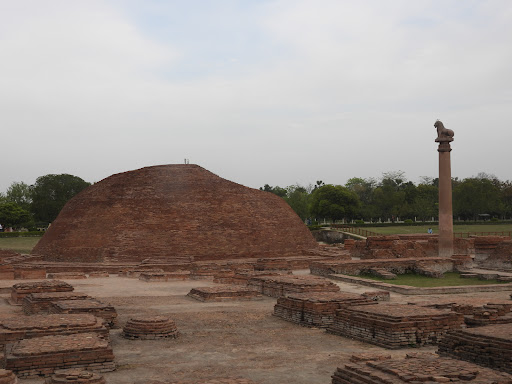
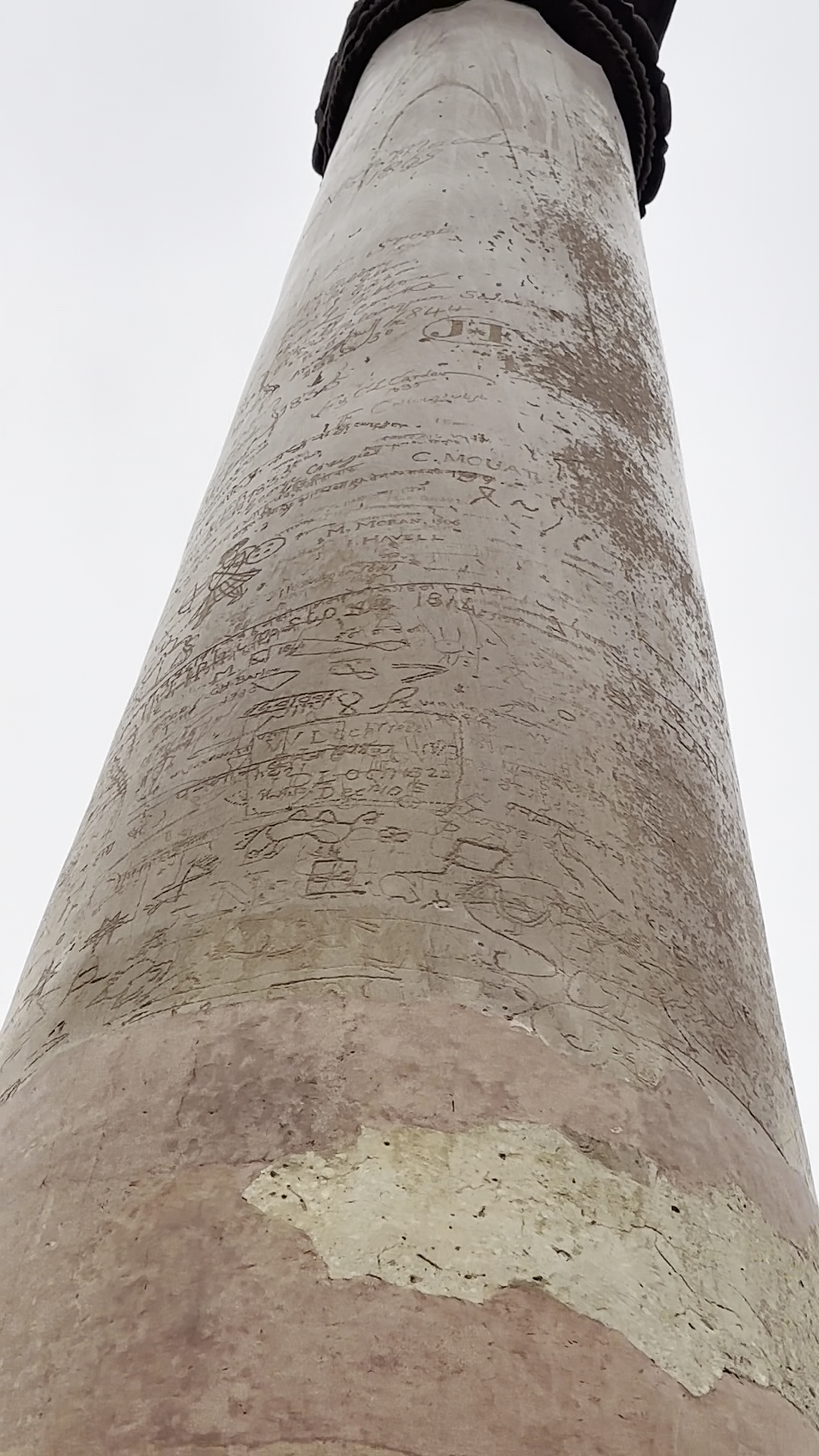
Kolhua, an integral part of the ancient city of Vaishali, marks the site where a local monkey chief offered honey to Lord Buddha. This event is considered one of the eight major events in the life of Buddha in Buddhist literature. Here Buddha spent several rainy seasons, for the first time allowed the entry of nuns, announced his imminent nirvana and transformed the arrogant royal dancer of Vaishali, Amrapali, into a humble nun. As a result of excavations carried out by the Archaeological Survey of India, Kutagarshala, Swastika-shaped Vihar, permanent reservoir, numerous votive stupas and small temples have come to light. Apart from these, the Ashoka pillar partially buried in the soil and the lower part of the main stupa have also been exposed. The pillar, popularly known as Laat among the local people, is actually a shiny monolithic pillar of sandstone about 11.00 meters high, with a lion capital adorning its top. This is one of the first pillars erected by Emperor Ashoka on which there is no inscription of his. Some letters engraved on it in Shankhlipi appear to be from the Gupta period. The main stupa is a symbol of the incident of the monkey-chief offering honey to Lord Buddha. The stupa made of bricks was originally built in the Mauryan period, whose size was enlarged in the Kushan period and a circumambulatory path was added all around. Thereafter, in the Gupta period and the later Gupta period, the stupa was again enhanced by covering it with bricks and aayaks were also added all around at regular intervals. The pond located near the pillar has been identified as Markat-Hrid, which was built by the monkeys for Lord Buddha. This reservoir, about 65x35 meters in area with seven steps, has ghats for bathing on its southern and western sides. A lot of archaeological material has been found during the excavation of the site, among which precious stone beads, clay figures, coins, jeweled bricks, a piece of pottery bearing an inscription and a unique clay figure of a crowned monkey are...
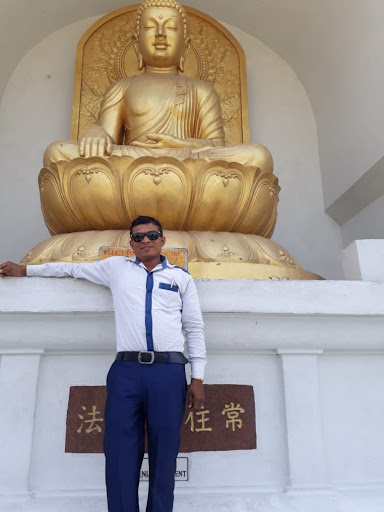
Read moreVaishali is the place where Buddha preached his last sermon before his Nirvana. The Vishwa Shanti Stupa is erected according to the teaching of the Saodharma Pundarika Sutra (The lotus Sutra) to disseminate love and peace and to create "The pure Land" on the earth. The construction of the stupa all over the world was initiated by the most Ven. Nichidatsu Fuji Guruji, after seeing the tragedy of atomic bombs in Hiroshima and Nagasaki of Japan, at the end of the World war 2. The Vishwa Shanti Stupa, Vaishali has been built by Nipponzan Myhoji and Rajgir Buddha Vihar Society. Through contribution of devotees in India and Japan, The Lord Buddha's relics have been enshrined on the foundation and on the top of the stupa.Bihar Tourism is the initiative of the Ministry of Tourism, Bihar Government to promote and incentivise the tourism opportunities in the state. The fundamental activities of the department include developing the conditions and infrastructure to make the state conducive to travel and tourism. In addition, Bihar Tourism is also focussed on helping tourists find destinations, routes and experiences that are to their liking. Whether it is in the form of circuits that cover a specific set of spiritual, natural, or historical places, or different types of food and festivals, Bihar Tourism offers something...
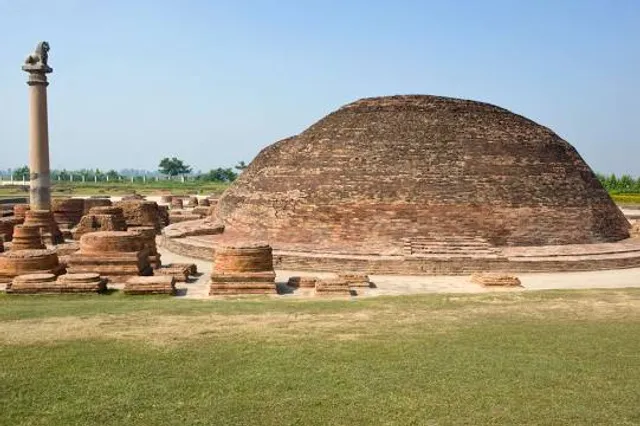
Read moreA Peaceful Spiritual Retreat with Room for Better Development 🌸🕊️ Visiting the Vaishali Vishwa Shanti Stupa was a truly serene and enriching experience. Nestled in a quiet area surrounded by greenery, the stupa stands as a symbol of peace and Buddhist heritage. The white dome, the beautifully carved statues of Buddha, and the calm ambiance make it a perfect place for reflection and spiritual connection.
The history of Vaishali as one of the oldest republics and a significant site in Buddhist tradition adds deep meaning to the visit. It’s humbling to walk through a place where Lord Buddha once walked and preached.
However, it's also clear that the potential of this sacred site is not fully realized. The Government of Bihar could do much more to improve infrastructure—better roads, signage, cleanliness, and visitor facilities would go a long way. The area deserves more attention in terms of tourism promotion, local guides, and maintenance.
Despite the shortcomings, the spiritual energy of the place remains powerful. With a little more care and development, Vaishali could become a world-class destination for pilgrims and...
Read more