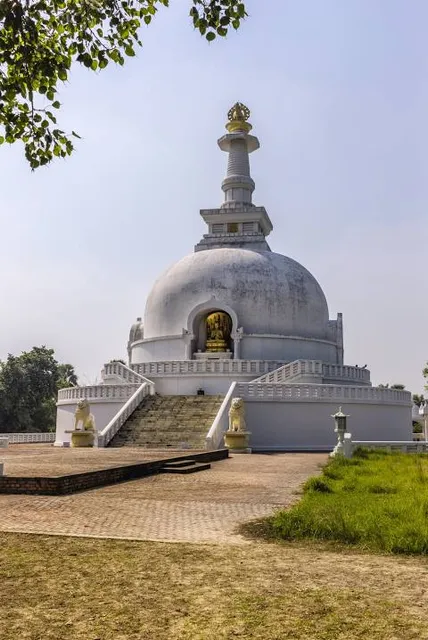
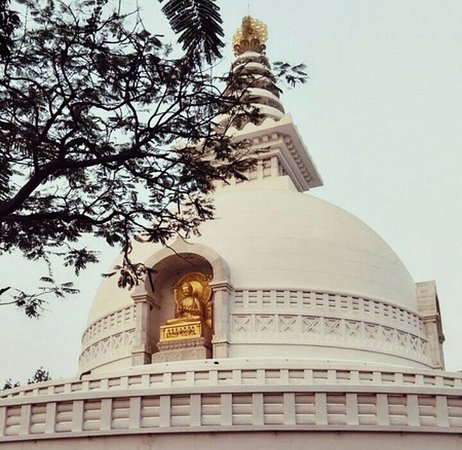
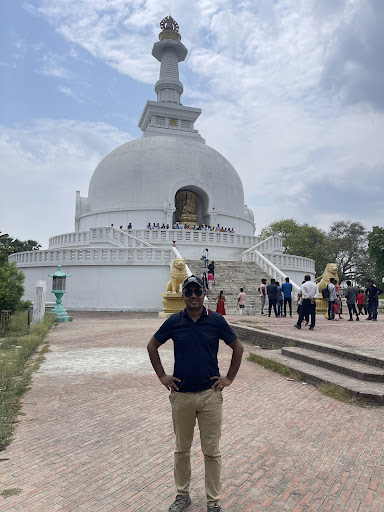
The World Peace Pagoda in Vaishali is a remarkable symbol of tranquility and harmony. Situated in the historically significant town of Vaishali in Bihar, India, this majestic structure stands as a testament to the ideals of world peace and unity.
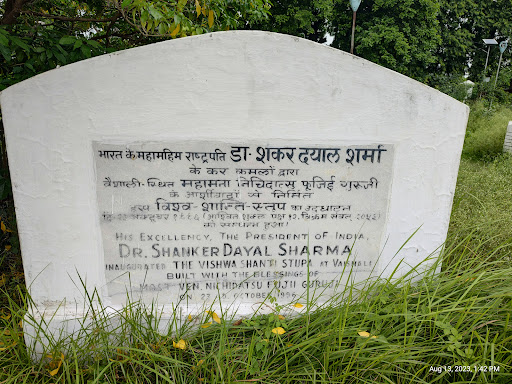
The World Peace Pagoda, also known as the "Vishwa Shanti Stupa," is one of the many Peace Pagodas found across the world. These pagodas are designed to promote peace, nonviolence, and the teachings of Buddha. The idea of constructing these pagodas was initiated by the Japanese Buddhist monk Nichidatsu Fujii, the founder of the Nipponzan Myohoji Buddhist Order. His vision was to create monuments that would serve as reminders of the importance of peace in a world marked by conflicts and turmoil.
The World Peace Pagoda in Vaishali is strategically located in a town with rich historical significance. Vaishali was the capital of the ancient Lichchavi republic and is believed to be the place where Lord Buddha delivered his last sermon before attaining Nirvana. This historical context adds to the pagoda's spiritual significance and makes it a place of pilgrimage for Buddhists and seekers of peace from around the world.
The architecture of the World Peace Pagoda is deeply rooted in Buddhist principles and symbolism. The pagoda's pristine white color represents purity, while its graceful design reflects the elegance of Buddhist art and architecture. The structure typically consists of a dome, a spire, and four entrances that symbolize the Four Noble Truths taught by Buddha. These truths form the foundation of Buddhist philosophy and guide individuals towards the path of enlightenment and liberation from suffering.
The interior of the pagoda often houses relics of Buddha and other revered spiritual figures. This adds to the spiritual significance of the pagoda, making it a place of meditation, reflection, and worship. Pilgrims and visitors often participate in prayer ceremonies, meditation sessions, and teachings on the principles of peace and nonviolence.
The World Peace Pagoda is not only a spiritual landmark but also a platform for promoting peace on a global scale. It serves as a rallying point for various initiatives and events aimed at fostering dialogue, understanding, and cooperation among people from diverse backgrounds. Conferences, seminars, and workshops on topics such as conflict resolution, interfaith dialogue, and environmental sustainability are often organized within the premises of the pagoda.
The impact of the World Peace Pagoda extends beyond its immediate surroundings. It stands as a powerful symbol of hope, inspiring individuals to work towards a world free from violence and conflict. The pagoda's serene presence encourages visitors to contemplate the role of inner peace in shaping outer harmony. It reminds us that the journey towards world peace begins with cultivating peace within ourselves and extending it to our communities and the world at large.
In a world where conflicts, tensions, and divisions persist, the World Peace Pagoda stands as a beacon of light, reminding us of the universal values of compassion, tolerance, and understanding. It challenges us to transcend our differences and embrace the common humanity that binds us all. As people visit this sacred monument, they are reminded of the potential for positive change that lies within each individual's actions and intentions.
The World Peace Pagoda in Vaishali is not just an architectural marvel; it is a symbol of profound significance. It encapsulates the teachings of Buddha, the rich history of Vaishali, and the universal yearning for peace. Through its architecture, symbolism, and purpose, the pagoda invites us to reflect on our roles as stewards of peace and advocates for harmony. As we gaze upon its tranquil beauty, we are reminded of the timeless truth that peace begins with the individual and has the power to...
Read more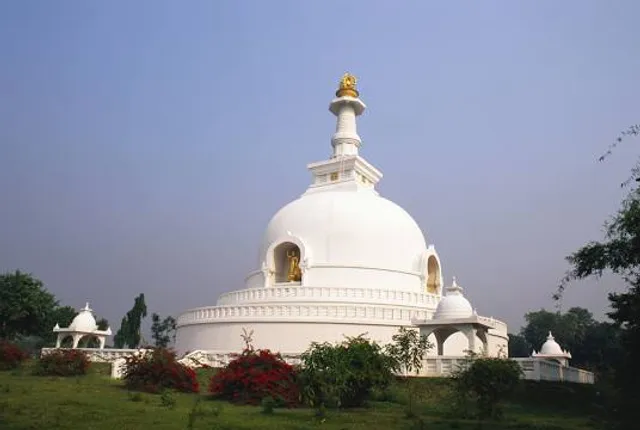
 Learn more insights from Wanderboat AI.