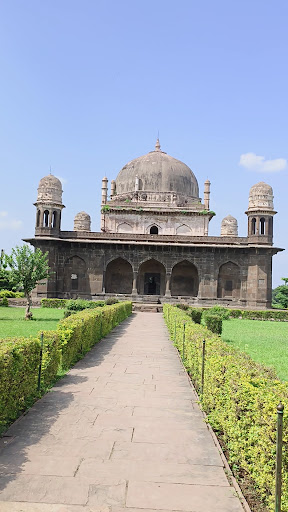
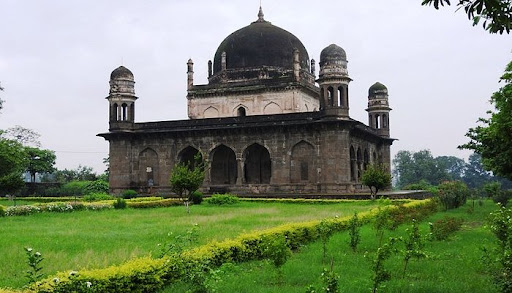
The "Black Taj Mahal" in Burhanpur is a lesser-known historical gem that evokes intrigue and fascination. This monument, often shrouded in mystery, is a testament to the architectural excellence and artistic grandeur of the Mughal era. In 250 words, let's explore the mystique and charm of the Black Taj Mahal in Burhanpur.
Contrary to its name, the Black Taj Mahal is not a replica of the iconic white Taj Mahal in Agra. Instead, it is an independent structure that pays homage to the creativity of Emperor Shah Jahan. The monument is crafted from black basalt, lending it a unique and somber beauty that distinguishes it from its famous counterpart.
The historical significance of the Black Taj Mahal lies in its origin. Shah Jahan intended to build a second mausoleum for himself in Burhanpur, and this structure is believed to be the beginning of that grand project. Unfortunately, his plans were never fully realized, and the Black Taj Mahal remains an unfinished masterpiece.
The architecture of the Black Taj Mahal is awe-inspiring. The intricately carved black stone, adorned with ornate designs, speaks volumes of the craftsmanship of that era. The monument's symmetrical layout and serene surroundings create a peaceful ambiance that is perfect for introspection and admiration of the artistic excellence on display.
Visitors to the Black Taj Mahal are often taken aback by the stark contrast between its relative obscurity and its architectural brilliance. The site is rich in historical and cultural significance and provides a glimpse into the creative vision of the Mughal emperor.
In conclusion, the Black Taj Mahal in Burhanpur is a hidden jewel in the tapestry of India's historical landmarks. Its enigmatic aura and architectural beauty make it a must-visit for history enthusiasts and travelers seeking a unique perspective on the Mughal legacy. While it remains incomplete, the Black Taj Mahal stands as a powerful testament to the enduring artistic and architectural legacy of...
Read moreThe Tomb of Shahnawaz Khan is called 'Kala Taj Mahal At a distance of 7 km from Burhanpur Railway Station, the Tomb of Shah Nawaz Khan or Black Taj is a mausoleum located in the Teressa locality of Burhanpur, Madhya Pradesh. Situated on the banks of the Utavali River, it is one of the best Burhanpur attractions.
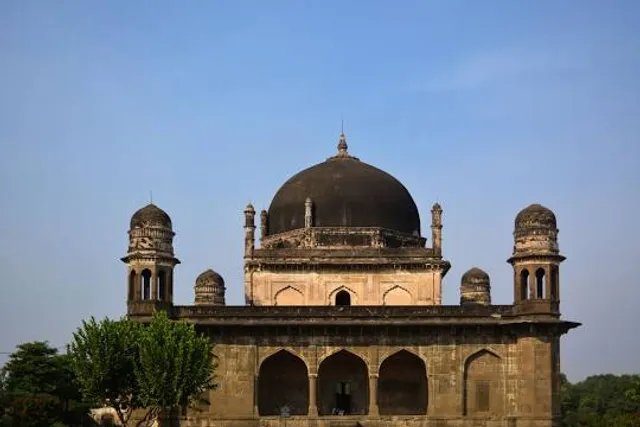
The Tomb of Shahnawaz Khan is called 'Kala Taj Mahal' or 'Black Taj Mahal' by the locals and was built between 1622 and 1623 AD. Shah Nawaz Khan was the eldest son of Abdul Rahim Khankhana. He was brought up in Burhanpur itself. Seeing his bravery, he was made the commander of the Mughal army. He died at the age of 44, buried here on the banks of the Utawali river in Burhanpur. It also houses the tomb of Shahnawaz Khan's wife.
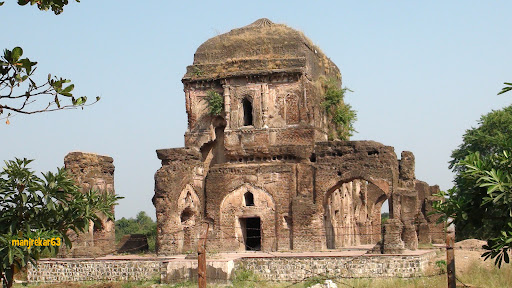
It is a beautiful monument, shaped like the Taj though built on a much smaller scale. It is made of locally found black-colored stone hence the name Black Taj. Surrounded by a garden, the mausoleum is a big domed structure typical of Mughal architecture. The monument is square in shape with a central dome and has hexagonal minarets on the four corners with arched verandas running all around it. Inside the walls of the dome have beautiful paintings. But, the actual grave of Shah Nawaz Khan is below the Mausoleum and has a small stairway that leads to the actual grave. Next to it is a ruined monument called Paandan Mahal because it is shaped like...
Read moreNestled on the tranquil banks of the Atavali River (which later merges into the mighty Tapti River), stands a majestic structure built of black basalt stones — a timeless symbol of valor and loyalty. 🏰🗡️
This is not just any monument — it is the tomb of the legendary Mughal general, Shahnawaz Khan, a fearless warrior who served the empire with unmatched dedication. 💂♂️🔥
🕌 Shahnawaz Khan, also known as Khan Zaman, was a powerful noble and military commander during the reign of Emperor Jahangir. His exceptional skills in warfare played a crucial role in many victories for the Mughal Empire, earning him deep respect and high honors in the royal court. ⚔️👑
After his death, in recognition of his service and loyalty, Emperor Jahangir ordered the construction of this grand mausoleum as a tribute to his trusted general — a place where generations to come could reflect on the legacy of courage, honor, and commitment. 🕊️📜
Even today, this architectural marvel continues to stand tall — whispering tales of the past, of Mughal grandeur, and of a brave soul whose name deserves to be remembered. 🏛️🕯️
A must-visit for history lovers and anyone seeking inspiration from the lives of true...
Read more