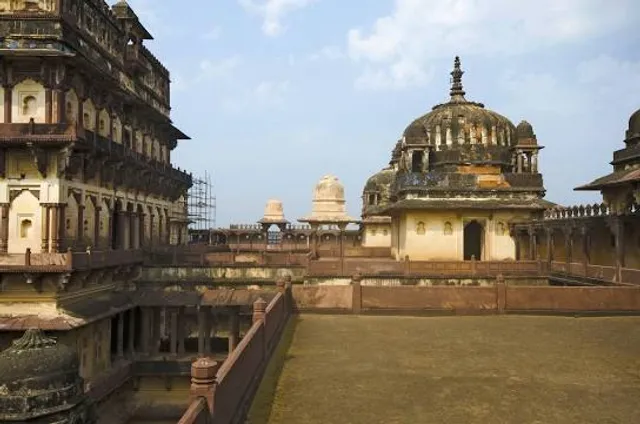
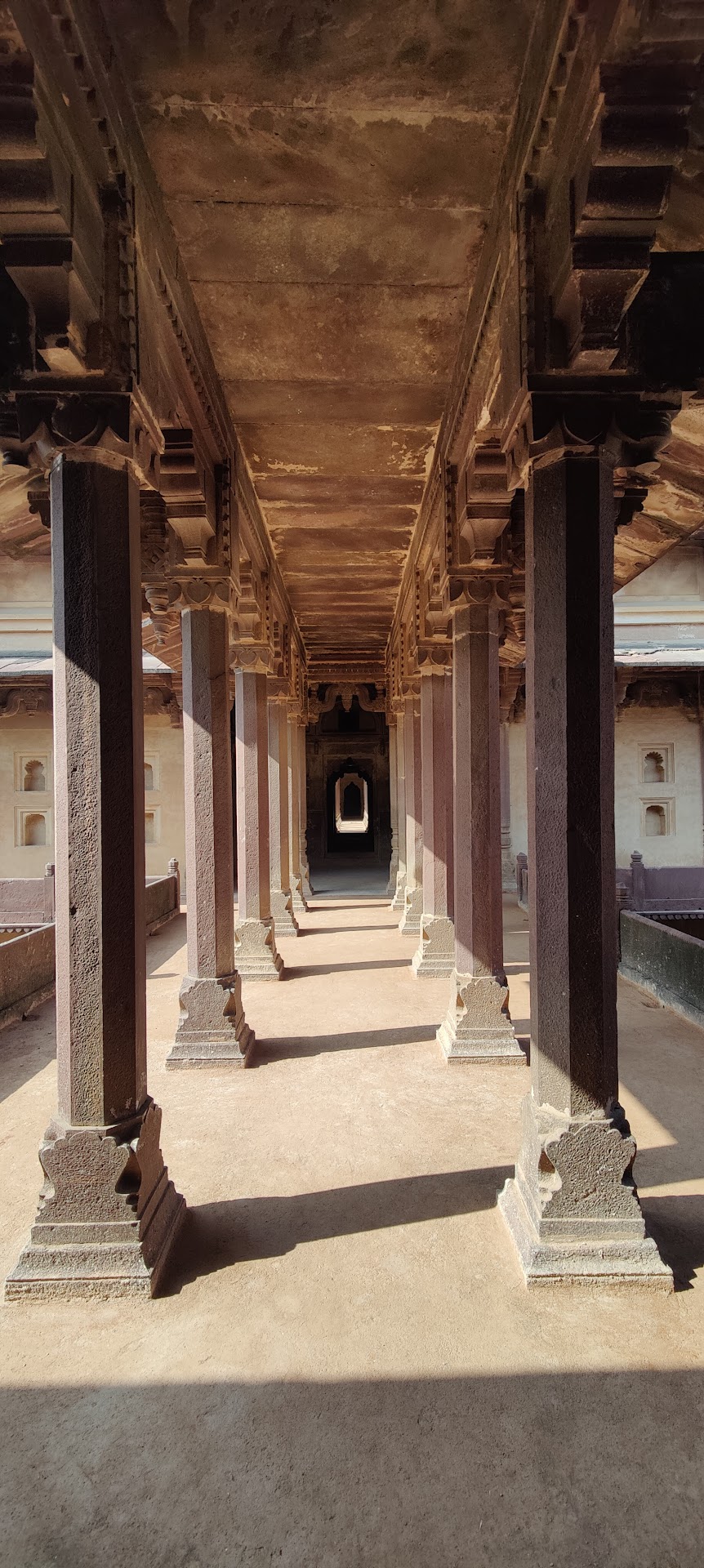
The Datia Palace, also known as the Satkhanda Palace or Bir Singh Ji Deo Palace, is a magnificent and mysterious structure located on the Gwalior-Jhansi highway, about 75 km from Gwalior in Madhya Pradesh. Built by Maharaja Bir Singh Deo, the palace was constructed for Emperor Jahangir and not for the king himself. Despite its grandeur and splendor, neither Maharaja Bir Singh Deo nor Emperor Jahangir ever lived in the palace. Historians suggest that after the construction was completed, Maharaja Deo invited Emperor Jahangir, but the emperor politely declined the invitation, leaving the palace uninhabited for all time.
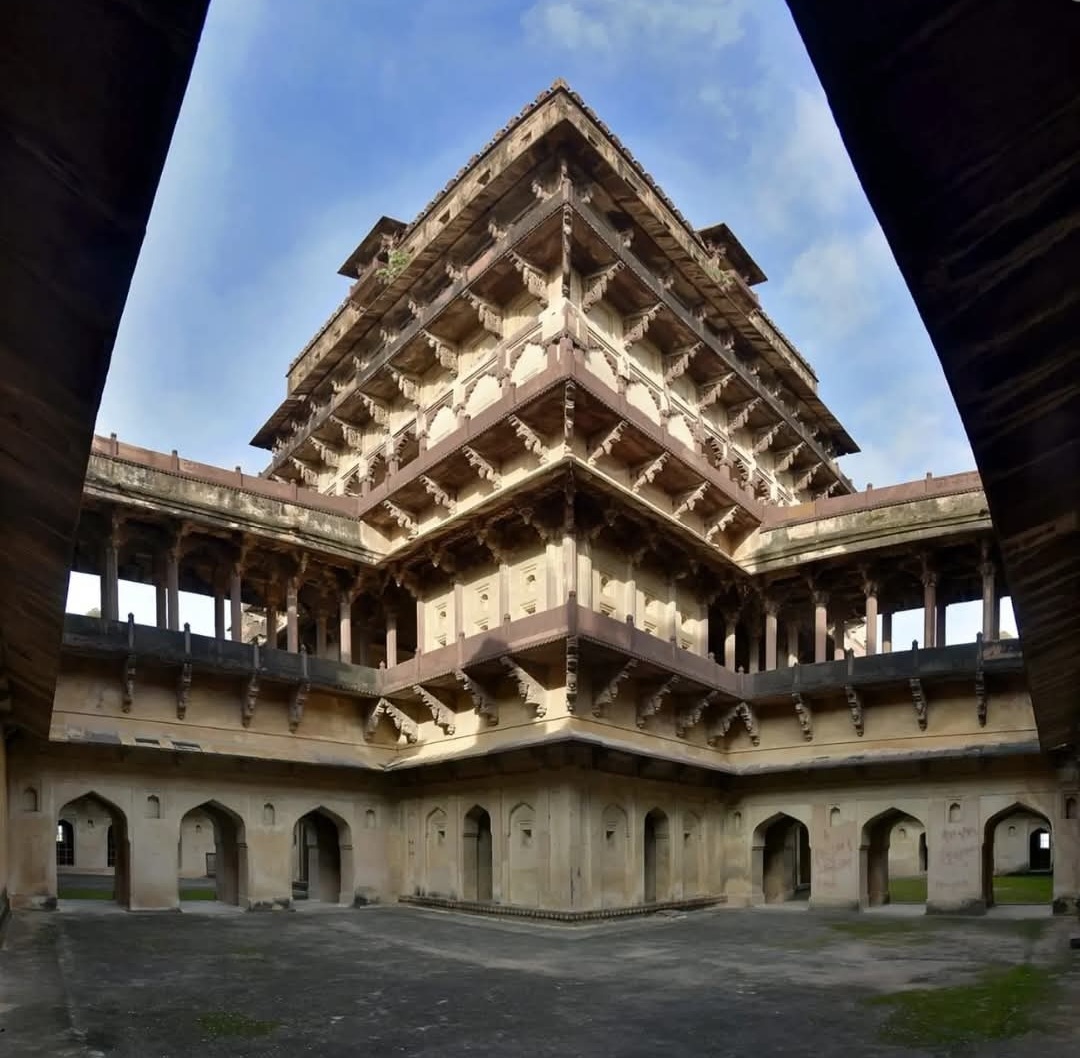
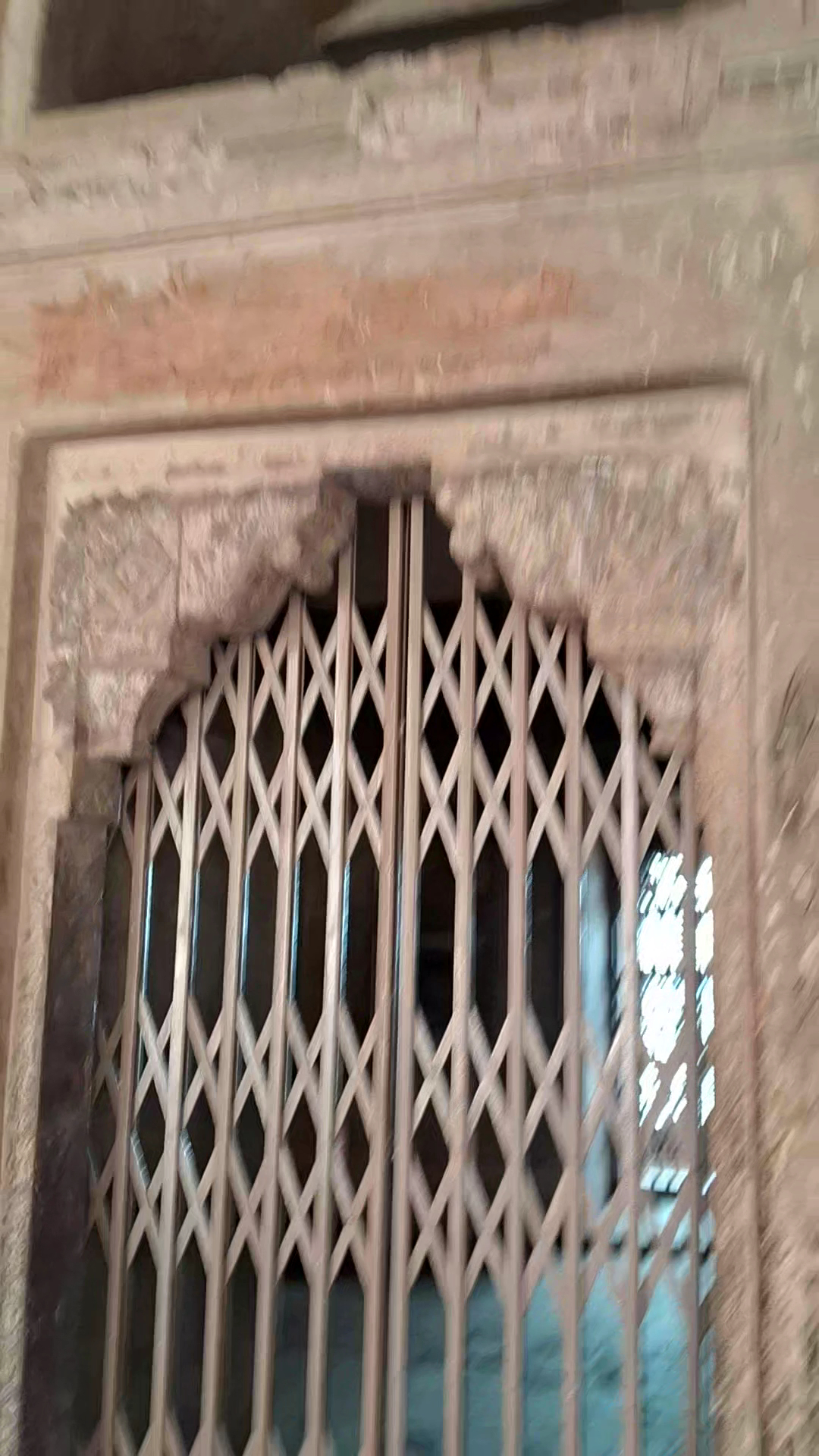
Construction of the palace began in the early 17th century and took nine years to complete, at a cost of ₹35 lakhs. The palace, with its seven stories and over 400 rooms, showcases a unique blend of Bundela, Rajput, and Mughal architectural styles. Its arched doorways, domes, and latticework highlight Mughal influences, while sculptures and paintings in certain areas reflect Rajput artistry, depicting birds, animals, and floral motifs.
The palace is also noted for its maze-like layout, now closed for security reasons, and features a temple and a mosque within its premises, emphasizing its Indo-Islamic architectural style. One of its most remarkable features is the numerous "chhatris" crowned with ribbed domes that add to its grandeur.
Emperor Shah Jahan is said to have visited the palace in 1635 along with historian Abdul Hamid Lahori, who described it as a large and beautiful structure. Despite its impressive design and historical significance, the palace remains relatively unknown, making it a hidden gem.
Today, the Datia Palace is open to the public, with an entry fee of ₹25. A complete tour of the palace takes about 1.5 hours. Visitors can also engage local guides at the entrance for a more detailed understanding of its history and architectural significance. While a small part of the palace is under renovation, the majority of it is accessible, allowing visitors to explore its vast size, intricate design, and...
Read moreA little over 76 km from Gwalior en route to Orchha is Datia, a little-known town that doesn’t figure on any major tourist map. In the heart of this town atop a hill stands a majestic palace that deserves a visit. The Datia Palace is also called Bir Singh Palace or Bir Singh Deo Palace named after the king who commissioned its construction. Despite being built by Bir Singh Deo, neither he nor his family have stayed here. In fact the Datia Palace was used for just one night before it was abandoned and has remained so for the last 400 years.
The story goes that Bir Singh Deo of Orchha managed win favour from Salim, son of Emperor Akbar, by aligning himself with the rebellious prince. After Akbar’s passing Salim ascended the throne, took the name Jahangir and made Bir Singh Deo (who until then was merely a feudal lord) a king.
Some years later, when Jahangir announced his intention to pay his old friend a visit, Bir Singh Deo commissioned the construction of 52 buildings in his kingdom to honour the emperor. The Datia Palace was one of those 52 buildings. The other was the Jahangir Mahal inside the Orchha Fort.
The Datia Palace is seven stories high. At the top floor is the emperor’s personal quarters that included a library. A floor below had space for four of his queens. In all there were over 480 rooms in this majestic medieval palace.
When he was on his way to Orchha, Jahangir spent a night at this palace built in his honour. As is wont, he never returned to stay here again, the affairs of the court having kept him busy. Since it was built as a gift to the emperor, Bir Singh Deo didn’t deem it fit to utilise it for his personal use and the Datia Palace has remained abandoned since.
The Datia Palace is open for travellers. Guides (Rs 250) here aren't very great but it is worthwhile to hire one since the...
Read moreSir Edwin Landseer Lutyens, a reputed architect was chosen for the job. The 43-year-old immediately set out on an inspirational train journey through the heartland of the country carrying along with the baggage of scepticism and little appreciation for Indian symmetry and aesthetics. He was heavily influenced by classical European composition which the focal point of his layout plans for New Delhi. He maintained that the design was meant to demonstrate the superiority of western art, science and culture in India. Little did he realize that one palace was going to change all this. While travelling from Jhansi to Gwalior, Luytens saw two great palaces of Datia and was so impressed that he got off the train to visit them and returned for another visit. He was so impressed with Datia Palace’s blend of Hindu and Islamic styles that the fusion made its way in the design of New Delhi’s North and South blocks along with the palatial Rashtrapati Bhavan. Travel Tips:----👇👇👇👇👇 Datia is a small town located on Jhansi – Gwalior Highway at a distance of 69 km from Gwalior and 325 km from New Delhi. The town is also an important Hindu and Jain pilgrimage centre. There are many temples, including the Sidhapeeth of Peetambhara Devi, Buglamukhi Devi Temple, and Gopeshwar Temple. Peetambra Peeth is a famous Shakti Peeth located at the entrance of Datia. The nearby Songiri has scores of Jain temples dated from the 19th century onwards.
While one can stay at Datia but we recommend nearby Orcha or Gwalior as better options for staying and food. MP Tourism runs a restaurant on the...
Read more