I can provide you with a brief overview of a Hanuman temple, summarizing key aspects. If you have specific details or aspects you'd like me to focus on, please let me know.
A Hanuman temple is a place of worship dedicated to Lord Hanuman, a revered deity in Hinduism known for his devotion, strength, and unwavering loyalty to Lord Rama. These temples can be found across India and other countries with Hindu communities. The architecture, rituals, and significance of each temple may vary, but they all share a common devotion to Hanuman.
Historical Context: The origins of Hanuman worship trace back to ancient Hindu texts like the Ramayana. Hanuman, a central character in this epic, played a crucial role in the rescue of Sita, Lord Rama's wife, from the demon king Ravana. His selfless devotion and heroic deeds earned him a special place in Hindu mythology, leading to the establishment of Hanuman temples.
Architectural Features: Hanuman temples exhibit diverse architectural styles, reflecting regional influences and historical periods. Some temples are ancient, showcasing traditional temple architecture with intricate carvings and sculptures. Others may be more contemporary, blending modern design elements with traditional motifs. The central shrine usually houses an idol or image of Hanuman, often depicted in various poses, such as flying, carrying a mountain, or kneeling in devotion.
Idol Worship and Rituals: Devotees visit Hanuman temples to offer prayers, seek blessings, and express their devotion. The main idol or image of Hanuman is the focal point of worship. Rituals include the chanting of Hanuman Chalisa, a sacred hymn dedicated to Lord Hanuman, along with other prayers and hymns. Devotees may also light lamps, offer flowers, and distribute prasad (sacred food) as part of their worship.
Festivals and Celebrations: Hanuman Jayanti, the birthday of Lord Hanuman, is a significant festival celebrated in Hanuman temples across India. Devotees participate in special prayers, processions, and cultural events. The temple premises come alive with vibrant decorations and the recitation of sacred texts. Additionally, Tuesdays, considered auspicious for Hanuman worship, witness increased footfall in these temples.
Symbolism and Significance: Hanuman is revered not only for his physical strength but also for his unwavering devotion to Lord Rama. His character symbolizes loyalty, selfless service, and the power of devotion in overcoming obstacles. Devotees often turn to Hanuman for protection, courage, and spiritual strength. The symbolism associated with Hanuman transcends religious boundaries, attracting people seeking inspiration and guidance.
Social and Cultural Impact: Hanuman temples serve as not just places of worship but also as centers for cultural and social activities. They play a role in preserving traditional art forms, music, and rituals. Community events, charitable activities, and educational programs are often organized by these temples, contributing to the broader social fabric.
Regional Variances: Hanuman temples may vary in their practices and rituals based on regional customs and traditions. Some temples are associated with specific legends or miraculous events attributed to Hanuman. Each temple's uniqueness adds to the diversity of Hanuman worship across different parts of the country.
In conclusion, Hanuman temples stand as symbols of devotion, strength, and inspiration for millions of devotees. Whether ancient or modern, these temples continue to play a vital role in preserving cultural heritage, fostering community bonds, and providing spiritual solace to those who seek the blessings of...
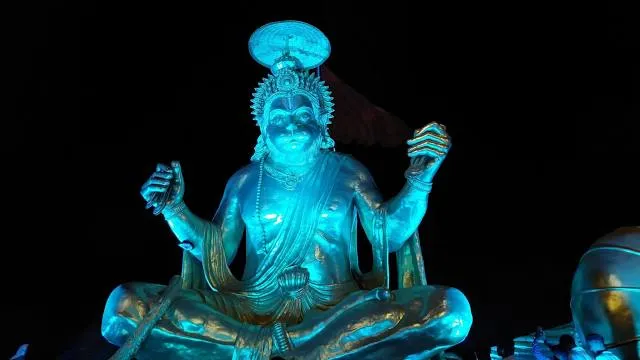
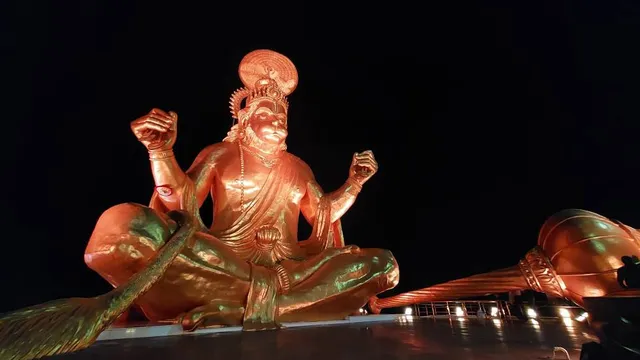
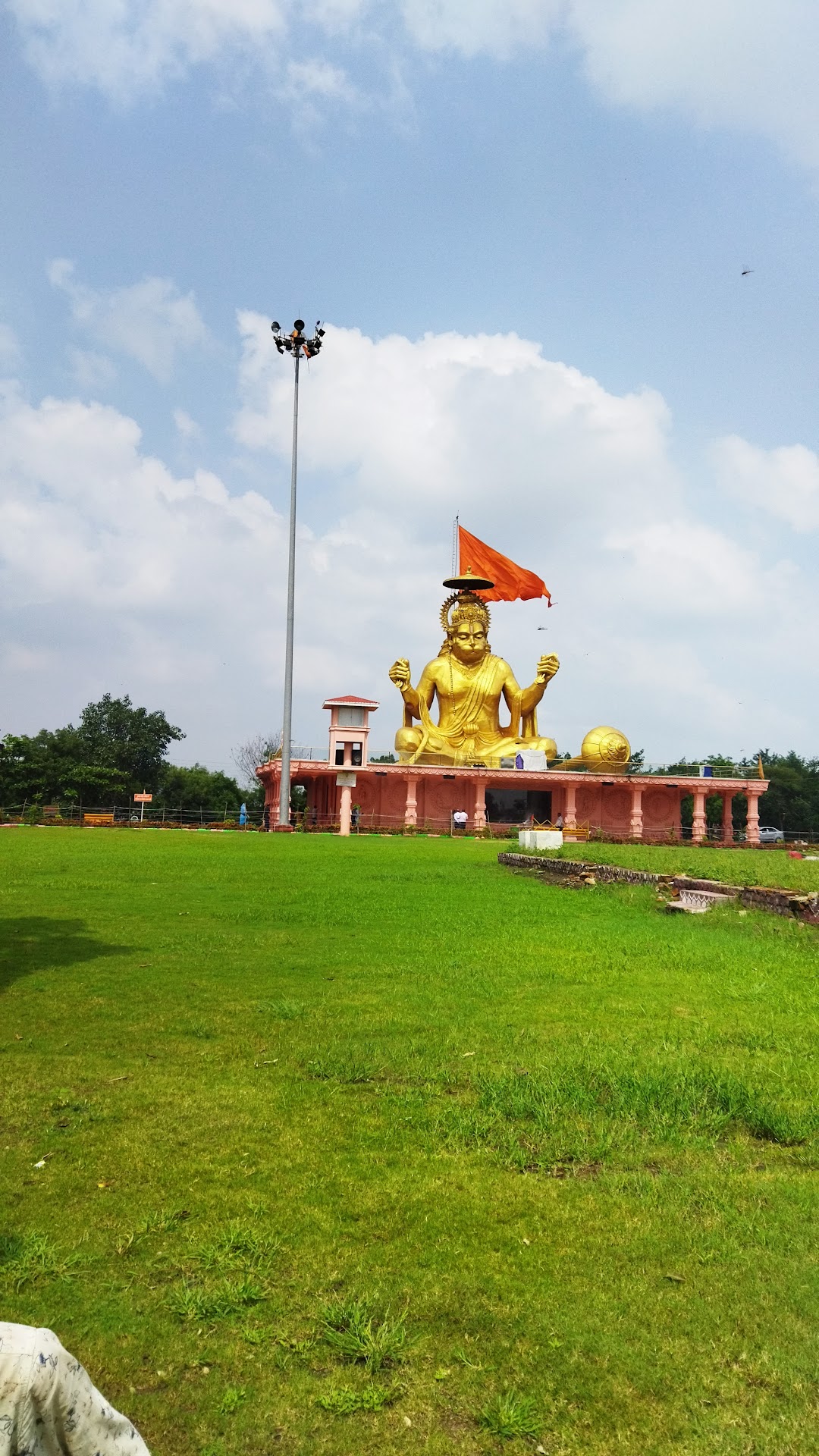
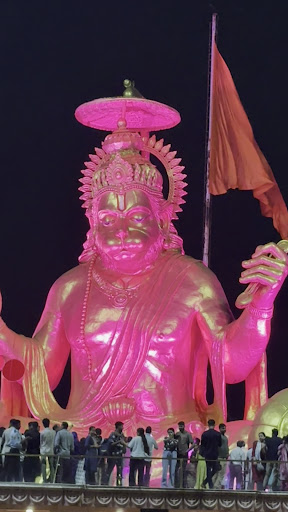
Read morePitra Parvat Hanuman Temple is one of the biggest metal statue of Lord Hanumanji in Asia. It is the tallest statue of Hanuman sitting in the country. One can park their vehicle and trek up the hill to reach the temple. The trek is small. Amazing place for meditation & worship. Hanumanji’s huge idol is like so real. The natural beauty surrounding this hill is beautiful along with the man made garden & other infrastructure.
Nice place to visit. I visited on Sunday so it had a little more croud than usual. Also as it is Shree Hanuman Mandir, it may also have a tight croud on Tuesdays. If you want to avoid croud you can visit on weekdays other than Tuesday. It had garden and also you can sit and meditate in mandir.
Prasad is also given and you can also make your wish that is the mandir has a great significance and the energy is very positive. The only thing is that you may have to climb stairs or road whichever you want to.
Also the children are allowed to play sports but without harming any property there. It had Shree Ram Mandir at side of the hanuman mandir at walk of some 100 metres.
One of the best place for visiting in Indore. It is situated far from the city and crowd so definately the peace you want, you will get. The Hanuman Temple is designed with traditional methods.
It includes the Paintings and statues designed on the walls. The Best thing is the HanumanJi Sitting on the roof of the temple- just a huge example of the artifact. Once I start looking it, my eyes don't move from them.
Perfect place to hangout with family in Indore. It has the tallest sitting Hanuman statue in the world. I totally loved the vibe of this place.
It has a big garden for kids and a temple for old age people. Even if you are having a big family. You can enjoy here. Bring some food and football with you to enjoy at this place
Must...
Read morePitra Parvat is a sacred and cultural site lying somewhere near the city of Indore, Madhya Pradesh, India. It is famous for its gigantic Hanuman statue and a temple dedicated to the god. Here are some facts about Pitra Parvat: .
Height of the Hanuman Statue The Hanuman statue on Pitra Parvat is a massive 72 feet tall in height. It is among the tallest Hanuman statues in the region, symbolizing devotion and strength.
Size and Features The statue is made of scrap materials, symbolizing environmental sustainability and devotion. Surrounding the statue is a lush green area and temple premises, which attract devotees and tourists alike.
Why Was the Temple Made? Dedicated to the Lord Hanuman, a central figure in Hinduism, praised to be the most devoted according to Lord Rama and an embodiment of strength and faith. It is believed to be a place for ancestral peace, as the name Pitra Parvat means "Hill of Ancestors." It is a sort of temple where persons come to offer prayers that the souls of their ancestors will be peaceful.
Spiritual Significance The location and statue symbolize devotion, sustainability, and a tribute to the ancestors. It also serves as a centre for religious ceremonies, especially among people seeking to show reverence to their Pitrus (ancestors) as desired in Hindu customs. The temple and statue are great cultural and religious icons that foster faith, culture, and...
Read more