Nathula Visit @ March
Nestled at 4,310 meters (14,140 feet) in the Himalayas, Nathula Pass is one of India’s most breathtaking high-altitude destinations. Connecting Sikkim to Tibet, it is a historic and strategic pass that attracts adventurers, history buffs, and snow lovers alike. If you dream of witnessing fresh snowfall, March is the perfect time to experience Nathula’s snow-covered landscapes.
Why Visit Nathula Pass in March?
March is one of the best months to witness pristine snowfall in Nathula Pass. Here’s why: ❄️ Fresh Snowfall: Early March still sees occasional snowfall, covering the region in a thick white blanket. 🌤️ Clear Skies & Scenic Beauty: Crisp blue skies contrast with the snowy mountain peaks, making it perfect for photography. 🚶 Less Crowded: Unlike the peak tourist season (April-June), March offers a peaceful experience without heavy crowds. 🛣️ Adventurous Drive: The snow-covered winding roads from Gangtok to Nathula make the journey thrilling yet mesmerizing.
How to Reach Nathula Pass?
🚗 By Road: Nathula is 56 km from Gangtok, and only government-registered vehicles are allowed. Private cars are not permitted. You need to hire a shared or private cab through a local travel agent. ✈️ By Air: The nearest airport is Bagdogra (IXB), about 125 km from Gangtok. From there, a 4-5 hour drive takes you to Gangtok. 🚂 By Train: The closest railway station is New Jalpaiguri (NJP), which is well-connected to major Indian cities.
Permits & Entry Rules
Since Nathula is a restricted border area, Indian citizens require a permit issued by the Sikkim government. 📜 How to Get a Permit?
Apply through a registered travel agency in Gangtok.
Submit valid ID proof (Aadhar, Passport, or Voter ID) along with two passport-sized photos.
The permit costs around ₹200-₹300 per person and is issued for Indians only. Foreigners are not allowed at Nathula Pass.
Nathula is closed on Mondays and Tuesdays, so plan accordingly.
What to Expect: Snowfall & Scenic Beauty
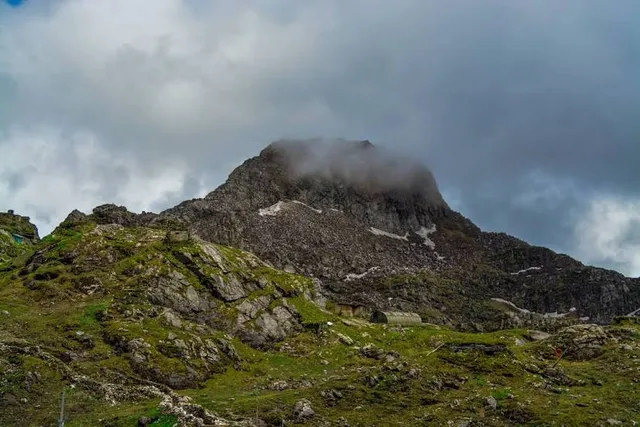
Visiting Nathula Pass in March with snowfall is a surreal experience. Here’s what you can look forward to: 🏔️ Snow-Covered Roads & Mountains: The entire route from Gangtok to Nathula is covered in fresh snow, creating postcard-perfect views. ☃️ Snowfall Experience: If you’re lucky, you might witness live snowfall, making the journey even more magical. 🚶♂️ Walking in the Snow: The army checkpoint allows visitors to step onto the snow, though walking can be a bit slippery. 📸 Stunning Photography: Capture the snow-draped landscapes, the famous border gates, and the towering Himalayan peaks.
Key Attractions at Nathula Pass
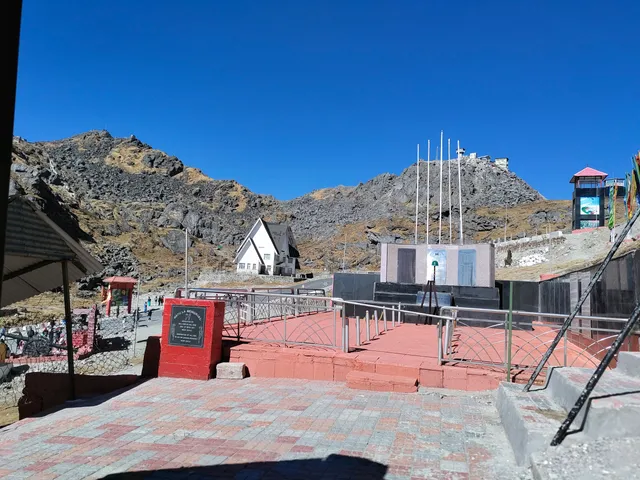
🏳️ Indo-China Border: Stand near the India-China border and see Chinese soldiers stationed just across. 🏛️ Baba Harbhajan Singh Temple: A revered shrine dedicated to an Indian soldier, known for its mystical stories. ☕ Army Canteen: Enjoy a hot cup of tea or Maggi in the cold weather at the small army-run cafeteria. 🛍️ Tibet Market: Located near the border, this small market sells Tibetan souvenirs, woolens, and prayer flags.
Weather & Packing Tips for March Snowfall
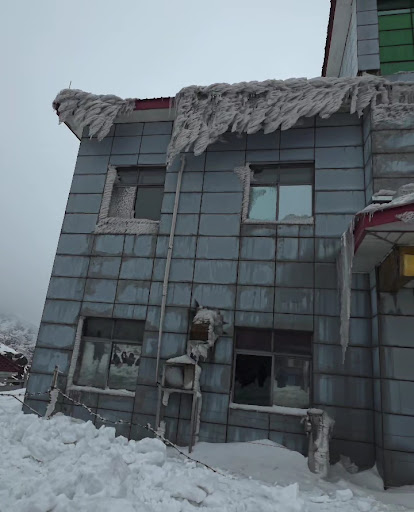
Expect freezing temperatures ranging from -5°C to 5°C in March. Here’s how to stay warm and comfortable: 🧥 Wear Heavy Winter Clothes: Layer up with thermal wear, a thick woolen jacket, gloves, and a cap. 🕶️ Carry Sunglasses & Sunscreen: The bright sunlight reflecting off the snow can cause eye strain and sunburn. 💊 Altitude Sickness Precautions: Carry Diamox or ginger candies to avoid nausea and dizziness. 🥾 Wear Snowproof Boots: Slippery paths require waterproof trekking shoes for a comfortable walk.
Food & Accommodation
🍜 Food Options: No restaurants are available at Nathula, but small eateries near Tsomgo Lake serve hot Maggi, momos, and chai. 🏡 Where to Stay? Staying in Gangtok is recommended as Nathula is a day-trip destination. Choose hotels with heating facilities for a comfortable...
Read moreNathu La Pass, located at an altitude of over 14,000 feet, is one of the most surreal and patriotic places you can visit in Sikkim. It stands as a border post between India and China, and this is probably the closest a civilian can get to seeing China from India. This high-altitude mountain pass, once part of the historic Silk Route, offers not just breathtaking natural beauty, but also a strong sense of national pride. Standing at the edge of the country, watching the Indian tricolour flutter against a stark white background, is a moment you won't forget.
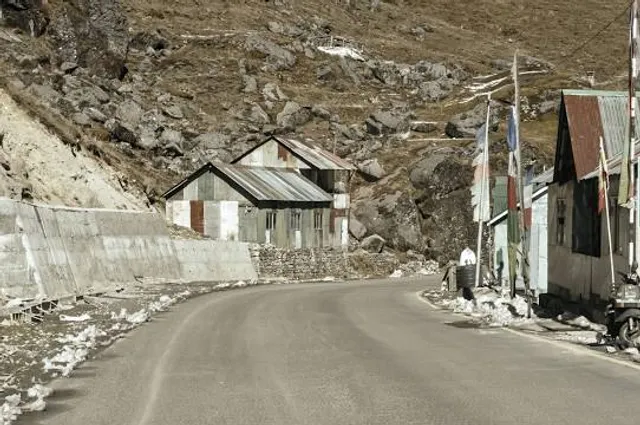
Reaching Nathu La takes about 2 hours from Gangtok, depending on weather and road conditions. Since permits are mandatory and need to be arranged a day in advance, hiring a private vehicle is a smart move. Most local drivers take care of the permit formalities, saving you any last-minute hassle. The road leading up to the pass is an engineering marvel built by the Border Roads Organization—well-paved, smooth, and sturdy enough to support army vehicles and tourist cars alike. What truly steals the show though is the scenery—on one side, deep valleys with floating clouds, and on the other, majestic snow-covered cliffs. It’s a visual treat all along the journey.
Closer to the pass, there are several rental stalls where you can pick up snow gear—gumboots, gloves, jackets, etc. These are highly recommended, especially the gumboots, which help you grip the snow while walking around. You’ll also find a line of small food joints along the way, offering snacks, tea, and hot meals. Unless you’re in a larger vehicle like an SUV, you'll need to transfer to a local shared jeep near Changu Lake, which costs around ₹1000 per person (cash only, since network access is limited). From there, a 20–25-minute drive takes you to the parking area near the pass. The spot is often crowded during peak season, but the views—vast snow plains, craggy Himalayan peaks, and pin-drop silence broken only by the wind—make it all worth it.
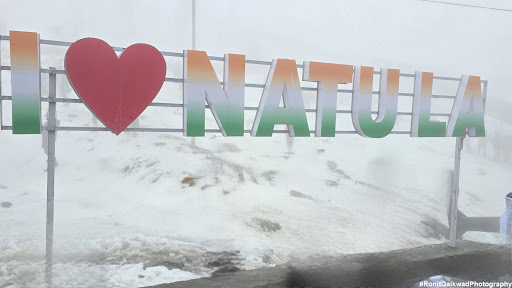
Once at the top, you’ll need to climb a short path through snow to reach the actual Indo-China border. The oxygen level is very low, so carry portable oxygen cans and walk slowly without rushing. When you finally reach the top, what awaits is unforgettable: a single chain separates the two countries. On the opposite side, Chinese posts and guards are visible, while on our side, brave Indian soldiers stand tall in freezing conditions to protect our land. Seeing them up close, standing alert 24x7 in sub-zero weather, is a humbling experience. You're not allowed to click photos at the actual border for security reasons, so follow the instructions given by the army. But do take a moment to salute their spirit. And as you descend, don’t forget to snap a picture at the "I Love Nathu La" board and the sign that proudly declares your location—over 14,000 feet above sea level. This entire experience—icy winds, snow-covered terrain, Himalayan grandeur, and a strong sense of patriotism—is beyond words. If you're in Gangtok, missing Nathu La is...
Read moreOne of the best experiences of my life. It's a great feeling to stand at an international border. The route to Nathula is mesmerising, esp when the Himalayas have snow on. A few important notes below...
You need to get permits in advance - contact your hotel personnel or a travel agent in Gangtok. Submit your passport or voter's id (Aadhaar and PAN are not accepted) and 4 passport photos. Don't worry if you aren't carrying photos, you can get prints anywhere in Gangtok.
Personal non-Sikkim registered vehicles and small cars won't go up to Nathula. You'll have to book an SUV. Again, hotel personnel should be able to help you out with shared vehicles and rates. The taxi rates are higher in peak season.
Carry some chocolates/chewing gum and camphor/Vicks inhaler. The air is thin from around the 15th mile, and you'll have trouble breathing the higher you go. It is especially strenuous when climbing the steps to Nathula pass. Don't hurry, take deep breaths, and plod on, because it's worth the effort.
When going in the snow season (up to end of March), wear thick woollens, including gloves and wool socks. The temperature can be as low as -4° even during the day.
Again, during snow season, get some boots on rent. Otherwise your shoes will get wet, you won't get grip on the snow and ice when climbing the pass, and you'll either end up with frozen toes or keep falling on ice.
When climbing the pass steps in snow season, watch out for smoothened ice. They're tricky and if you are not careful, you WILL have a nasty fall. Walk heels first and not toes first.
Photography is strictly prohibited up on the border. If you think you're smart and take photos stealthily, army personnel will come from somewhere and make you delete the photos or even confiscate your phone.
Start as early as possible. The weather can turn bad anytime during winters, and even otherwise, daylight ends by 5:30-6pm in Sikkim. You could be stuck in roadblocks too and...