HTML SitemapExplore
logo
Find Things to DoFind The Best Restaurants

Great Himalayan National Park — Attraction in Great Himalayan Range

Name
Great Himalayan National Park
Description
Nearby attractions
Nearby restaurants
Nearby hotels
Related posts
Keywords
Great Himalayan National Park tourism.Great Himalayan National Park hotels.Great Himalayan National Park bed and breakfast. flights to Great Himalayan National Park.Great Himalayan National Park attractions.Great Himalayan National Park restaurants.Great Himalayan National Park travel.Great Himalayan National Park travel guide.Great Himalayan National Park travel blog.Great Himalayan National Park pictures.Great Himalayan National Park photos.Great Himalayan National Park travel tips.Great Himalayan National Park maps.Great Himalayan National Park things to do.
Great Himalayan National Park things to do, attractions, restaurants, events info and trip planning
Great Himalayan National Park
IndiaHimachal PradeshGreat Himalayan RangeGreat Himalayan National Park

Basic Info

Great Himalayan National Park

Himachal Pradesh, India
4.5(977)
Open 24 hours
Save
spot

Ratings & Description

Info

Outdoor
Adventure
Scenic
Off the beaten path
attractions: , restaurants:
logoLearn more insights from Wanderboat AI.
Phone
+91 1902 265 320
Website
greathimalayannationalpark.org

Plan your stay

hotel
Pet-friendly Hotels in Great Himalayan Range
Find a cozy hotel nearby and make it a full experience.
hotel
Affordable Hotels in Great Himalayan Range
Find a cozy hotel nearby and make it a full experience.
hotel
The Coolest Hotels You Haven't Heard Of (Yet)
Find a cozy hotel nearby and make it a full experience.
hotel
Trending Stays Worth the Hype in Great Himalayan Range
Find a cozy hotel nearby and make it a full experience.

Reviews

Things to do nearby

Mindful Trails: Walk and Meditate in Nature
Sat, Dec 6 • 7:00 AM
Jibhi, Himachal Pradesh, 175123, India
View details
Get the Appoverlay
Get the AppOne tap to find yournext favorite spots!
Wanderboat LogoWanderboat

Your everyday Al companion for getaway ideas

CompanyAbout Us
InformationAI Trip PlannerSitemap
SocialXInstagramTiktokLinkedin
LegalTerms of ServicePrivacy Policy

Get the app

© 2025 Wanderboat. All rights reserved.
logo

Reviews of Great Himalayan National Park

4.5
(977)
avatar
4.0
51w

I recently visited the Great Himalayan National Park (GHNP) on a solo trip, and it was an unforgettable experience. While the park’s natural beauty left me mesmerized, there were a few challenges that travelers should be aware of. Here’s my detailed review:

The Good: Unparalleled Natural Beauty: GHNP is a treasure trove of biodiversity, offering breathtaking views of snow-capped peaks, dense forests, and sparkling rivers. Every corner feels like a postcard-worthy moment. Serenity and Solitude: As a solo traveler, I cherished the peace and quiet. The lack of commercialization makes this park a perfect retreat for anyone looking to connect with nature. Adventure Opportunities: The park offers excellent trekking trails for all levels, from short hikes to multi-day treks. I embarked on a moderate trail that rewarded me with stunning vistas and a deep sense of accomplishment. Rich Wildlife: GHNP is home to a variety of flora and fauna. I spotted some rare bird species and small mammals during my trek, which was a delightful bonus. Friendly Locals: The people in the nearby villages were warm and welcoming, offering helpful tips about the trails and sharing their stories about the region. The Challenges: Limited Accessibility: Reaching the park is not easy. The roads leading to GHNP are narrow and winding, and public transportation options are limited. A private vehicle or local guide is almost essential. Basic Facilities: While the park’s untouched nature is its charm, it also means there are very few facilities. There are no food stalls, clean restrooms, or accommodations inside the park, so preparation is key. Tough Trekking Conditions: Some trails are steep, unmarked, and challenging, especially for solo travelers. Without a guide, it can be easy to lose your way. Proper gear and fitness are essential. Weather Unpredictability: The weather in the mountains changes rapidly, and I encountered sudden rain and cold winds during my trek. Packing for all conditions is a must. Suggestions for Future Travelers: Plan Thoroughly: Research the park’s trails and entry points in advance. Carry essentials like water, food, a map, and weather-appropriate clothing. Hire a Guide: Solo travelers especially should consider hiring a local guide for safety and insights into the park’s biodiversity. Time Your Visit: The best time to visit is from April to June and September to November, when the weather is pleasant, and the trails are more accessible. Respect Nature: GHNP is a UNESCO World Heritage Site, so ensure you follow the principles of responsible tourism—leave no trace, and respect wildlife and the environment. Final Thoughts: The Great Himalayan National Park is a paradise for nature lovers, trekkers, and anyone seeking solace in the wilderness. Its pristine landscapes and rich biodiversity make it a unique destination, but the remote location and lack of facilities demand preparation and resilience.

Despite the challenges, my solo trip to GHNP was immensely rewarding. I would highly recommend it to adventurous travelers who are ready to embrace the raw beauty of...

   Read more
avatar
5.0
39w

Review of Great Himalayan National Park

Introduction

Located in Himachal Pradesh, India, the Great Himalayan National Park (GHNP) is a UNESCO World Heritage Site.

Established in 1984 and covering 1,171 sq. km, it is a biodiversity hotspot in the western Himalayas.

A paradise for nature lovers, trekkers, and wildlife enthusiasts.

Geographic Features

Situated in the Kullu region, surrounded by high-altitude peaks and deep valleys.

Ranges in altitude from 1,500 to over 6,000 meters.

Encompasses glaciers, alpine meadows, and dense forests.

Biodiversity

Home to over 375 species of fauna, including snow leopards, Himalayan tahr, blue sheep, and musk deer.

Rich in avian life, with over 200 bird species such as the Western tragopan and monal pheasant.

Diverse flora, including medicinal plants, oak, rhododendron, and coniferous forests.

Tourism and Trekking

Offers multiple trekking routes like Tirthan Valley Trek, Sainj Valley Trek, and Pin-Parvati Pass.

Requires a permit; strict rules protect the fragile ecosystem.

No motorable roads inside; visitors must explore on foot.

Popular among eco-tourists and adventure seekers.

Socio-Cultural and Religious Significance

Inhabited by local Himachali communities like the Gaddis and Kulluis.

The region has sacred sites and traditional temples, including Shringa Rishi Temple.

Local festivals and rituals reflect deep spiritual connections with nature.

Climate Change Impact

Rising temperatures threaten fragile alpine ecosystems.

Glacier retreat and irregular snowfall patterns affect biodiversity.

Conservation efforts are crucial to preserving this unique habitat.

Best Time to Visit

Ideal months: March to June (spring/summer) and September to November (autumn).

Monsoon season (July-August) is not recommended due to landslides.

Winters (December-February) are extremely cold, with heavy snowfall.

How to Get There

By Air: Nearest airport – Bhuntar (about 50 km away).

By Rail: Nearest railway station – Joginder Nagar (about 143 km).

By Road: Well-connected to Kullu, Manali, and other Himachal towns via buses and taxis.

Final Thoughts

A must-visit for nature lovers, photographers, and trekkers.

One of India’s best-preserved natural habitats.

Sustainable tourism and conservation efforts are essential to...

   Read more
avatar
5.0
3y

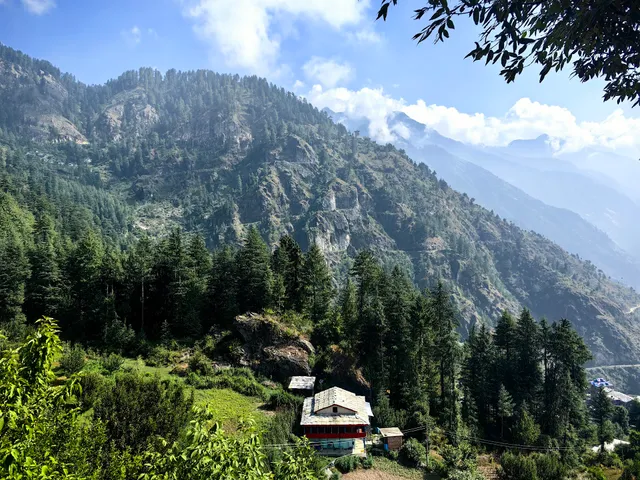
The Great Himalayan National Park (GHNP) is at the junction of the world’s two major faunal realms – the Indomalayan to the south and the Palaearctic to the north.

The park’s temperate forest flora and fauna mark the westernmost limit of the Sino-Japanese region, and its high-altitude ecosystem has floral affinities with, amongst others, the Mediterranean, Tibetan and Cis-Himalayan regions. GHNP has the plant and tree species jatamansi, salam panja, and English yew, in common with Afghanistan and western China. It also shares the sea-buckthorn with the Palaearctic region, the deodar, alpine yellow violet and alpine meadow grass with the Mediterranean region, and the euphorbia with south India. Endemic flora and fauna have also evolved in the Northwestern Himalaya, including Draba lasiophylla Royle, several species of Balsams, and the Himalayan tahr, all of which are well represented in the park.

Because of its range of species, and the compact nature of their abode, GHNP is the highest priority conservation zone in the western Himalaya.

The climate of GHNP is typical of the western Himalaya’s front ranges. It has four distinct seasons: spring (April to June); rainy/summer (July to September); autumn (October to November) and winter (December to March). Precipitation is moderate for most of the year and abundant during the monsoon, from mid-June to mid-September. In recent years, maximum annual rainfall has been 1,298 mm. During winter, some snow is common at lower elevations, whilst higher elevations can receive snowfall of over two meters.

The ambient temperature can vary from -10ºC in January to 40ºC in June.

The Himalayan region, with its diverse climatic conditions, is home to many uncommon, endemic and endangered species of flora and fauna.

The number of plant species in the Himalaya is estimated at 25,000 – 10% of the world’s known species and 50% of India’s endemic flora. This includes 7,020 species of fungi, 1,159 species of lichen and 2,000 species of bryophytes (including mosses and worts), with the remainder ferns, angiosperms (flowering plants) and...

   Read more
Page 1 of 7
Previous
Next

Posts

Chandra GhimireChandra Ghimire
Review of Great Himalayan National Park 1. Introduction Located in Himachal Pradesh, India, the Great Himalayan National Park (GHNP) is a UNESCO World Heritage Site. Established in 1984 and covering 1,171 sq. km, it is a biodiversity hotspot in the western Himalayas. A paradise for nature lovers, trekkers, and wildlife enthusiasts. 2. Geographic Features Situated in the Kullu region, surrounded by high-altitude peaks and deep valleys. Ranges in altitude from 1,500 to over 6,000 meters. Encompasses glaciers, alpine meadows, and dense forests. 3. Biodiversity Home to over 375 species of fauna, including snow leopards, Himalayan tahr, blue sheep, and musk deer. Rich in avian life, with over 200 bird species such as the Western tragopan and monal pheasant. Diverse flora, including medicinal plants, oak, rhododendron, and coniferous forests. 4. Tourism and Trekking Offers multiple trekking routes like Tirthan Valley Trek, Sainj Valley Trek, and Pin-Parvati Pass. Requires a permit; strict rules protect the fragile ecosystem. No motorable roads inside; visitors must explore on foot. Popular among eco-tourists and adventure seekers. 5. Socio-Cultural and Religious Significance Inhabited by local Himachali communities like the Gaddis and Kulluis. The region has sacred sites and traditional temples, including Shringa Rishi Temple. Local festivals and rituals reflect deep spiritual connections with nature. 6. Climate Change Impact Rising temperatures threaten fragile alpine ecosystems. Glacier retreat and irregular snowfall patterns affect biodiversity. Conservation efforts are crucial to preserving this unique habitat. 7. Best Time to Visit Ideal months: March to June (spring/summer) and September to November (autumn). Monsoon season (July-August) is not recommended due to landslides. Winters (December-February) are extremely cold, with heavy snowfall. 8. How to Get There By Air: Nearest airport – Bhuntar (about 50 km away). By Rail: Nearest railway station – Joginder Nagar (about 143 km). By Road: Well-connected to Kullu, Manali, and other Himachal towns via buses and taxis. 9. Final Thoughts A must-visit for nature lovers, photographers, and trekkers. One of India’s best-preserved natural habitats. Sustainable tourism and conservation efforts are essential to protect its beauty.
Ashwin guruAshwin guru
The GHNP is located around 5-6 kms from the Aut Bus-stand. I went to the Sai Roopa complex as my room was booked there. GHNP offers deluxe rooms, deluxe suites and researchers hut. I booked the deluxe suite room, 10-15 days in prior but however upon reaching there the manager said the suite was being constructed just now and told me he would get the deluxe room ready in sometime as the guests hadn’t checked out then. I went for a walk for almost an hour and got back and it was ready. Initially I was very happy with the prompt action and the room looked quite clean. Then I went to take a bath, there was a used towel in the bathroom, electric shock ran through the water upon switching on the geyser. I was too shook already. It’s very risky and scary. There’s an untreated electricity seepage. Now, i had paid 2000 for the suite and the deluxe cost was 1500. I wanted to compensate the 500 through some activity. But Mr. Govind ( the manager ) said it doesn’t come under his scope of work and ensured he ll talk with his boss and let me know. But after several and several reminder during the stay, only during the checkout he told me that he is unable to reach the boss and gave me a toll free number and upon calling that number they asked me to mail. Till this date I haven’t heard a response. It’s not about the 500, but it’s about how they dealt with this that tips me off. I understand that this is trek shed for those who are starting their trek from there but their behaviour is unacceptable nor was the room great. I could have gotten electrocuted. Coming to the pros, - Mr. Govind was a great help when I voiced out my concerns, he also drew me a map for my trek and helped me find an accommodation for the next day’s stay. - GHNP is a great place for trekkers, there is also one day treks available to the Choi waterfalls nearby. The management sucked, I cannot believe this comes under UNESCO. The maintenance could have been done brilliantly but this is a total disappointment. I am never visiting this place ever again.
Awais Aleem (Sheikh)Awais Aleem (Sheikh)
The Great Himalayan National Park (GHNP) is a breathtakingly beautiful and ecologically rich park located in the Kullu Valley of Himachal Pradesh, India. The park’s beauty is defined by its incredible greenery, where verdant valleys are covered in lush temperate and subtropical forests. These forests are home to a variety of plant species, including oak, deodar, pine, and rhododendron, creating a vibrant green cover that changes with the seasons. As you trek through the park, you encounter a spectacular array of flora, from wildflowers blooming in summer to snow-capped branches in winter. The backdrop of towering mountain peaks adds to the dramatic beauty of the park. The Great Himalayan range dominates the skyline, and peaks like Hanuman Tibba, Shitidhar, and other rugged summits offer awe-inspiring views. The park’s valleys are sculpted by rivers like the Tirthan and Sainj, adding to its natural allure with their crystal-clear waters. The rivers meander through the park’s lush landscapes, providing the perfect setting for reflection and peace. Wildlife in GHNP is equally captivating. The park supports diverse species, including the endangered Western Tragopan, a bird known for its vivid plumage. Other species such as the Himalayan brown bear, snow leopard, and musk deer thrive in the park’s diverse habitats. The flora and fauna are a testament to the region's ecological importance and biodiversity. The beauty of GHNP is not just in its scenery, but also in the serenity and tranquility it offers. Whether you're trekking through its dense forests, camping by its rivers, or simply soaking in the panoramic views of the mountains, the Great Himalayan National Park presents a unique opportunity to connect with nature in its purest form. The park remains one of the best examples of unspoiled natural beauty, where the mountains, forests, and wildlife harmoniously coexist.
See more posts
See more posts
hotel
Find your stay

Pet-friendly Hotels in Great Himalayan Range

Find a cozy hotel nearby and make it a full experience.

Review of Great Himalayan National Park 1. Introduction Located in Himachal Pradesh, India, the Great Himalayan National Park (GHNP) is a UNESCO World Heritage Site. Established in 1984 and covering 1,171 sq. km, it is a biodiversity hotspot in the western Himalayas. A paradise for nature lovers, trekkers, and wildlife enthusiasts. 2. Geographic Features Situated in the Kullu region, surrounded by high-altitude peaks and deep valleys. Ranges in altitude from 1,500 to over 6,000 meters. Encompasses glaciers, alpine meadows, and dense forests. 3. Biodiversity Home to over 375 species of fauna, including snow leopards, Himalayan tahr, blue sheep, and musk deer. Rich in avian life, with over 200 bird species such as the Western tragopan and monal pheasant. Diverse flora, including medicinal plants, oak, rhododendron, and coniferous forests. 4. Tourism and Trekking Offers multiple trekking routes like Tirthan Valley Trek, Sainj Valley Trek, and Pin-Parvati Pass. Requires a permit; strict rules protect the fragile ecosystem. No motorable roads inside; visitors must explore on foot. Popular among eco-tourists and adventure seekers. 5. Socio-Cultural and Religious Significance Inhabited by local Himachali communities like the Gaddis and Kulluis. The region has sacred sites and traditional temples, including Shringa Rishi Temple. Local festivals and rituals reflect deep spiritual connections with nature. 6. Climate Change Impact Rising temperatures threaten fragile alpine ecosystems. Glacier retreat and irregular snowfall patterns affect biodiversity. Conservation efforts are crucial to preserving this unique habitat. 7. Best Time to Visit Ideal months: March to June (spring/summer) and September to November (autumn). Monsoon season (July-August) is not recommended due to landslides. Winters (December-February) are extremely cold, with heavy snowfall. 8. How to Get There By Air: Nearest airport – Bhuntar (about 50 km away). By Rail: Nearest railway station – Joginder Nagar (about 143 km). By Road: Well-connected to Kullu, Manali, and other Himachal towns via buses and taxis. 9. Final Thoughts A must-visit for nature lovers, photographers, and trekkers. One of India’s best-preserved natural habitats. Sustainable tourism and conservation efforts are essential to protect its beauty.
Chandra Ghimire

Chandra Ghimire

hotel
Find your stay

Affordable Hotels in Great Himalayan Range

Find a cozy hotel nearby and make it a full experience.

Get the Appoverlay
Get the AppOne tap to find yournext favorite spots!
The GHNP is located around 5-6 kms from the Aut Bus-stand. I went to the Sai Roopa complex as my room was booked there. GHNP offers deluxe rooms, deluxe suites and researchers hut. I booked the deluxe suite room, 10-15 days in prior but however upon reaching there the manager said the suite was being constructed just now and told me he would get the deluxe room ready in sometime as the guests hadn’t checked out then. I went for a walk for almost an hour and got back and it was ready. Initially I was very happy with the prompt action and the room looked quite clean. Then I went to take a bath, there was a used towel in the bathroom, electric shock ran through the water upon switching on the geyser. I was too shook already. It’s very risky and scary. There’s an untreated electricity seepage. Now, i had paid 2000 for the suite and the deluxe cost was 1500. I wanted to compensate the 500 through some activity. But Mr. Govind ( the manager ) said it doesn’t come under his scope of work and ensured he ll talk with his boss and let me know. But after several and several reminder during the stay, only during the checkout he told me that he is unable to reach the boss and gave me a toll free number and upon calling that number they asked me to mail. Till this date I haven’t heard a response. It’s not about the 500, but it’s about how they dealt with this that tips me off. I understand that this is trek shed for those who are starting their trek from there but their behaviour is unacceptable nor was the room great. I could have gotten electrocuted. Coming to the pros, - Mr. Govind was a great help when I voiced out my concerns, he also drew me a map for my trek and helped me find an accommodation for the next day’s stay. - GHNP is a great place for trekkers, there is also one day treks available to the Choi waterfalls nearby. The management sucked, I cannot believe this comes under UNESCO. The maintenance could have been done brilliantly but this is a total disappointment. I am never visiting this place ever again.
Ashwin guru

Ashwin guru

hotel
Find your stay

The Coolest Hotels You Haven't Heard Of (Yet)

Find a cozy hotel nearby and make it a full experience.

hotel
Find your stay

Trending Stays Worth the Hype in Great Himalayan Range

Find a cozy hotel nearby and make it a full experience.

The Great Himalayan National Park (GHNP) is a breathtakingly beautiful and ecologically rich park located in the Kullu Valley of Himachal Pradesh, India. The park’s beauty is defined by its incredible greenery, where verdant valleys are covered in lush temperate and subtropical forests. These forests are home to a variety of plant species, including oak, deodar, pine, and rhododendron, creating a vibrant green cover that changes with the seasons. As you trek through the park, you encounter a spectacular array of flora, from wildflowers blooming in summer to snow-capped branches in winter. The backdrop of towering mountain peaks adds to the dramatic beauty of the park. The Great Himalayan range dominates the skyline, and peaks like Hanuman Tibba, Shitidhar, and other rugged summits offer awe-inspiring views. The park’s valleys are sculpted by rivers like the Tirthan and Sainj, adding to its natural allure with their crystal-clear waters. The rivers meander through the park’s lush landscapes, providing the perfect setting for reflection and peace. Wildlife in GHNP is equally captivating. The park supports diverse species, including the endangered Western Tragopan, a bird known for its vivid plumage. Other species such as the Himalayan brown bear, snow leopard, and musk deer thrive in the park’s diverse habitats. The flora and fauna are a testament to the region's ecological importance and biodiversity. The beauty of GHNP is not just in its scenery, but also in the serenity and tranquility it offers. Whether you're trekking through its dense forests, camping by its rivers, or simply soaking in the panoramic views of the mountains, the Great Himalayan National Park presents a unique opportunity to connect with nature in its purest form. The park remains one of the best examples of unspoiled natural beauty, where the mountains, forests, and wildlife harmoniously coexist.
Awais Aleem (Sheikh)

Awais Aleem (Sheikh)

See more posts
See more posts