HTML SitemapExplore
logo
Find Things to DoFind The Best Restaurants

Lothal, Archaeological remains of a Harappa Port-Town — Attraction in Gujarat

Name
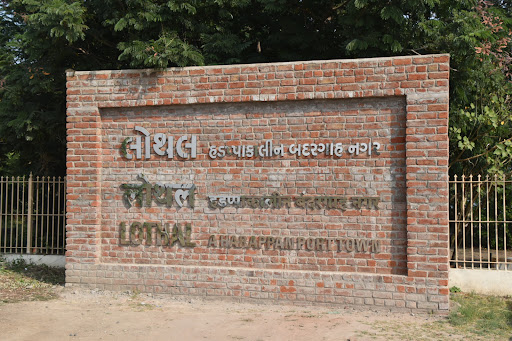
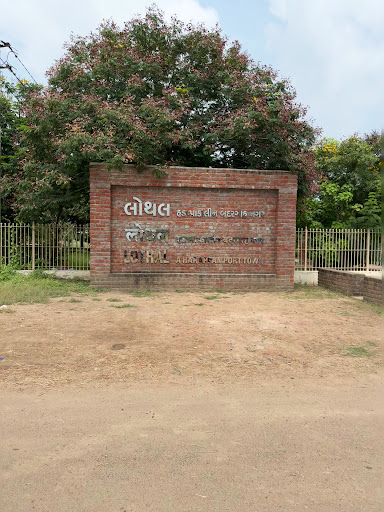
Lothal, Archaeological remains of a Harappa Port-Town
Description
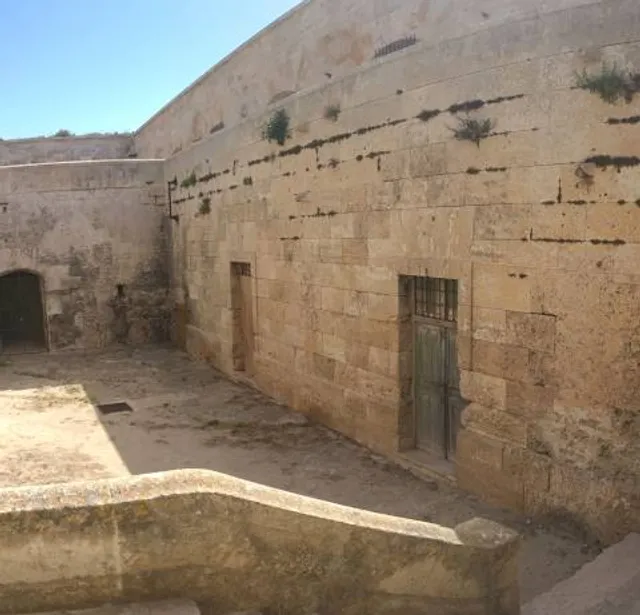
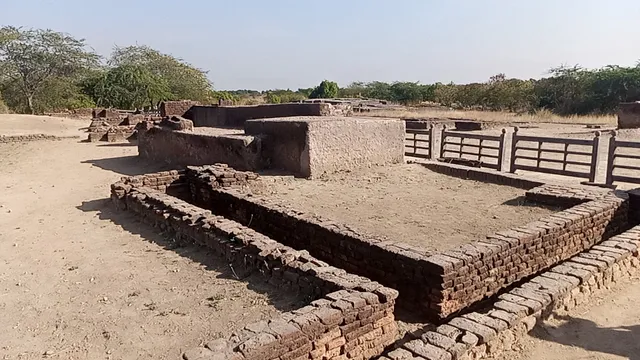
Lothal was one of the southernmost sites of the ancient Indus Valley civilisation, located in the Bhal region of the Indian state of Gujarat. Construction of the city is believed to have begun around 2200 BCE.
Nearby attractions
Nearby restaurants
Nearby hotels
Related posts
Keywords
Lothal, Archaeological remains of a Harappa Port-Town tourism.Lothal, Archaeological remains of a Harappa Port-Town hotels.Lothal, Archaeological remains of a Harappa Port-Town bed and breakfast. flights to Lothal, Archaeological remains of a Harappa Port-Town.Lothal, Archaeological remains of a Harappa Port-Town attractions.Lothal, Archaeological remains of a Harappa Port-Town restaurants.Lothal, Archaeological remains of a Harappa Port-Town travel.Lothal, Archaeological remains of a Harappa Port-Town travel guide.Lothal, Archaeological remains of a Harappa Port-Town travel blog.Lothal, Archaeological remains of a Harappa Port-Town pictures.Lothal, Archaeological remains of a Harappa Port-Town photos.Lothal, Archaeological remains of a Harappa Port-Town travel tips.Lothal, Archaeological remains of a Harappa Port-Town maps.Lothal, Archaeological remains of a Harappa Port-Town things to do.
Lothal, Archaeological remains of a Harappa Port-Town things to do, attractions, restaurants, events info and trip planning
Lothal, Archaeological remains of a Harappa Port-Town
IndiaGujaratLothal, Archaeological remains of a Harappa Port-Town

Basic Info

Lothal, Archaeological remains of a Harappa Port-Town

Lothal, Taluka, Saragwala, Dholka, Gujarat 382230, India
4.3(1.9K)
Open 24 hours
Save
spot

Ratings & Description

Info

Lothal was one of the southernmost sites of the ancient Indus Valley civilisation, located in the Bhal region of the Indian state of Gujarat. Construction of the city is believed to have begun around 2200 BCE.

Cultural
Outdoor
Educational
attractions: , restaurants:
logoLearn more insights from Wanderboat AI.
Website
whc.unesco.org

Plan your stay

hotel
Pet-friendly Hotels in Gujarat
Find a cozy hotel nearby and make it a full experience.
hotel
Affordable Hotels in Gujarat
Find a cozy hotel nearby and make it a full experience.
hotel
The Coolest Hotels You Haven't Heard Of (Yet)
Find a cozy hotel nearby and make it a full experience.
hotel
Trending Stays Worth the Hype in Gujarat
Find a cozy hotel nearby and make it a full experience.

Reviews

Get the Appoverlay
Get the AppOne tap to find yournext favorite spots!
Wanderboat LogoWanderboat

Your everyday Al companion for getaway ideas

CompanyAbout Us
InformationAI Trip PlannerSitemap
SocialXInstagramTiktokLinkedin
LegalTerms of ServicePrivacy Policy

Get the app

© 2025 Wanderboat. All rights reserved.
logo

Reviews of Lothal, Archaeological remains of a Harappa Port-Town

4.3
(1,912)
avatar
4.0
1y

Lothal is an ancient city located in the state of Gujarat, India, and is one of the most significant archaeological sites related to the Indus Valley Civilization (also known as the Harappan Civilization). The site, discovered in the 1950s, provides vital insights into the urban planning, technology, and trade practices of this ancient civilization. Here's a detailed review of Lothal from both a tourist and historical perspective:

Historical Significance of Lothal:

Part of the Harappan Civilization: Lothal was a prominent port city during the mature phase of the Indus Valley Civilization (around 2400 BCE to 1900 BCE). It was strategically located near the Gulf of Khambhat in Gujarat, which provided access to both the sea and inland trade routes. This made Lothal a thriving hub for trade, particularly in beads, semi-precious stones, and other materials.

Marine and Trade Center: Lothal is one of the few Harappan sites that had a dockyard, which is considered one of the earliest in the world. The dockyard was used to moor ships and trade goods, and its sophisticated construction suggests the importance of maritime activities in the region. Evidence of seafaring and trade routes extending as far as Mesopotamia, the Arabian Peninsula, and regions of Southeast Asia has been found.

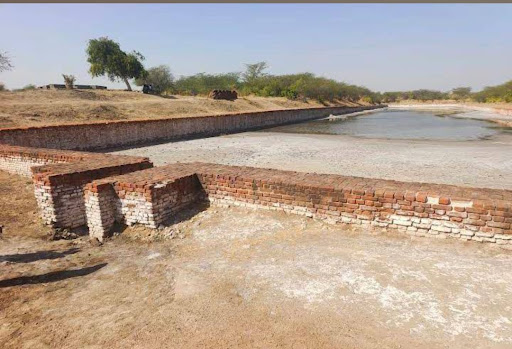
Dockyard and its Function: The dockyard is an important feature of Lothal. It's an artificial basin that was linked to the sea via a channel. The area served as a dry dock for ships and also as a port for the unloading and storage of goods. The dockyard's existence has led to the theory that Lothal was a major trade center, specializing in the export of beads, gems, and other luxury goods.

Bead-making Industry: Lothal is especially famous for its bead-making industry. Archaeologists have unearthed a large number of bead-making tools and materials, as well as numerous finished beads. Lothal’s beads were made from a variety of materials such as carnelian, agate, and other semi-precious stones, and these were traded across vast distances, reaching Mesopotamia, Iran, and Central Asia.

Urban Planning and Architecture: The layout of Lothal reveals a highly organized urban settlement. The city had a well-planned drainage system, residential buildings, public structures, and industrial areas. The Harappans were known for their advanced knowledge of urban planning, and Lothal is no exception. The use of standardized brick sizes, planned roads, and a well-organized sewage system are evident at the site.

Decline and Abandonment: Lothal was gradually abandoned around 1900 BCE, likely due to a combination of factors such as the decline of the Indus Valley Civilization, changes in river courses, and the shifting of trade routes. Over time, the site became covered by silt and sand, which preserved the ruins until the 20th century.

Tourist Information:

Location: Lothal is located in the Bhavnagar district of Gujarat, approximately 80 km southeast of Ahmedabad. It is easily accessible by road and is well-connected to the major cities of Gujarat. The nearest railway station is in Bhavnagar, and the Sardar Vallabhbhai Patel International Airport in Ahmedabad is the closest airport.

Archaeological Site and Museum: Lothal is primarily an excavation site where visitors can explore the remains of the ancient city, including the dockyard, bead-making workshops, residential areas, and various other structures. The site is an open-air museum, with many of the important artifacts being preserved at the Lothal Museum located near the excavation site. The museum houses a collection of pottery, jewelry, tools, seals, and beads that were found at the site, offering a glimpse into the lives of the people who lived there.

The Dockyard: The most famous feature of Lothal is the well-preserved dockyard, which provides evidence of the advanced maritime culture of the Harappans. The dockyard is a remarkable engineering feat, with a carefully constructed channel that once allowed ships to dock. Visitors can walk along the...

   Read more

avatar
5.0
40w

Lothal is one of the most remarkable archaeological sites of the ancient Indus Valley Civilization, offering a fascinating glimpse into one of the world's earliest urban settlements. Located in present-day Gujarat, India, this historic site showcases the advanced engineering, trade, and craftsmanship of a civilization that flourished over 4,000 years ago.

One of Lothal’s most impressive features is its well-planned dockyard, believed to be the world's earliest known example of a tidal dock, highlighting the city's role as a major trade center. The meticulous town planning, with well-structured drainage systems and strategically designed warehouses, reflects the ingenuity of its inhabitants. The site also offers insights into their artistic and commercial achievements, with artifacts like seals, beads, and pottery revealing a thriving culture engaged in trade with Mesopotamia and other distant regions.

Visitors to Lothal can explore the well-preserved ruins and visit the on-site museum, which houses a collection of fascinating artifacts, including tools, ornaments, and inscriptions. The serene atmosphere and historical significance of the site make it a must-visit for history enthusiasts, archaeology lovers, and anyone eager to connect with India's rich heritage.

Overall, Lothal stands as a testament to the brilliance of the ancient Indus Valley Civilization. Its advanced urban planning, maritime connections, and artistic excellence make it an inspiring destination that continues to captivate researchers and...

   Read more
avatar
5.0
5y

A visit to this ancient port city dating back to the period 2500 - 1900 BC will transport any enthusiast of history of human civilization to the bygone era of Harappan period. Excavated by the late Dr. S R Rao of Archaeological Survey of India in the 1950s, what is striking about Lothal is the brilliant town planning with drainage systems, bathing places, cooking furnaces, a full fledged dockyard, warehouse, residential complex, Acropolis, cemetery, & neatly planned streets. What becomes apparent is the great advances these ancient people had achieved in the fields of city planning, art, architecture, science, engineering, pottery, metallurgy, jewelry, seals, & beads. A functional furnace located near the cemetery was perhaps used for making different types of beads. Many beads found at the site is kept for display in the nearby museum. Use of furnace indicates how scientific methods were applied for making beads. Earthen pots were used for cooking purposes. The dockyard opens into the course of a ancient river, which was used to trade with Mesopotamia & other western civilizations. This tidal dockyard, measuring about 37 metre x 22 metre is regarded as being one of the greatest works of maritime engineering. The sheer genius & brilliance of these ancient people in building such a magnificent port town & the advances in engineering, maritime technology, sophisticated jewelry, measurement systems, will leave deep indelible mark on the psyche of the enthusiasts of history of human civilization...

   Read more
Page 1 of 7
Previous
Next

Posts

PathfinderPathfinder
Lothal is an ancient city located in the state of Gujarat, India, and is one of the most significant archaeological sites related to the Indus Valley Civilization (also known as the Harappan Civilization). The site, discovered in the 1950s, provides vital insights into the urban planning, technology, and trade practices of this ancient civilization. Here's a detailed review of Lothal from both a tourist and historical perspective: Historical Significance of Lothal: 1. Part of the Harappan Civilization: Lothal was a prominent port city during the mature phase of the Indus Valley Civilization (around 2400 BCE to 1900 BCE). It was strategically located near the Gulf of Khambhat in Gujarat, which provided access to both the sea and inland trade routes. This made Lothal a thriving hub for trade, particularly in beads, semi-precious stones, and other materials. 2. Marine and Trade Center: Lothal is one of the few Harappan sites that had a dockyard, which is considered one of the earliest in the world. The dockyard was used to moor ships and trade goods, and its sophisticated construction suggests the importance of maritime activities in the region. Evidence of seafaring and trade routes extending as far as Mesopotamia, the Arabian Peninsula, and regions of Southeast Asia has been found. 3. Dockyard and its Function: The dockyard is an important feature of Lothal. It's an artificial basin that was linked to the sea via a channel. The area served as a dry dock for ships and also as a port for the unloading and storage of goods. The dockyard's existence has led to the theory that Lothal was a major trade center, specializing in the export of beads, gems, and other luxury goods. 4. Bead-making Industry: Lothal is especially famous for its bead-making industry. Archaeologists have unearthed a large number of bead-making tools and materials, as well as numerous finished beads. Lothal’s beads were made from a variety of materials such as carnelian, agate, and other semi-precious stones, and these were traded across vast distances, reaching Mesopotamia, Iran, and Central Asia. 5. Urban Planning and Architecture: The layout of Lothal reveals a highly organized urban settlement. The city had a well-planned drainage system, residential buildings, public structures, and industrial areas. The Harappans were known for their advanced knowledge of urban planning, and Lothal is no exception. The use of standardized brick sizes, planned roads, and a well-organized sewage system are evident at the site. 6. Decline and Abandonment: Lothal was gradually abandoned around 1900 BCE, likely due to a combination of factors such as the decline of the Indus Valley Civilization, changes in river courses, and the shifting of trade routes. Over time, the site became covered by silt and sand, which preserved the ruins until the 20th century. Tourist Information: 1. Location: Lothal is located in the Bhavnagar district of Gujarat, approximately 80 km southeast of Ahmedabad. It is easily accessible by road and is well-connected to the major cities of Gujarat. The nearest railway station is in Bhavnagar, and the Sardar Vallabhbhai Patel International Airport in Ahmedabad is the closest airport. 2. Archaeological Site and Museum: Lothal is primarily an excavation site where visitors can explore the remains of the ancient city, including the dockyard, bead-making workshops, residential areas, and various other structures. The site is an open-air museum, with many of the important artifacts being preserved at the Lothal Museum located near the excavation site. The museum houses a collection of pottery, jewelry, tools, seals, and beads that were found at the site, offering a glimpse into the lives of the people who lived there. 3. The Dockyard: The most famous feature of Lothal is the well-preserved dockyard, which provides evidence of the advanced maritime culture of the Harappans. The dockyard is a remarkable engineering feat, with a carefully constructed channel that once allowed ships to dock. Visitors can walk along the preserved portion
Het VachhaniHet Vachhani
Lothal is one of the most remarkable archaeological sites of the ancient Indus Valley Civilization, offering a fascinating glimpse into one of the world's earliest urban settlements. Located in present-day Gujarat, India, this historic site showcases the advanced engineering, trade, and craftsmanship of a civilization that flourished over 4,000 years ago. One of Lothal’s most impressive features is its well-planned dockyard, believed to be the world's earliest known example of a tidal dock, highlighting the city's role as a major trade center. The meticulous town planning, with well-structured drainage systems and strategically designed warehouses, reflects the ingenuity of its inhabitants. The site also offers insights into their artistic and commercial achievements, with artifacts like seals, beads, and pottery revealing a thriving culture engaged in trade with Mesopotamia and other distant regions. Visitors to Lothal can explore the well-preserved ruins and visit the on-site museum, which houses a collection of fascinating artifacts, including tools, ornaments, and inscriptions. The serene atmosphere and historical significance of the site make it a must-visit for history enthusiasts, archaeology lovers, and anyone eager to connect with India's rich heritage. Overall, Lothal stands as a testament to the brilliance of the ancient Indus Valley Civilization. Its advanced urban planning, maritime connections, and artistic excellence make it an inspiring destination that continues to captivate researchers and visitors alike.
Vinay JayaramVinay Jayaram
A visit to this ancient port city dating back to the period 2500 - 1900 BC will transport any enthusiast of history of human civilization to the bygone era of Harappan period. Excavated by the late Dr. S R Rao of Archaeological Survey of India in the 1950s, what is striking about Lothal is the brilliant town planning with drainage systems, bathing places, cooking furnaces, a full fledged dockyard, warehouse, residential complex, Acropolis, cemetery, & neatly planned streets. What becomes apparent is the great advances these ancient people had achieved in the fields of city planning, art, architecture, science, engineering, pottery, metallurgy, jewelry, seals, & beads. A functional furnace located near the cemetery was perhaps used for making different types of beads. Many beads found at the site is kept for display in the nearby museum. Use of furnace indicates how scientific methods were applied for making beads. Earthen pots were used for cooking purposes. The dockyard opens into the course of a ancient river, which was used to trade with Mesopotamia & other western civilizations. This tidal dockyard, measuring about 37 metre x 22 metre is regarded as being one of the greatest works of maritime engineering. The sheer genius & brilliance of these ancient people in building such a magnificent port town & the advances in engineering, maritime technology, sophisticated jewelry, measurement systems, will leave deep indelible mark on the psyche of the enthusiasts of history of human civilization 🙏🙏🇮🇳🇮🇳🇮🇳
See more posts
See more posts
hotel
Find your stay

Pet-friendly Hotels in Gujarat

Find a cozy hotel nearby and make it a full experience.

Lothal is an ancient city located in the state of Gujarat, India, and is one of the most significant archaeological sites related to the Indus Valley Civilization (also known as the Harappan Civilization). The site, discovered in the 1950s, provides vital insights into the urban planning, technology, and trade practices of this ancient civilization. Here's a detailed review of Lothal from both a tourist and historical perspective: Historical Significance of Lothal: 1. Part of the Harappan Civilization: Lothal was a prominent port city during the mature phase of the Indus Valley Civilization (around 2400 BCE to 1900 BCE). It was strategically located near the Gulf of Khambhat in Gujarat, which provided access to both the sea and inland trade routes. This made Lothal a thriving hub for trade, particularly in beads, semi-precious stones, and other materials. 2. Marine and Trade Center: Lothal is one of the few Harappan sites that had a dockyard, which is considered one of the earliest in the world. The dockyard was used to moor ships and trade goods, and its sophisticated construction suggests the importance of maritime activities in the region. Evidence of seafaring and trade routes extending as far as Mesopotamia, the Arabian Peninsula, and regions of Southeast Asia has been found. 3. Dockyard and its Function: The dockyard is an important feature of Lothal. It's an artificial basin that was linked to the sea via a channel. The area served as a dry dock for ships and also as a port for the unloading and storage of goods. The dockyard's existence has led to the theory that Lothal was a major trade center, specializing in the export of beads, gems, and other luxury goods. 4. Bead-making Industry: Lothal is especially famous for its bead-making industry. Archaeologists have unearthed a large number of bead-making tools and materials, as well as numerous finished beads. Lothal’s beads were made from a variety of materials such as carnelian, agate, and other semi-precious stones, and these were traded across vast distances, reaching Mesopotamia, Iran, and Central Asia. 5. Urban Planning and Architecture: The layout of Lothal reveals a highly organized urban settlement. The city had a well-planned drainage system, residential buildings, public structures, and industrial areas. The Harappans were known for their advanced knowledge of urban planning, and Lothal is no exception. The use of standardized brick sizes, planned roads, and a well-organized sewage system are evident at the site. 6. Decline and Abandonment: Lothal was gradually abandoned around 1900 BCE, likely due to a combination of factors such as the decline of the Indus Valley Civilization, changes in river courses, and the shifting of trade routes. Over time, the site became covered by silt and sand, which preserved the ruins until the 20th century. Tourist Information: 1. Location: Lothal is located in the Bhavnagar district of Gujarat, approximately 80 km southeast of Ahmedabad. It is easily accessible by road and is well-connected to the major cities of Gujarat. The nearest railway station is in Bhavnagar, and the Sardar Vallabhbhai Patel International Airport in Ahmedabad is the closest airport. 2. Archaeological Site and Museum: Lothal is primarily an excavation site where visitors can explore the remains of the ancient city, including the dockyard, bead-making workshops, residential areas, and various other structures. The site is an open-air museum, with many of the important artifacts being preserved at the Lothal Museum located near the excavation site. The museum houses a collection of pottery, jewelry, tools, seals, and beads that were found at the site, offering a glimpse into the lives of the people who lived there. 3. The Dockyard: The most famous feature of Lothal is the well-preserved dockyard, which provides evidence of the advanced maritime culture of the Harappans. The dockyard is a remarkable engineering feat, with a carefully constructed channel that once allowed ships to dock. Visitors can walk along the preserved portion
Pathfinder

Pathfinder

hotel
Find your stay

Affordable Hotels in Gujarat

Find a cozy hotel nearby and make it a full experience.

Get the Appoverlay
Get the AppOne tap to find yournext favorite spots!
Lothal is one of the most remarkable archaeological sites of the ancient Indus Valley Civilization, offering a fascinating glimpse into one of the world's earliest urban settlements. Located in present-day Gujarat, India, this historic site showcases the advanced engineering, trade, and craftsmanship of a civilization that flourished over 4,000 years ago. One of Lothal’s most impressive features is its well-planned dockyard, believed to be the world's earliest known example of a tidal dock, highlighting the city's role as a major trade center. The meticulous town planning, with well-structured drainage systems and strategically designed warehouses, reflects the ingenuity of its inhabitants. The site also offers insights into their artistic and commercial achievements, with artifacts like seals, beads, and pottery revealing a thriving culture engaged in trade with Mesopotamia and other distant regions. Visitors to Lothal can explore the well-preserved ruins and visit the on-site museum, which houses a collection of fascinating artifacts, including tools, ornaments, and inscriptions. The serene atmosphere and historical significance of the site make it a must-visit for history enthusiasts, archaeology lovers, and anyone eager to connect with India's rich heritage. Overall, Lothal stands as a testament to the brilliance of the ancient Indus Valley Civilization. Its advanced urban planning, maritime connections, and artistic excellence make it an inspiring destination that continues to captivate researchers and visitors alike.
Het Vachhani

Het Vachhani

hotel
Find your stay

The Coolest Hotels You Haven't Heard Of (Yet)

Find a cozy hotel nearby and make it a full experience.

hotel
Find your stay

Trending Stays Worth the Hype in Gujarat

Find a cozy hotel nearby and make it a full experience.

A visit to this ancient port city dating back to the period 2500 - 1900 BC will transport any enthusiast of history of human civilization to the bygone era of Harappan period. Excavated by the late Dr. S R Rao of Archaeological Survey of India in the 1950s, what is striking about Lothal is the brilliant town planning with drainage systems, bathing places, cooking furnaces, a full fledged dockyard, warehouse, residential complex, Acropolis, cemetery, & neatly planned streets. What becomes apparent is the great advances these ancient people had achieved in the fields of city planning, art, architecture, science, engineering, pottery, metallurgy, jewelry, seals, & beads. A functional furnace located near the cemetery was perhaps used for making different types of beads. Many beads found at the site is kept for display in the nearby museum. Use of furnace indicates how scientific methods were applied for making beads. Earthen pots were used for cooking purposes. The dockyard opens into the course of a ancient river, which was used to trade with Mesopotamia & other western civilizations. This tidal dockyard, measuring about 37 metre x 22 metre is regarded as being one of the greatest works of maritime engineering. The sheer genius & brilliance of these ancient people in building such a magnificent port town & the advances in engineering, maritime technology, sophisticated jewelry, measurement systems, will leave deep indelible mark on the psyche of the enthusiasts of history of human civilization 🙏🙏🇮🇳🇮🇳🇮🇳
Vinay Jayaram

Vinay Jayaram

See more posts
See more posts