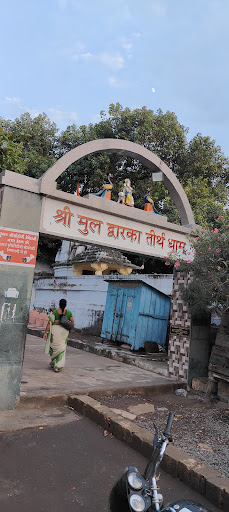
Mul Dwarka (also known as Mool Dwarka) is a coastal village in the Devbhoomi Dwarka district of Gujarat, India. It is located about 45 km from Somnath and 175 km from Porbandar. The village is believed to be one of the three claimants of the original Dwarka mentioned in the Mahabharata, the other two being Bet Dwarka and Dwarka city.
Mul Dwarka is a popular pilgrimage site for Hindus, as it is believed to be the place where Lord Krishna first established himself after leaving Mathura. The village is home to a number of temples dedicated to Lord Krishna, including the Mul Dwarka Temple, which is said to house the footprints of Lord Krishna.
In addition to its religious significance, Mul Dwarka is also known for its beautiful beaches and its rich history. The village was once a flourishing port city, and there is evidence of ancient trade routes that passed through the area.
Some of the notable attractions in Mul Dwarka include:
Mul Dwarka Temple: This temple is dedicated to Lord Krishna and is said to house his footprints. Vrajkund: This is a sacred pond that is believed to have been created by Lord Krishna himself. Devlok: This is a small island that is said to be the home of the gods. Samudra Dwaja Tirth: This is a holy site where Lord Krishna is said to have planted a flag in the sea. Adishwar Temple: This temple is dedicated to Lord Vishnu and is one of the oldest temples in Mul Dwarka. Mul Dwarka is a beautiful and historic village with a lot to offer visitors. It is a great place to experience Hindu culture and to learn about the history of the region.
Here are some tips for visiting Mul Dwarka:
The best time to visit Mul Dwarka is during the winter months (October to March), when the weather is pleasant. The village is small and easy to get around on foot. There are a number of hotels and guesthouses available in Mul Dwarka. The village has a number of restaurants that serve both vegetarian and non-vegetarian food. If you are interested in learning more about the history of Mul Dwarka, there are a number of guides available who can provide you with...
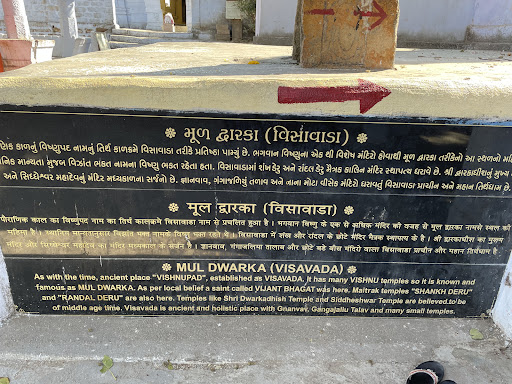
Read moreMul Dwarka (मूल द्वारका) (also Mool Dwarka, Mool Dwarika, Mul Dwarika) is a village in Junagadhdistrict in Gujarat. Mul Dwarka is a small seashore village near Kodinar, a historic place of the original Dwarka of Mahabharata. Marine archaeological explorations have found many artifacts that date to the 10th century AD (Sampura,1968). One find, an ancient temple, is a circular structure about 4 meters high, constructed of dressed limestone blocks. Locally, this structure is called Diva Dandi (lighthouse). If the structure is a lighthouse, it may be the oldest lighthouse remains on the Saurashtra coast.
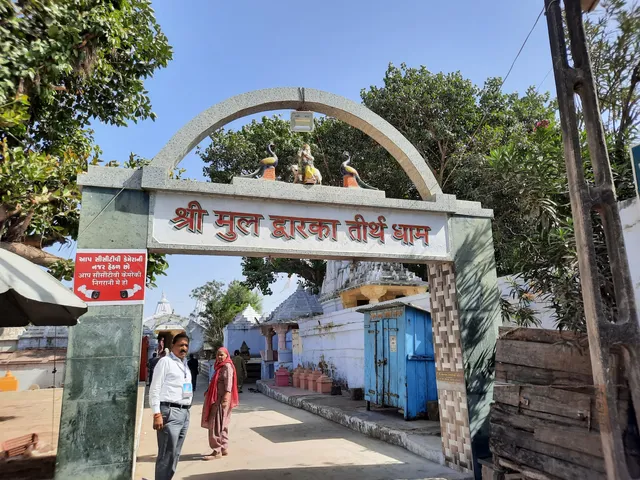
The Mul Dwarka Shiva Temple ,Mul Dwarka is believed to be the first place where Sri Krishna and his party stopped when they came from Mathura. It lies about 75 km from Dwarka at a place called Visavada closer to Porbandar.
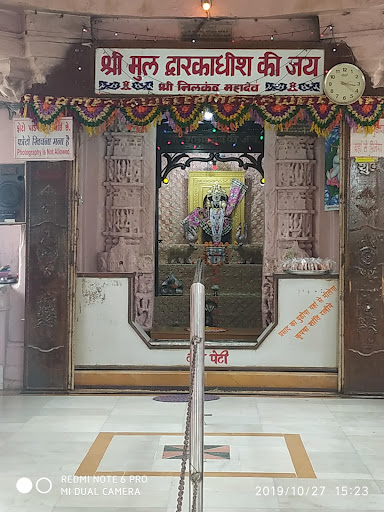
There is a small temple complex here. There are temples dedicated to Shiva as Neelkanth Mahadev and Siddheshwar Mahadev. And there is a pair of temple one dedicated to Ranchor Rai – as Krishna is known in Saurashtra and another to Shiva. What I liked about these temples is that they are made in typical Nagar style temple architecture and Panch-Ratan sub style and they are as they must have been built. There are spaces for people to sit inside the temple.
The interesting feature here is a 13th CE L shaped stepwell called Jananvyapi. Does that remind you of Jnana Vapi well in Varanasi? There are covered pavilions around this stepwell. I could see the sculptures of Brahma, Vishnu and Surya placed in niches leading to the stepwell. A pavilion on top would be kept cool by the waters of the Vav or stepwell.
Jai...
Read moreMul Dwarka is a small seashore village near Kodinar, a historic place of the original Dwarka of Mahabharata. Marine archaeological explorations have found many artifacts that date to the 10th century AD (Sampura,1968). One find, an ancient temple, is a circular structure about 4 meters high, constructed of dressed limestone blocks. Locally, this structure is called Diva Dandi (lighthouse). If the structure is a lighthouse, it may be the oldest lighthouse remains on the Saurashtracoast.
Archaeologist have found many artifacts, including ancient achors and a medieval well with potable water near the jetty. Another site, Mul Dwarka, dates from the Dwarka of Mahabharata period and has been surveyed extensively for submerged archaeological remains. Remains of the ancient port of Mul Dwarka have been destroyed by construction of a cement jetty. However, discovery of a composite stone anchor and report on some grapnel type anchors from Mul Dwarka suggest that this was also an active port in historical times. An ancient lighthouse may date to the 12th-15th century AD—another indication of active maritime activities.
A tidal river—blocked by a sand bar that may be caused by a cement jetty—flows on the western side of Mul Dwarka village. Archaeological findings from Mul Dwarka suggest that this was a historical period settlement and was very active port during the medieval period. This site also show the presence of Harappan and late Harappan settlement, for example, Kindar Kheda near Mul Dwarka (Visawada) and Kanjetar and which dates to around the 10th to...
Read more