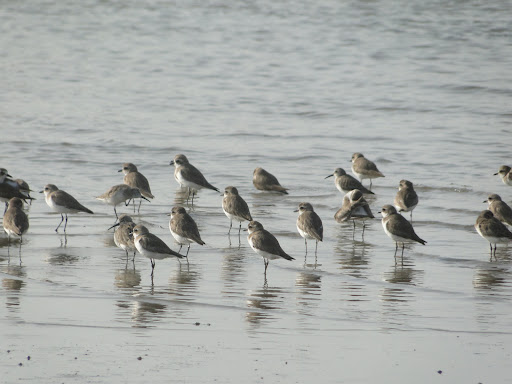
Highly under-rated spot to say the least. It's a stretch of place where you're able to walk on the ocean floor and interact with sea creatures up close.
The visit should be planned according to the tide timings. The ocean floor is accessible when the sea level recedes to a knee deep height. This is usually in the morning around 9-11am. You can check with a guide one day before arrival and he'll recommend the best time to visit.
A guide is something you cannot skip at this venue for two things: 1. You should know the timing of the tide to actually enter the sea, which the local guides will be aware of. 2. You will not be able to find the sea creatures yourselves, atleast not quick enough.
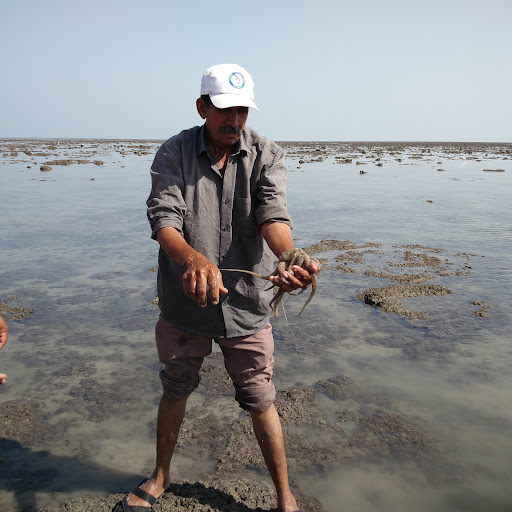
You will find variety of octopuses, starfish, anemone, corals, sea sponges, crabs and fishes. The guide will catch some of these and show you these up close. You can even hold them if you wish. Note that you're not permitted to take any of the creatures or corals back home; this being a sanctuary.
The guide costed us rs.500. Guide price is the same irrespective of the size of your group. But I'd suggest you hire more guides if you have a large group, if you can afford it - just because the guides are locals and this is one of the few revenue sources for the guys. The entry ticket was rs.50 per person. Additional charge of rs.200 for DSLR or action cameras.Washrooms.are available, not very clean though. It's a 1.5 hour drive from Jamnagar city. The roads are excellent except for the last stretch. The last 7-8 kilometres are village roads, and the final 3 kilometres are non tarmac roads, so be wary of it.
Goes without saying you'll need footwear that you can use in water. Used shoes the first time, had beach sand and stones in then. The second visit I wore slippers - need to be a bit more careful while walking in slippers, but else it's convenient. Barefoot is not an option because it is slippery at places, and has rocks at other.
I've visited the place twice in a gap of 8 years and the coral count seems to have significantly reduced. This may be an effect of climate change, which seems to be rapidly gaining momentum. If you're in Jamnagar, I don't see any reason why you should skip this place. One can visit this place after breakfast in the city, and still be back in the city by lunch.
Though this place is a state run sanctuary without any state of the art facilities, I would still recommend a visit solely based on the unique experience it provides.
NOTE- while you're walking on the ocean floor, please make sure you're watching where you're stepping. The creatures have adapted to camouflage and hence you might not notice crabs or octopuses quickly and may step on them by mistake. Follow your guide's trail and keep a look out for creatures...
Read moreNarara Reef is a coral reef located off the coast of Narara Island in the Marine National Park of Gujarat, India. It is part of the Gulf of Kutch and is renowned for its diverse marine life, vibrant coral formations, and pristine underwater ecosystems.
Key points about Narara Reef:
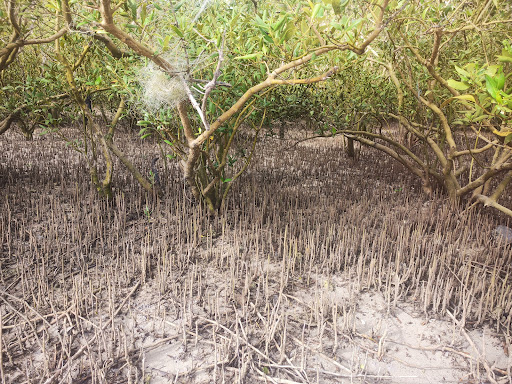
Location: Narara Reef is situated in the Marine National Park, which spans an area of approximately 162 square kilometres along the coastline of Gujarat. The park encompasses several islands, coral reefs, and mangrove forests, making it a biodiversity hotspot in the region.
Coral Reef: Narara Reef is one of the prominent coral reefs in the Marine National Park and is known for its rich biodiversity. The reef is home to various coral species, including hard corals, soft corals, and colourful coral formations. It provides habitat and shelter for numerous marine organisms, including fish, crustaceans, molluscs, and sea turtles.
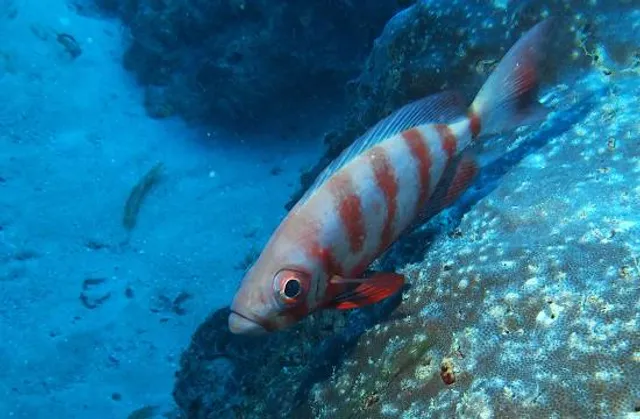
Marine Life: The waters surrounding Narara Reef teem with marine life, making it a popular destination for snorkelling, scuba diving, and underwater exploration. Divers can encounter a diverse array of aquatic species, including reef fish, rays, eels, sea cucumbers, and octopuses, among others.
Conservation: Narara Reef and the Marine National Park are protected areas managed by the Gujarat Forest Department to conserve and preserve the region's unique marine ecosystems. Efforts are made to regulate tourism activities, prevent pollution, and promote sustainable practices to ensure the long-term health and viability of the reef and its surrounding environment.
Tourism: Narara Reef attracts nature enthusiasts, adventure seekers, and marine enthusiasts from around the world who visit to experience the beauty and diversity of its underwater world. Tour operators offer guided snorkelling and diving excursions to explore the reef and observe its marine inhabitants up close.
Accessibility: Narara Reef can be accessed via boat from nearby coastal towns such as Jamnagar and Dwarka, which serve as gateways to the Marine National Park. Visitors can arrange boat tours and guided expeditions to explore the reef and other attractions within the park.
Overall, Narara Reef is a pristine marine ecosystem that showcases the natural beauty and biodiversity of Gujarat's coastal waters. Its vibrant coral reefs, clear blue waters, and diverse marine life make it a unique destination for underwater exploration and...
Read moreThe placid waters adjoining the entire shoreline of the Jamnagar district and the islands that dot the coast are collectively designated as a Marine National Park. Some of these islands are accessible from Jamnagar, easiest among them being Narara Bet. A trip to Narara had long been on my to do list.
On a later visit, it happens in fortuitous fashion through a random query directed at a cabbie about directions, information and the like. It turns out that he belongs to a family that had been staying at the entry point of Narara for over 30 years, in what I later find to be a middle-of-nowhere with not even a shack for miles. As awareness about the place grew, the powers that were had swooped in to take notice and soon recognition followed. The family had stuck to their place however and were now the unofficial caretakers of a vast and unique seascape. I say recognition with some reservations however, since Marine National Park is still not likely to feature in the average conversation about flora and fauna in Gujarat. Gir, Blackbuck and Rann of Kutch would be the dominant names.
Such relative anonymity serves someone looking for a quiet interaction with environs quite well as the place bears the air of an untouched paradise. One can wade through waters that graduate from ankle deep to thigh deep and observe marine life in the company of a naturalist. Crabs abound, holed up in the shelter of rocks. The spider crab with the many thorns on its skin is a prickly creature to hold in one’s palm. The withdrawal of the sea anemone into the soft seabed upon touch is a wondrous thing to behold. Corals, in addition to being such an important cog in the ecosystem, add glitter and pattern to the water surface. Wading proves immensely addictive and we zone in on an octopus the size of a hand after two hours of journeying further into the gulf. It seems to gain in colour once out of water. Its release of colour upon being released into the water again is a natural science lesson at close quarters. Only exhaustion after a four-hour excursion in these waters proves a detriment to further exploration.
If you're anywhere in the vicinity of Rajkot / Jamnagar / Dwarka / Junagadh / Somnath, this is unmissable. It is the opportunity to acquaint oneself with an ecosystem that for the most part eludes us regular folks...
Read more