Holiday in India
Navlakha Temple, Ghumli, Gujarat
November 6, 2023Expert Gujarat
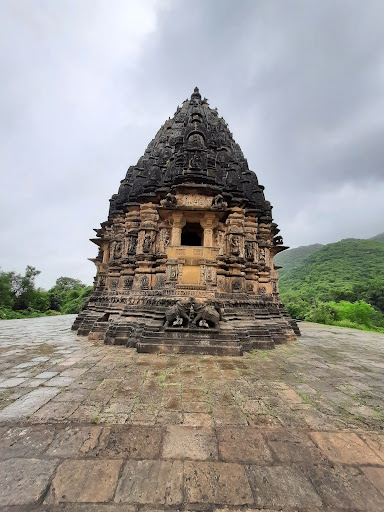
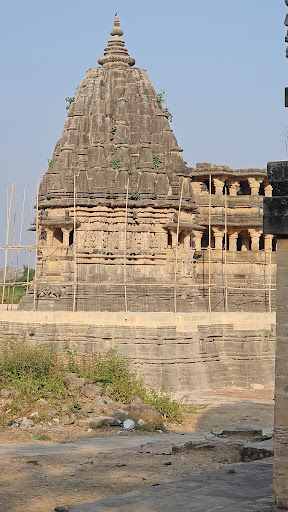
Navlakha Temple, located in Ghumli, Gujarat, is a magnificent testament to the rich cultural and architectural heritage of India. This ancient temple, dedicated to Lord Krishna, stands as a remarkable example of Solanki architecture, with its intricate carvings and ornate design. The temple’s name, “Navlakha,” signifies the significant cost of its construction, and it is adorned with detailed sculptures depicting scenes from Hindu mythology. The stunning torana, featuring tales from Lord Krishna’s life, is a highlight of this historical site. Visiting Navlakha Temple provides a captivating glimpse into the artistic and religious history of the region, making it a must-see destination for those interested in India’s cultural treasures.
Navlakha Temple, Ghumli, Gujarat
Location
Navlakha Temple is situated in the village of Ghumli in the Devbhoomi Dwarka district of Gujarat, India. Ghumli is a serene and historically significant village located in the western part of the state. This location, surrounded by picturesque landscapes, adds to the charm of the temple complex.
History
Navlakha Temple is believed to have been built in the 11th century during the Solanki dynasty’s reign, a period known for its architectural brilliance. The Solanki dynasty, also known as the Chalukyas of Gujarat, made significant contributions to the region’s art, culture, and architecture. The temple is dedicated to Lord Krishna and features exquisite carvings and sculptures that reflect the ancient craftsmanship and artistic skills of the time.
The name “Navlakha” is derived from the term “Nav” meaning “nine” and “Lakha” referring to “one hundred thousand.” It is believed that the temple was constructed at a cost of nine lakhs of kori, an ancient Indian currency. This name reflects the grandeur and significance of the temple during its time.
The temple complex comprises a central shrine surrounded by a courtyard and several smaller shrines. Each of these structures is adorned with intricate carvings and sculptures that depict various episodes from Hindu mythology. The main deity of the temple is Lord Krishna, who is worshipped in his infant form as Lord Krishna (Bal Krishna).
The temple’s historical importance extends to the fact that it was one of the five major temples in the Ghumli region during the Solanki dynasty’s rule. The others include the Somnath Temple, Nageshwar Temple, Dwarka Temple, and Dakor Temple. These temples collectively played a crucial role in shaping the religious and cultural landscape of the region.
Timings
Navlakha Temple is open to visitors throughout the year. The general timings for a visit to the temple are as follows:
Morning: 6:00 AM to 11:00 AM
Evening: 4:00 PM to 7:00 PM
It is advisable to confirm the timings before your visit, as they may be subject to change during festivals or special occasions. The temple can get crowded during peak pilgrimage seasons, so arriving early in the morning or later in the evening can provide a more peaceful and contemplative experience.
Best Time to Visit
The best time to visit Navlakha Temple in Ghumli largely depends on your preferences and weather conditions. However, to make the most of your visit, consider the following factors:
Winter (October to February): This is the most pleasant time to visit Ghumli and Navlakha Temple. The weather is cool and comfortable, making it ideal for exploring the temple complex and its surroundings. The cultural and religious festivals that fall during this period, such as Diwali and Makar Sankranti, add a special charm to the experience.
Monsoon (June to September): While the monsoon season brings lush greenery to the region, it is advisable to check weather conditions before planning your visit. Rainfall can make the roads slippery and access to the temple complex challenging. However, the landscape becomes incredibly scenic...
Read more
 Learn more insights from Wanderboat AI.