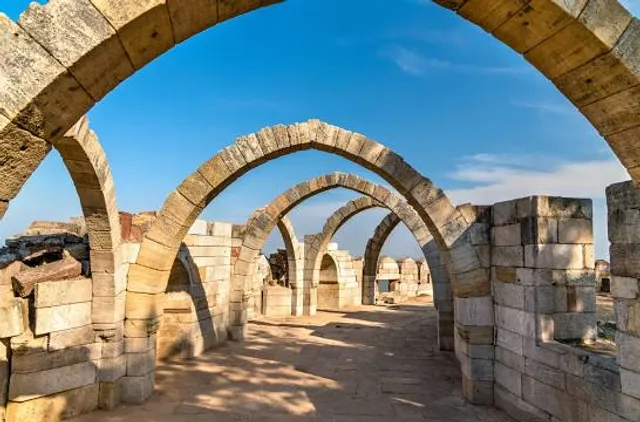
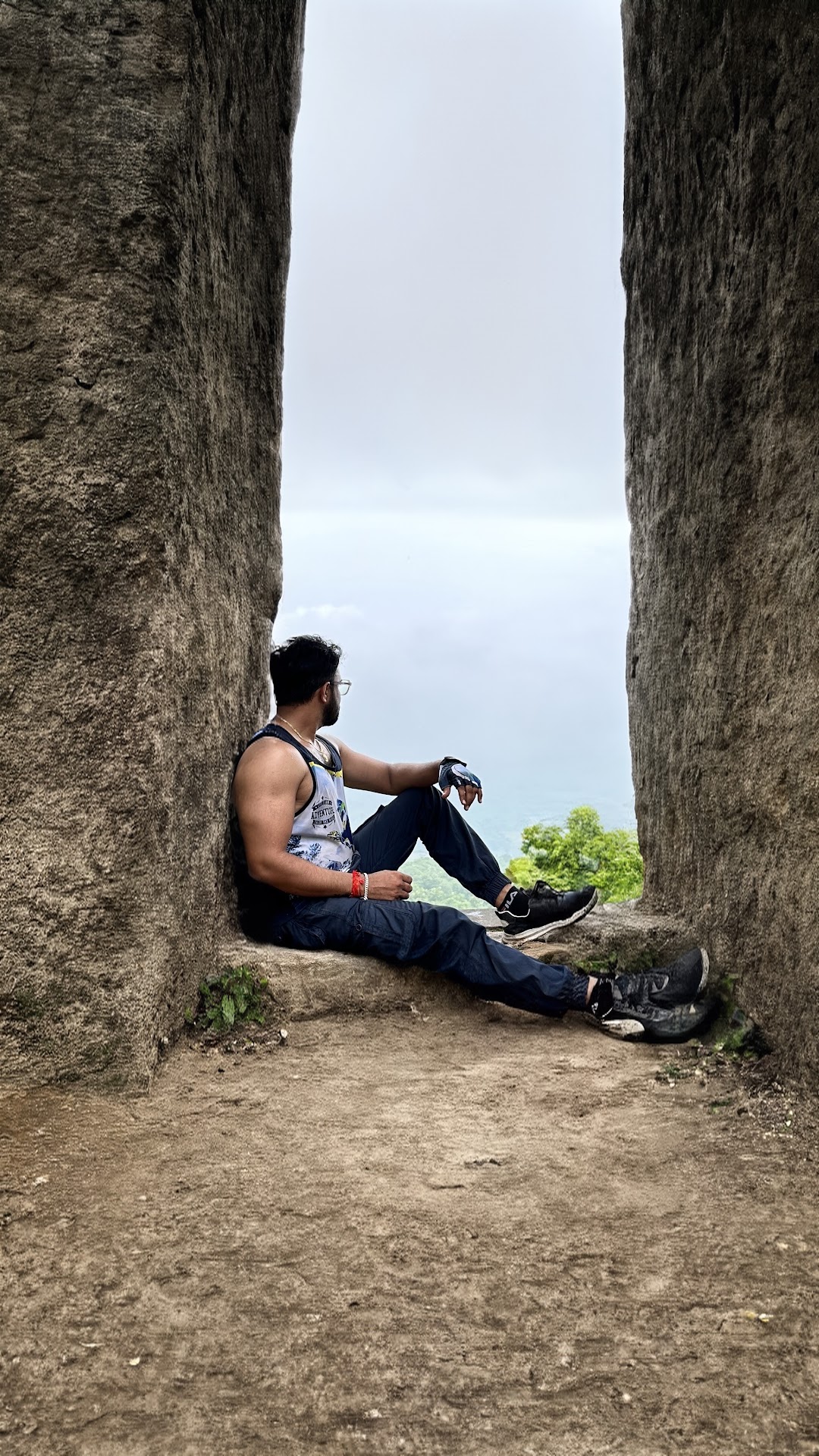
Saat Kaman, located along the Pavagadh Hill Road, is a historical marvel that encapsulates the rich heritage and architectural splendor of the region. Translating to "Seven Arches," Saat Kaman stands as an architectural remnant of the bygone era, symbolizing the cultural legacy of Gujarat.
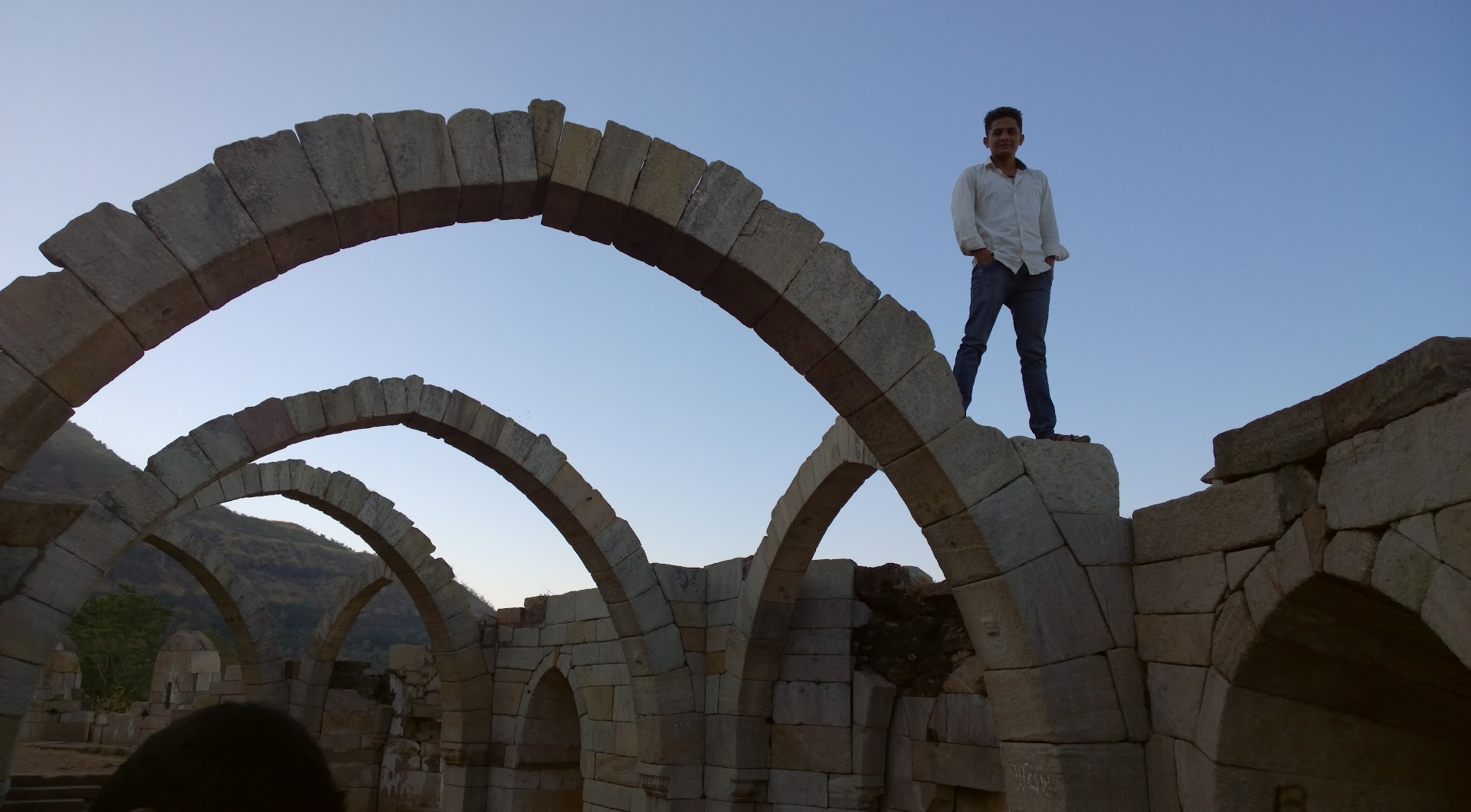
The structure of Saat Kaman comprises seven intricately designed arches, each exuding a timeless charm and intricate craftsmanship. These arches serve as a reminder of the erstwhile grandeur and hold historical significance, captivating visitors with their elegant yet robust design.
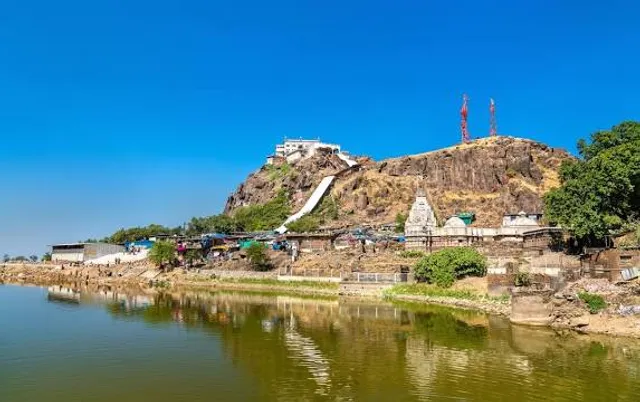
The scenic drive along Pavagadh Hill Road leading to Saat Kaman offers breathtaking views of the surrounding landscapes, enhancing the overall journey to this historical site. As visitors approach the arches, they're greeted by a serene ambiance that resonates with echoes of the past.
The historical importance of Saat Kaman adds depth to the visitor's experience. The arches, believed to have been a part of a grand entrance to a palace or monument, evoke a sense of curiosity and admiration for the architectural prowess of the era.
While the site itself does not offer extensive facilities, its historical significance and picturesque surroundings make it an ideal stop for history enthusiasts, photographers, and those seeking a glimpse into Gujarat's rich cultural heritage.
Exploring Saat Kaman along the Pavagadh Hill Road is not just a visit to a historical landmark; it's a journey through time, offering a glimpse into the architectural magnificence and historical depth of Gujarat's past. Visitors are encouraged to appreciate and respect the historical value of this site while enjoying the scenic beauty it offers...
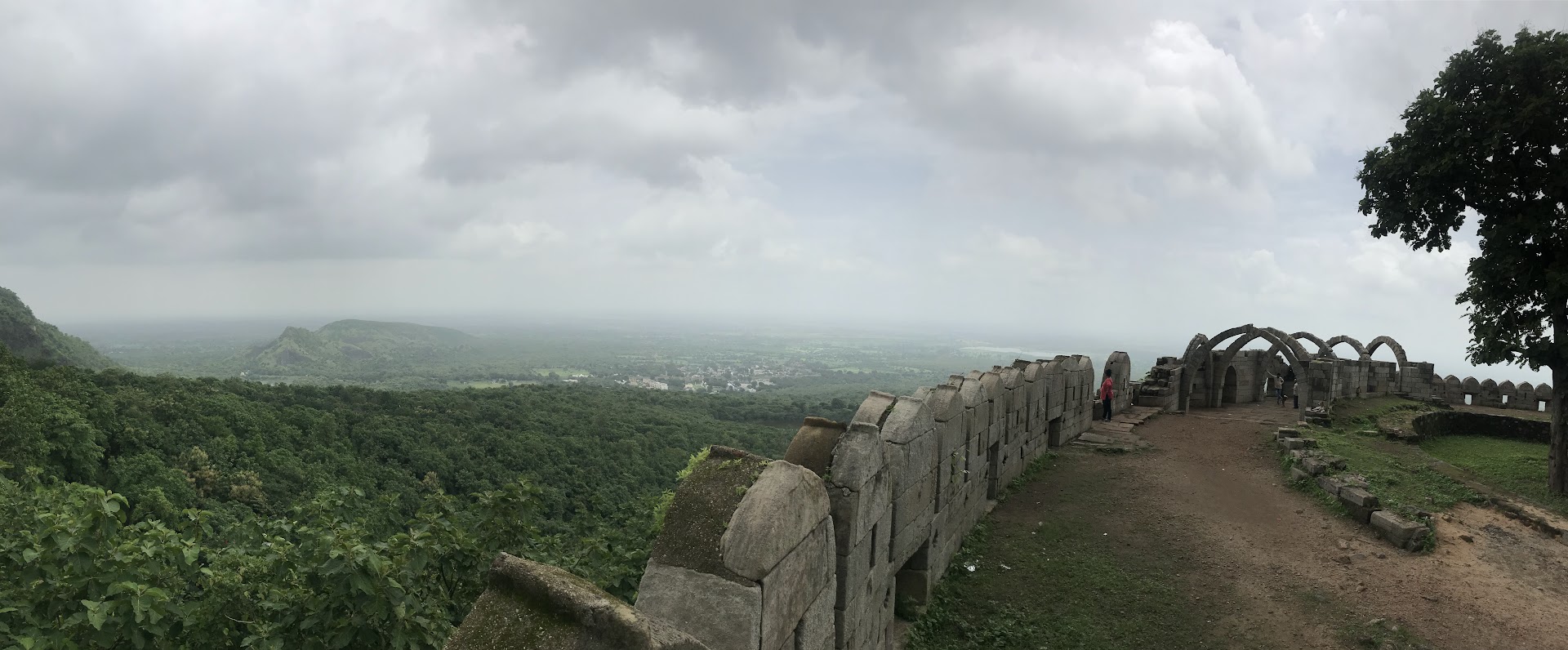
Read moreThe Saat Kaman, or "Seven Arches," is a captivating monument on the way to Pavagadh. This protected structure is a testament to the grand architectural vision of the Gujarat Sultanate. It stands as a powerful example of the historical buildings that made Champaner-Pavagadh a UNESCO World Heritage Site. This monument is an amazing example of stonework. The arches are constructed with precisely cut, interlocking stones, with minimal use of mortar. A single, wide keystone at the top secures each arch, a unique design that has withstood centuries. While one arch has been lost to time, the remaining six stand as a tribute to ancient engineering. The site is more than just a ruin; it offers a beautiful view of the surrounding landscape. From the arches, visitors can look out over the heritage forest below, a scenic view that combines natural beauty with historical significance. The serene atmosphere makes it a perfect stop for those seeking a tranquil and reflective experience. For tourists, the Saat Kaman is a must visit for its historical importance and architectural beauty. Located near other attractions like the Sat Manzil, it provides a fascinating glimpse into the rich history of the area and...
Read moreThis is a beautiful archeological monument which is enroute while going to Pavagadh. Sat Kaman means Seven Arcs or Seven Bows in English. It seems like a galleria of ancient times. The complete structure seems quite big since it's part of fort and there must be many rooms, halls and passages beneath and Sat Kaman is actually a terrace part of that structure. The entire structure can't be seen now and you can take a walk there. The area beneath has got filled with soil and mud over a period of time. The entry to that area is visible from outside. I had asked local guard about it and he confirmed my logic. I think if the tourism or archeological dept opens up the area beneath, everyone will be able to see it as a whole Overall a quiet place. Wind is awesome. Sitting next to the balcony is wonderful experience. Since this location is on hilly area, you can enjoy scenic view. Carry your food and water as there's no shop near by. Please don't litter. Thanks...
Please: -Be humble and be nice to people... -Be a responsible citizens and take care of your self and surroundings... -Spread Love & Happiness, Keep Smiling and Embrace Life...You are...
Read more