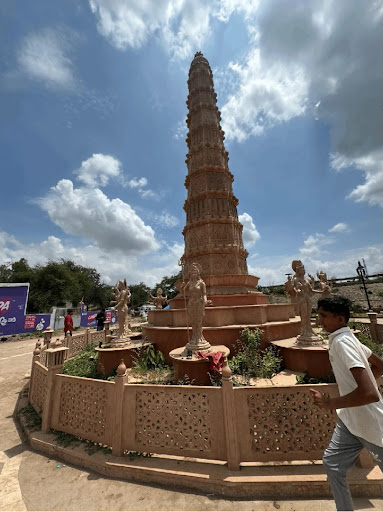
Ashapura Mata templeedit]
Goddess Ashapura The temple was built in the 14th century by two Karad Vanias, Ajo and Anagor. They were the ministers in the court of the father of Lakho Phulani. The temple was damaged by the earthquake in 1819. The temple was rebuilt by Sundarji Shivji and Mehta Vallabhaji, two Brahmakshatriya in 1823 (Samvat 1880).[2 The temple is 58 ft. long, 32 ft. wide and 52 ft. tall. Except that it has a passage for walking round the deity, it is much the same as the temple at Koteshwar.1] The temple was damaged again by the earthquake in 2001 but was repaired again.[2
The image of Ashapura Mata in the shrine is a red-painted stone, about six feet high and six feet broad at the base, narrowing to a point in a shape, with some rough likeness to a human form. It is said to have come from Jashod in Marwar. Here every year during the Navaratri, the Rao of Cutch used to offer a sacrifice of seven male buffaloes.1] The practice of animal sacrifice has been stopped.[5]
Connected with this temple are two classes of people known as Bhuvas and Kapadis, who; though now very different, are said to be sprung from two brothers. The Bhuvas, though not devotees, enjoy the temple revenues and live a life of ease in the village. They (1827) marry, wear long beards, and eat with all except the lowest castes. The Kapadis are devotees who do not marry, wear no hair on their faces, and eat only among themselves. According to their own account, they came from Gujarat around 1100 CE, and of this, they say, they had evidence as late as the battle of Jara (1762), when, leaving their villages, they lost their records. They are chiefly Lohanas, but all, except outcastes, are allowed to join. Around 1680, the succession to the headship of the monastery was disputed, and, on reference to the Rao, it was decided that one of the claimants should be head or Raja, and the other with the title Rorasi be head elect. This custom has ever since been kept up. The Raja and all, except twenty-five Kapdis, live in one court and take their meals together. The Rorasi with his twenty-five disciples lives separate but receives every necessary of life from the Raja's house. If the Rorasi dies, the eldest of his disciples succeeds. If the Raja dies the Rorasi succeeds and the eldest of the Raja's disciples becomes Rorasi. The Raja is treated with much respect and had the privilege of receiving the Rao of Cutch sitting. In past, they owned and held the revenues of the villages of Madh, Netraj, Murchbanu, Kotda, and Dedarani.[1] There are also subordinates priests of Chauhan, who performs pooja of the deity.[4
There is a legend associated with Mian Ghulam Shah Kalhoro of Sindh. In 1762, when his army attacked this temple, his soldiers became blind by the curse of Ashapura. Then, Ghulam Shah took a swear to set up a huge bell in the temple. Finally, his soldiers regained their sight and Ghulam Shah kept his words. The huge bell still stands there in the temple.4]
Jamadar Fateh Muhammad, the military leader of Cutch State, had presented this temple with a deepmala weighing 2 kg silver, and with 41 lamps carved in it.[2]
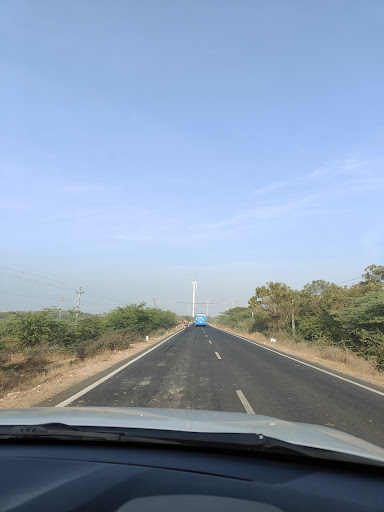
Thousands of devotee from Gujarat and other states visit the temple during auspicious days of Chaitra Navaratri and Ashvin Navaratri of which the later hold more significance.[2 Camps and relief facilities are set up around the road leading to Mata no Madh, every year for this...
Read more#Blessing #Kuldevi #Jadeja
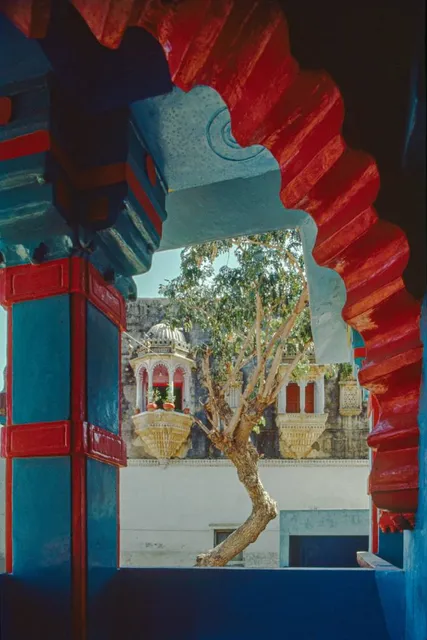
Maa Ashapura temple of Kutch is one of the most sacred shrine of Gujarat and specifically of Kutch from ancient time. Kuldevi Of Rajputs Community With First Name CHAUHAN'S And JADEJA'S Temple is well maintained by Mata no madh Trust...Ashapura Ma is believed to be chief deity of Jadeja the rulers of Kutch state and now well known as Mata No Madh. Thousands of devotee of Goddess visit here around the year and especially during the Navratri when many people reach here on feet. As name of Goddess Ashapura mean the deity who fulfil all the wishes of devotee.
Many tales behind this holy shrine, one of the most popular and authentic one is, around 1500 years ago Devchand Vaniya of Rajathan reached here in Kutch for selling his wares. He spent nine days here at present shrine as he was great devotee of Goddess Ambe with wish of child. During this stay, Goddess came in his dream and asked to build temple here and instructed that after completion of construction just close the door for six month. During this time Goddess would establish herself therein. As Devchand started hearing the sounds of celestial music after sunset and during the night he could not be patient and opened the door before six months. He found that deity stands on her knees in the pose in the midst of her attempts to stand up as goddess appears today. Then Devchand built temple over this and goddess fulfil his wish to have child. Over the time may be temple was damaged many times and also renovated or rebuilt over the period by various rules of Kutch, Gujarat. Every year during both major Navratri, many people from all around Gujarat, comes to the temple, and many people from Kutch go by there feet By walking. The Mahant or Raja observed fast during Navratri and arranged the Yagya at midnight of the seventh Saptami day. On the next day the main ritual is performed by the Maharao or any other member of the former ruling family of Kutch.
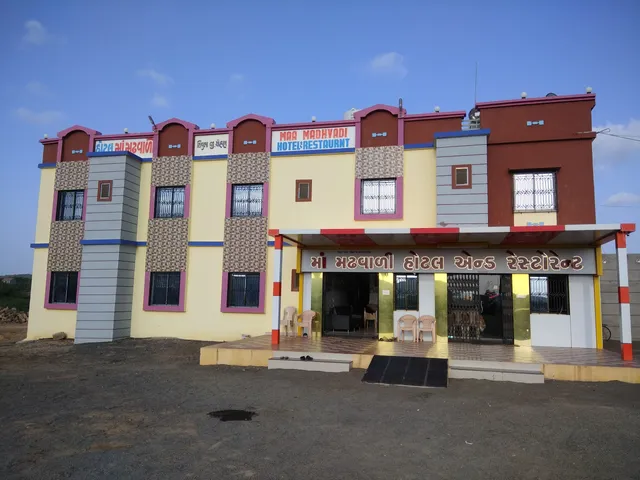
As thousands of devotee and tourist visits Mata no Madh with great faith in goddess Ashapura around the year. Temple trust manages various facilities like accommodation, food and rituals for devotee. Shri. Matana Madh Jagir Trust also manages the Gaushala and various education related activities. This is how devotee and tourist must have to visit Mata No Madh, near Bhuj and Lakhpat of Kutch Gujarat and get blessings of goddess Ashapura Mata. Tourist also can plan to visit Rann Utsav – festival of white desert of Kutch held during the November to February month every year by Gujarat Government. Best place 🙏😍🙌Just seeing the place gives peace of...
Read moreA Modern Pilgrimage Marvel with a Heart of Tradition The Ashapura Mataji Temple at Mata Na Madh is an absolutely must-visit for anyone seeking a blend of spiritual solace and modern convenience. I've had the pleasure of visiting numerous religious sites across India, and this temple stands out for its exceptional management and thoughtful infrastructure. The newly constructed temple premises are a game-changer. The entire area is spacious and well-organized, making the pilgrimage experience far more pleasant. The most noticeable improvement is the ample parking, which is a huge relief, especially for those traveling by private vehicle. This single feature significantly eases the pre-darshan stress. What truly impressed me was the attention to accessibility. The temple has clearly invested in creating a welcoming environment for all. Wheelchair entry is readily available, ensuring that people with special needs can visit and pray with dignity and ease. It's a small detail that speaks volumes about the compassion behind the temple's administration. The improved crowd management is also top-notch, with clear pathways and a logical flow that prevents bottlenecks even during peak hours. For those planning to stay, the temple offers on-site accommodation rooms. I found that these rooms are relatively easy to get during weekdays, but for weekends and especially during festive days like Navratri, prior booking is absolutely essential. It's a testament to the temple's popularity, and planning ahead will ensure you have a comfortable and convenient stay. Beyond the excellent facilities, the core of the experience remains deeply spiritual. Standing before Ashapura Mataji is a profoundly moving experience. The divine energy and the serene atmosphere of the sanctum sanctorum provide a powerful sense of peace and devotion. It's a place where you can truly connect with your faith and feel the blessings of the goddess. Overall, the Ashapura Mataji Temple is a shining example of how a sacred site can evolve to meet the needs of modern devotees without losing its spiritual essence. Highly recommended for a deeply rewarding and...
Read more