HTML SitemapExplore
logo
Find Things to DoFind The Best Restaurants

Shri Mandavrayji Dada Temple (Sun Temple) — Attraction in Gujarat

Name
Shri Mandavrayji Dada Temple (Sun Temple)
Description
Nearby attractions
Shree Swaminarayan Mandir Muli
Muli, Gujarat 363510, India
Nearby restaurants
Nearby hotels
Ambika Nivas Palace
GJ SH 21, Muli, Gujarat 363510, India
Related posts
Keywords
Shri Mandavrayji Dada Temple (Sun Temple) tourism.Shri Mandavrayji Dada Temple (Sun Temple) hotels.Shri Mandavrayji Dada Temple (Sun Temple) bed and breakfast. flights to Shri Mandavrayji Dada Temple (Sun Temple).Shri Mandavrayji Dada Temple (Sun Temple) attractions.Shri Mandavrayji Dada Temple (Sun Temple) restaurants.Shri Mandavrayji Dada Temple (Sun Temple) travel.Shri Mandavrayji Dada Temple (Sun Temple) travel guide.Shri Mandavrayji Dada Temple (Sun Temple) travel blog.Shri Mandavrayji Dada Temple (Sun Temple) pictures.Shri Mandavrayji Dada Temple (Sun Temple) photos.Shri Mandavrayji Dada Temple (Sun Temple) travel tips.Shri Mandavrayji Dada Temple (Sun Temple) maps.Shri Mandavrayji Dada Temple (Sun Temple) things to do.
Shri Mandavrayji Dada Temple (Sun Temple) things to do, attractions, restaurants, events info and trip planning
Shri Mandavrayji Dada Temple (Sun Temple)
IndiaGujaratShri Mandavrayji Dada Temple (Sun Temple)

Basic Info

Shri Mandavrayji Dada Temple (Sun Temple)

JFP5+WCH, GJ SH 21, Muli, Gujarat 363510, India
4.8(450)
Open 24 hours
Save
spot

Ratings & Description

Info

Cultural
Relaxation
Scenic
Family friendly
Accessibility
attractions: Shree Swaminarayan Mandir Muli, restaurants:
logoLearn more insights from Wanderboat AI.

Plan your stay

hotel
Pet-friendly Hotels in Gujarat
Find a cozy hotel nearby and make it a full experience.
hotel
Affordable Hotels in Gujarat
Find a cozy hotel nearby and make it a full experience.
hotel
The Coolest Hotels You Haven't Heard Of (Yet)
Find a cozy hotel nearby and make it a full experience.
hotel
Trending Stays Worth the Hype in Gujarat
Find a cozy hotel nearby and make it a full experience.

Reviews

Nearby attractions of Shri Mandavrayji Dada Temple (Sun Temple)

Shree Swaminarayan Mandir Muli

Shree Swaminarayan Mandir Muli

Shree Swaminarayan Mandir Muli

4.7

(387)

Open until 8:00 PM
Click for details
Get the Appoverlay
Get the AppOne tap to find yournext favorite spots!
Wanderboat LogoWanderboat

Your everyday Al companion for getaway ideas

CompanyAbout Us
InformationAI Trip PlannerSitemap
SocialXInstagramTiktokLinkedin
LegalTerms of ServicePrivacy Policy

Get the app

© 2025 Wanderboat. All rights reserved.
logo

Reviews of Shri Mandavrayji Dada Temple (Sun Temple)

4.8
(450)
avatar
5.0
8y

The story of people of Muli in Gujarat who died to save a partridge

D.J.

The stone memorials of Muli tell the story of over 200 men and women who died to save a partridge.


BIRD PANGS: Recalling the event at the memorial venue

For half a millennium now, the people of Muli, a nondescript town in Gujarat's Surendra nagar district, have revered the partridge and would take it askance were someone to kill one.

But would you expect anything less from a community that sacrificed hundred of lives to save the bird from being killed centuries ago? Once a year, they convene on the outskirts of the town to commemorate the horrifying event of 1474 that lead to the town's tryst with the fowl.

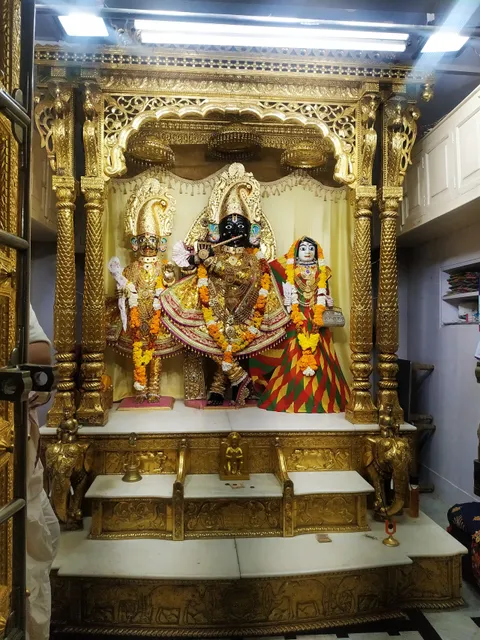
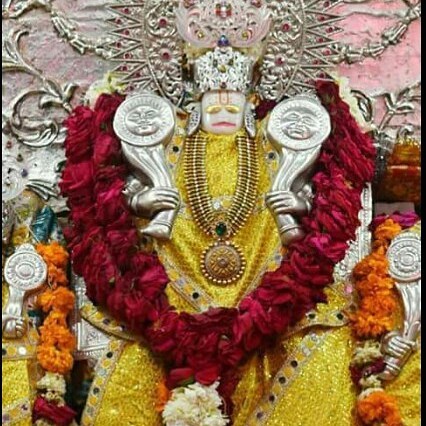
The chain of events had started off on a mundane manner when a partridge, despite being injured, escaped a group of hunters. The Chabad tribal hunters found it in the custody of Jombai, mother of Lakhdhirji, the chief of the Sodha Parmar Rajputs, who were camping at Muli. She had found the bird in her tent, behind the image of Mandavraiji, a symbol of the Sun God and the Parmar's presiding deity.

She refused to hand it over, arguing that the bird had sought sanctuary and she could not go against the Kshatriya custom of providing protection to living beings that sought it. She and her younger son Munjoji offered to compensate the hunters with cows and goats. But the Chabads wouldn't listen.


Muli-Gujarat

All hell broke loose and a battle began. The Sodha Parmar Rajputs had Brahmins, Rabaris (cowherds) and Harijans on their side. Around 200 of them, Munjoji included, died, but not before felling more than 400 rivals in order to save the bird.

Stone memorials in Muli, built for each person who died in the battle, testify to the folly and the moral integrity of that day. The caste identity of those who died fighting on the Parmar side is depicted on each stone palli.

The Parmars are shown with a sword in hand, the Rabaris as riding a camel, while palms stand for the women who were killed. From that day on, Muli's Parmars vowed never to kill a partridge and accorded it a divine standing. Even during times when partridge hunting was rampant and was a favourite pastime among the royals, killing it was banned in Muli.

Says Jitendrasinhji, scion of the ruling family of Muli: "I am proud that my ancestors were associated with one of the noblest acts in human history." Historians have written about the great war over amere partridge, for the uniqueness of the battle moved them as much as the practice of treating alike all living beings that seek protection, be it man or bird.

History

Main article: Muli State

The name "Muli" may refer to either the city or the Indian Princely state of the same name. The Princely State of Muli had an area of 133 square miles (340 km2) and contained nineteen villages in addition to Muli city. The Parmars came to this area from Tharparkar District, now in Pakistan. The Parmars Lakh Dirji named it after a milkmaid who used to deliver milk to Lakh Dirji. The town is famous for the battle fought between the Chabhad and the Parmars for a wounded partridge.[5]Chabhhads wanted possession of the partridge, while the Parmars wanted to provide shelter to the wounded partridge. Later there was a big battle between Parmars and Chabhads, this war having historical importance because 140 Parmars got victory against 500 Chabhads of Sayla. The Parmars, while victorious, were sacked by an army from Sindh Province for providing shelter to some outcasts.

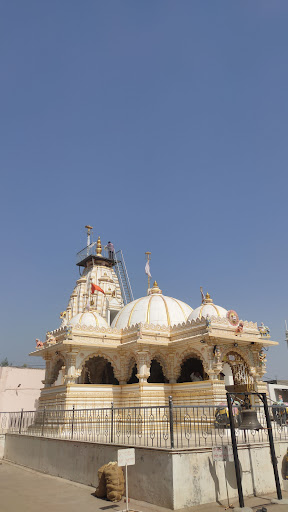
There is a temple of Almighty Sun called "Mandavrayji Mandir," which is also the spiritual center and "Kuldev" of Parmar Rajputs. It is said that one of the Parmar, King Sachoji, was a big donor and worshiper of Mandavrayji. He has a rule of giving anything which is asked of him. Once he was alleged to have been asked to give a lion alive, with the help of Mandavrayji, he was able to fulfill this promise. Till today, this fact remained as popular folklore in...

   Read more

avatar
5.0
4y

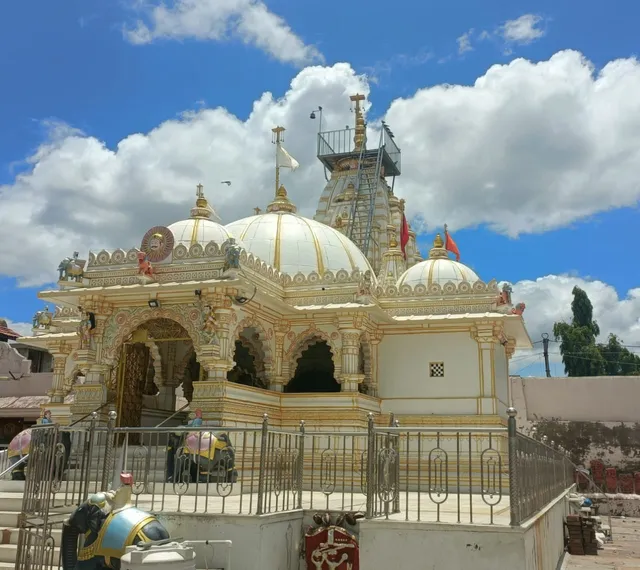
The Muli Princely State had an area of 133 square miles (340 km2) and contained twenty four villages including Muli city. The Parmar rajputs came to this area from Tharparkar District, Sindh, Pakistan. Lakhdhirji Parmar named this Princely State after a milkmaid who used to deliver milk to them. Parmar believes in god "Mandavrayji (Sun god)" thus they have built the big temple of Mandavrayji at the heart of city.

The town is famous for the battle fought between the Chabhad and the Parmars for a wounded partridge. Chabhads were wanted possession of the partridge while Parmars were wanted to provide shelter to wounded partridge, then it was a big battle between Parmars and Chabhads, this war having historical importance because 140 Parmars got victory against 500 chabhads.

From that day on, Muli's Parmars vowed never to kill a partridge and accorded it a divine standing. Even during times when partridge hunting was rampant and was a favourite pastime among the royals, killing it was banned in Muli.

muli prince lakhdhirji given the shelter to some outer cast and saved their daughter from the sumra king of Sindh province who wanted possession of her.

Muli is also known for bounteous king Sachoji Parmar who had given lion alive to charan by the favor of God mandavraiji. This incident is also penned by well-known writer Jhaverchand Meghani in 'Saurashtra ni rasdhar'.

There are 24 villages of parmar rajputs which also termed as...

   Read more
avatar
5.0
1y

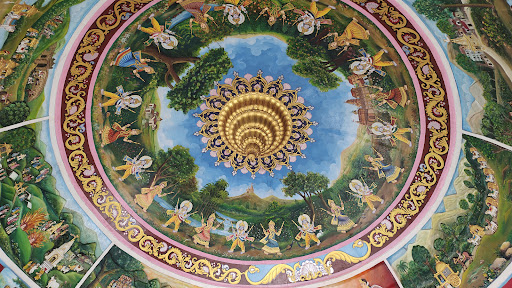
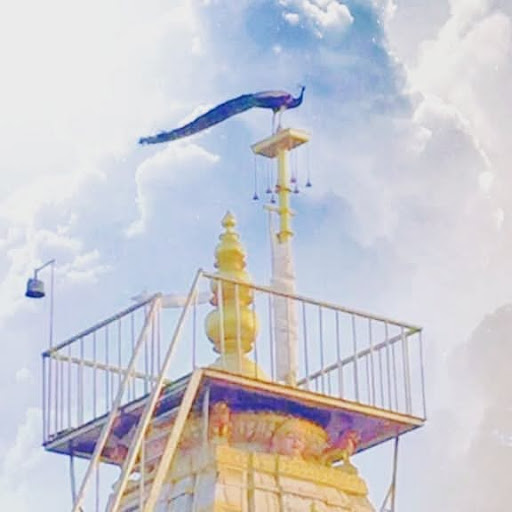
When passing through Muli Village, a must-visit is the Mandavraji Temple, where the divine presence of Lord Mandavraji, also known as the Lord of the Sun, envelops you. It's a profoundly peaceful place, where tranquility and spirituality seamlessly converge.Every evening, as the sun sets, the Mandavraji Temple in Muli Village becomes a serene haven for the Aarti ceremony, attracting graceful peacocks to witness and partake in this divine ritual. Their presence adds a touch of enchantment to the spiritual ambiance, creating a truly magical and...

   Read more
Page 1 of 7
Previous
Next

Posts

Jatinsinh N DodiyaJatinsinh N Dodiya
The story of people of Muli in Gujarat who died to save a partridge D.J. The stone memorials of Muli tell the story of over 200 men and women who died to save a partridge.  BIRD PANGS: Recalling the event at the memorial venue For half a millennium now, the people of Muli, a nondescript town in Gujarat's Surendra nagar district, have revered the partridge and would take it askance were someone to kill one. But would you expect anything less from a community that sacrificed hundred of lives to save the bird from being killed centuries ago? Once a year, they convene on the outskirts of the town to commemorate the horrifying event of 1474 that lead to the town's tryst with the fowl. The chain of events had started off on a mundane manner when a partridge, despite being injured, escaped a group of hunters. The Chabad tribal hunters found it in the custody of Jombai, mother of Lakhdhirji, the chief of the Sodha Parmar Rajputs, who were camping at Muli. She had found the bird in her tent, behind the image of Mandavraiji, a symbol of the Sun God and the Parmar's presiding deity. She refused to hand it over, arguing that the bird had sought sanctuary and she could not go against the Kshatriya custom of providing protection to living beings that sought it. She and her younger son Munjoji offered to compensate the hunters with cows and goats. But the Chabads wouldn't listen.  Muli-Gujarat All hell broke loose and a battle began. The Sodha Parmar Rajputs had Brahmins, Rabaris (cowherds) and Harijans on their side. Around 200 of them, Munjoji included, died, but not before felling more than 400 rivals in order to save the bird. Stone memorials in Muli, built for each person who died in the battle, testify to the folly and the moral integrity of that day. The caste identity of those who died fighting on the Parmar side is depicted on each stone palli. The Parmars are shown with a sword in hand, the Rabaris as riding a camel, while palms stand for the women who were killed. From that day on, Muli's Parmars vowed never to kill a partridge and accorded it a divine standing. Even during times when partridge hunting was rampant and was a favourite pastime among the royals, killing it was banned in Muli. Says Jitendrasinhji, scion of the ruling family of Muli: "I am proud that my ancestors were associated with one of the noblest acts in human history." Historians have written about the great war over amere partridge, for the uniqueness of the battle moved them as much as the practice of treating alike all living beings that seek protection, be it man or bird. History Main article: Muli State The name "Muli" may refer to either the city or the Indian Princely state of the same name. The Princely State of Muli had an area of 133 square miles (340 km2) and contained nineteen villages in addition to Muli city. The Parmars came to this area from Tharparkar District, now in Pakistan. The Parmars Lakh Dirji named it after a milkmaid who used to deliver milk to Lakh Dirji. The town is famous for the battle fought between the Chabhad and the Parmars for a wounded partridge.[5]Chabhhads wanted possession of the partridge, while the Parmars wanted to provide shelter to the wounded partridge. Later there was a big battle between Parmars and Chabhads, this war having historical importance because 140 Parmars got victory against 500 Chabhads of Sayla. The Parmars, while victorious, were sacked by an army from Sindh Province for providing shelter to some outcasts. There is a temple of Almighty Sun called "Mandavrayji Mandir," which is also the spiritual center and "Kuldev" of Parmar Rajputs. It is said that one of the Parmar, King Sachoji, was a big donor and worshiper of Mandavrayji. He has a rule of giving anything which is asked of him. Once he was alleged to have been asked to give a lion alive, with the help of Mandavrayji, he was able to fulfill this promise. Till today, this fact remained as popular folklore in Muli village.
Parthraj ParmarParthraj Parmar
When passing through Muli Village, a must-visit is the Mandavraji Temple, where the divine presence of Lord Mandavraji, also known as the Lord of the Sun, envelops you. It's a profoundly peaceful place, where tranquility and spirituality seamlessly converge.Every evening, as the sun sets, the Mandavraji Temple in Muli Village becomes a serene haven for the Aarti ceremony, attracting graceful peacocks to witness and partake in this divine ritual. Their presence adds a touch of enchantment to the spiritual ambiance, creating a truly magical and sacred experience.
G2graphy By JituG2graphy By Jitu
Mandavrayji mandir in muli. Its a good temple to get peace within you. You feel energized when you visit this temple. . I have visited this temple 4 to 5 times and it is must visited place. . So if you are visiting muli then you must visit mandavrayji temple and get blessing from lord mandavrayji. . It is situated approx 0.5 km from swaminarayan mandir of muli. So would recommend to visit this both temple if you are in muli.
See more posts
See more posts
hotel
Find your stay

Pet-friendly Hotels in Gujarat

Find a cozy hotel nearby and make it a full experience.

The story of people of Muli in Gujarat who died to save a partridge D.J. The stone memorials of Muli tell the story of over 200 men and women who died to save a partridge.  BIRD PANGS: Recalling the event at the memorial venue For half a millennium now, the people of Muli, a nondescript town in Gujarat's Surendra nagar district, have revered the partridge and would take it askance were someone to kill one. But would you expect anything less from a community that sacrificed hundred of lives to save the bird from being killed centuries ago? Once a year, they convene on the outskirts of the town to commemorate the horrifying event of 1474 that lead to the town's tryst with the fowl. The chain of events had started off on a mundane manner when a partridge, despite being injured, escaped a group of hunters. The Chabad tribal hunters found it in the custody of Jombai, mother of Lakhdhirji, the chief of the Sodha Parmar Rajputs, who were camping at Muli. She had found the bird in her tent, behind the image of Mandavraiji, a symbol of the Sun God and the Parmar's presiding deity. She refused to hand it over, arguing that the bird had sought sanctuary and she could not go against the Kshatriya custom of providing protection to living beings that sought it. She and her younger son Munjoji offered to compensate the hunters with cows and goats. But the Chabads wouldn't listen.  Muli-Gujarat All hell broke loose and a battle began. The Sodha Parmar Rajputs had Brahmins, Rabaris (cowherds) and Harijans on their side. Around 200 of them, Munjoji included, died, but not before felling more than 400 rivals in order to save the bird. Stone memorials in Muli, built for each person who died in the battle, testify to the folly and the moral integrity of that day. The caste identity of those who died fighting on the Parmar side is depicted on each stone palli. The Parmars are shown with a sword in hand, the Rabaris as riding a camel, while palms stand for the women who were killed. From that day on, Muli's Parmars vowed never to kill a partridge and accorded it a divine standing. Even during times when partridge hunting was rampant and was a favourite pastime among the royals, killing it was banned in Muli. Says Jitendrasinhji, scion of the ruling family of Muli: "I am proud that my ancestors were associated with one of the noblest acts in human history." Historians have written about the great war over amere partridge, for the uniqueness of the battle moved them as much as the practice of treating alike all living beings that seek protection, be it man or bird. History Main article: Muli State The name "Muli" may refer to either the city or the Indian Princely state of the same name. The Princely State of Muli had an area of 133 square miles (340 km2) and contained nineteen villages in addition to Muli city. The Parmars came to this area from Tharparkar District, now in Pakistan. The Parmars Lakh Dirji named it after a milkmaid who used to deliver milk to Lakh Dirji. The town is famous for the battle fought between the Chabhad and the Parmars for a wounded partridge.[5]Chabhhads wanted possession of the partridge, while the Parmars wanted to provide shelter to the wounded partridge. Later there was a big battle between Parmars and Chabhads, this war having historical importance because 140 Parmars got victory against 500 Chabhads of Sayla. The Parmars, while victorious, were sacked by an army from Sindh Province for providing shelter to some outcasts. There is a temple of Almighty Sun called "Mandavrayji Mandir," which is also the spiritual center and "Kuldev" of Parmar Rajputs. It is said that one of the Parmar, King Sachoji, was a big donor and worshiper of Mandavrayji. He has a rule of giving anything which is asked of him. Once he was alleged to have been asked to give a lion alive, with the help of Mandavrayji, he was able to fulfill this promise. Till today, this fact remained as popular folklore in Muli village.
Jatinsinh N Dodiya

Jatinsinh N Dodiya

hotel
Find your stay

Affordable Hotels in Gujarat

Find a cozy hotel nearby and make it a full experience.

Get the Appoverlay
Get the AppOne tap to find yournext favorite spots!
When passing through Muli Village, a must-visit is the Mandavraji Temple, where the divine presence of Lord Mandavraji, also known as the Lord of the Sun, envelops you. It's a profoundly peaceful place, where tranquility and spirituality seamlessly converge.Every evening, as the sun sets, the Mandavraji Temple in Muli Village becomes a serene haven for the Aarti ceremony, attracting graceful peacocks to witness and partake in this divine ritual. Their presence adds a touch of enchantment to the spiritual ambiance, creating a truly magical and sacred experience.
Parthraj Parmar

Parthraj Parmar

hotel
Find your stay

The Coolest Hotels You Haven't Heard Of (Yet)

Find a cozy hotel nearby and make it a full experience.

hotel
Find your stay

Trending Stays Worth the Hype in Gujarat

Find a cozy hotel nearby and make it a full experience.

Mandavrayji mandir in muli. Its a good temple to get peace within you. You feel energized when you visit this temple. . I have visited this temple 4 to 5 times and it is must visited place. . So if you are visiting muli then you must visit mandavrayji temple and get blessing from lord mandavrayji. . It is situated approx 0.5 km from swaminarayan mandir of muli. So would recommend to visit this both temple if you are in muli.
G2graphy By Jitu

G2graphy By Jitu

See more posts
See more posts