I visited the White Desert during the full moon around Holi with high expectations, but unfortunately the experience was extremely disappointing and poorly managed.
There is very little clear information available online about visiting the White Desert. The online permit system is only for Indian citizens, which immediately creates problems if you are traveling with foreigners. When we reached the area, there were no signs or directions explaining where to obtain the permit. We had to ask many people before finally finding the correct office.
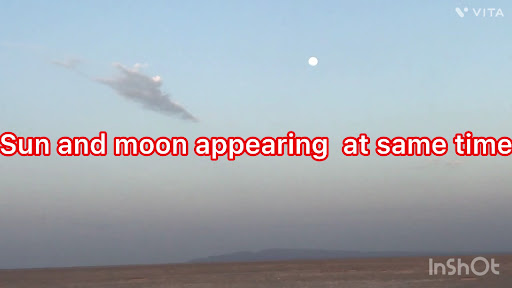
Even after reaching the permit office, the information given to us was incorrect. Since it was a full moon night (Holi), the permit officer told us we would be allowed to enter at 8 PM. However, when we reached the BSF checkpoint, they refused entry. This caused arguments and frustration because many visitors had traveled long distances specifically to see the full moon over the desert.
If you are traveling with foreigners, the process becomes even more frustrating. Despite already providing passport details while obtaining the permit, you have to fill out all the information again at the BSF checkpoint. The entire process feels disorganized and unnecessarily complicated.
Another important thing that is not clearly communicated online is that the โWhite Desertโ is only actually white roughly from November to early February. By the beginning of March, it is mostly brown. People travel there expecting to see the famous white salt desert, but instead find something completely different. There should be accurate seasonal information online so visitors can decide whether it is worth visiting.
We were also approached by camel riders who claimed they could take us 4 km further into the desert to see the โreal white desert.โ This turned out to be misleading. By early March the desert is no longer white, so this felt like a scam. They charge a lot of money and when you point out that the desert is no longer white, they simply do not care.
Cleanliness was another major issue. The area had gutka spit stains and plastic waste everywhere. There were also small artificial water pools that were dirty, full of plastic, and had foul-smelling water. Many tourists, especially elderly visitors, were climbing around these areas and slipping or falling.
Overall, the experience felt chaotic and poorly maintained. Visitors are left wandering around trying to find the โwhite desertโ without proper guidance. If the desert is no longer white, permits should not be issued or at least visitors should be clearly informed beforehand. People travel long distances and spend a lot of money with certain expectations.
It also seems that budget travelers have very limited options. Unless you spend a lot of money on luxury tent packages during Rann Utsav, which apparently have special access and permit arrangements, visiting independently becomes extremely difficult.
This could be an amazing destination if managed properly, but right now the lack of information, poor organization, misleading camel rides, and cleanliness issues make the experience very frustrating.
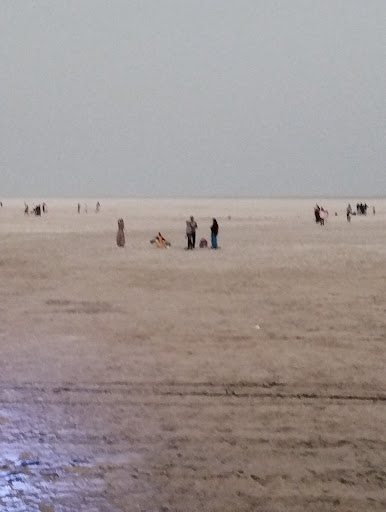
Visit to the White Rann, Kachchh We visited White Rann on January 14, 2025. One has to come to Dhordo (white raan) via Bhuj. This place has been developed for the last 12 years and is growing every year. Accommodation in tents are available at many places close by, but prior booking is advisable. A visit to the specific Rann area is in three parts. First one should reach the main area by own vehicle where parking is available. A large shopping complex is available with many activities for kids. To go further one needs a permit - available on-line as well as off-line. From here one has to get into a shuttle bus which will take you too a few kms deep in the Rann area. From here one can get a camle cart or horse cart to go further a km or two. Of course one can walk down too. The Rann is basically a vast plain area as long as one can see. The initial part is normal brown with shrubs. The White part is crystalline salt left behind by evaporation of sea water which reaches to this area during the highest high tide on December 21 - 23. There is no vegetation in the area. Rann means desert in Gujarati. Basically the Great Rann and the Little Rann of Kachchh are the highest salt producing areas but this Dhorado area has been developed as a tourist area as a novelty and tourists throng the area as the Government of Gujarat celebrates (Ranotsav) Rann festival from December 1 to 28 February every year. Thousands of tourists visit this area every day. The famous Kalo dungar and newly constructed Road to Haven are the other tourist attractions nearby. When we visited there was an unbelievably large crowd. Between 5 to 7 PM there may be close to one lakh people. Though there were occasionally traffic snarls due to few people with davil may care attitude. BSF jawans were alert everywhere. Cudos to the state transport department for arranging a large fleet of buses for shuttle service. Overall an informative and enjoyable experience.
Now a line for tourist behaviour - we visited the area again the next day early in the morning, we were aghast to notice a large amount of plastic waste left behind. I strongly urge the authorities to ban plastic in the area by not allowing any bags in the area or charging tall of rs 50 per bag or any suitable measure. This is my experience over and above information available online.
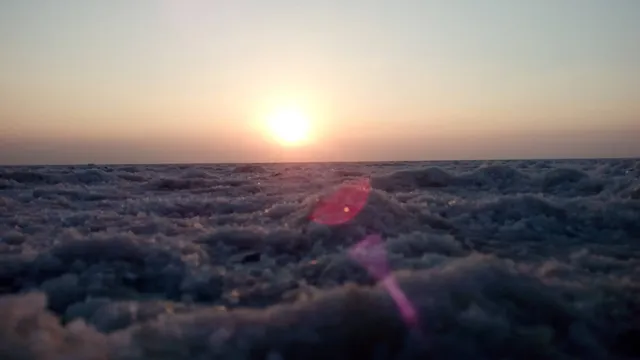
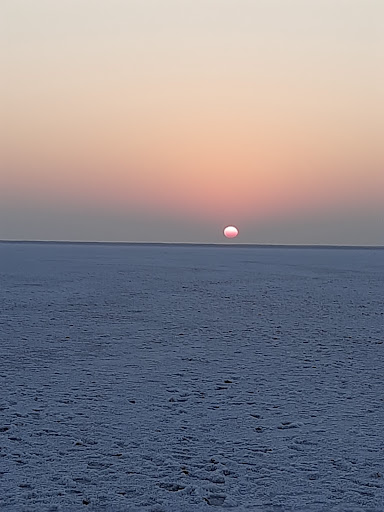
First day we reached the spot at 7pm and the following day at 545 am. It was an unforgettable experience enjoying and absorbing the prestine beauty of this white desert.๐๐๐ It was so serene, jaw dropping whiteness and a treat for the eyes. ๐๐ฅฐ We soaked ourselves in the beauty as the sun rose slowly in all its grandeur, flaunting its bright colors. As we were watching, the blaring red sun slowly transitioned to yellow sun, as it fully positioned itself in the horizon. โ๏ธ๐๐ค๐ ๐๐ฅ We were busy clicking pictures and walked around until our legs were tiring. As I clicked the pics, I just wanted freeze those precious moments into tangible memories. Needless to mention that there is no lens as precise and clear as our own eyes. ๐Not even my Canon camera. ๐๐ธ๐ท๐ฅ๐น I thanked God for his magnificent handwork.๐โค The wait before the rise and the changing hues of the horizon, were simply magical and mesmerizing, an experience for a lifetime. The vast expanse is adorned with salt giving this place a snow covered appearance. We were the early birds to reach the spot first, to see the sunrise both through natural and artificial lenses, as it gradually unfolded, The terrain is totally flat, something like another FLAT Antartica, atleast by the appearance. ๐๐๐ First day as we reached at 7pm, we got to see the Rann utsov which usually concludes at 8:30pm. The audience were immersed in the traditional folk songs. ๐ค๐ถ We were lucky to enjoy the panoramic view of the landscape, both at night and in the early morning. Second day, we reached the spot at 5:45am and were the first to enter, once the the BSF officer approved our entry on checking the permit. Keep yourself warm with good winter clothing as it is freezing cold during winters, especially early morning and late nights.๐งฅโ๏ธ Wear strong shoes if you would like to take a stroll of the vast expanse as some areas are damp and your footwear might get stuck in the mud.๐๐๐ข Else you can just stick to the firm pathways or trails, that are not so difficult to spot.๐ฃ๐ฃ Never forget to take your permit and camera.๐๐ซ we took the permit online the previous day. Enjoy!!