Amazing Journey Through India’s Transport History!
A visit to the Heritage Transport Museum, nestled off NH‑48 near Bilaspur‑Taoru Road in Gurugram, was an extraordinary experience that beautifully blends history, art, and innovation. Open from 10 AM to 7 PM (closed on Mondays), the museum welcomes you to explore India’s transport evolution in a thoughtfully curated environment .
Plan to spend 2–4 hours here—it’s large and packed with fascinating exhibits across four air‑conditioned levels.
How to Reach • By road (car/taxi): Best route via NH‑48 toward Taoru, with clear signage and free on‑site parking . • Metro + taxi: Nearest station is Sector 55‑56 (Rapid Metro Gurgaon), ~17 km away—requires a cab or auto onward.
Entry Fees & Tickets • Adult: ₹400 • Child (3–12 years)/Student with valid ID: ₹200 • Free for differently‑abled visitors (plus one companion) and children under three years. Ticket includes an audio guide to enhance your understanding of the exhibits.
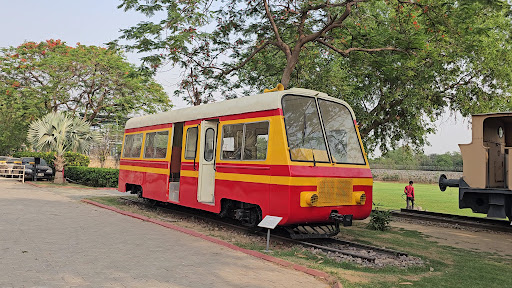
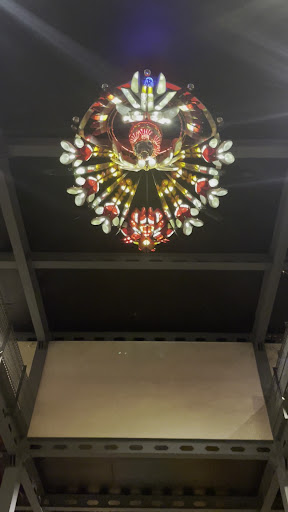
Unique & Noteworthy Highlights: The only museum in India dedicated to transport heritage, housing over 2,500 curated objects across 12 thematic galleries—from bullock carts and palanquins to vintage cars, trains, aircraft, maritime craft, indigenous transport, toys, tribal art, and contemporary art installations. Enjoy art‑infused displays—suspended cars, stylized installations of headlights, wheels, colourful rickshaws, mini‑movies, and recreated scenes like railway platforms or river boats.
Activities & Amenities: • Hourly film screenings in the basement theatre—great for a break amid the exploration. • On‑site café offering snacks (though moderately priced) and a souvenir shop with transport memorabilia and gifts. • Facilities include elevator access, ramps for wheelchairs, clean washrooms, free parking, and a mini auditorium, research library and seminar rooms on the top floor.
Staff & Visitor Experience: Staff are polite, helpful, and manage the flow effectively—pushing gently to exit around 6:45 PM since the museum closes at 7 PM. The museum is meticulously maintained, with exemplary cleanliness throughout.
Pro Tips for Visitors • Wear comfortable shoes—you’ll be walking across four floors • Visit early (from 10 AM) to avoid crowds and fully explore before closing • The café is functional but limited—consider having lunch before or afterward in nearby dhabas on the Delhi‑Jaipur Highway • Photography allowed, but note moody lighting and tightly packed displays may challenge amateur photographers • Respect the ‘click, not touch’ policy—hands‑off preserves these vintage and delicate exhibits
Why It’s Worth a Visit: This museum is one-of-a‑kind in India—a cleverly curated journey through time, celebrating India’s transport history with flair and artistic creativity. Whether you’re an automotive buff, history enthusiast, art admirer, or travelling with family, it offers something memorable for all. Exceptional curation, audio guides, interactive exhibits, and scholarly ambience make it a must‑visit cultural destination.
Highly recommended—to return with friends, family, or solo—and don’t forget to stop by the souvenir shop for a...
Read moreThe Heritage Transportation Museum in Tauru, Haryana, is often described as a fascinating journey through the history of transportation in India. Such museums typically showcase a wide array of vehicles and artifacts that highlight the evolution of how people and goods have moved across the subcontinent over time. What you might typically find in such a museum: Diverse Collection: Expect to see a range of transportation modes, possibly including vintage cars, railway carriages, buses, two-wheelers (scooters, motorcycles, bicycles), bullock carts, palanquins, and even perhaps early aviation exhibits or models. The exhibits often showcase the technological advancements and design changes over the decades. Thematic Galleries: Museums like this often organize their displays into thematic galleries. These could focus on specific eras, types of transport (e.g., rail, road, air), or the social and cultural impact of transportation. Interactive Exhibits: To make the experience more engaging, some heritage museums incorporate interactive elements. These might include simulators, hands-on displays, or audio-visual presentations that bring the history to life. Restored Artifacts: A key attraction is often the meticulously restored vehicles and other artifacts, offering a glimpse into the craftsmanship and aesthetics of bygone eras. Educational Value: These museums serve as valuable educational resources, illustrating the engineering principles, social changes, and economic developments linked to transportation. They often provide context and historical information about each exhibit. Ambiance and Setting: The museum's building and layout contribute to the overall experience. Heritage museums often try to create an atmosphere that complements the historical nature of the exhibits. Things to consider when visiting: Time Required: Depending on the size and your level of interest, plan to spend a few hours exploring the museum. Accessibility: Check beforehand about accessibility features if you have specific needs. Photography: Inquire about photography policies. Facilities: Museums usually have basic amenities like restrooms and sometimes a cafeteria or gift shop. Location: Tauru in Haryana might be a bit outside the main city centers, so plan your travel accordingly. For a more specific and up-to-date review, I would recommend looking for recent visitor reviews on travel websites, social media, or local listings. These platforms often provide firsthand accounts of the current state of the museum, its exhibits, and the overall visitor experience. You might also find official websites or social media pages for the museum itself, which could offer insights into current...
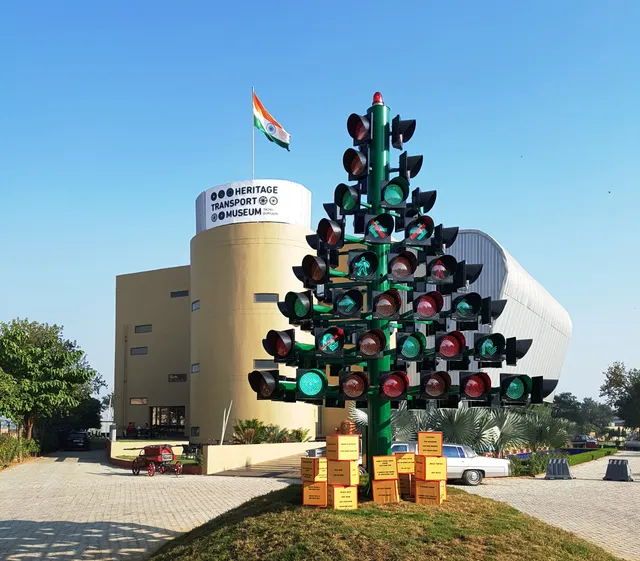
Read moreReally wonderful place. Located at Outskirts of gurgaon. Not too crowded. maybe due to its location. Better to take highway rather than to take shortcut roads, you may stuck on narrow roads.The Heritage Transport Museum is India's major museum dealing with the history of human transportation. The collection focuses on the development of transport system. There is Parking available and without any cost. The moment you enter the main gate ,you can see the traffic lights tower and train engines nearby. As you enter the museum, there is cafeteria and ticket counter. Museum Ticket price is very reasonable, 400 Per Person. You will also get free audio guide, which will guide you at every stage. There is small cafeteria also, which provide fresh and tasty snacks. There is VR available also which ia chargeable for Rs 150/-. VR experience is also good. You must appreciate the work done in maintaining the ambience of place. Neat and clean every where. When you enter the museum, there are brief instructions given to you. Obviously, not to touch anything. As we all know, if we preserve things today then only our future generations can see them. Well, inside museum you will see various vintage cars, history of wheel, ancient toys, first train and history behind it, indian bull carts, auto, trucks, mini bus, tramp, bikes, cycles, scooter, boats, palki, rickshaw and lot more. And remember all these are old and vintage models. Some of you might have seen in your childhood or in movies. Inside museum, there is also a mini theater, in which a 47 min video is shown related to invention and development of aeroplane/aircraft. You can take photographs as many you can. You can spend time as much as you can. Average total time is 2hr 30 min. Its a great feeling there, one can realise how much we have developed and still scope for lot. There was time when we cant even think of flying and now we heading for space tourism. Good luck guys. Must go and fill you day with beautiful memories. It really worth going there. Please check the beautiful...
Read more