HTML SitemapExplore
logo
Find Things to DoFind The Best Restaurants

Kalesar National Park — Attraction in Haryana

Name
Kalesar National Park
Description
Kalesar National Park and adjacent Kalesar Wildlife Sanctuary from Chandigarh. Kalesar National Park was established in 2003. Kalesar National Park and Kalesar Wildlife Sanctuary are contiguous to Simbalbara National Park in Himachal Pradesh and Rajaji National Park in Uttarakhand.
Nearby attractions
Nearby restaurants
Nearby hotels
Related posts
Keywords
Kalesar National Park tourism.Kalesar National Park hotels.Kalesar National Park bed and breakfast. flights to Kalesar National Park.Kalesar National Park attractions.Kalesar National Park restaurants.Kalesar National Park travel.Kalesar National Park travel guide.Kalesar National Park travel blog.Kalesar National Park pictures.Kalesar National Park photos.Kalesar National Park travel tips.Kalesar National Park maps.Kalesar National Park things to do.
Kalesar National Park things to do, attractions, restaurants, events info and trip planning
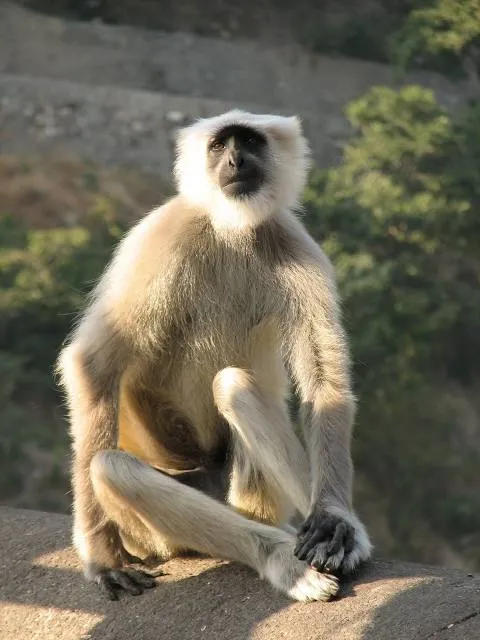
Kalesar National Park
IndiaHaryanaKalesar National Park

Basic Info

Kalesar National Park

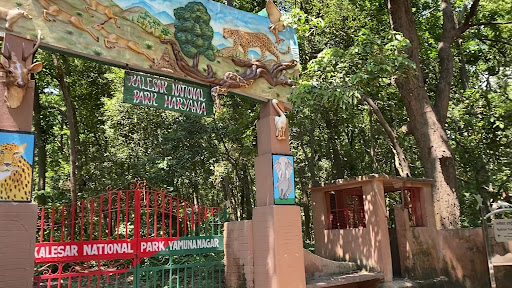
Kalesar, Haryana 135106, India
4.3(171)
Closed
Save
spot

Ratings & Description

Info

Kalesar National Park and adjacent Kalesar Wildlife Sanctuary from Chandigarh. Kalesar National Park was established in 2003. Kalesar National Park and Kalesar Wildlife Sanctuary are contiguous to Simbalbara National Park in Himachal Pradesh and Rajaji National Park in Uttarakhand.

Outdoor
Adventure
Scenic
Family friendly
Off the beaten path
attractions: , restaurants:
logoLearn more insights from Wanderboat AI.
Phone
+91 98139 64510
Open hoursSee all hours
Fri7 - 11 AM, 3 - 5 PMClosed

Plan your stay

hotel
Pet-friendly Hotels in Haryana
Find a cozy hotel nearby and make it a full experience.

hotel
Affordable Hotels in Haryana
Find a cozy hotel nearby and make it a full experience.

hotel
The Coolest Hotels You Haven't Heard Of (Yet)
Find a cozy hotel nearby and make it a full experience.

hotel
Trending Stays Worth the Hype in Haryana
Find a cozy hotel nearby and make it a full experience.

Reviews

Get the Appoverlay
Get the AppOne tap to find yournext favorite spots!
Wanderboat LogoWanderboat

Your everyday Al companion for getaway ideas

CompanyAbout Us
InformationAI Trip PlannerSitemap
SocialXInstagramTiktokLinkedin
LegalTerms of ServicePrivacy Policy

Get the app

© 2025 Wanderboat. All rights reserved.
logo

Posts

Manoj GurjarManoj Gurjar
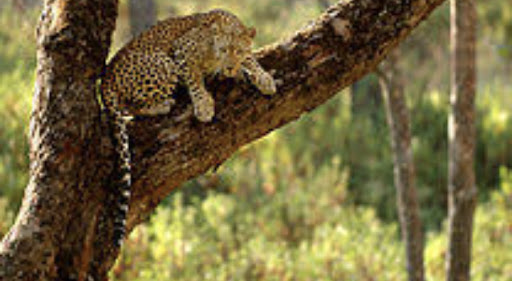
Kalesar National Park (13,000 acres (53 km2)) and adjacent Kalesar Wildlife Sanctuary (13,209 acres (53.45 km2)) are protected areas in Yamunanagar district of Haryana state in India, 122 kilometres (76 mi) from Chandigarh. Both are also contiguous to Simbalbara National Park in Himachal Pradesh and Rajaji National Park in Uttrakhand. Kalesar is a popular destination for leopards, panthers, elephants, red jungle fowl and bird-watching. This forested area in the Shivalik foothills is covered primarily with sal with smattering of Semul, Amaltas and Bahera trees as well. Wildlife jeep safaris are available on 3 tracks. Park is closed July to September and during the remaining months visiting hours are 6 am to 10 am and 4 pm to 7 pm during summers, and 7 am to 11 am and 3.30 pm to 6 pm during winters. Kalesar National Park spread across 13,000 acres (53 km2) was notified on 8 December 2003 and adjacent 13,209 acres (53.45 km2) Kalesar Wildlife Sanctuary was notified on 13 December 1996. However, it is alleged, absence of sufficient funds from the Centre is proving to be a hindrance in wildlife conservation in the national park. Kalesar National Park is named after the Kalesar Mahadev temple located in this national park. Afghan invader Ahmad Shah Abdali camped at Pinjore Gardens in 1765 and British Raj soldier Rollo Gillespie camped in these hills in 1807 for tiger hunting in these hills. By 1892-93, the count of tigers and panthers had dwindled due to excessive hunting. Consequently, by 1913 Sirmur State had banned the hunting.
Saurabh SharmaSaurabh Sharma
_A Hidden Gem for Photography Enthusiasts - Kalesar National Park_ I recently had the pleasure of visiting Kalesar National Park, and I must say, it's a nature lover's paradise! The park is lush green, with a serene atmosphere that's perfect for photography enthusiasts like myself. However, I was surprised to find that safari services are currently not available, and visitors are allowed to enter at their own risk. But that didn't deter me! I ventured in and was rewarded with some amazing experiences. The park is a haven for birdwatchers and wildlife photographers. If you're lucky, you can spot beautiful peacocks and capture stunning images. The surroundings are breathtaking, with great roads and scenic views that make for perfect photography opportunities. I highly recommend Kalesar National Park to fellow photography enthusiasts. Be sure to allocate sufficient time to explore the greenery, roads, and surroundings. A word of caution: be aware of wild animals, as they can appear unexpectedly. Keep your wits about you while taking pictures, and you'll have a wonderful time. _Recommendation:_ If you're passionate about photography and nature, add Kalesar National Park to your bucket list. It's a hidden gem waiting to be explored!
Rajat MalikpuriaRajat Malikpuria
Kalesar National Park is situated in the foot hills of Shiwalik ranges of mighty Himalayas. On map it is located between 300 18’ to 300 27’ North latitude & 770 18’ to 770 35’ East longitude. It falls under Yamunanagar District of Haryana, sharing boundary with three States viz., Himachal Pradesh, Uttranchal & U.P. The Yamuna river form the Eastern boundary with Uttar Pradesh, the main Shiwalik ridge separates State boundary among Haryana, Himachal Pradesh & Uttaranchal in the north. Kalesar National Park is named after the Kalesar (shiva) temple located in protected area. The whole area is full of bio-diversity having dense Sal forests, Khair forests and patches of grass lands, which support an amazing variety of plants and animal species. The park was declared as National Park on 8th December 2003 having an area of 11570 acres. Just adjacent to the National Park is Kalesar Wildlife Sanctuary and it was notified on 13th December 1996, having an area of 13209 acres.
See more posts
See more posts
hotel
Find your stay

Pet-friendly Hotels in Haryana

Find a cozy hotel nearby and make it a full experience.

Kalesar National Park (13,000 acres (53 km2)) and adjacent Kalesar Wildlife Sanctuary (13,209 acres (53.45 km2)) are protected areas in Yamunanagar district of Haryana state in India, 122 kilometres (76 mi) from Chandigarh. Both are also contiguous to Simbalbara National Park in Himachal Pradesh and Rajaji National Park in Uttrakhand. Kalesar is a popular destination for leopards, panthers, elephants, red jungle fowl and bird-watching. This forested area in the Shivalik foothills is covered primarily with sal with smattering of Semul, Amaltas and Bahera trees as well. Wildlife jeep safaris are available on 3 tracks. Park is closed July to September and during the remaining months visiting hours are 6 am to 10 am and 4 pm to 7 pm during summers, and 7 am to 11 am and 3.30 pm to 6 pm during winters. Kalesar National Park spread across 13,000 acres (53 km2) was notified on 8 December 2003 and adjacent 13,209 acres (53.45 km2) Kalesar Wildlife Sanctuary was notified on 13 December 1996. However, it is alleged, absence of sufficient funds from the Centre is proving to be a hindrance in wildlife conservation in the national park. Kalesar National Park is named after the Kalesar Mahadev temple located in this national park. Afghan invader Ahmad Shah Abdali camped at Pinjore Gardens in 1765 and British Raj soldier Rollo Gillespie camped in these hills in 1807 for tiger hunting in these hills. By 1892-93, the count of tigers and panthers had dwindled due to excessive hunting. Consequently, by 1913 Sirmur State had banned the hunting.
Manoj Gurjar

Manoj Gurjar

hotel
Find your stay

Affordable Hotels in Haryana

Find a cozy hotel nearby and make it a full experience.

Get the Appoverlay
Get the AppOne tap to find yournext favorite spots!
_A Hidden Gem for Photography Enthusiasts - Kalesar National Park_ I recently had the pleasure of visiting Kalesar National Park, and I must say, it's a nature lover's paradise! The park is lush green, with a serene atmosphere that's perfect for photography enthusiasts like myself. However, I was surprised to find that safari services are currently not available, and visitors are allowed to enter at their own risk. But that didn't deter me! I ventured in and was rewarded with some amazing experiences. The park is a haven for birdwatchers and wildlife photographers. If you're lucky, you can spot beautiful peacocks and capture stunning images. The surroundings are breathtaking, with great roads and scenic views that make for perfect photography opportunities. I highly recommend Kalesar National Park to fellow photography enthusiasts. Be sure to allocate sufficient time to explore the greenery, roads, and surroundings. A word of caution: be aware of wild animals, as they can appear unexpectedly. Keep your wits about you while taking pictures, and you'll have a wonderful time. _Recommendation:_ If you're passionate about photography and nature, add Kalesar National Park to your bucket list. It's a hidden gem waiting to be explored!
Saurabh Sharma

Saurabh Sharma

hotel
Find your stay

The Coolest Hotels You Haven't Heard Of (Yet)

Find a cozy hotel nearby and make it a full experience.

hotel
Find your stay

Trending Stays Worth the Hype in Haryana

Find a cozy hotel nearby and make it a full experience.

Kalesar National Park is situated in the foot hills of Shiwalik ranges of mighty Himalayas. On map it is located between 300 18’ to 300 27’ North latitude & 770 18’ to 770 35’ East longitude. It falls under Yamunanagar District of Haryana, sharing boundary with three States viz., Himachal Pradesh, Uttranchal & U.P. The Yamuna river form the Eastern boundary with Uttar Pradesh, the main Shiwalik ridge separates State boundary among Haryana, Himachal Pradesh & Uttaranchal in the north. Kalesar National Park is named after the Kalesar (shiva) temple located in protected area. The whole area is full of bio-diversity having dense Sal forests, Khair forests and patches of grass lands, which support an amazing variety of plants and animal species. The park was declared as National Park on 8th December 2003 having an area of 11570 acres. Just adjacent to the National Park is Kalesar Wildlife Sanctuary and it was notified on 13th December 1996, having an area of 13209 acres.
Rajat Malikpuria

Rajat Malikpuria

See more posts
See more posts

Reviews of Kalesar National Park

4.3
(171)
avatar
4.0
1y

Kalesar National Park (13,000 acres (53 km2)) and adjacent Kalesar Wildlife Sanctuary (13,209 acres (53.45 km2) are protected areas in Kalesar of Yamunanagar district of Haryana state in India, 46 kilometres from Yamunanagar city, 122 kilometres (76 mi) from Chandigarh. Kalesar National Park was established in 2003. Kalesar National Park and Kalesar Wildlife Sanctuary are contiguous to Simbalbara National Park in Himachal Pradesh and Rajaji National Park in Uttarakhand. Kalesar is a popular destination for leopards, panthers, elephants, red jungle fowl and bird-watching. This forested area in the Shivalik foothills is covered primarily with sal with smattering of Semul, Amaltas and Bahera trees as well.2 Wildlife jeep safaris are available on 3 tracks.Park is closed July to September and during the remaining months visiting hours are 6 am to 10 am and 4 pm to 7 pm during summers, and 7 am to 11 am and 3.30 pm to 6 pm during winters. 1 Kalesar National Park spread across 13,000 acres (53 km2) was notified on 8 December 2003 and adjacent 13,209 acres (53.45 km2) Kalesar Wildlife Sanctuary was notified on 13 December 1996. 2 However, it is alleged, absence of sufficient funds from the centre is proving to be a hindrance in wildlife conservation in the national park. Afghan invader Ahmad Shah Abdali camped at Pinjore Gardens in 1765 and British Raj soldier Rollo Gillespie camped in these hills in 1807 for tiger hunting in these hills. By 1892–93, the count of tigers and panthers had dwindled due to excessive hunting. Consequently, by 1913 Sirmur State had banned the hunting. The ancient Kalesar Mahadev temple takes its name from the a corrupted form of Kaleshwar, a moniker of Hindu deity lord Shiva. It is located near NH 907 on the east side and just 400 meter north of Kalesar Dak baglow (rest house) and 8.5 km north of Hathni Kund Barrage. There is also another later era Shiva temple north of Kalesar Mahadev temple.

As part of INR1200 crore Morni to Kalesar tourism development plan announced in January 2019, Government of Haryana is developing this temple, along with Kapal Mochan Tirth, Panchmukhi Hanuman temple of Basatiyawala, Sharda Mata Temple of Chotta Trilokpur and Lohgarh fort capital of Banda...

   Read more
avatar
4.0
1y

Kalesar National Park (कलेसर नेशनल पार्क) is a protected area located in Yamunanagar district of Haryana, India. Here are some key features of Kalesar National Park:

Flora and Fauna: Kalesar National Park is known for its diverse range of flora and fauna. The park is home to various species of wildlife, including leopards, elephants, sambar deer, barking deer, langurs, and numerous bird species.

Lush Forests: The park is characterized by lush greenery, dense forests, and hilly terrains, creating a favourable habitat for a variety of wildlife.

Elephant Reserve: Kalesar National Park is designated as an elephant reserve, emphasizing the importance of the area for the conservation of elephants and their habitats.

Conservation Efforts: The park is crucial for the conservation of biodiversity in the region. Conservation initiatives are undertaken to protect the natural ecosystems and the species that inhabit them.

Trekking and Nature Trails: The park offers opportunities for trekking and nature trails, allowing visitors to explore the natural beauty of the area. These activities also provide a chance to observe wildlife in their natural habitat.

Rich Avian Diversity: Apart from mammals, the park is known for its rich avian diversity. Birdwatchers can spot various species of birds, making it an attractive destination for bird enthusiasts.

Tourist Facilities: The park provides some basic tourist facilities, including walking trails, watchtowers, and information centres. Visitors can experience the beauty of the wilderness while respecting the conservation efforts in place.

Kalesar National Park contributes significantly to the conservation of biodiversity in the northern part of India and offers a serene environment for nature lovers and wildlife...

   Read more
avatar
5.0
3y

Kalesar National Park (13,000 acres (53 km2)) and adjacent Kalesar Wildlife Sanctuary (13,209 acres (53.45 km2)) are protected areas in Yamunanagar district of Haryana state in India, 122 kilometres (76 mi) from Chandigarh. Both are also contiguous to Simbalbara National Park in Himachal Pradesh and Rajaji National Park in Uttrakhand. Kalesar is a popular destination for leopards, panthers, elephants, red jungle fowl and bird-watching. This forested area in the Shivalik foothills is covered primarily with sal with smattering of Semul, Amaltas and Bahera trees as well. Wildlife jeep safaris are available on 3 tracks. Park is closed July to September and during the remaining months visiting hours are 6 am to 10 am and 4 pm to 7 pm during summers, and 7 am to 11 am and 3.30 pm to 6 pm during winters. Kalesar National Park spread across 13,000 acres (53 km2) was notified on 8 December 2003 and adjacent 13,209 acres (53.45 km2) Kalesar Wildlife Sanctuary was notified on 13 December 1996. However, it is alleged, absence of sufficient funds from the Centre is proving to be a hindrance in wildlife conservation in the national park. Kalesar National Park is named after the Kalesar Mahadev temple located in this national park. Afghan invader Ahmad Shah Abdali camped at Pinjore Gardens in 1765 and British Raj soldier Rollo Gillespie camped in these hills in 1807 for tiger hunting in these hills. By 1892-93, the count of tigers and panthers had dwindled due to excessive hunting. Consequently, by 1913 Sirmur State had banned...

   Read more
Page 1 of 7
Previous
Next