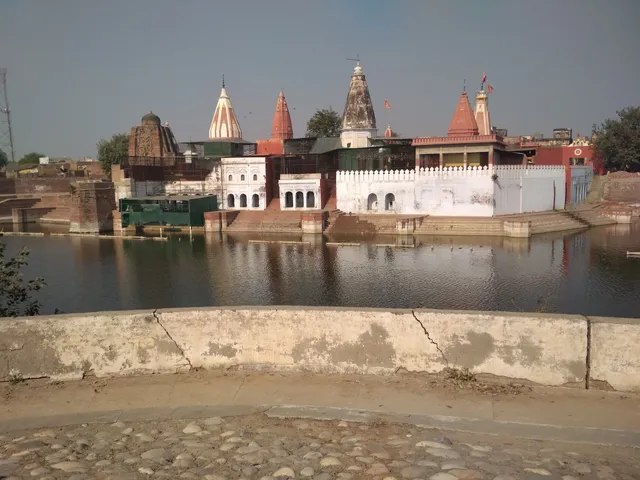
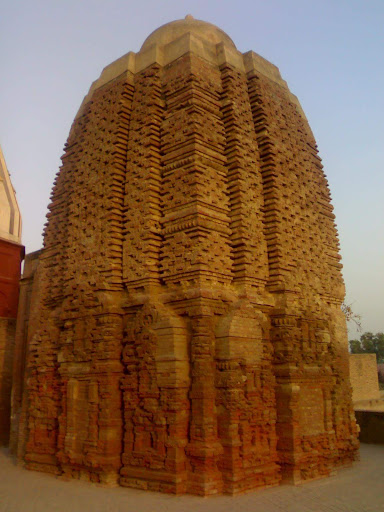
Kapil Muni Tirth, also known as Kalayat brick temple complex is the oldest surviving brick temple which stands at Kalayat town in Kaithal district of Haryana. The temple complex comprises of several Hindu shrines along with two ancient temples which date back to the 7th century. This temple is an important part in the series of 48 kos parikrama around the holy city of Kurukshetra. The temple was built by king Salwan.
Tirth History:These temples were built as per the Nagara style of Gurjar Pratihara architecture with typical curvilinear spire. The design of the temple edifice reveals that initially there were five temples in the Panchayatan group on the banks of holy Kapilayatna Tirtha. In the Panchayatan type of structure, the main temple is enclosed by four subsidiary shrines. The temple edifice and sculptures have been constructed out of locally available red bricks. The bricks used in the construction were moulded and of different shapes and sizes. Moulded bricks were also used for various decorative parts of the façade. These temples were built without using any plaster or mortar. Currently, only two temples can be seen. One temple is a Shiva temple which is built according to the Pancha Rathasarchitecture. The temple houses a Shiva Linga along with the snake statue. There are stairs at the back of the temple which leads to the Kapil Muni Tirtha. Here, devotees take a holy dip before worship. The temple complex also houses a tirtha pond called Chyavan Giri Kund which is named after a Vedic sage Chyavana. A temple of Katyayini devi is also seen. She was a daughter of Sanskrit grammarian, mathematician and Vedic Sage Kātyāyana. A shrine of Lord Hanuman along with an Akhara can also be seen in the...
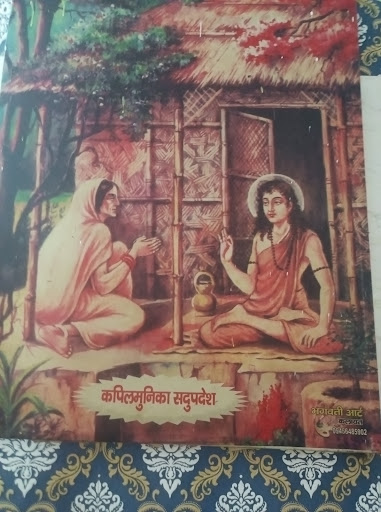
Read moreJai hoo The name Kapila appears in many texts, and it is likely that these names refer to different people.11 The most famous reference is to the sage Kapila with his student Āsuri, who in the Indian tradition, are considered as the first masters of Samkhya school of Hindu philosophy. While he pre-dates Buddha, it is unclear which century he lived in, with some suggesting 6th-century BCE.4] Others place him in the 7th century BCE.[11 This places him in the late Vedic period (1500 BCE to 500 BCE), and he has been called a Vedic sage.2
Kapila is credited with authoring an influential sutra, called Samkhya-sutra (also called Kapila-sutra), which aphoristically presents the dualistic philosophy of Samkhya.6 These sutras were explained in another well studied text of Hinduism called the Samkhyakarika.[11] Beyond the Samkhya theories, he appears in many dialogues of Hindu texts, such as in explaining and defending the principle of Ahimsa (non-violence) in...
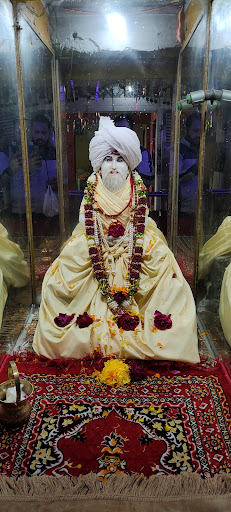
Read moreA very old religious place for worship of Kapil Muni Maharaj founder of Sankhay Shasta, placed in kalayat, Distt kaithal, haryana. This Place is covered under Kurukshetra Development Board. Along this Kapil Muni temple, there are anothe r temples also known as Shivalay made with...
Read more