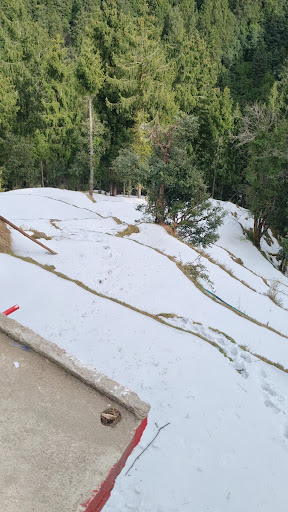
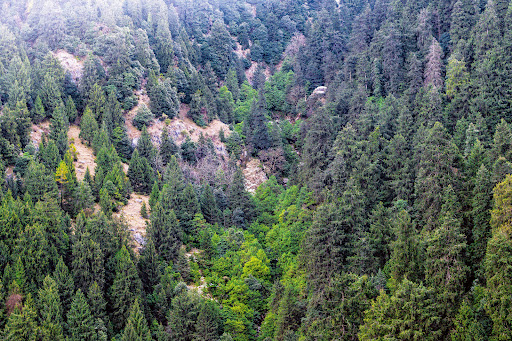
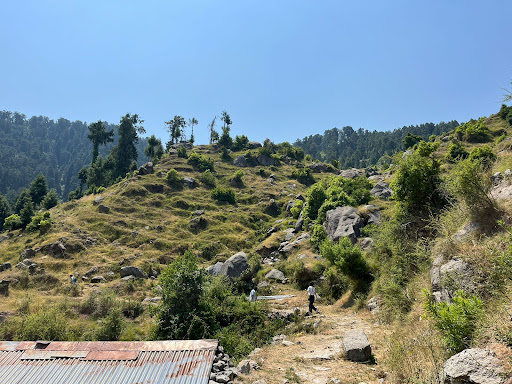
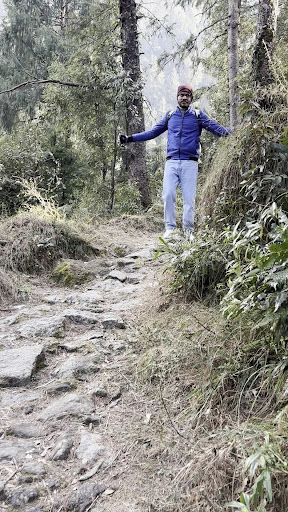
Known for its pleasant climate and natural beauty, Dalhousie is one of the most famous hill stations in Himachal Pradesh. Dalhousie is located in the district of Chamba at an elevation of around 2,000 meters. The hill station is situated at the Western end of the Dhauladhar range of mountains. Surrounded by beautiful snow-capped mountains, Dalhousie is named after its founder Lord Dalhousie, the British Governor-General in India. With several Victorian-style mansions, Scottish architecture and other charming colonial buildings, this hill station will take you back in time. The place also has few quaint churches. ALSO SEE These 10 breathtaking photos of Dalhousie will spark your wanderlust!
Dalhousie is spread over an area of 14 sq km of area and it includes five hills, namely Balun, Bakrota, Tehra, Patreyn and Kathlog. The fragrant pines, oaks, rhododendron and oaks along with several other types of tress cover the slops of the mountains. This scenic hill station is framed by the river Ravi flowing at the base of the town. Dalhousie is a popular destination for honeymooners. Dalhousie also offers you the spectacular view of the majestic snow-capped Pir Panjal mountain range located in Jammu and Kashmir, Sach Pass and Chamba’s Pangi Valley. This enchanting hill station has several tourist spots like Lohali village, Kalatop, Dainkund peak, Bakrota hills and Tibetan market. The beautiful valley of Khajiar is also quite popular among the visitors. Tourists also like visiting the region near Alla. The region offers a spectacular view of the beautiful landscape.
The hill station is far from the crowd and pollution of the cities and offers you a calm environment in the lap of nature. This hill station is a treasure trove of ancient temples, art, handicraft and Hindu culture, preserved since the sixth century. Bharmour, the capital of the ancient Chamba Hill state, has 84 temples that were built during the period between 7 th and 10 th century AD. It is also home to the Gujjar and Gaddi tribes.
Dalhousie is ideal for people who want to relax and distress. You can take a lazy stroll through the woods or go on a trek or soak in the old-world charm of Dalhousie. The best time to visit this beautiful hill station is during the summer season, which is between April and September. It is also the peak tourist season. Summer in Dalhousie is pleasant and mild, while winters are chilly with the temperature dipping to freezing point.
History
Dalhousie got its name from the Lord Dalhousie, the British governor General of the 19th century. This hill station was established in 1854 as a retreat to escape the scorching heat of the Indian summer. Dalhousie was enticed by the pleasant climate and peaceful atmosphere of this hill region. To develop the area as a summer retreat, five hills, which are Bhangora, Bakrota, Terah (also known as Moti Tibba), Potreyn and Kathalagh, were acquired by the British from the ruler of Chamba. As a payment for the hills, the British reduced the amount of tax levied on the ruler. Dalhousie soon became a popular summer resort for soldiers, military officials and Englishmen.
One of the tourist attractions of Dalhousie is the natural spring located in Karelanu and it has an interesting history. Karelanu is known for its natural spring, which has healing or medicinal properties. Subhash Chandra Bose, one of the greatest freedom fighters of India, was suffering from tuberculosis. He visited Karelanu and drank the precious water from the natural spring regularly. The water healed him. Rabindranath Tagore, the famous Indian polymath, visited Dalhousie in 1873 and Rudyar Kipling, the author of the famous book ‘The Jungle Book’, visited the...
Read more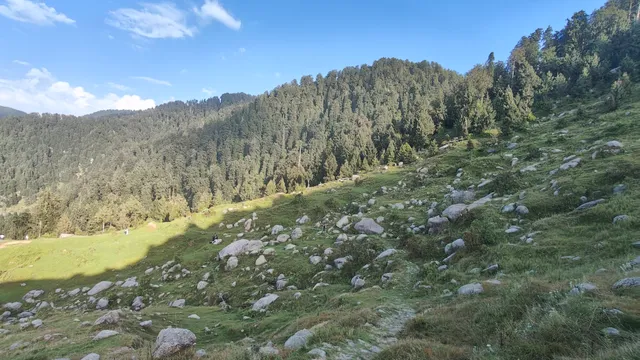
 Learn more insights from Wanderboat AI.