HTML SitemapExplore
logo
Find Things to DoFind The Best Restaurants

Gyuto Tantric Monastery Temple — Attraction in Himachal Pradesh

Name
Gyuto Tantric Monastery Temple
Description
Nearby attractions
Nearby restaurants
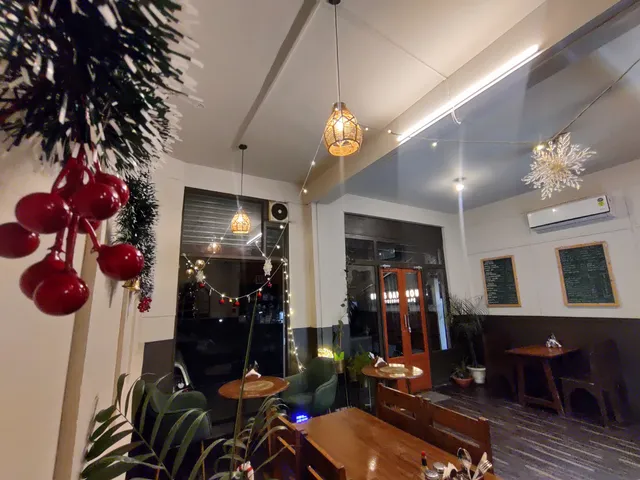
Nivi's Bake House - Patisserie and Cafe
Sidhbari, Dharamshala, Himachal Pradesh 176215, India
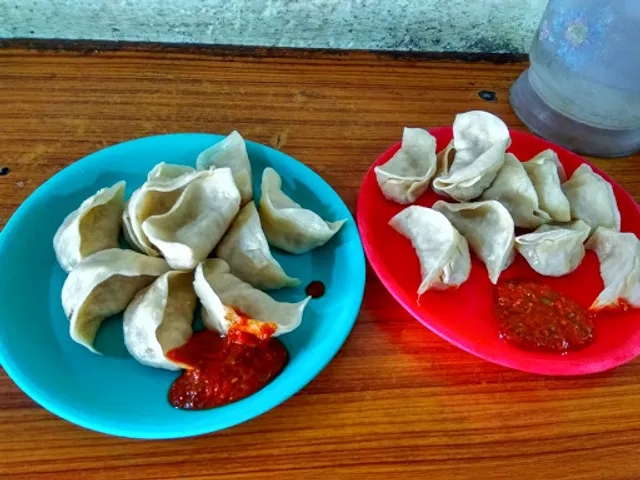
Subhash Da Momos
Yol, Himachal Pradesh 176052, India
Achanak Fast Food
59QG+XQ7, Yol, Himachal Pradesh 176052, India
Nearby hotels
GK Resorts
Daramsala, Sidhbari, Himachal Pradesh 176215, India
House of Tejomaya
Dharamshala - Palampur Rd, near Gyuto Karmapa Temple, Sidhbari, Dharamshala, Himachal Pradesh 176215, India
Him View Home Stay
59M8+MRQ, Rasan, Sidhbari, Himachal Pradesh 176215, India
Ostara House
Rakkar Rd, Sidhbari, Dharamshala, Himachal Pradesh 176215, India
Hotel Sai Taj Grand
10 Tapovan Road, near Vidhan Sabha, Dharamshala, Himachal Pradesh 176215, India
Hotel Red Carpet
Main Road, Sidhbari, Dharamshala, Kangra, Himachal Pradesh 176215, India
The Owl’s Nest Farm Dharamshala
59M6+GH6, Road, Tapovan, Sidhbari, Himachal Pradesh 176215, India
Related posts
Keywords
Gyuto Tantric Monastery Temple tourism.Gyuto Tantric Monastery Temple hotels.Gyuto Tantric Monastery Temple bed and breakfast. flights to Gyuto Tantric Monastery Temple.Gyuto Tantric Monastery Temple attractions.Gyuto Tantric Monastery Temple restaurants.Gyuto Tantric Monastery Temple travel.Gyuto Tantric Monastery Temple travel guide.Gyuto Tantric Monastery Temple travel blog.Gyuto Tantric Monastery Temple pictures.Gyuto Tantric Monastery Temple photos.Gyuto Tantric Monastery Temple travel tips.Gyuto Tantric Monastery Temple maps.Gyuto Tantric Monastery Temple things to do.
Gyuto Tantric Monastery Temple things to do, attractions, restaurants, events info and trip planning
Gyuto Tantric Monastery Temple
IndiaHimachal PradeshGyuto Tantric Monastery Temple

Basic Info

Gyuto Tantric Monastery Temple

Sidhbari, Himachal Pradesh 176215, India
4.7(1.7K)
Closed
Save
spot

Ratings & Description

Info

Cultural
Family friendly
attractions: , restaurants: Nivi's Bake House - Patisserie and Cafe, Subhash Da Momos, Achanak Fast Food
logoLearn more insights from Wanderboat AI.
Phone
+91 189 223 5307
Website
kagyuoffice.org
Open hoursSee all hours
Wed6:30 AM - 7:30 PMClosed

Plan your stay

hotel
Pet-friendly Hotels in Himachal Pradesh
Find a cozy hotel nearby and make it a full experience.
hotel
Affordable Hotels in Himachal Pradesh
Find a cozy hotel nearby and make it a full experience.
hotel
The Coolest Hotels You Haven't Heard Of (Yet)
Find a cozy hotel nearby and make it a full experience.
hotel
Trending Stays Worth the Hype in Himachal Pradesh
Find a cozy hotel nearby and make it a full experience.

Reviews

Things to do nearby

Hilloferry - Ride through scenic lower Dharamshala
Sat, Dec 13 • 8:00 AM
Yol, Himachal Pradesh, 176052, India
View details
Nature Walk - hills, mountain village, locals
Sun, Dec 14 • 2:00 PM
Kangra, Himachal Pradesh, 176215, India
View details
Cultural CityTour-Ancient Dharamshala with a local
Wed, Dec 10 • 9:30 AM
Kangra, Himachal Pradesh, 176219, India
View details

Nearby restaurants of Gyuto Tantric Monastery Temple

Nivi's Bake House - Patisserie and Cafe

Subhash Da Momos

Achanak Fast Food

Nivi's Bake House - Patisserie and Cafe

Nivi's Bake House - Patisserie and Cafe

4.9

(307)

Click for details
Subhash Da Momos

Subhash Da Momos

4.5

(185)

Click for details
Achanak Fast Food

Achanak Fast Food

4.8

(23)

Click for details
Get the Appoverlay
Get the AppOne tap to find yournext favorite spots!
Wanderboat LogoWanderboat

Your everyday Al companion for getaway ideas

CompanyAbout Us
InformationAI Trip PlannerSitemap
SocialXInstagramTiktokLinkedin
LegalTerms of ServicePrivacy Policy

Get the app

© 2025 Wanderboat. All rights reserved.
logo

Reviews of Gyuto Tantric Monastery Temple

4.7
(1,672)
avatar
5.0
20w

Gyuto Monastery (Gyuto Tantric University), Sidhbari – Dharamshala — a tranquil and spiritually immersive Himalayan retreat dedicated to Tantric Buddhist education and practice.

⸻

🧘 Overview & History • Founded in 1474 by Jetsun Kunga Dhondup in Tibet, Gyuto was re-established near Dharamshala in 1959 by monks in exile from the original Ramoche temple . • It serves as a leading center for Tantric Buddhist studies (Guhyasamaja, Chakrasamvara, Vajrabhairava) and is home to about 200 monks, including the Karmapa, head of Kagyu Buddhism .

⸻

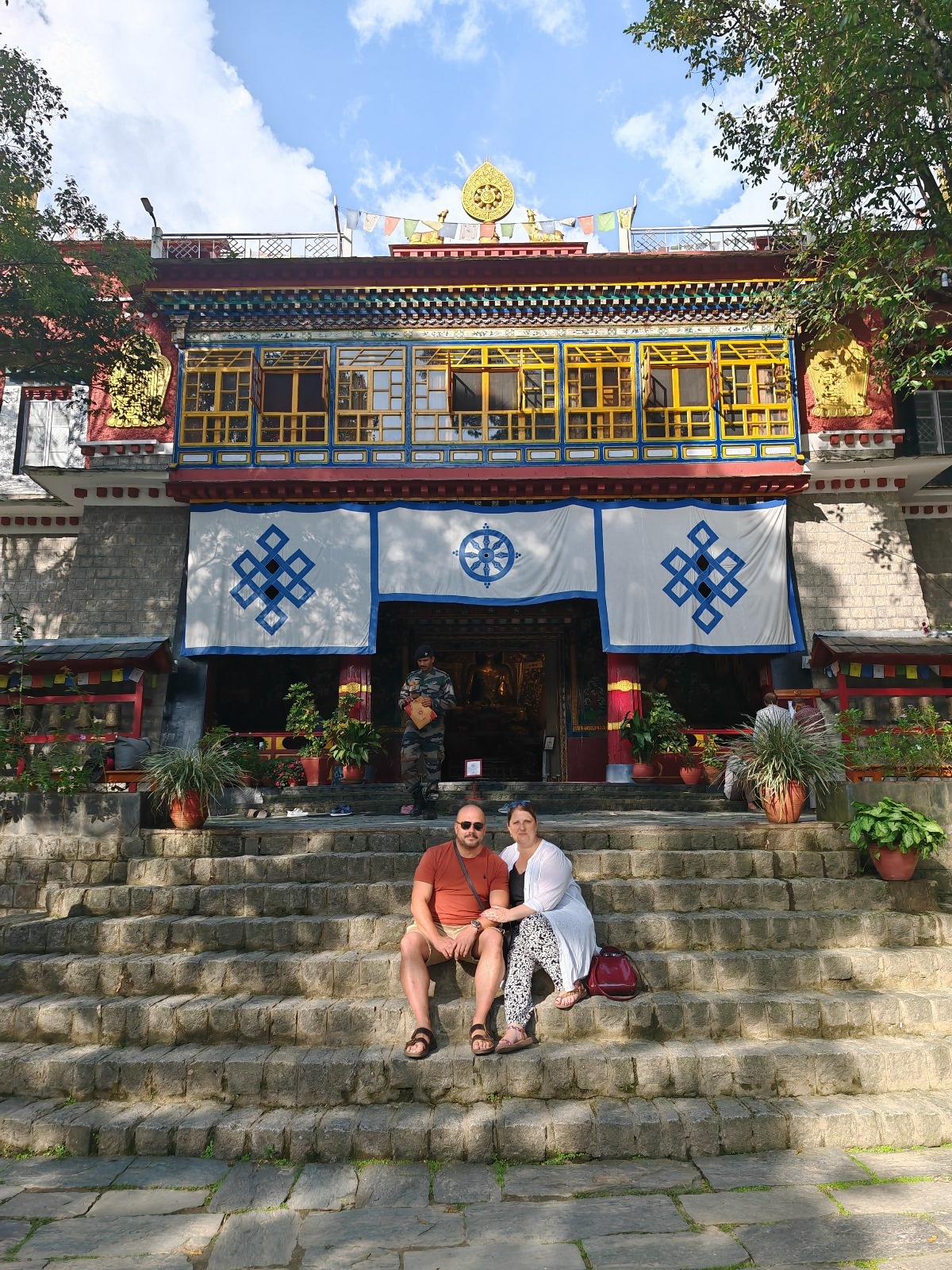
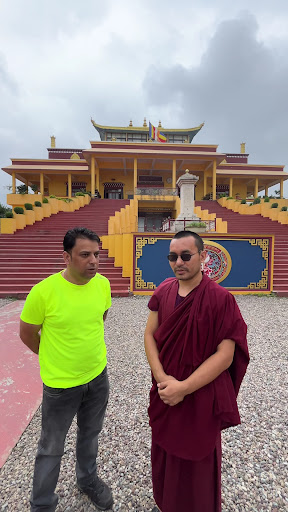
🌄 Location & Setting • Situated in Sidhbari, about 6–8 km from Dharamshala and roughly 13 km from McLeod Ganj, the monastery perches on a hill offering sweeping views across the Dhauladhar ranges and Beas Valley . • Its bright yellow façade against snow-capped peaks makes for stunning photography, especially in clear light .

⸻

🙏 Spiritual Atmosphere & Visitor Experience • Revered for its serene vibes, Gyuto is less touristy and more contemplative. Climbing the red stairway into a spacious, clean prayer hall is calming and reflective . • Visitors may witness monk chanting—especially early mornings (around 7 AM)—which many describe as vibrating, powerful, and immersive . • “Less crowded,” “very clean,” and with “no commercial activity,” it’s ideal for seekers of peaceful, unhurried spiritual experiences .

⸻

🎒 Things to Do & Highlights • Chanting ceremonies: Attend early mornings or special prayer days (e.g., Wednesdays, Saturdays) when monks chant rhythmic tantric sutras . • Absorb the interiors: Adorned with thangkas, mandalas, bells, gongs, ornate statues (including a large golden Sakyamuni Buddha) and butter sculptures (tormas) . • Campus life: Observe student monks—sometimes children—rushing between classes, chanting, and meditating in the courtyard and corridors . • Nature & views: Enjoy walking around the landscaped premises with idyllic scenery and ambient silence (). • On-site café: Some visitors note a small café on site serving Tibetan meals and teas, extending the experience .

🕒 Practical Info

⸻

Timings Typically open 6:00 AM–7:30 PM; prayer rituals around 7 AM and evenings—confirm local timing Entry fee Free entry; guided tours available but not always allowed inside the prayer hall () Best time March to October for pleasant weather; early morning best for chanting; Buddha Purnima in May for festive decorations and events () How to reach Accessible by taxi or shared cab from Dharamshala bus stand (~8 km); ample parking; involves climbing stairs so limited wheelchair access ()

🌟 Final Verdict

Gyuto Monastery stands out as a peaceful, reflective counterpoint to the bustling Dharamshala temples. It’s particularly meaningful for: • Those seeking real Tibetan Tantric Buddhist tradition, away from commercial temples. • Visitors interested in chanting rituals, meditation, and close glimpses into monastery life. • Lovers of architecture and sacred art, especially ornate interiors, thangkas, and butter sculptures.

Expect to spend about 45–90 minutes exploring the temple, attending a chant session (if timed well), enjoying mountain views, and soaking in...

   Read more
avatar
5.0
1y

Gyuto Monastery, also known as Gyuto Tantric Monastery, is a prominent Tibetan Buddhist monastery located in Himachal Pradesh, India. It is renowned for its tantric teachings, beautiful location, and spiritual ambiance. Here is a comprehensive guide to visiting the Gyuto Monastery:

Overview Location: Sidbhari, near Dharamshala in Kangra District, Himachal Pradesh, India. Founded: Originally in Tibet in 1474 by the 1st Dalai Lama, Gyalwa Gendun Drup; re-established in India in 1959 after the Tibetan uprising.

Getting There By Air: The nearest airport is Kangra Airport (Dharamshala Airport), about 15 km away from the monastery. By Train: The nearest major railway station is Pathankot, about 90 km away. From there, you can take a taxi or bus to Dharamshala. By Road: Dharamshala is well-connected by road to major cities in Himachal Pradesh and neighboring states. Buses, taxis, and private vehicles can be used.

Best Time to Visit Spring (March to June): Pleasant weather, ideal for exploring the area. Autumn (September to November): Clear skies and mild temperatures, perfect for sightseeing. Winter (December to February): Cold, but the snow-capped mountains provide a stunning backdrop.

Highlights Tantric Practices and Teachings: The monastery is dedicated to the practice and study of Tantric Buddhism. Monastic Life: Observe the daily life and rituals of the monks. Architectural Beauty: The monastery features traditional Tibetan architecture with intricate designs. Panoramic Views: Offers breathtaking views of the Dhauladhar mountain range.

What to See Main Temple: Houses a statue of the Buddha and various sacred artifacts. Library: Contains a vast collection of Buddhist texts and scriptures. Meditation Hall: A peaceful space for meditation and reflection. Thangka Paintings: Traditional Tibetan Buddhist paintings are displayed around the monastery.

Activities Meditation and Retreats: Participate in meditation sessions and retreats offered by the monastery. Teachings and Lectures: Attend teachings and lectures by experienced monks. Prayer Ceremonies: Witness and participate in the prayer ceremonies, which are integral to the monastery's daily routine. Volunteer: Opportunities to volunteer and contribute to the monastery community.

Tips for Visitors Dress Modestly: Wear modest clothing suitable for a religious site. Respect the Monastic Rules: Follow the guidelines and rules set by the monastery. Silence and Decorum: Maintain silence and behave respectfully within the monastery premises. Photography: Ask for permission before taking photographs, especially inside the temple.

Visiting the Gyuto Monastery offers a unique opportunity to immerse yourself in Tibetan Buddhist culture and spirituality amidst the serene beauty of...

   Read more
avatar
4.0
6y

The great tantric institute called GyutoTantric Monastery(GyutoDratsang) was established for the preservation and promotion of the tradition of tantric teachings of the great TeacherTsongkhapa, thecrown among the learned and accomplished masters of Tibet, who had the transmission ofthe entire teachings of the Buddha, through Nagarjuna and other learned Indian Buddhist scholars of NalandaUniversityand great Tibetan translators and accomplished masters.

In 655 (AD), Tibetan Dharma King SongtsenGampo, who was an emanation of Avalokiteshvara, founded the two most historical and famous temples in Tibet – RasaTrulnang and Ramoche –to enshrine the Buddha’s two statues:JowoMikyoDorje and Jowo Shakyamuni.Later, due to political chaos in Tibet, the locations of the two statues were exchanged.  Therefore, at present, the statues are not at their original locations; JowoMikyoDorje is in the RamocheTemple and Jowo Shakyamuniin the Rasa TrulnangTemple.

In 1474 (AD), the Wood-Horse year, KungaDhondupPelSangpo (1419-1486) started teaching tantra at U-töJampalingmonasery, and gradually his disciples increased and thusthe name Gyuto (Upper) Tantric Monastery came into being.In the later part of life, when the water level of the KyichuRiverrose and posed danger to the city of Lhasa, DepaKyisho, the governor of Kyishoregion, requested him to ward off the threat of flood.

KungaDhondup, together with his disciples, performed peaceful and wrathful rituals and calmed down the river. As an appreciation for his kind deed, DepaKyisho offered him the Ramoche Temple, including its internal objects. KungaDhondupfounded a tantric monastery inside the temple and started teaching tantra. Later, by the kindness of the successive His Holiness theDalai Lamas, the monastery expanded both in terms of monks’number and tantric training and practice. It became an excellent monastic seat for the studies of monastic discipline, tantric practice and meditation, and has thus become an exemplary monastic seat.

Status of Gyuto Tantric Monastery in Dalhousie

In 1959, due to an unprecedented political crisis in Tibet, His Holiness the Dalai Lama fled to India, followed by thousands of Tibetan refugees. At that time, about eighty-three monks of the GyutoTantric Monastery escapedfrom Tibet to India and they were compelled to engage in different types of labour work to earn their livelihood. In spite of that, they made their best effort to continuously practise, teach and study their traditional tantric traditions. They stayed in Dalhousie, a hill station in Himachal Pradesh, for about fourteen years until they were relocated to Tenzin Gang, in north-eastern...

   Read more
Page 1 of 7
Previous
Next

Posts

Himachal Travel ExpertHimachal Travel Expert
Gyuto Monastery (Gyuto Tantric University), Sidhbari – Dharamshala — a tranquil and spiritually immersive Himalayan retreat dedicated to Tantric Buddhist education and practice. ⸻ 🧘 Overview & History • Founded in 1474 by Jetsun Kunga Dhondup in Tibet, Gyuto was re-established near Dharamshala in 1959 by monks in exile from the original Ramoche temple . • It serves as a leading center for Tantric Buddhist studies (Guhyasamaja, Chakrasamvara, Vajrabhairava) and is home to about 200 monks, including the Karmapa, head of Kagyu Buddhism . ⸻ 🌄 Location & Setting • Situated in Sidhbari, about 6–8 km from Dharamshala and roughly 13 km from McLeod Ganj, the monastery perches on a hill offering sweeping views across the Dhauladhar ranges and Beas Valley . • Its bright yellow façade against snow-capped peaks makes for stunning photography, especially in clear light . ⸻ 🙏 Spiritual Atmosphere & Visitor Experience • Revered for its serene vibes, Gyuto is less touristy and more contemplative. Climbing the red stairway into a spacious, clean prayer hall is calming and reflective . • Visitors may witness monk chanting—especially early mornings (around 7 AM)—which many describe as vibrating, powerful, and immersive . • “Less crowded,” “very clean,” and with “no commercial activity,” it’s ideal for seekers of peaceful, unhurried spiritual experiences . ⸻ 🎒 Things to Do & Highlights • Chanting ceremonies: Attend early mornings or special prayer days (e.g., Wednesdays, Saturdays) when monks chant rhythmic tantric sutras . • Absorb the interiors: Adorned with thangkas, mandalas, bells, gongs, ornate statues (including a large golden Sakyamuni Buddha) and butter sculptures (tormas) . • Campus life: Observe student monks—sometimes children—rushing between classes, chanting, and meditating in the courtyard and corridors . • Nature & views: Enjoy walking around the landscaped premises with idyllic scenery and ambient silence (). • On-site café: Some visitors note a small café on site serving Tibetan meals and teas, extending the experience . 🕒 Practical Info ⸻ Timings Typically open 6:00 AM–7:30 PM; prayer rituals around 7 AM and evenings—confirm local timing Entry fee Free entry; guided tours available but not always allowed inside the prayer hall () Best time March to October for pleasant weather; early morning best for chanting; Buddha Purnima in May for festive decorations and events () How to reach Accessible by taxi or shared cab from Dharamshala bus stand (~8 km); ample parking; involves climbing stairs so limited wheelchair access () 🌟 Final Verdict Gyuto Monastery stands out as a peaceful, reflective counterpoint to the bustling Dharamshala temples. It’s particularly meaningful for: • Those seeking real Tibetan Tantric Buddhist tradition, away from commercial temples. • Visitors interested in chanting rituals, meditation, and close glimpses into monastery life. • Lovers of architecture and sacred art, especially ornate interiors, thangkas, and butter sculptures. Expect to spend about 45–90 minutes exploring the temple, attending a chant session (if timed well), enjoying mountain views, and soaking in monastic rhythms. ⸻
PushkalPushkal
Gyuto Monastery, also known as Gyuto Tantric Monastery, is a prominent Tibetan Buddhist monastery located in Himachal Pradesh, India. It is renowned for its tantric teachings, beautiful location, and spiritual ambiance. Here is a comprehensive guide to visiting the Gyuto Monastery: Overview Location: Sidbhari, near Dharamshala in Kangra District, Himachal Pradesh, India. Founded: Originally in Tibet in 1474 by the 1st Dalai Lama, Gyalwa Gendun Drup; re-established in India in 1959 after the Tibetan uprising. Getting There By Air: The nearest airport is Kangra Airport (Dharamshala Airport), about 15 km away from the monastery. By Train: The nearest major railway station is Pathankot, about 90 km away. From there, you can take a taxi or bus to Dharamshala. By Road: Dharamshala is well-connected by road to major cities in Himachal Pradesh and neighboring states. Buses, taxis, and private vehicles can be used. Best Time to Visit Spring (March to June): Pleasant weather, ideal for exploring the area. Autumn (September to November): Clear skies and mild temperatures, perfect for sightseeing. Winter (December to February): Cold, but the snow-capped mountains provide a stunning backdrop. Highlights Tantric Practices and Teachings: The monastery is dedicated to the practice and study of Tantric Buddhism. Monastic Life: Observe the daily life and rituals of the monks. Architectural Beauty: The monastery features traditional Tibetan architecture with intricate designs. Panoramic Views: Offers breathtaking views of the Dhauladhar mountain range. What to See Main Temple: Houses a statue of the Buddha and various sacred artifacts. Library: Contains a vast collection of Buddhist texts and scriptures. Meditation Hall: A peaceful space for meditation and reflection. Thangka Paintings: Traditional Tibetan Buddhist paintings are displayed around the monastery. Activities Meditation and Retreats: Participate in meditation sessions and retreats offered by the monastery. Teachings and Lectures: Attend teachings and lectures by experienced monks. Prayer Ceremonies: Witness and participate in the prayer ceremonies, which are integral to the monastery's daily routine. Volunteer: Opportunities to volunteer and contribute to the monastery community. Tips for Visitors Dress Modestly: Wear modest clothing suitable for a religious site. Respect the Monastic Rules: Follow the guidelines and rules set by the monastery. Silence and Decorum: Maintain silence and behave respectfully within the monastery premises. Photography: Ask for permission before taking photographs, especially inside the temple. Visiting the Gyuto Monastery offers a unique opportunity to immerse yourself in Tibetan Buddhist culture and spirituality amidst the serene beauty of Himachal Pradesh.
Shreel PatelShreel Patel
The great tantric institute called GyutoTantric Monastery(GyutoDratsang) was established for the preservation and promotion of the tradition of tantric teachings of the great TeacherTsongkhapa, thecrown among the learned and accomplished masters of Tibet, who had the transmission ofthe entire teachings of the Buddha, through Nagarjuna and other learned Indian Buddhist scholars of NalandaUniversityand great Tibetan translators and accomplished masters. In 655 (AD), Tibetan Dharma King SongtsenGampo, who was an emanation of Avalokiteshvara, founded the two most historical and famous temples in Tibet – RasaTrulnang and Ramoche –to enshrine the Buddha’s two statues:JowoMikyoDorje and Jowo Shakyamuni.Later, due to political chaos in Tibet, the locations of the two statues were exchanged.  Therefore, at present, the statues are not at their original locations; JowoMikyoDorje is in the RamocheTemple and Jowo Shakyamuniin the Rasa TrulnangTemple. In 1474 (AD), the Wood-Horse year, KungaDhondupPelSangpo (1419-1486) started teaching tantra at U-töJampalingmonasery, and gradually his disciples increased and thusthe name Gyuto (Upper) Tantric Monastery came into being.In the later part of life, when the water level of the KyichuRiverrose and posed danger to the city of Lhasa, DepaKyisho, the governor of Kyishoregion, requested him to ward off the threat of flood. KungaDhondup, together with his disciples, performed peaceful and wrathful rituals and calmed down the river. As an appreciation for his kind deed, DepaKyisho offered him the Ramoche Temple, including its internal objects. KungaDhondupfounded a tantric monastery inside the temple and started teaching tantra. Later, by the kindness of the successive His Holiness theDalai Lamas, the monastery expanded both in terms of monks’number and tantric training and practice. It became an excellent monastic seat for the studies of monastic discipline, tantric practice and meditation, and has thus become an exemplary monastic seat. Status of Gyuto Tantric Monastery in Dalhousie In 1959, due to an unprecedented political crisis in Tibet, His Holiness the Dalai Lama fled to India, followed by thousands of Tibetan refugees. At that time, about eighty-three monks of the GyutoTantric Monastery escapedfrom Tibet to India and they were compelled to engage in different types of labour work to earn their livelihood. In spite of that, they made their best effort to continuously practise, teach and study their traditional tantric traditions. They stayed in Dalhousie, a hill station in Himachal Pradesh, for about fourteen years until they were relocated to Tenzin Gang, in north-eastern India, in 1975.
See more posts
See more posts
hotel
Find your stay

Pet-friendly Hotels in Himachal Pradesh

Find a cozy hotel nearby and make it a full experience.

Gyuto Monastery (Gyuto Tantric University), Sidhbari – Dharamshala — a tranquil and spiritually immersive Himalayan retreat dedicated to Tantric Buddhist education and practice. ⸻ 🧘 Overview & History • Founded in 1474 by Jetsun Kunga Dhondup in Tibet, Gyuto was re-established near Dharamshala in 1959 by monks in exile from the original Ramoche temple . • It serves as a leading center for Tantric Buddhist studies (Guhyasamaja, Chakrasamvara, Vajrabhairava) and is home to about 200 monks, including the Karmapa, head of Kagyu Buddhism . ⸻ 🌄 Location & Setting • Situated in Sidhbari, about 6–8 km from Dharamshala and roughly 13 km from McLeod Ganj, the monastery perches on a hill offering sweeping views across the Dhauladhar ranges and Beas Valley . • Its bright yellow façade against snow-capped peaks makes for stunning photography, especially in clear light . ⸻ 🙏 Spiritual Atmosphere & Visitor Experience • Revered for its serene vibes, Gyuto is less touristy and more contemplative. Climbing the red stairway into a spacious, clean prayer hall is calming and reflective . • Visitors may witness monk chanting—especially early mornings (around 7 AM)—which many describe as vibrating, powerful, and immersive . • “Less crowded,” “very clean,” and with “no commercial activity,” it’s ideal for seekers of peaceful, unhurried spiritual experiences . ⸻ 🎒 Things to Do & Highlights • Chanting ceremonies: Attend early mornings or special prayer days (e.g., Wednesdays, Saturdays) when monks chant rhythmic tantric sutras . • Absorb the interiors: Adorned with thangkas, mandalas, bells, gongs, ornate statues (including a large golden Sakyamuni Buddha) and butter sculptures (tormas) . • Campus life: Observe student monks—sometimes children—rushing between classes, chanting, and meditating in the courtyard and corridors . • Nature & views: Enjoy walking around the landscaped premises with idyllic scenery and ambient silence (). • On-site café: Some visitors note a small café on site serving Tibetan meals and teas, extending the experience . 🕒 Practical Info ⸻ Timings Typically open 6:00 AM–7:30 PM; prayer rituals around 7 AM and evenings—confirm local timing Entry fee Free entry; guided tours available but not always allowed inside the prayer hall () Best time March to October for pleasant weather; early morning best for chanting; Buddha Purnima in May for festive decorations and events () How to reach Accessible by taxi or shared cab from Dharamshala bus stand (~8 km); ample parking; involves climbing stairs so limited wheelchair access () 🌟 Final Verdict Gyuto Monastery stands out as a peaceful, reflective counterpoint to the bustling Dharamshala temples. It’s particularly meaningful for: • Those seeking real Tibetan Tantric Buddhist tradition, away from commercial temples. • Visitors interested in chanting rituals, meditation, and close glimpses into monastery life. • Lovers of architecture and sacred art, especially ornate interiors, thangkas, and butter sculptures. Expect to spend about 45–90 minutes exploring the temple, attending a chant session (if timed well), enjoying mountain views, and soaking in monastic rhythms. ⸻
Himachal Travel Expert

Himachal Travel Expert

hotel
Find your stay

Affordable Hotels in Himachal Pradesh

Find a cozy hotel nearby and make it a full experience.

Get the Appoverlay
Get the AppOne tap to find yournext favorite spots!
Gyuto Monastery, also known as Gyuto Tantric Monastery, is a prominent Tibetan Buddhist monastery located in Himachal Pradesh, India. It is renowned for its tantric teachings, beautiful location, and spiritual ambiance. Here is a comprehensive guide to visiting the Gyuto Monastery: Overview Location: Sidbhari, near Dharamshala in Kangra District, Himachal Pradesh, India. Founded: Originally in Tibet in 1474 by the 1st Dalai Lama, Gyalwa Gendun Drup; re-established in India in 1959 after the Tibetan uprising. Getting There By Air: The nearest airport is Kangra Airport (Dharamshala Airport), about 15 km away from the monastery. By Train: The nearest major railway station is Pathankot, about 90 km away. From there, you can take a taxi or bus to Dharamshala. By Road: Dharamshala is well-connected by road to major cities in Himachal Pradesh and neighboring states. Buses, taxis, and private vehicles can be used. Best Time to Visit Spring (March to June): Pleasant weather, ideal for exploring the area. Autumn (September to November): Clear skies and mild temperatures, perfect for sightseeing. Winter (December to February): Cold, but the snow-capped mountains provide a stunning backdrop. Highlights Tantric Practices and Teachings: The monastery is dedicated to the practice and study of Tantric Buddhism. Monastic Life: Observe the daily life and rituals of the monks. Architectural Beauty: The monastery features traditional Tibetan architecture with intricate designs. Panoramic Views: Offers breathtaking views of the Dhauladhar mountain range. What to See Main Temple: Houses a statue of the Buddha and various sacred artifacts. Library: Contains a vast collection of Buddhist texts and scriptures. Meditation Hall: A peaceful space for meditation and reflection. Thangka Paintings: Traditional Tibetan Buddhist paintings are displayed around the monastery. Activities Meditation and Retreats: Participate in meditation sessions and retreats offered by the monastery. Teachings and Lectures: Attend teachings and lectures by experienced monks. Prayer Ceremonies: Witness and participate in the prayer ceremonies, which are integral to the monastery's daily routine. Volunteer: Opportunities to volunteer and contribute to the monastery community. Tips for Visitors Dress Modestly: Wear modest clothing suitable for a religious site. Respect the Monastic Rules: Follow the guidelines and rules set by the monastery. Silence and Decorum: Maintain silence and behave respectfully within the monastery premises. Photography: Ask for permission before taking photographs, especially inside the temple. Visiting the Gyuto Monastery offers a unique opportunity to immerse yourself in Tibetan Buddhist culture and spirituality amidst the serene beauty of Himachal Pradesh.
Pushkal

Pushkal

hotel
Find your stay

The Coolest Hotels You Haven't Heard Of (Yet)

Find a cozy hotel nearby and make it a full experience.

hotel
Find your stay

Trending Stays Worth the Hype in Himachal Pradesh

Find a cozy hotel nearby and make it a full experience.

The great tantric institute called GyutoTantric Monastery(GyutoDratsang) was established for the preservation and promotion of the tradition of tantric teachings of the great TeacherTsongkhapa, thecrown among the learned and accomplished masters of Tibet, who had the transmission ofthe entire teachings of the Buddha, through Nagarjuna and other learned Indian Buddhist scholars of NalandaUniversityand great Tibetan translators and accomplished masters. In 655 (AD), Tibetan Dharma King SongtsenGampo, who was an emanation of Avalokiteshvara, founded the two most historical and famous temples in Tibet – RasaTrulnang and Ramoche –to enshrine the Buddha’s two statues:JowoMikyoDorje and Jowo Shakyamuni.Later, due to political chaos in Tibet, the locations of the two statues were exchanged.  Therefore, at present, the statues are not at their original locations; JowoMikyoDorje is in the RamocheTemple and Jowo Shakyamuniin the Rasa TrulnangTemple. In 1474 (AD), the Wood-Horse year, KungaDhondupPelSangpo (1419-1486) started teaching tantra at U-töJampalingmonasery, and gradually his disciples increased and thusthe name Gyuto (Upper) Tantric Monastery came into being.In the later part of life, when the water level of the KyichuRiverrose and posed danger to the city of Lhasa, DepaKyisho, the governor of Kyishoregion, requested him to ward off the threat of flood. KungaDhondup, together with his disciples, performed peaceful and wrathful rituals and calmed down the river. As an appreciation for his kind deed, DepaKyisho offered him the Ramoche Temple, including its internal objects. KungaDhondupfounded a tantric monastery inside the temple and started teaching tantra. Later, by the kindness of the successive His Holiness theDalai Lamas, the monastery expanded both in terms of monks’number and tantric training and practice. It became an excellent monastic seat for the studies of monastic discipline, tantric practice and meditation, and has thus become an exemplary monastic seat. Status of Gyuto Tantric Monastery in Dalhousie In 1959, due to an unprecedented political crisis in Tibet, His Holiness the Dalai Lama fled to India, followed by thousands of Tibetan refugees. At that time, about eighty-three monks of the GyutoTantric Monastery escapedfrom Tibet to India and they were compelled to engage in different types of labour work to earn their livelihood. In spite of that, they made their best effort to continuously practise, teach and study their traditional tantric traditions. They stayed in Dalhousie, a hill station in Himachal Pradesh, for about fourteen years until they were relocated to Tenzin Gang, in north-eastern India, in 1975.
Shreel Patel

Shreel Patel

See more posts
See more posts