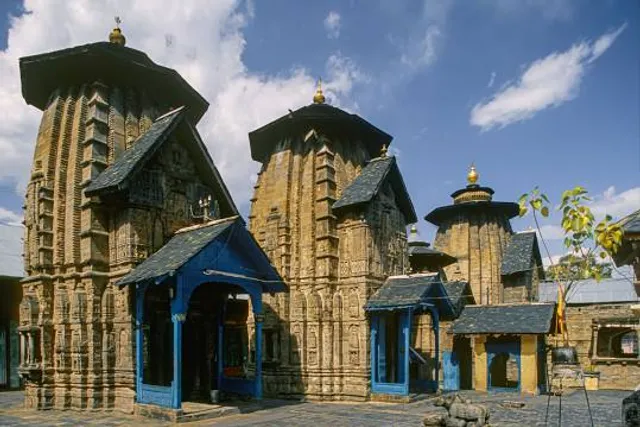
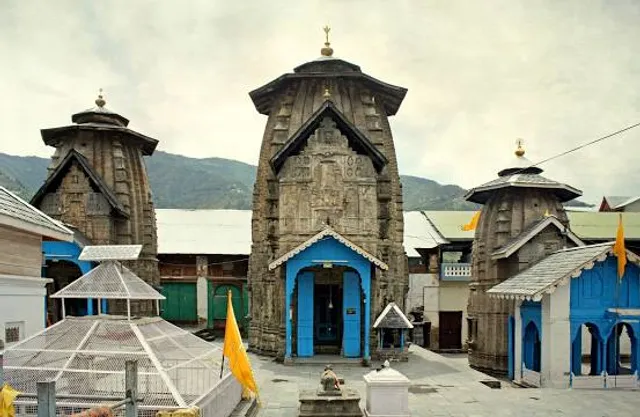
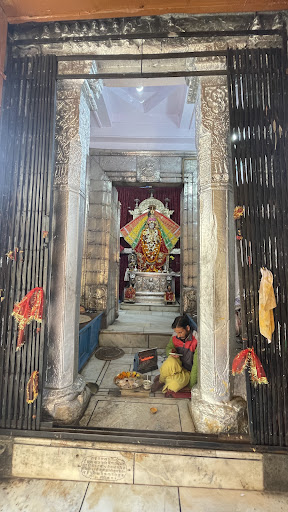
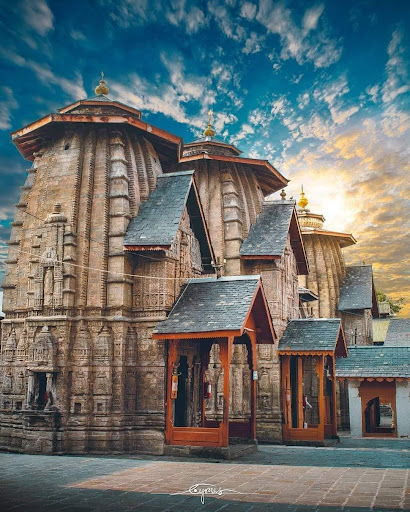
My most excitinG MemorabLe moMenTs in PlaCe. 😇😆😇😯😉 About This holy shrine is also an architectural masterpiece. Raja Sahil Varman built the temple in Shikhara style. There is a Shikhara or the Bimana and a Garbhgriha with a small Antralya. There is also a Mandapa like formation in the temple premise. There are exceptionally admirable effigies of Lord Vishnu, Goddess Lakshmi, Narsimha and Lord Krishna. All these are the residing deities of this temple.
There are wooden umbrellas and the shell roof on the top of the temple. The wheel shaped roof keeps the cold away. This was constructed keeping in mind the local climate as snowfall is an inevitable part of this land’s weather. The Shiva temple in the complex has been constructed by King Sahil Varman whereas the Gauri Shankar temple is said to have been added by his son Yugkara. The Radha Krishan temple was later added by Rani Sarda in 1825. Laxmi Narayan Temple is one of the oldest temples and also the largest one, situated in the Chamba district of Himachal Pradesh. There are six temples that are situated in the complex of the Laxmi Narayan Temple. These six temples are situated from north to south. They are dedicated to Lord Shiva or Lord Vishnu. Some of the temples located in the complex are the Shiva temple, Gauri Shankar temple and Radha Krishna. Laxmi Narayan Temple was constructed in the tenth century. The Shikhara style of architecture is evident from the temples situated in the complex. The rulers of Chamba took care to maintain these temples. Each of the rulers also contributed to the construction of the different parts of the temples. The ancient legends presume that Raja Sahil Verma built the temple of Laxmi Narayan Temple. The temple is kept for the tourists and the devotees from 6 am to 12.30 pm and from 2.30 to 8.30 pm. Laxmi Narayan Temple in Himachal Pradesh is the recognized Religious Place of India. 😊😀😁😂 😉😯😐 😊😀 Costumes
Ancient people of Chamba were known to have worn a fine woolen blanket or chadar around the waist, to keep warm in the cold climate. It was often tied or girdled with a band or patka, as evidenced by some archaeological discoveries in the area depicting this fashion. The Gaddi people have traditionally worn white embroidered caps and loose-fitting white woolen garments known as a chola, tied around the waist with a black wool rope. A local custom in Chamba was to give the Jogi of the Natha sect a cotton maikhal sheet to wear over the head during the Nuwala ceremony to honour Lord Siva. Chamba and the surrounding district have been well documented as being a producer of fine cloth and embroidered dresses for centuries. 😊😀😁 😄😅 😉 Music of Chamba}
Devotional songs known as 'Ainchali' are sung throughout the night. The 'Chella' is summoned who goes into a Tranceas soon as the sacrifices are referred to Lord Shiva. He is said to be possessed of the Lord himself. He answers the questions put to him by members of the family and their friends.
Marriage Songs~ The theme of the marriage songs is mostly related to the selection of groom and the girl's wishes regarding it. The songs which are sung at the time of wedding ceremony are known as 'Charlai' and these songs depict that the relatives of the bride and groom seek the blessings from the God.
Festivity Songs ~ Chambyals celebrate many fairs and festivals with great pump and show. They sing many songs which are usually accompanied by folk dances. Major folk songs are - 'Sukart and Ghanihar', 'Kunjadi Malhar' during Minjar Mela, 'Ainchali' on Nuala, songs related to Baisakhi at the time of 'Basoa' and 'Kunjadi' songs of the rainy season are sung during Patroru festival.
Love Songs ~ These songs are of Shrinagar rasa. Mostly the feelings of separation, hard life of Gaddis, their social bindings and the tales of sacrifice, unsuccessful love etc. Famous Love songs are, 'Kunju and Chanchlo', 'Phulmu and Ranjhu', 'Raja Gaddan' and 'Bhunku Gaddi' that are very popular among the city and the...
Read moreLaxmi Narayan Temple is one of the oldest temples and also the largest one, situated in the Chamba district of Himachal Pradesh. There are six temples that are situated in the complex of the Laxmi Narayan Temple. These six temples are situated from north to south. They are dedicated to Lord Shiva or Lord Vishnu. Some of the temples located in the complex are the Shiva temple, Gauri Shankar temple and Radha Krishna. Laxmi Narayan Temple was constructed in the tenth century. The Shikhara style of architecture is evident from the temples situated in the complex. The rulers of Chamba took care to maintain these temples. Each of the rulers also contributed to the construction of the different parts of the temples. The ancient legends presume that Raja Sahil Verma built the temple of Laxmi Narayan Temple. The temple is kept for the tourists and the devotees from 6 am to 12.30 pm and from 2.30 to 8.30 pm. Laxmi Narayan Temple in Himachal Pradesh is the recognized Religious Place of India. Architecture Of Laxmi Narayan Temple : Besides being historically significant, this holy shrine is also an architectural masterpiece. Raja Sahil Varman built the temple in Shikhara style. There is a Shikhara or the Bimana and a Garbhgriha with a small Antralya. There is also a Mandapa like formation in the temple premise. There are exceptionally admirable effigies of Lord Vishnu, Goddess Lakshmi, Narsimha and Lord Krishna. All these are the residing deities of this temple. There are wooden umbrellas and the shell roof on the top of the temple. The wheel shaped roof keeps the cold away. This was constructed keeping in mind the local climate as snowfall is an inevitable part of this land’s weather.The Shiva temple in the complex has been constructed by King Sahil Varman whereas the Gauri Shankar temple is said to have been added by his son Yugkara. The Radha Krishan temple was later added by Rani Sarda in 1825.
History Of Laxmi Narayan Temple :-
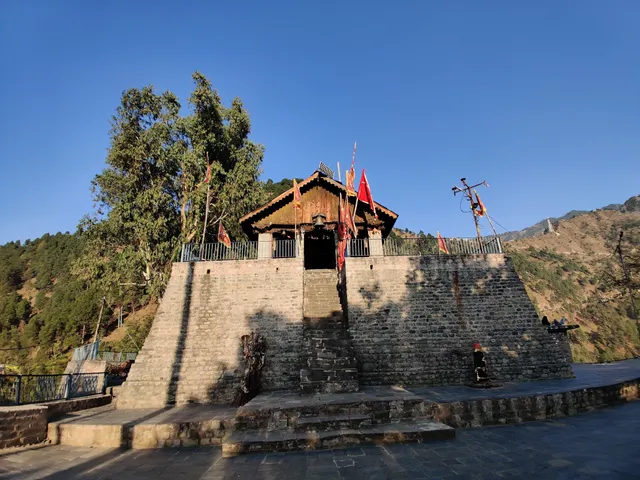
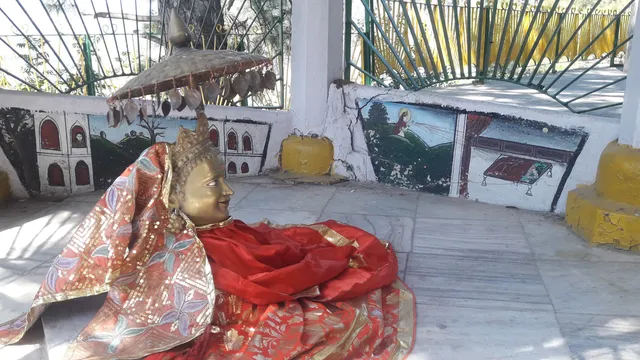
Laxmi Narayan and Hari Rai Temples of Chamba stand as a testimony to the architectural brilliance and execution that existed thousands of years ago. Laxmi Narayan Temple is the main temple of Chamba town which was built by Sahil Varman in the 10th century. The temple is dedicated to Lord Vishnu and Goddess Lakshmi. Laxmi Narayan Temple has many small temples within the complex. Among these are Radha Krishna, Shiva Temple of Chandragupta and Gauri Shankar Temple. The temple has a finely crafted wooden roof with Shikara and a chamber housing the idols. The design and architecture of the temple is such that it suits all kind of climatic conditions. The majestic door of the temple has a grand metal idol of Garuda, the vehicle of Lord Vishnu, which welcomes every tourist and devotee inside the temple. One can feel richness, culture and grandeur in every stone of the Laxmi Narayan Temple. The Hari Rai Temple is another ancient temple of Chamba. The temple is located in the north-west direction and has become the official entrance to enter the Chamba town. This temple is also dedicated to Lord Vishnu. The temple is carved in a Shikara style and stands majestically on a stone platform. The temple has a beautiful statue of Lord Vishnu in the form of Chaturmurti (four faces). Hari Rai is the only temple that has been beautifully coated with saffron and can be prominently seen among all the other temples. Both these temples of Chamba are soaked in grandeur and beauty and take you back to those ancient days where the culture and tradition reigned the historical era. So grab your cameras to capture the beauty of these temples amongst the setting sun of Chamba and come back home with album full...
Read moreNestled in the picturesque landscapes of Himachal Pradesh, the town of Chamba stands as a testament to rich cultural heritage and exquisite craftsmanship. Among its many treasures, the Laxmi Narayan Temple, constructed by Raja Sahil Varman around 920 AD, shines as a beacon of architectural brilliance and spiritual significance.
Unraveling the Laxmi Narayan Temple
The Laxmi Narayan Temple serves as the focal point of Chamba's spiritual landscape, boasting a group of six temples that showcase the finest classical forms of temple architecture. Adorned with intricate carvings and adorned with delicate details, the temple stands tall in the shikhara (spire) style, crowned with wooden chhatris (cenotaphs) and a distinctive shell roof.
At its heart lies the idol of Lord Vishnu, the presiding deity, exuding an aura of divine grace and serenity. Alongside, a metallic image of Garuda, the lord's mount, adds to the sanctity of the surroundings, inviting devotees and visitors alike to immerse themselves in the aura of spirituality and devotion.
Exploring the Temple Complex
Beyond the magnificence of the Laxmi Narayan Temple, the complex houses a constellation of other architectural wonders, each with its own tale to tell. The Radha Krishna Temple, erected by Rani Sarda in 1825, stands as a tribute to eternal love and devotion, while the Gauri Shankar Temple, commissioned by Yugkar Varman, offers a glimpse into the artistic prowess of the era.
Not to be overshadowed, the Shiva Temple of Chandragupta, another creation of Raja Sahil Varman, stands as a testament to the enduring legacy of the rulers of Chamba. Together, these temples form a tapestry of religious fervor and architectural splendor, drawing visitors from far and wide to bask in their timeless glory.
Beyond the Temples: Exploring Chamba
As visitors traverse the scenic routes from cities like Chandigarh, Pathankot, Ludhiana, and Jalandhar, they are greeted by a landscape dotted with natural wonders and cultural treasures. En route, destinations like Dalhousie, Khajjiar, and of course, Chamba itself, offer a myriad of experiences for travelers to indulge in.
From exploring lush green valleys to immersing oneself in the vibrant local culture, Chamba captivates the senses and leaves a lasting impression on all who venture within its embrace. And for those seeking to take a piece of Chamba home with them, the town's famed shawls, topis, and shoes serve as cherished mementos of their journey.
Planning Your Visit
For those planning a trip to Chamba, the best time to visit is from March to September when the weather is pleasant and conducive to exploration. Whether you're a devout pilgrim seeking spiritual solace or an avid traveler eager to unravel the mysteries of the past, Chamba welcomes you with open arms and promises an unforgettable journey through time and culture.
In conclusion, the Laxmi Narayan Temple stands as a testament to the ingenuity and devotion of its creators, while Chamba itself emerges as a jewel in Himachal Pradesh's crown, beckoning travelers to discover its timeless beauty and...
Read more