HTML SitemapExplore
logo
Find Things to DoFind The Best Restaurants

Masroor Rock Cut Temple — Attraction in Himachal Pradesh

Name
Masroor Rock Cut Temple
Description
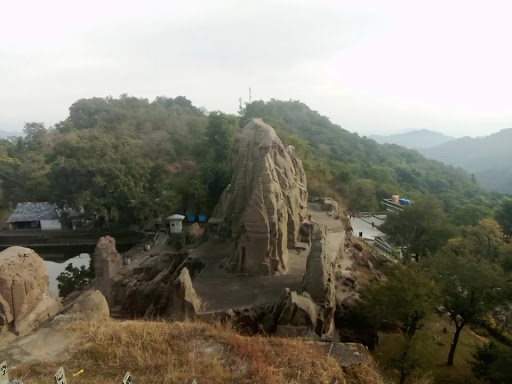
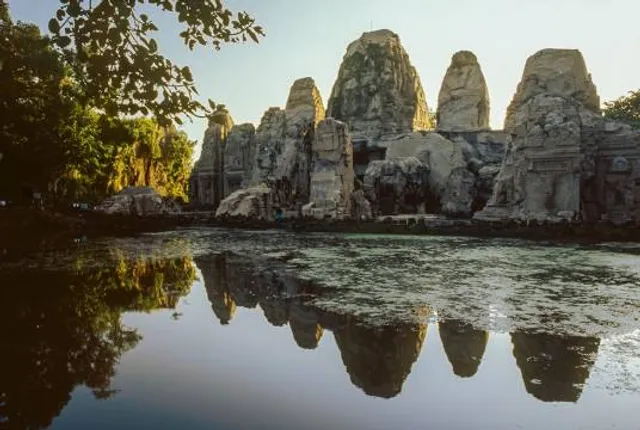
The Masrur Temples, also referred to as Masroor Temples or Rock-cut Temples at Masrur, is an early 8th-century complex of rock-cut Hindu temples in the Kangra Valley of Beas River in Himachal Pradesh, India. The temples face northeast, towards the Dhauladhar range of the Himalayas.
Nearby attractions
Nearby restaurants
Nearby hotels
Related posts
Keywords
Masroor Rock Cut Temple tourism.Masroor Rock Cut Temple hotels.Masroor Rock Cut Temple bed and breakfast. flights to Masroor Rock Cut Temple.Masroor Rock Cut Temple attractions.Masroor Rock Cut Temple restaurants.Masroor Rock Cut Temple travel.Masroor Rock Cut Temple travel guide.Masroor Rock Cut Temple travel blog.Masroor Rock Cut Temple pictures.Masroor Rock Cut Temple photos.Masroor Rock Cut Temple travel tips.Masroor Rock Cut Temple maps.Masroor Rock Cut Temple things to do.
Masroor Rock Cut Temple things to do, attractions, restaurants, events info and trip planning
Masroor Rock Cut Temple
IndiaHimachal PradeshMasroor Rock Cut Temple

Basic Info

Masroor Rock Cut Temple

34FP+4W2 Masroor, Lahalpur, Himachal Pradesh 176026, India
4.6(2K)
Open 24 hours
Save
spot

Ratings & Description

Info

The Masrur Temples, also referred to as Masroor Temples or Rock-cut Temples at Masrur, is an early 8th-century complex of rock-cut Hindu temples in the Kangra Valley of Beas River in Himachal Pradesh, India. The temples face northeast, towards the Dhauladhar range of the Himalayas.

Cultural
Outdoor
Family friendly
attractions: , restaurants:
logoLearn more insights from Wanderboat AI.

Plan your stay

hotel
Pet-friendly Hotels in Himachal Pradesh
Find a cozy hotel nearby and make it a full experience.
hotel
Affordable Hotels in Himachal Pradesh
Find a cozy hotel nearby and make it a full experience.
hotel
The Coolest Hotels You Haven't Heard Of (Yet)
Find a cozy hotel nearby and make it a full experience.
hotel
Trending Stays Worth the Hype in Himachal Pradesh
Find a cozy hotel nearby and make it a full experience.

Reviews

Things to do nearby

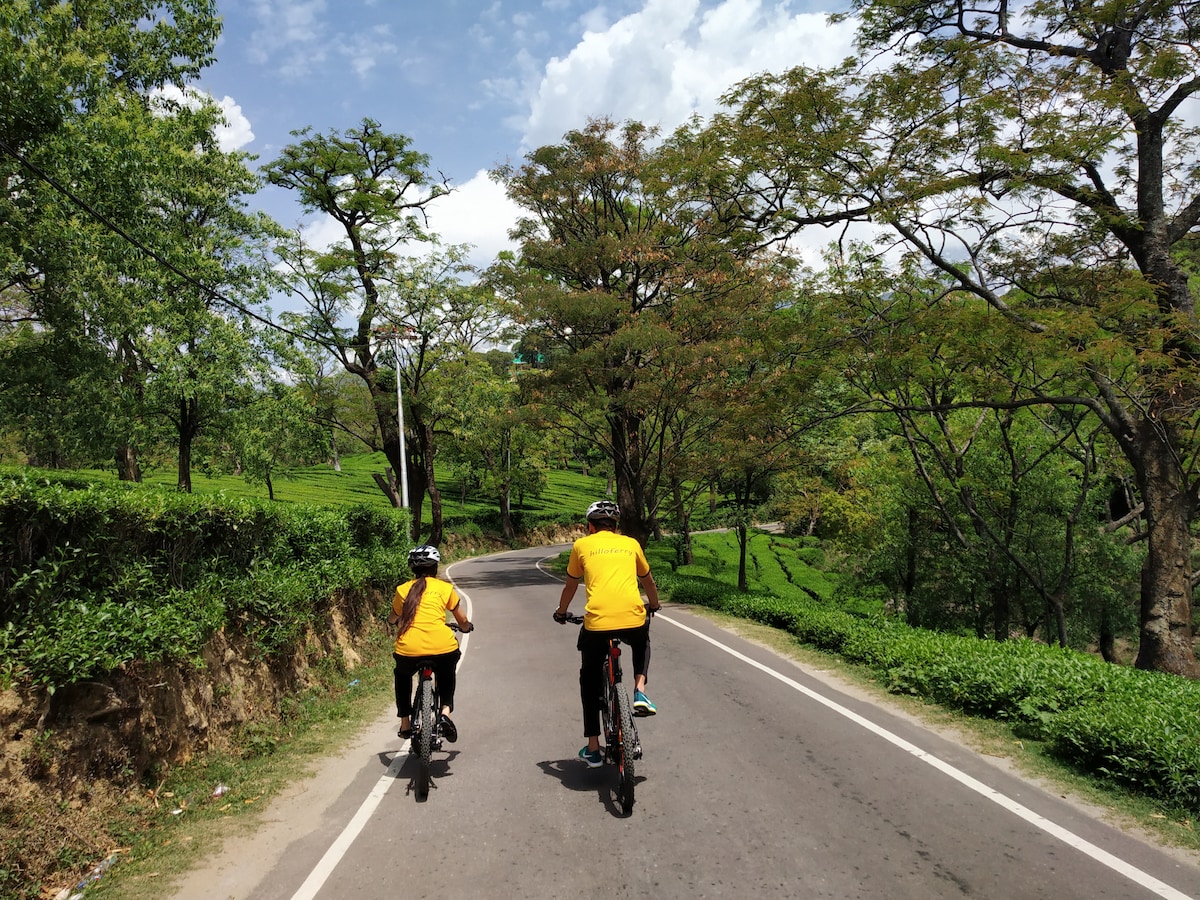
Hilloferry - Ride through scenic lower Dharamshala
Sat, Dec 13 • 8:00 AM
Yol, Himachal Pradesh, 176052, India
View details
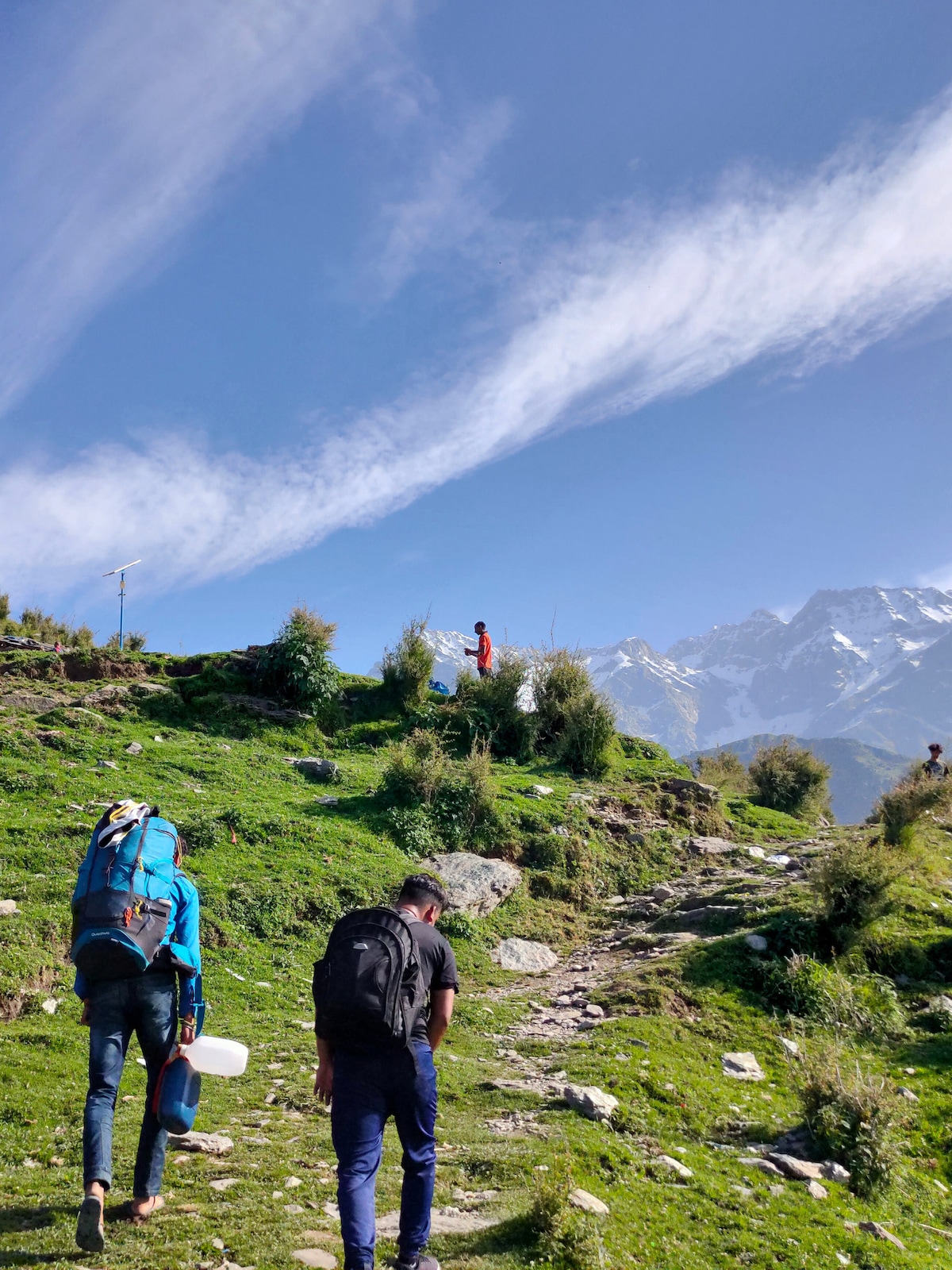
Nature Walk - hills, mountain village, locals
Sun, Dec 14 • 2:00 PM
Kangra, Himachal Pradesh, 176215, India
View details
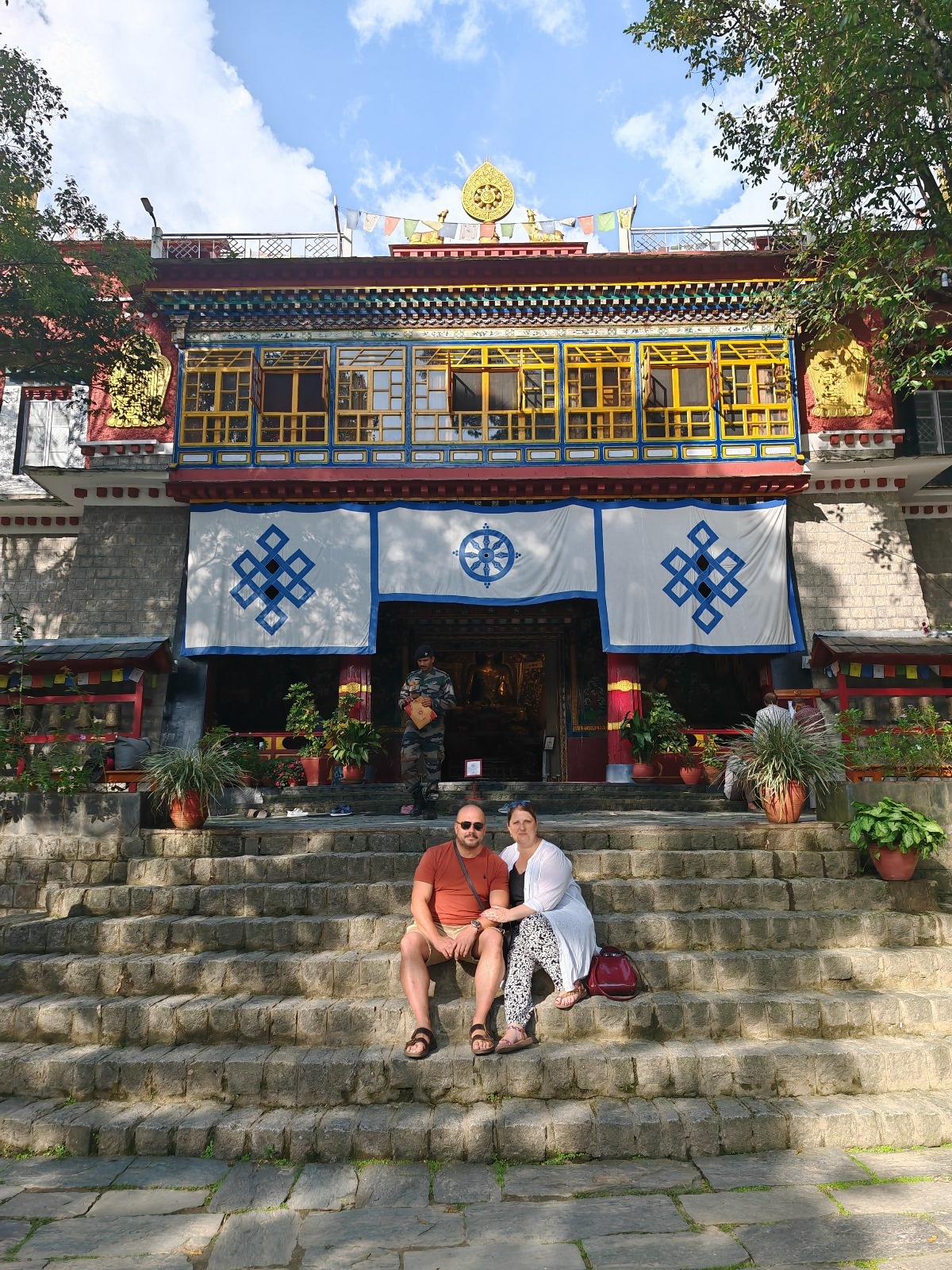
Cultural CityTour-Ancient Dharamshala with a local
Thu, Dec 11 • 9:30 AM
Kangra, Himachal Pradesh, 176219, India
View details
Get the Appoverlay
Get the AppOne tap to find yournext favorite spots!
Wanderboat LogoWanderboat

Your everyday Al companion for getaway ideas

CompanyAbout Us
InformationAI Trip PlannerSitemap
SocialXInstagramTiktokLinkedin
LegalTerms of ServicePrivacy Policy

Get the app

© 2025 Wanderboat. All rights reserved.
logo

Reviews of Masroor Rock Cut Temple

4.6
(1,960)
avatar
4.0
7y

The complex features a group of 15-24 (numbers are debatable) monolithic rock cut shrines; all shrines are cut from the outside except the central one, the central temple in this complex is also cut from the inside. This is the main temple and can be called as the 'garbha griha' (sanctum sanctorum) because it is made to house the main icon or deity. In front of these temples is a rectangular water reservoir on the east which remains water-filled all through the year and reflects a magnificent image of these temples. The temple complex is now also known as Thakurdwara (an abode of Vishnu), a term for Vaishnavite temples because the idols of Rama, Lakshmana and Sita are placed inside main shrine. The idols are ancient and in front of the main temple is a Holy Basil plant and Shivling. The sculptures on the pillars, doors and other shrines seem to be figures of Gods and Goddesses along with floral art beautifully carved out in an intricate manner mainly Shiva on lintel on eastern doorway of the sanctum, the river goddesses Gangaand Yamuna on either side of the entrance doorway ( a feature of Nagara style temple), and elsewhere three faced Shiva, Skand, Ishan, Vishnu, Vaikuntha (Vishnu with additional head of a boar and a lion), human Varah (Vishnu incarnated in human form with boar head), Indra, Durga, Kartikeya, Surya on the horse drawn chariot, Buddha seated on simhasana, eight dikpalas (guardians of the directions), flying gandharavaswith jewelled crowns, celestial musicians (the drum and veena players), the mithuna couple (amorous couple) etc. Besides, art motifs like flowers, foliage, pots etc.

According to local legend, the Pandavas of the Mahabharata fame resided here during their “incognito” exile (agyaat vaas) from their kingdom and built this temple. During this time, as their identity and location was exposed, they shifted from here. This is said to be the reason for the unfinished part of the temple complex. The pond in front of the complex has a mythical link to Draupadi, the consort of the Pandavas. It is stated that it was built for her exclusive use for ablutions. It is also being assumed that the complex was most probably is built by a paramount ruler of ancient Jalandhar kingdom of Punjab plains or by a Katoch ruler under the supremacy of Yashovarman, the king of Kannauj.

Kangra valley experienced a massive earthquake on 4th April 1905 which measured 7.8 on richter scale during which many of its shikharas fell down and many pillars developed cracks. A major portion of the temple is in ruin state with various fragments lying in the vicinity.

All in all a wonderful place with a rich history. Must visit in a non...

   Read more
avatar
5.0
48w

The Masrur Rock Cut Temple, also known as the Masroor Temples, is a remarkable 8th-century architectural marvel situated in the Kangra Valley of Himachal Pradesh, India. Carved from a single monolithic rock, this complex comprises 15 temples dedicated to various Hindu deities, including Shiva, Vishnu, Devi, and Surya.

Historical Significance:

Believed to have been constructed during the 8th century, the Masrur Temples are a testament to the rich cultural heritage of the region. Their architectural style suggests influences from the North Indian Nagara style, with intricate carvings and detailed iconography. The temples are often referred to as the "Ellora of Himachal" due to their resemblance to the famous rock-cut temples of Ellora.

Architectural Features:

Monolithic Construction: The entire complex is hewn out of a single sandstone rock, showcasing the engineering prowess of ancient craftsmen. HP TOUR TRAVEL

Nagara Style: The temples exhibit the Nagara style of architecture, characterized by beehive-shaped shikharas (spires) and intricate carvings depicting various deities and mythological scenes. SAHAPEDIA

Sanctum Sanctorum: The central shrine houses a sacred image, and the complex is designed to facilitate circumambulation, a common practice in Hindu worship.

Water Tank: A rectangular water tank in front of the temple complex reflects the structures, adding to the site's aesthetic appeal. TIMES OF INDIA

Cultural and Religious Importance:

The Masrur Temples hold significant religious importance for devotees and are a testament to the region's historical devotion to Hinduism. The intricate carvings and iconography provide insights into the religious practices and artistic expressions of the time.

Preservation Efforts:

Despite enduring damage from natural calamities, notably the 1905 Kangra earthquake, the Masrur Temples have retained much of their grandeur. Preservation efforts are ongoing to maintain the site's structural integrity and historical significance. TREEBO

Visiting Information:

The Masrur Rock Cut Temple is accessible to visitors year-round. Its location amidst the scenic Dhauladhar range offers a serene environment, making it a popular destination for tourists and devotees alike. The nearest town is Kangra, and the site is well-connected by road. HP KANGRA

Conclusion:

The Masrur Rock Cut Temple stands as a monumental example of India's rich architectural and cultural heritage. Its intricate design, historical significance, and serene location make it a must-visit destination for those interested in history, architecture, and...

   Read more
avatar
5.0
7y

The Masrur Temples, also referred to as Masroor Temples or Rock-cut Temples at Masrur, is an early 8th-century complex of rock-cut Hindu temples in the Kangra Valley of Beas River in Himachal Pradesh, India.[2] The temples face northeast, towards the Dhauladhar range of the Himalayas.[1] They are a version of North Indian Nagara architecture style, dedicated to Shiva, Vishnu, Devi and Saura traditions of Hinduism, with its surviving iconography likely inspired by a henotheistic framework. Though a major temples complex in the surviving form, the archaeological studies suggest that the artists and architects had a far more ambititious plan and the complex remains incomplete. Much of the Masrur's temple's sculpture and reliefs have been lost. They were also quite damaged, most likely from earthquakes. The temples were carved out of monolithic rock with a shikhara, and provided with a sacred pool of water as recommended by Hindu texts on temple architecture. The temples were carved out of monolithic rock with a shikhara, and provided with a sacred pool of water as recommended by Hindu texts on temple architecture.[1] The temple has three entrances on its northeast, southeast and northwest side, two of which are incomplete. Evidence suggests that a fourth entrance was planned and started but left mostly incomplete, something acknowledged by the early 20th-century colonial era archaeology teams but ignored leading to misidentification and erroneous reports. The temple complex was first reported by Henry Shuttleworth in 1913 bringing it to the attention of archaeologists.They were independently surveyed by Harold Hargreaves of the Archaeological Survey of India in 1915. According to Michael Meister, an art historian and a professor specializing in Indian temple architecture, the Masrur temples are a surviving example of a temple mountain-style Hindu architecture which embodies the earth and mountains around it.

Location

The Masrur Temples are about 45 kilometres southwest of the Dharmashala-McLeod Ganj and 35 kilometres west from the Kangra town in the mountainous state of Himachal Pradesh in north India. The temple is built in the Beas River valley, in the foothills of the Hamalayas, facing the snowy peaks of the Dhauladhar range. The temples are about 225 kilometres northwest from Shimla, about 150 kilometres north of Jalandhar and about 85 kilometres east of Pathankot. The nearest railway station is Nagrota Suriyan, and the nearest airport is Dharamshala The closest major airports with daily services are...

   Read more
Page 1 of 7
Previous
Next

Posts

Nikita DalalNikita Dalal
The complex features a group of 15-24 (numbers are debatable) monolithic rock cut shrines; all shrines are cut from the outside except the central one, the central temple in this complex is also cut from the inside. This is the main temple and can be called as the 'garbha griha' (sanctum sanctorum) because it is made to house the main icon or deity. In front of these temples is a rectangular water reservoir on the east which remains water-filled all through the year and reflects a magnificent image of these temples. The temple complex is now also known as Thakurdwara (an abode of Vishnu), a term for Vaishnavite temples because the idols of Rama, Lakshmana and Sita are placed inside main shrine. The idols are ancient and in front of the main temple is a Holy Basil plant and Shivling. The sculptures on the pillars, doors and other shrines seem to be figures of Gods and Goddesses along with floral art beautifully carved out in an intricate manner mainly Shiva on lintel on eastern doorway of the sanctum, the river goddesses Gangaand Yamuna on either side of the entrance doorway ( a feature of Nagara style temple), and elsewhere three faced Shiva, Skand, Ishan, Vishnu, Vaikuntha (Vishnu with additional head of a boar and a lion), human Varah (Vishnu incarnated in human form with boar head), Indra, Durga, Kartikeya, Surya on the horse drawn chariot, Buddha seated on simhasana, eight dikpalas (guardians of the directions), flying gandharavaswith jewelled crowns, celestial musicians (the drum and veena players), the mithuna couple (amorous couple) etc. Besides, art motifs like flowers, foliage, pots etc. According to local legend, the Pandavas of the Mahabharata fame resided here during their “incognito” exile (agyaat vaas) from their kingdom and built this temple. During this time, as their identity and location was exposed, they shifted from here. This is said to be the reason for the unfinished part of the temple complex. The pond in front of the complex has a mythical link to Draupadi, the consort of the Pandavas. It is stated that it was built for her exclusive use for ablutions. It is also being assumed that the complex was most probably is built by a paramount ruler of ancient Jalandhar kingdom of Punjab plains or by a Katoch ruler under the supremacy of Yashovarman, the king of Kannauj. Kangra valley experienced a massive earthquake on 4th April 1905 which measured 7.8 on richter scale during which many of its shikharas fell down and many pillars developed cracks. A major portion of the temple is in ruin state with various fragments lying in the vicinity. All in all a wonderful place with a rich history. Must visit in a non humid weather.
PAMESH KUMARPAMESH KUMAR
The Masrur Rock Cut Temple, also known as the Masroor Temples, is a remarkable 8th-century architectural marvel situated in the Kangra Valley of Himachal Pradesh, India. Carved from a single monolithic rock, this complex comprises 15 temples dedicated to various Hindu deities, including Shiva, Vishnu, Devi, and Surya. Historical Significance: Believed to have been constructed during the 8th century, the Masrur Temples are a testament to the rich cultural heritage of the region. Their architectural style suggests influences from the North Indian Nagara style, with intricate carvings and detailed iconography. The temples are often referred to as the "Ellora of Himachal" due to their resemblance to the famous rock-cut temples of Ellora. Architectural Features: Monolithic Construction: The entire complex is hewn out of a single sandstone rock, showcasing the engineering prowess of ancient craftsmen. HP TOUR TRAVEL Nagara Style: The temples exhibit the Nagara style of architecture, characterized by beehive-shaped shikharas (spires) and intricate carvings depicting various deities and mythological scenes. SAHAPEDIA Sanctum Sanctorum: The central shrine houses a sacred image, and the complex is designed to facilitate circumambulation, a common practice in Hindu worship. Water Tank: A rectangular water tank in front of the temple complex reflects the structures, adding to the site's aesthetic appeal. TIMES OF INDIA Cultural and Religious Importance: The Masrur Temples hold significant religious importance for devotees and are a testament to the region's historical devotion to Hinduism. The intricate carvings and iconography provide insights into the religious practices and artistic expressions of the time. Preservation Efforts: Despite enduring damage from natural calamities, notably the 1905 Kangra earthquake, the Masrur Temples have retained much of their grandeur. Preservation efforts are ongoing to maintain the site's structural integrity and historical significance. TREEBO Visiting Information: The Masrur Rock Cut Temple is accessible to visitors year-round. Its location amidst the scenic Dhauladhar range offers a serene environment, making it a popular destination for tourists and devotees alike. The nearest town is Kangra, and the site is well-connected by road. HP KANGRA Conclusion: The Masrur Rock Cut Temple stands as a monumental example of India's rich architectural and cultural heritage. Its intricate design, historical significance, and serene location make it a must-visit destination for those interested in history, architecture, and spirituality.
Sachin PurvajSachin Purvaj
The Masrur Temples, also referred to as Masroor Temples or Rock-cut Temples at Masrur, is an early 8th-century complex of rock-cut Hindu temples in the Kangra Valley of Beas River in Himachal Pradesh, India.[2] The temples face northeast, towards the Dhauladhar range of the Himalayas.[1] They are a version of North Indian Nagara architecture style, dedicated to Shiva, Vishnu, Devi and Saura traditions of Hinduism, with its surviving iconography likely inspired by a henotheistic framework. Though a major temples complex in the surviving form, the archaeological studies suggest that the artists and architects had a far more ambititious plan and the complex remains incomplete. Much of the Masrur's temple's sculpture and reliefs have been lost. They were also quite damaged, most likely from earthquakes. The temples were carved out of monolithic rock with a shikhara, and provided with a sacred pool of water as recommended by Hindu texts on temple architecture. The temples were carved out of monolithic rock with a shikhara, and provided with a sacred pool of water as recommended by Hindu texts on temple architecture.[1] The temple has three entrances on its northeast, southeast and northwest side, two of which are incomplete. Evidence suggests that a fourth entrance was planned and started but left mostly incomplete, something acknowledged by the early 20th-century colonial era archaeology teams but ignored leading to misidentification and erroneous reports. The temple complex was first reported by Henry Shuttleworth in 1913 bringing it to the attention of archaeologists.They were independently surveyed by Harold Hargreaves of the Archaeological Survey of India in 1915. According to Michael Meister, an art historian and a professor specializing in Indian temple architecture, the Masrur temples are a surviving example of a temple mountain-style Hindu architecture which embodies the earth and mountains around it. Location The Masrur Temples are about 45 kilometres southwest of the Dharmashala-McLeod Ganj and 35 kilometres west from the Kangra town in the mountainous state of Himachal Pradesh in north India. The temple is built in the Beas River valley, in the foothills of the Hamalayas, facing the snowy peaks of the Dhauladhar range. The temples are about 225 kilometres northwest from Shimla, about 150 kilometres north of Jalandhar and about 85 kilometres east of Pathankot. The nearest railway station is Nagrota Suriyan, and the nearest airport is Dharamshala The closest major airports with daily services are Amritsar and Jammu.
See more posts
See more posts
hotel
Find your stay

Pet-friendly Hotels in Himachal Pradesh

Find a cozy hotel nearby and make it a full experience.

The complex features a group of 15-24 (numbers are debatable) monolithic rock cut shrines; all shrines are cut from the outside except the central one, the central temple in this complex is also cut from the inside. This is the main temple and can be called as the 'garbha griha' (sanctum sanctorum) because it is made to house the main icon or deity. In front of these temples is a rectangular water reservoir on the east which remains water-filled all through the year and reflects a magnificent image of these temples. The temple complex is now also known as Thakurdwara (an abode of Vishnu), a term for Vaishnavite temples because the idols of Rama, Lakshmana and Sita are placed inside main shrine. The idols are ancient and in front of the main temple is a Holy Basil plant and Shivling. The sculptures on the pillars, doors and other shrines seem to be figures of Gods and Goddesses along with floral art beautifully carved out in an intricate manner mainly Shiva on lintel on eastern doorway of the sanctum, the river goddesses Gangaand Yamuna on either side of the entrance doorway ( a feature of Nagara style temple), and elsewhere three faced Shiva, Skand, Ishan, Vishnu, Vaikuntha (Vishnu with additional head of a boar and a lion), human Varah (Vishnu incarnated in human form with boar head), Indra, Durga, Kartikeya, Surya on the horse drawn chariot, Buddha seated on simhasana, eight dikpalas (guardians of the directions), flying gandharavaswith jewelled crowns, celestial musicians (the drum and veena players), the mithuna couple (amorous couple) etc. Besides, art motifs like flowers, foliage, pots etc. According to local legend, the Pandavas of the Mahabharata fame resided here during their “incognito” exile (agyaat vaas) from their kingdom and built this temple. During this time, as their identity and location was exposed, they shifted from here. This is said to be the reason for the unfinished part of the temple complex. The pond in front of the complex has a mythical link to Draupadi, the consort of the Pandavas. It is stated that it was built for her exclusive use for ablutions. It is also being assumed that the complex was most probably is built by a paramount ruler of ancient Jalandhar kingdom of Punjab plains or by a Katoch ruler under the supremacy of Yashovarman, the king of Kannauj. Kangra valley experienced a massive earthquake on 4th April 1905 which measured 7.8 on richter scale during which many of its shikharas fell down and many pillars developed cracks. A major portion of the temple is in ruin state with various fragments lying in the vicinity. All in all a wonderful place with a rich history. Must visit in a non humid weather.
Nikita Dalal

Nikita Dalal

hotel
Find your stay

Affordable Hotels in Himachal Pradesh

Find a cozy hotel nearby and make it a full experience.

Get the Appoverlay
Get the AppOne tap to find yournext favorite spots!
The Masrur Rock Cut Temple, also known as the Masroor Temples, is a remarkable 8th-century architectural marvel situated in the Kangra Valley of Himachal Pradesh, India. Carved from a single monolithic rock, this complex comprises 15 temples dedicated to various Hindu deities, including Shiva, Vishnu, Devi, and Surya. Historical Significance: Believed to have been constructed during the 8th century, the Masrur Temples are a testament to the rich cultural heritage of the region. Their architectural style suggests influences from the North Indian Nagara style, with intricate carvings and detailed iconography. The temples are often referred to as the "Ellora of Himachal" due to their resemblance to the famous rock-cut temples of Ellora. Architectural Features: Monolithic Construction: The entire complex is hewn out of a single sandstone rock, showcasing the engineering prowess of ancient craftsmen. HP TOUR TRAVEL Nagara Style: The temples exhibit the Nagara style of architecture, characterized by beehive-shaped shikharas (spires) and intricate carvings depicting various deities and mythological scenes. SAHAPEDIA Sanctum Sanctorum: The central shrine houses a sacred image, and the complex is designed to facilitate circumambulation, a common practice in Hindu worship. Water Tank: A rectangular water tank in front of the temple complex reflects the structures, adding to the site's aesthetic appeal. TIMES OF INDIA Cultural and Religious Importance: The Masrur Temples hold significant religious importance for devotees and are a testament to the region's historical devotion to Hinduism. The intricate carvings and iconography provide insights into the religious practices and artistic expressions of the time. Preservation Efforts: Despite enduring damage from natural calamities, notably the 1905 Kangra earthquake, the Masrur Temples have retained much of their grandeur. Preservation efforts are ongoing to maintain the site's structural integrity and historical significance. TREEBO Visiting Information: The Masrur Rock Cut Temple is accessible to visitors year-round. Its location amidst the scenic Dhauladhar range offers a serene environment, making it a popular destination for tourists and devotees alike. The nearest town is Kangra, and the site is well-connected by road. HP KANGRA Conclusion: The Masrur Rock Cut Temple stands as a monumental example of India's rich architectural and cultural heritage. Its intricate design, historical significance, and serene location make it a must-visit destination for those interested in history, architecture, and spirituality.
PAMESH KUMAR

PAMESH KUMAR

hotel
Find your stay

The Coolest Hotels You Haven't Heard Of (Yet)

Find a cozy hotel nearby and make it a full experience.

hotel
Find your stay

Trending Stays Worth the Hype in Himachal Pradesh

Find a cozy hotel nearby and make it a full experience.

The Masrur Temples, also referred to as Masroor Temples or Rock-cut Temples at Masrur, is an early 8th-century complex of rock-cut Hindu temples in the Kangra Valley of Beas River in Himachal Pradesh, India.[2] The temples face northeast, towards the Dhauladhar range of the Himalayas.[1] They are a version of North Indian Nagara architecture style, dedicated to Shiva, Vishnu, Devi and Saura traditions of Hinduism, with its surviving iconography likely inspired by a henotheistic framework. Though a major temples complex in the surviving form, the archaeological studies suggest that the artists and architects had a far more ambititious plan and the complex remains incomplete. Much of the Masrur's temple's sculpture and reliefs have been lost. They were also quite damaged, most likely from earthquakes. The temples were carved out of monolithic rock with a shikhara, and provided with a sacred pool of water as recommended by Hindu texts on temple architecture. The temples were carved out of monolithic rock with a shikhara, and provided with a sacred pool of water as recommended by Hindu texts on temple architecture.[1] The temple has three entrances on its northeast, southeast and northwest side, two of which are incomplete. Evidence suggests that a fourth entrance was planned and started but left mostly incomplete, something acknowledged by the early 20th-century colonial era archaeology teams but ignored leading to misidentification and erroneous reports. The temple complex was first reported by Henry Shuttleworth in 1913 bringing it to the attention of archaeologists.They were independently surveyed by Harold Hargreaves of the Archaeological Survey of India in 1915. According to Michael Meister, an art historian and a professor specializing in Indian temple architecture, the Masrur temples are a surviving example of a temple mountain-style Hindu architecture which embodies the earth and mountains around it. Location The Masrur Temples are about 45 kilometres southwest of the Dharmashala-McLeod Ganj and 35 kilometres west from the Kangra town in the mountainous state of Himachal Pradesh in north India. The temple is built in the Beas River valley, in the foothills of the Hamalayas, facing the snowy peaks of the Dhauladhar range. The temples are about 225 kilometres northwest from Shimla, about 150 kilometres north of Jalandhar and about 85 kilometres east of Pathankot. The nearest railway station is Nagrota Suriyan, and the nearest airport is Dharamshala The closest major airports with daily services are Amritsar and Jammu.
Sachin Purvaj

Sachin Purvaj

See more posts
See more posts