Temple: A symbol of faith and culture
Introduction
The temple, also called Devsthan or place of worship, is a sacred place where people gather to express their faith and devotion. It is a place of worship of God or deities, where people worship, pray, and perform religious rituals. The temple is not only the center of religious activities, but it is also a symbol of culture, art, and social unity.
History of Temple
The history of temples has been going on along with human civilization. Since ancient times, man has built special places to express his devotion and respect towards his deities. The form and architecture of temples have been different in different civilizations, but their basic purpose has always been to worship God and provide spiritual guidance to devotees.
The history of temples in India is very ancient. Here, since the Vedic period, special places were built for Yagya and Havan, which gradually developed into temples. The architecture, sculpture, and painting of Indian temples is extremely rich and diverse. The idols of various gods and goddesses are installed in the temples here, which people worship.
Temple architecture
The architecture of temples reflects their cultural and religious significance. There is a difference in the architecture of temples in different regions and civilizations. Some temples have huge domes, while some have high spires. Some temples have beautiful carvings and statues, while some have an atmosphere of simplicity and peace.
The Dravidian style, Nagar style, and Vesara style are prominent in the architecture of Indian temples. Dravidian style temples have high gopurams and spacious courtyards, like the temples of South India. Nagar style temples have shikharas and mandaps, like the temples of North India. Vesara style temples have a mixture of Dravidian and Nagar style elements, like the temples of Central India.
Importance of temple
The temple is not only the center of religious activities, but it is also a symbol of social and cultural unity. People gather in temples and worship, which increases mutual brotherhood and goodwill among them. Religious and cultural programs are organized in temples, which spread knowledge and culture among the people.
Temples also have economic importance. Many temples have dharamshalas, hospitals, and schools, which help the poor and needy people of the society. The money collected from donations and offerings in temples is used in social work.
Major Temples of India
India has many famous and ancient temples, which attract tourists from the country and abroad. Some of the major temples among these are as follows:
Vaishno Devi Temple: This temple is located in Jammu and Kashmir, where Mother Vaishno Devi is worshipped.
Golden Temple: This temple is located in Amritsar, Punjab, which is the holiest place of the Sikhs.
Tirupati Venkateshwara Temple: This temple is located in Andhra Pradesh, which is dedicated to Lord Venkateshwara.
Kedarnath Temple: This temple is located in Uttarakhand, which is dedicated to Lord Shiva.
Somnath Temple: This temple is located in Gujarat, which is dedicated to Lord Shiva and is one of the twelve Jyotirlingas.
Konark Sun Temple: This temple is located in Odisha, dedicated to the Sun God.
Khajuraho Temple: This temple is located in Madhya Pradesh, which is famous for its beautiful sculptures.
Mahabodhi Temple: This temple is located in Bodh Gaya, Bihar, where Lord Buddha attained enlightenment.
Conclusion
Temples are important parts of human civilization. They not only symbolize religious faith and devotion, but also have social, cultural, and economic importance. The architecture and art of temples reflect their richness and diversity. The history of temples in India is very ancient, and there are many famous and ancient temples here, which attract tourists from...
Read more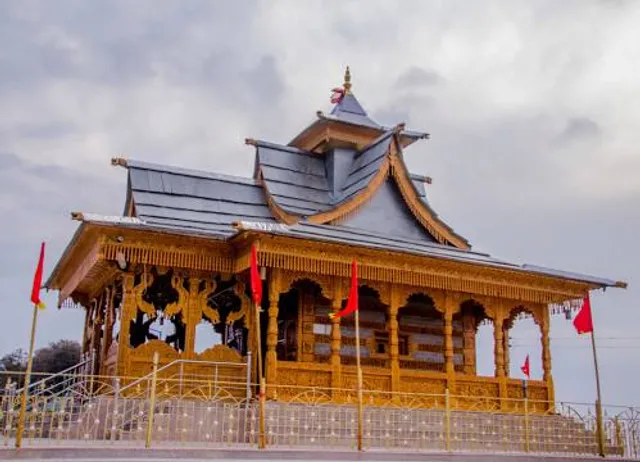
 Learn more insights from Wanderboat AI.