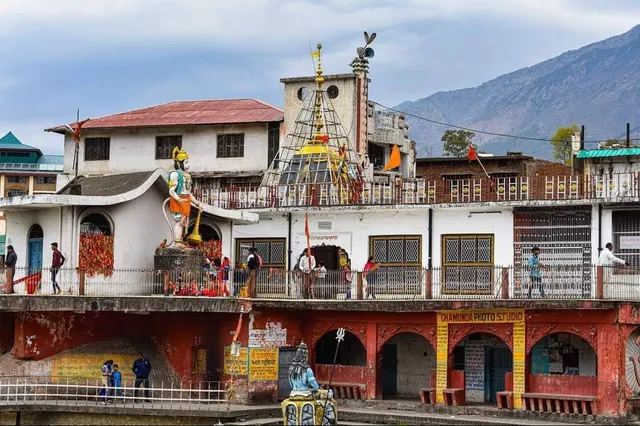
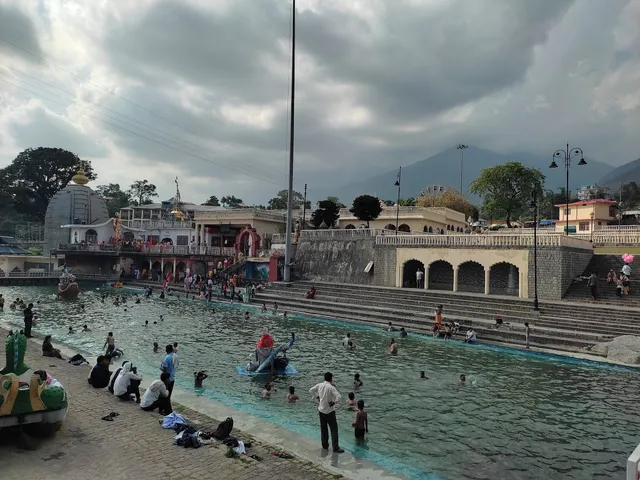
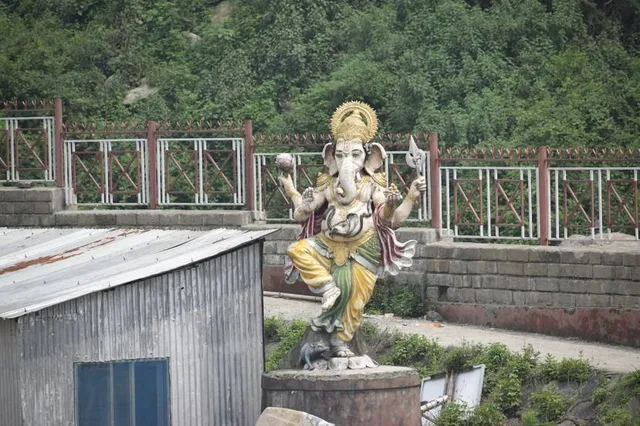
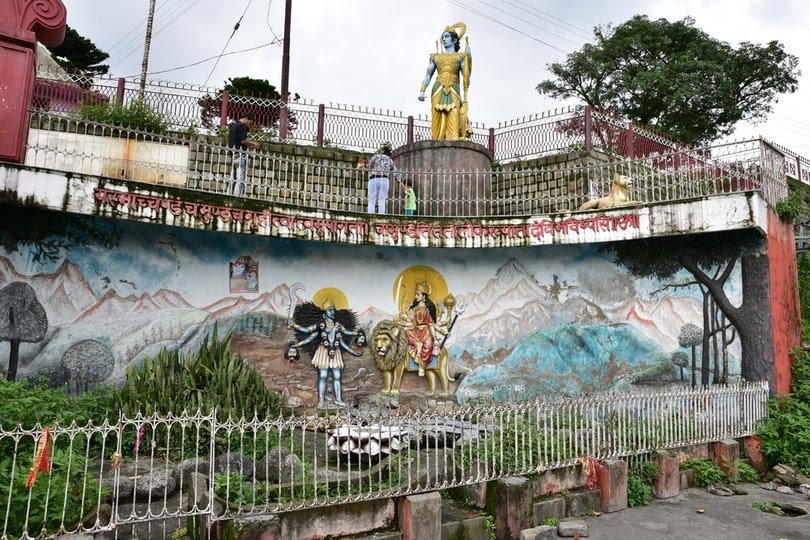
About Chamunda Devi Temple Chamunda Devi Temple, or the 'Chamunda Nandikeshwar Dham,' is one of the most prestigious and renowned holy shrines of the Hindus. It was built during the reigns of Maharaja Umed Singh and is dedicated to Goddess Kali. Chamunda Devi Temple is also known as the abode of Lord Shiva and Mata Shakti and presents the impressive architecture of the old era.
The temple is located on the banks of Banganga (Baner) River in Kangra district of Himachal Pradesh and is only 10 km from the well-known Palampur city. It is one of the most visited places in Chamba and is full of devotees throughout the year. But, Navratri season is the most bustling time as thousands of devotees come to get the blessings of Chamunda Devi.
This 16th-century temple is the unique masterpiece of ancient times and is full of floral and animal carvings on silver sheets. It was built using only wood and gabled roofs. It has a cave-like scoop with structures (Lingam) representing Nandikeshwar (Shiva) and a running water pool with the statues of Lord Shiva and Saraswati at the backside of the temple.
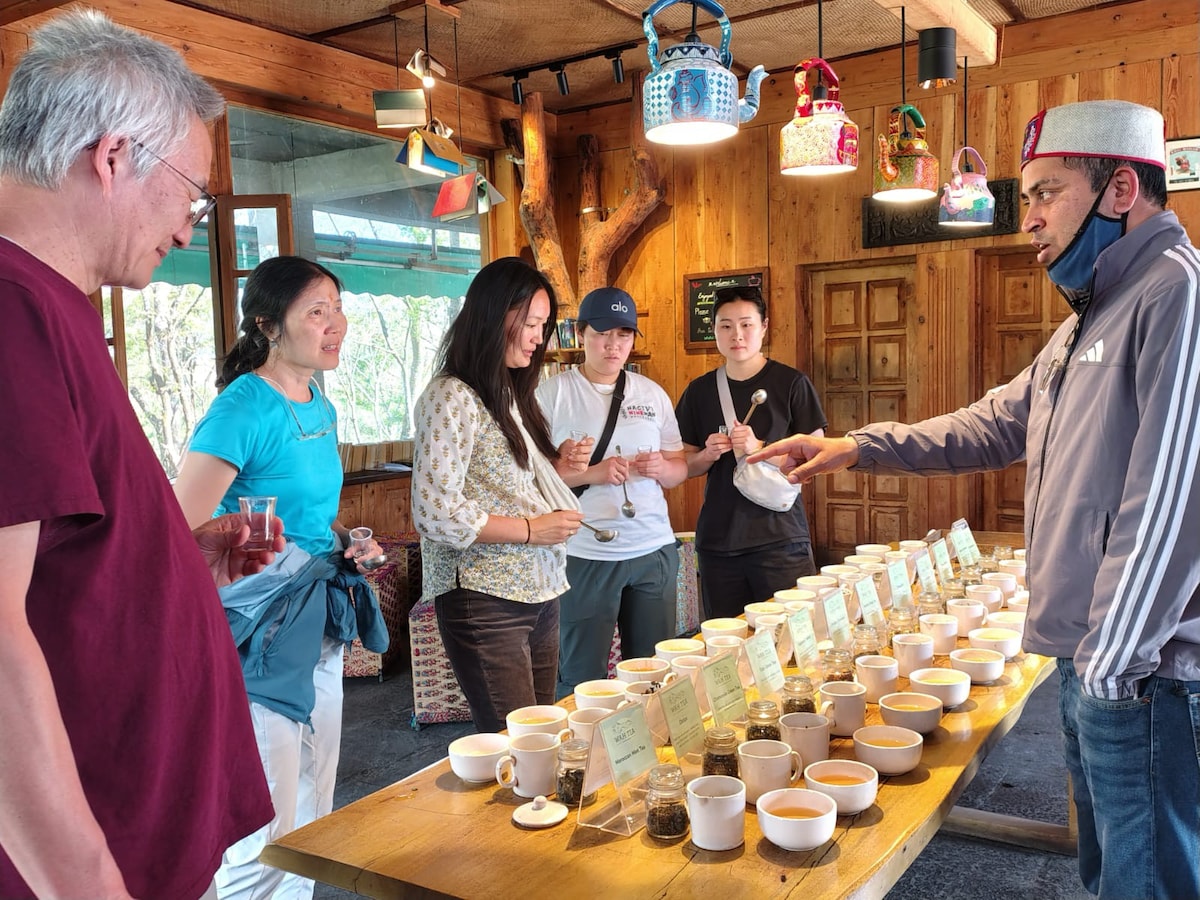
Not only this, but the temple complex also houses a handicraft center, which allows visitors to explore the vibrant culture and art scene of the Kangra district through the local artifacts. Visitors can take back souvenirs from a range of items, including wood carvings, wooden toys, handkerchiefs, honey, black pottery, chappals, Kangra tea, and world-famous Kangra paintings, etc. This is the place where radiance glorifies, making everything tranquil and shower fervor.
How to Reach Chamunda Devi Temple By Air: The nearest airport is Gaggal, which is connected through Indian Airlines flight with New Delhi and Chandigarh.
By Train: The nearest railway station for narrow-gauge tracks is Palampur, and for broad gauge lines, the nearest railway head is Pathankot.
By Road: Dharamshala, Palampur, and Pathankot, are the leading towns of Himachal Pradesh that offer various transport services including state-run buses, cabs, auto-rickshaws etc. One can easily reach the base of hilltop based Chamunda Devi Temple by using public transport and then either trek, climb stairs (378 steps) or drive...
Read moreVisiting Maa Chamunda Devi Temple, one of the most revered Shakti Peethas in India, was an extraordinary spiritual journey. Nestled in the scenic Kangra Valley of Himachal Pradesh, this ancient temple is dedicated to Goddess Chamunda, a fierce form of Maa Durga. The moment I stepped into the temple complex, I felt an overwhelming sense of divine energy and devotion.
According to Hindu History, this is where the goddess’s teeth (dant) fell, making it one of the 51 Shakti Peethas. The temple is named after Chandi and Munda, the demons slain by Maa Durga, symbolizing the victory of good over evil. The powerful aura of the goddess is palpable, and devotees believe that sincere prayers here bring protection, strength, and fulfillment of wishes.
The temple’s architecture is a blend of ancient and modern styles, with intricate carvings and a striking idol of Maa Chamunda adorned with garlands and ornaments. The rhythmic chants of "Jai Maa Chamunda", the sound of temple bells, and the fragrance of incense create a deeply meditative atmosphere. The priests perform rituals with great devotion, enhancing the spiritual experience.
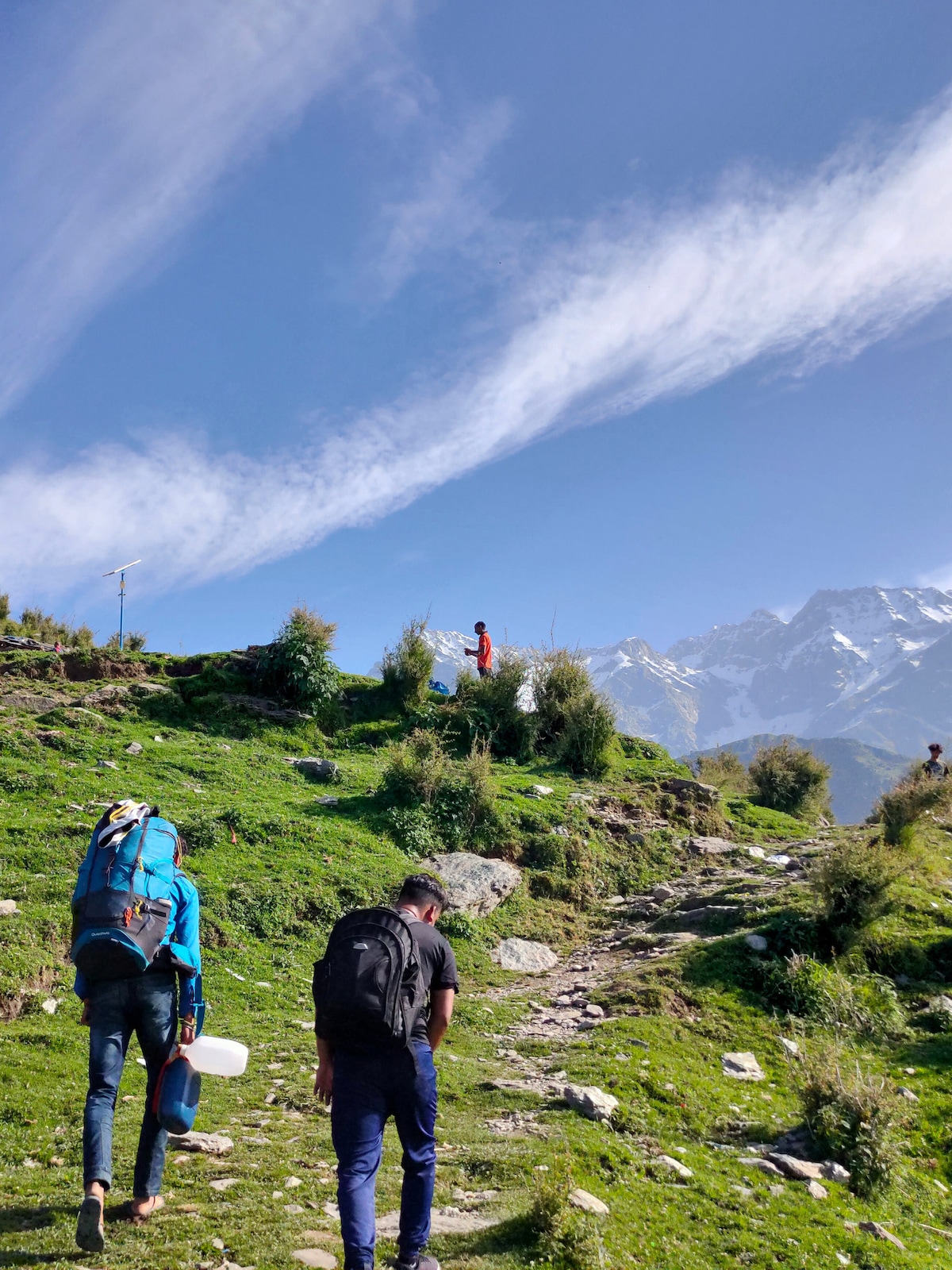
Perched on a hilltop near Palampur and Dharamshala, the temple offers panoramic views of the Dhauladhar ranges and the Baner River. The peaceful surroundings, fresh mountain air, and the sound of flowing water add to the divine experience. The well-maintained premises and cleanliness make the visit even more pleasant.
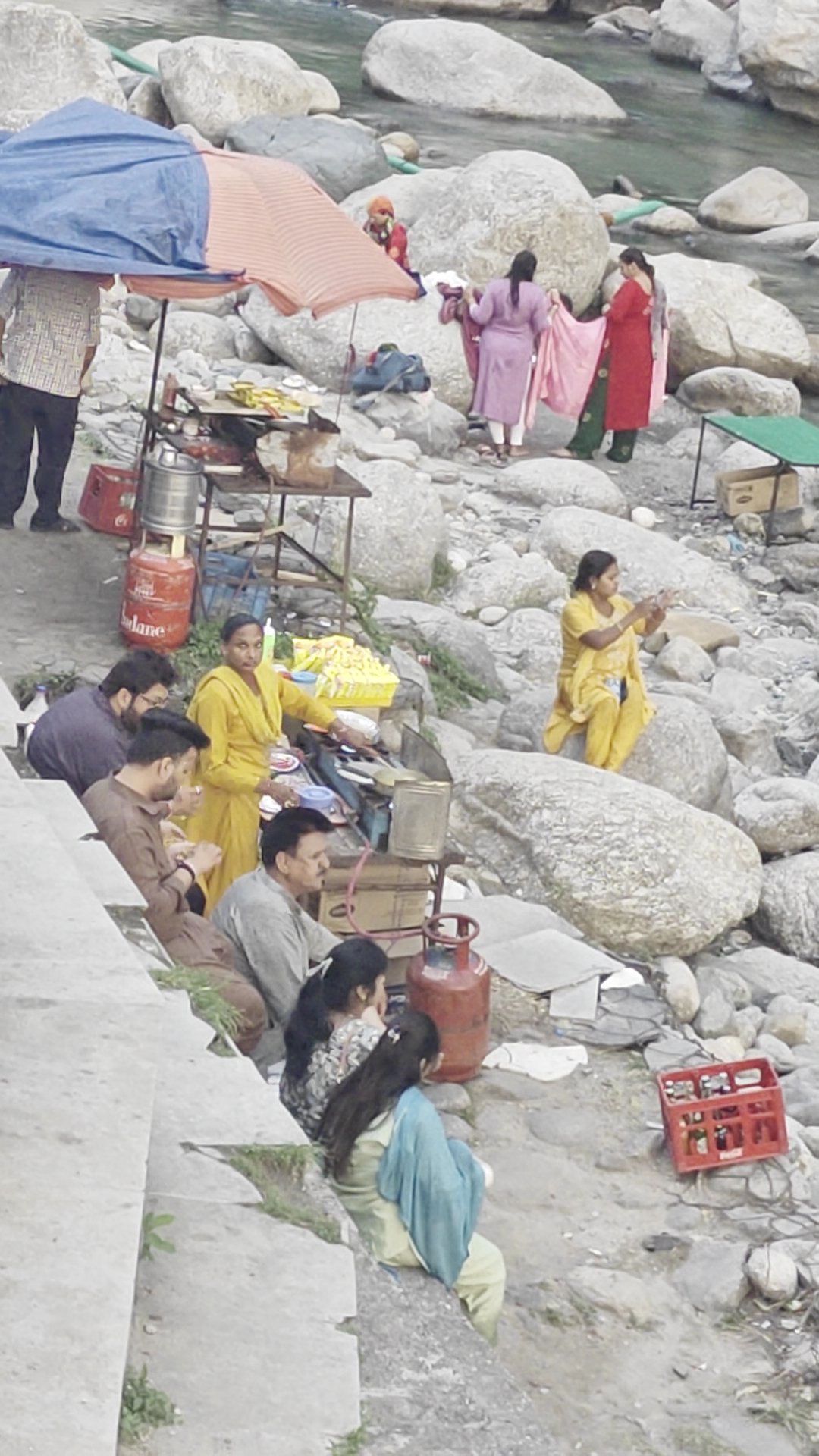
The temple is easily accessible by road from Kangra, Dharamshala, and Palampur. Ample parking and well-connected transport options are available. The temple trust provides clean facilities, and nearby shops offer prasad, souvenirs, and local Himachali snacks.
My visit to Maa Chamunda Devi Mandir was not just a pilgrimage but a soul-stirring experience. The goddess’s divine presence, the temple’s sacred energy, and the stunning Himalayan backdrop left me in awe. Whether you seek blessings, adventure, or inner peace, this temple is a must-visit.
A Truly Divine & Unforgettable...
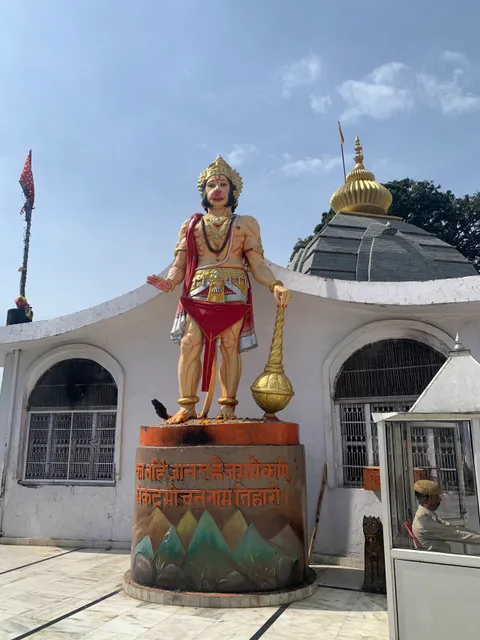
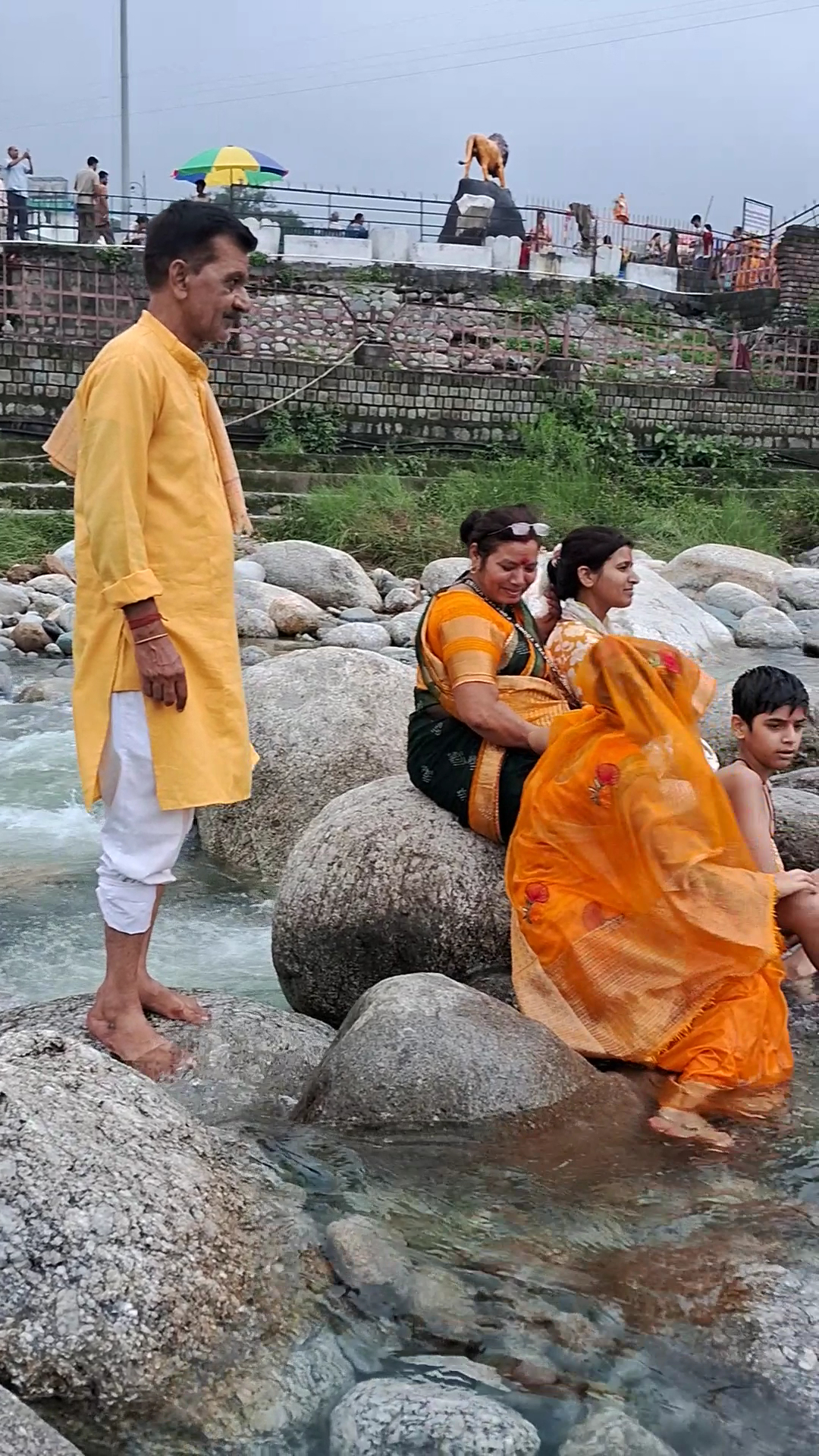
Read moreShakti Peeth Shri Chamunda Devi Temple, also known as Chamunda Nandikeshwar Dham, is a significant and revered temple dedicated to Shri Chamunda Devi, a fierce form of Goddess Durga. Situated approximately 19 kilometers away from Palampur in the Dharamshala Tehsil of the Kangra district in Himachal Pradesh, this ancient temple dates back to the 16th century and holds immense spiritual importance. It is considered one of the most prominent and popular temples in the entire region, attracting devotees from all over India. The temple's history is steeped in legend. It is believed that the goddess Chamunda emerged from the eyebrow of Goddess Durga during a fierce battle to slay the demons Chanda and Munda. Pleased with her victory, Durga bestowed upon her the name Chamunda. The temple is also associated with the legend of its relocation. About 400 years ago, a king and a priest sought the goddess's permission to move the original temple, which was located in a difficult-to-access uphill area, to a more convenient location. The goddess appeared in the priest's dream, revealing the location of an ancient idol, which was then enshrined in the present temple. The temple complex is beautifully located on the banks of the Baner River, offering picturesque views of the surrounding hills. The main shrine houses the sacred image of Goddess Chamunda, often depicted with multiple arms holding symbolic objects. The temple also features images of Lord Bhairav and Lord Hanuman flanking the main deity. A notable feature is a cave-like structure at the back of the temple with a stone lingam representing Lord Shiva, signifying the temple's association with both Shiva and Shakti. Devotees can also take a holy dip in the Kund (pond) within the temple complex. The serene atmosphere and the powerful spiritual energy of the temple make it a must-visit for those seeking blessings and a deeper connection...
Read more