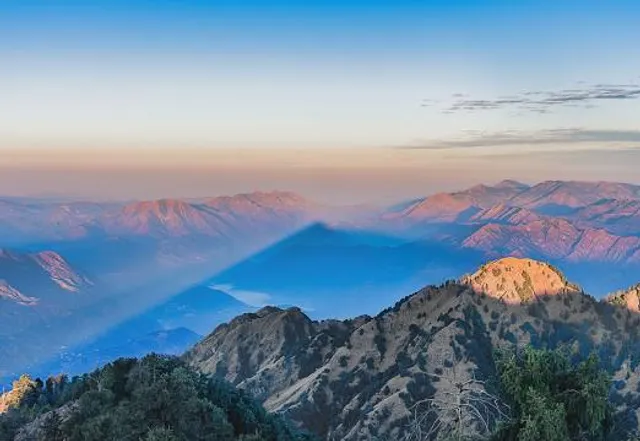
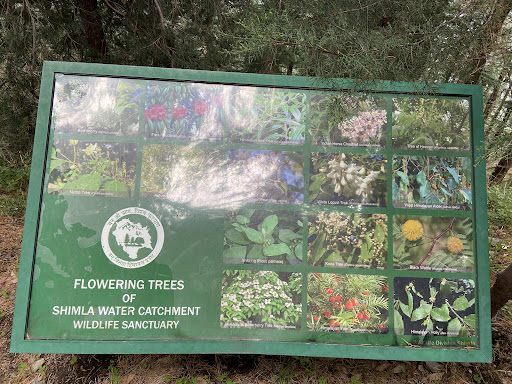
The Shimla Water Catchment Sanctuary, located in the picturesque hill station of Shimla, Himachal Pradesh, is a pristine natural reserve that plays a crucial role in preserving the regionâs water resources. Spanning over 3,100 hectares, the sanctuary serves as the primary catchment area for Shimla's water supply, making it vital for both ecological balance and the sustenance of the townâs population. Established in 1976, this sanctuary is situated amidst the beautiful Shivalik hills, with lush green forests and a diverse array of flora and fauna.
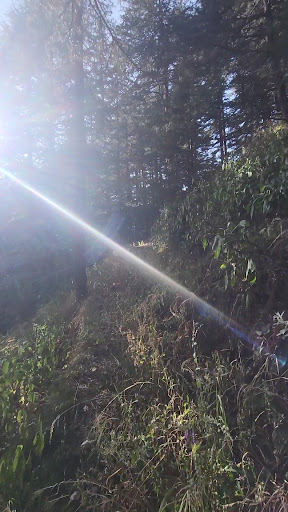
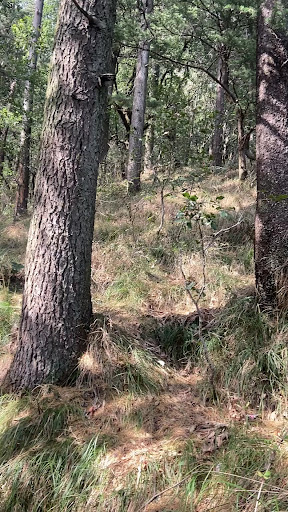
Flora and Fauna: The sanctuary is rich in biodiversity, with dense forests primarily consisting of oak, pine, deodar, and rhododendron trees. It is home to several species of wildlife, including Himalayan Monals, Leopards, Wild Boars, and Sambar Deer, though sightings are relatively rare due to the sanctuaryâs dense vegetation. The area also supports various smaller mammals, reptiles, and over 150 species of birds, making it a great destination for birdwatchers and nature enthusiasts.
Trekking and Activities: The Shimla Water Catchment Sanctuary offers a range of trekking opportunities for outdoor lovers. Trails lead visitors through shaded forest paths, providing beautiful views of the surrounding hills and valleys. The sanctuary is known for its tranquility, making it an ideal location for those seeking solitude amidst nature. While there arenât many established tourist facilities, its natural beauty and calm atmosphere make it a peaceful retreat.
Conservation: As the primary water source for Shimla, conservation efforts within the sanctuary are paramount. Human activities, such as construction and encroachments, pose threats to the ecosystem, but ongoing efforts aim to maintain the sanctuaryâs health.
Overall, the Shimla Water Catchment Sanctuary is a serene, ecologically significant destination that offers a perfect escape for nature lovers, while also playing a crucial role in sustaining the water resources...
   Read moreI visited here and it was a spontaneous stop on the way to Shimla from Kufri. We didnât check any reviews or have prior information before arriving and went straight to buy tickets at 150 Rs per person. Only after that did we learn itâs 7 km inside, and walking to and fro would take over 4 hours.
There was an option to rent cycles or bring our own, but no cycles were availableâthey were all rented out, and the booking counter said it could take 2+ hours for one to free up. Another option was the sanctuaryâs EV tour at 500 Rs per person, which takes 1.5 hours for a round trip. They have two EVs, each fitting about 6 people, but on our visit, one driver was on leave, leaving just one EV operational. So, there was a queue and waiting time for the EV.
Even in the off season, the sanctuary clearly doesnât have enough cycles or EVs to handle tourists efficiently.
We decided to walk in for 2 km and turn back, but even up to 0.7 km, we didnât spot much wildlife and the experience felt underwhelming, so we returned. The views might be beautiful inside. But itâs hard to explore fully unless youâre ready for a long hike.
Iâd recommend it to those who love walking and have time to spare, but it wasnât ideal for...
   Read moreâWalk in the woodsâ----------- Simla Water Catchment Sanctuary is situated adjacent to National Highway 22 and immediately north of Kufri, which lies some 12km by road east of Simla. The WCA Sanctuary, situated 8 Kms East of Shimla at an altitude of 1915 m to 2750 m, is a 20 minute drive from the city, via the Sanjauli-Dhalli Tunnel. This sanctuary comprises a moderately steep catchment which is the main water supply for Simla. Nine perennial streams flow from this area, the main ones being Churat Nala and God Ki Nala. We walked into the forest, taking the forest trail for some 2.5 kms one way on cycle. Although total trek is about 7 Km.Since cars are not allowed to enter, we could not go right upto the heart of the sanctuary due to rain and snow. Nonetheless, the forest, being the biggest pine forest in Asia, offers much in form of peace, tranquility, crisp air, sounds of insects and birds, and breathtaking views of dense pine forests all round. A must do experience for those interested in outdoors.And the best part was that while our trek we had a mild snow fall, it was...
   Read more