Jai baba Balak Nath ji
Guru Gorakhnath wanted Babaji to join his sect and tried his best to do so. Babaji was not willing for that. One day Guru Gorakh Nath along with his 300 disciples and asked Babaji to provide them seating. Babaji spread his towel and surprisingly a portion of that remained unoccupied even after accommodating Guru Gorakh Nath along with his all disciples. Then Gorakh Nath asked Babaji to bring some water in a bowl from a nearby hill-bauli. Babaji found some magic in the bowl when he filled it with water. Thus he understood the intention of Guru Gorakh Nath. Babaji made that bauli disappear by his Sidhi and told Gorakh Nath about the non-existence of the bauli. Gorakh Nath asked his disciple Bhartrihari to accompany Babaji to verify the fact. Bhartrihari was taken aback by the non-existence of the bauli. Babaji told Bhartrihari the factual position and further emphasized the imprudence of Gorakh Nath for shunning the workship of "Lord Shiva" and in its place recommending his own adoration. Bhartrihari understood the whole game and offered his devotion to Lord Shiva. This time also, BabaJi returned without water. Then Gorakh Nath sent Bhaironath to bring Bhartrihari back along with water. Bhairon Nath too couldn't spot the water and returned empty handed without water and Bhartrihari. Thereafter Gorakh Nath asked Babaji to serve them milk. Babaji called a non-milking barren cow and patted her. The cow started milking and everybody took milk. Amazingly there was still lot of milk in the bowl. Gorakh Nath threw his worshipping skin to sky and asked Babaji to bring back to the earth. Babaji aimed the skin with his "Chimata" and pieces of skin fell on earth. At this, Babaji tempted Gorakh Nath to bring Babaji's "Chimata" back to the earth. Gorakh Nath asked Bhairon to do the same, which Bhairon couldn't.
Reaching to Deoth Sidh and Cave Dwelling : After getting defeat in every feat, Gorakh Nath directed his disciples to forcibly put rings in the ears of BabaJi. Every disciple became faint before doing so, During that struggle BabaJi made a loud cry and reached a place where "Charan Paduka" temple is situated. From "Charan Paduka", BabaJi went to a cave on the hill. A demon came out of the Cave and warned BabaJi to go away. Babaji, by his "sidh-shakti" forced the demon to vacate the cave for BabaJi's meditation. The demon understood the state of affairs and went away. Then BabaJi settled there for meditation. Bhartrihari also settled for meditation near that cave. One day, a Brahmin named as "Banarasi" from the nearby village Chakmoh came to that area for grazing his cows. BabaJi appeared before him and interacted. Brahmin told Babaji about his barren cows. Babaji asked where his cows were. Surprisingly only lions and tigers were there. After seeing the stunning posture of Brahmin, Babaji asked him to call his cows. Astonishingly, as the Brahmin called, his cows surrounded him. Seeing the miracle, Brahmin became the devotee of Babaji. Brahmin continued to see Babaji. One day Babaji told him that he would disappear one day and asked the Brahmin to continue the tradition of "Dhuna" and worshipping. Brahmin followed the point and maintained the tradition. A lamp remained lighted near Babaji whose light spread away in the nearby villages. Thus people had started calling Babaji as "Baba Deoth Sidh" and later on the place became famous as "Baba...
Read moreThe story of the temple The Baba Balak Nath Temple in Deotsidh is a significant religious site located in Himachal Pradesh, India. It is dedicated to Baba Balak Nath, who is revered as a deity and is believed to be an incarnation of Lord Shiva. The temple holds great importance among devotees, attracting pilgrims from various parts of India and even from neighboring countries like Pakistan.
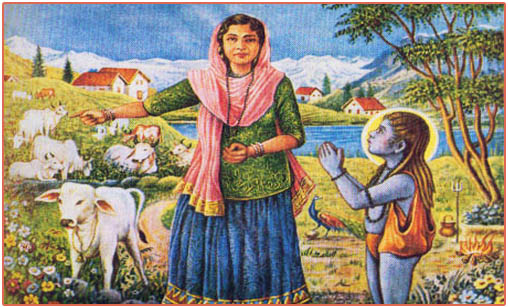
Legend of Baba Balak Nath: The legend of Baba Balak Nath is rooted in folklore and mythology. According to popular belief, he was born to a Brahmin couple in Rajasthan. His divine birth was foretold by Lord Shiva to his parents, who then devoted their lives to his upbringing. However, his mother could not accept his renunciation of worldly life and tried to dissuade him from becoming an ascetic. Legend has it that in response, Baba Balak Nath miraculously turned into a child and remained as such for the rest of his life, earning him the name "Balak Nath," which means "Child God."
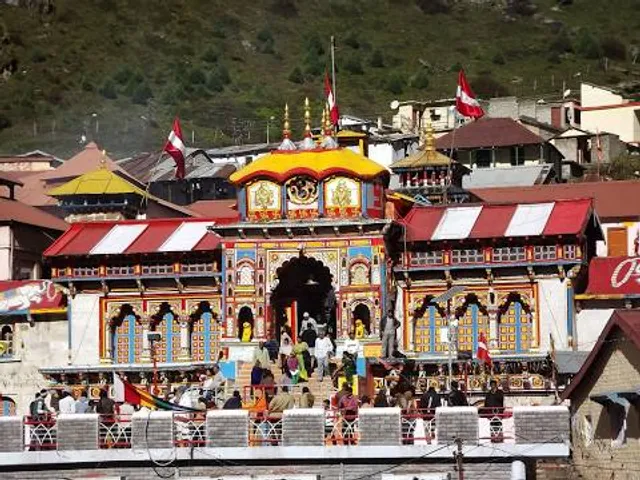
Establishment of the Temple: The temple at Deotsidh is believed to have been established around 250 years ago by Baba Balak Nath's followers. Over time, it has grown in significance and size, becoming one of the most visited shrines in the region. The main sanctum of the temple houses the idol of Baba Balak Nath, where devotees offer prayers and seek blessings for health, prosperity, and fulfillment of their wishes.
Pilgrimage and Rituals: Devotees visit the temple throughout the year, with special significance during festivals like Navratri and the Mela Chet festival, which is celebrated with great fervor. During these times, the temple complex buzzes with activities, including devotional songs, rituals, and community feasts.
Spiritual Significance: The temple is not only a place of worship but also a center of spiritual learning and discourse. Many devotees believe that Baba Balak Nath grants boons and fulfills the wishes of his followers. People from various walks of life come here seeking his blessings, especially for the well-being of children and for protection from diseases.
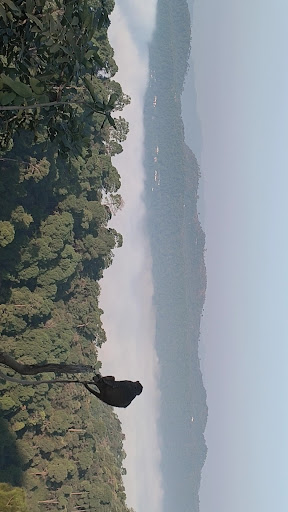
Architecture and Surroundings: The temple complex itself is set amidst serene surroundings, nestled in the foothills of the Himalayas. The natural beauty around Deotsidh adds to the spiritual ambiance of the place, making it an ideal destination for both religious observance and peaceful retreat.
Conclusion: The Baba Balak Nath Temple at Deotsidh stands as a testament to the enduring faith and devotion of countless devotees who seek solace and blessings from Baba Balak Nath. Its rich mythology, coupled with its tranquil setting, makes it not just a religious site but a cultural and spiritual landmark in Himachal...
Read moreDeotsidh Temple is a famous cave temple dedicated to Baba Balak Nath. It is an important center of worship for devotees coming in from all parts of India. Located in the scenic terrains of Dhaulgiri Hills and atop Deotsidh Dhar Range in Shivalik Hills, this temple is bordered by Hamirpur (45 km) and Bilaspur (40 km) towns. Deotsidh Temple can be easily accessible by road and other means of transportation. Shri Sidh Baba Balak Nath Temple at Deotsidh is one of the most renowned shrines in Northern India and is dedicated to Baba Balak Nath (also considered an incarnation of Lord Shiva). Shri Baba Balak Nath was a spiritual reformer during the times of Shakti movement and is revered for his acts of philanthropy. A holy shrine here is inaccessible to women who are barred from entering the cave. They can view the deity from a raised platform, which is located in front of the cave temple. Sunday is considered an auspicious day to visit Deotsidh Temple--when millions of devotees offer sweetened Indian flour breads known as Rota to Sri Sidh Baba Balak Nath as thanksgiving for his kindness and love. Goats offered at the altar are not sacrificed but taken well care of by temple authorities. Festivals and fairs are organized within the temple’s premises on Holi when it attracts swarms of devotees who come from far and near. Deotsidh Temple is also thronged by thousands of devotes during Navratri, which lasts from March to September. Proper facilities for accommodation, water, toilet and food are provided by the Government during peak seasons such as during festivals. The administration of Deotsidh Temple came under Government of Himachal Pradesh in 1987. Since then, all activities of the temple are managed and controlled by Deputy Commissioner of Hamirpur. Devotees and tourists visiting Deotsidh Temple also like to savor the joys of boarding the ropeway at Shahtalai, which is located 5 km away. The other places of interest nearby include a view point for the Mighty Bhakra Nangal Dam and the popular Shri Naina Devi Temple. Some visitors also like to travel 100 km onwards to Nangal, which is the gateway to the...
Read more