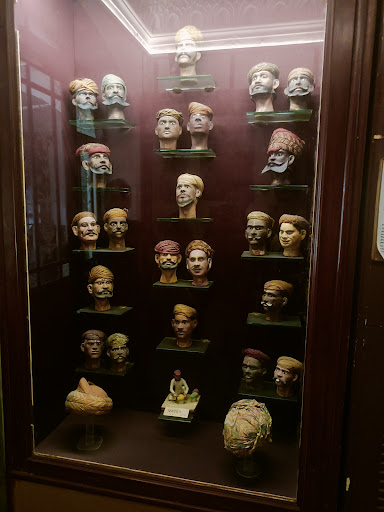
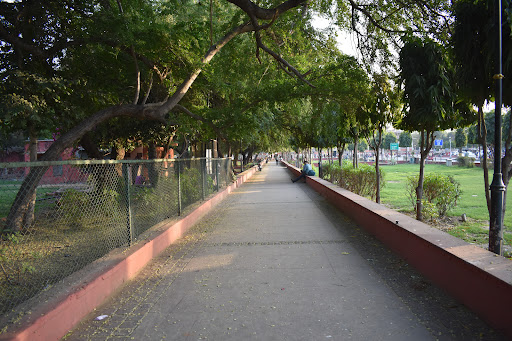
Central Museum Of Jaipur things to do, attractions, restaurants, events info and trip planning
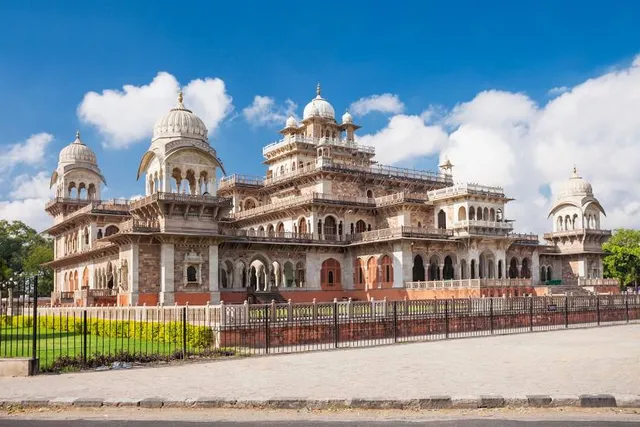
Basic Info
Central Museum Of Jaipur
WR69+RX8, Unnamed Road, Ram Niwas Garden, Kailash Puri, Adarsh Nagar, Jaipur, Rajasthan 302004, India
4.5(106)
Open 24 hours
Save
spot
spot
Ratings & Description
Info
Cultural
Family friendly
Accessibility
attractions: Albert Hall Museum, Jaipur Zoo, Albert Hall Zoo, Ramniwas Bagh, Sawan Bhado Park, restaurants: Masala Chowk, Delhi Chaat and Cafe, Indian ice cream and kulfi faluda, Gopal Singh Patasi Bhandar, Indian Kulfi Faluda, Falahaar, Al Umar Take Away, Ganesh Restaurant, Neelam Dhaba, Bilal Hotel, local businesses: Albert Hall, Ajmeri Gate, Bapu Bazaar, The Jaipur Crafts, Dev Hotel Tandoori dhaba, Shankar Namkeen Bhandar , shop no 5, Jal Mahal Ice Cream Parlour, Bapu Bazaar, Elefun Elephant - Best Elephant Wildlife Sanctuary in Jaipur, C.R.HANDICRAFTS
 Learn more insights from Wanderboat AI.
Plan your stay

Pet-friendly Hotels in Jaipur Municipal Corporation
Find a cozy hotel nearby and make it a full experience.

Affordable Hotels in Jaipur Municipal Corporation
Find a cozy hotel nearby and make it a full experience.

The Coolest Hotels You Haven't Heard Of (Yet)
Find a cozy hotel nearby and make it a full experience.

Trending Stays Worth the Hype in Jaipur Municipal Corporation
Find a cozy hotel nearby and make it a full experience.
Reviews
Live events
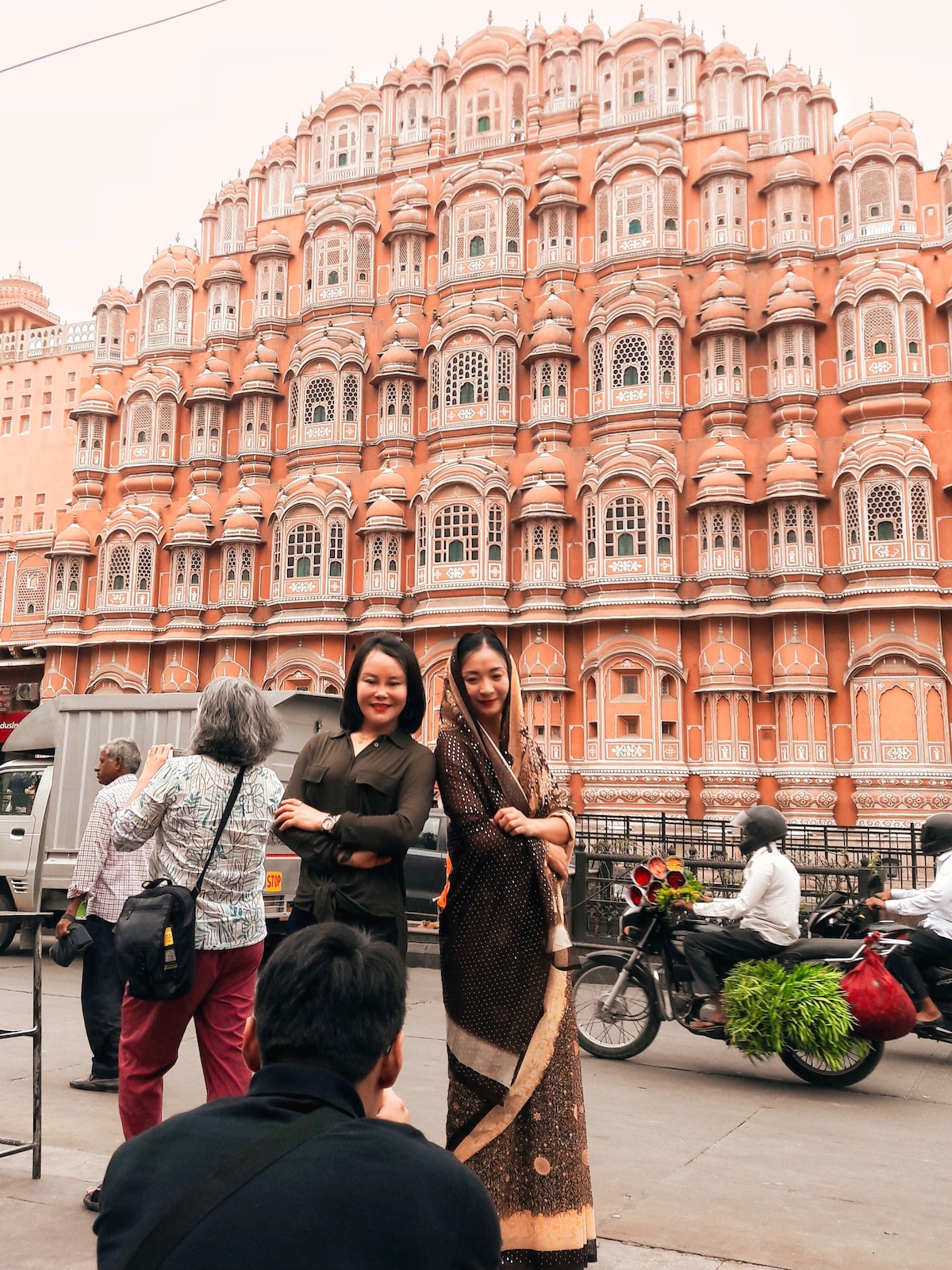
Hidden Gems of Pinkcity & Block Printing Workshop
Thu, Feb 26 • 8:00 AM
Jaipur, Rajasthan, 302001, India
View details
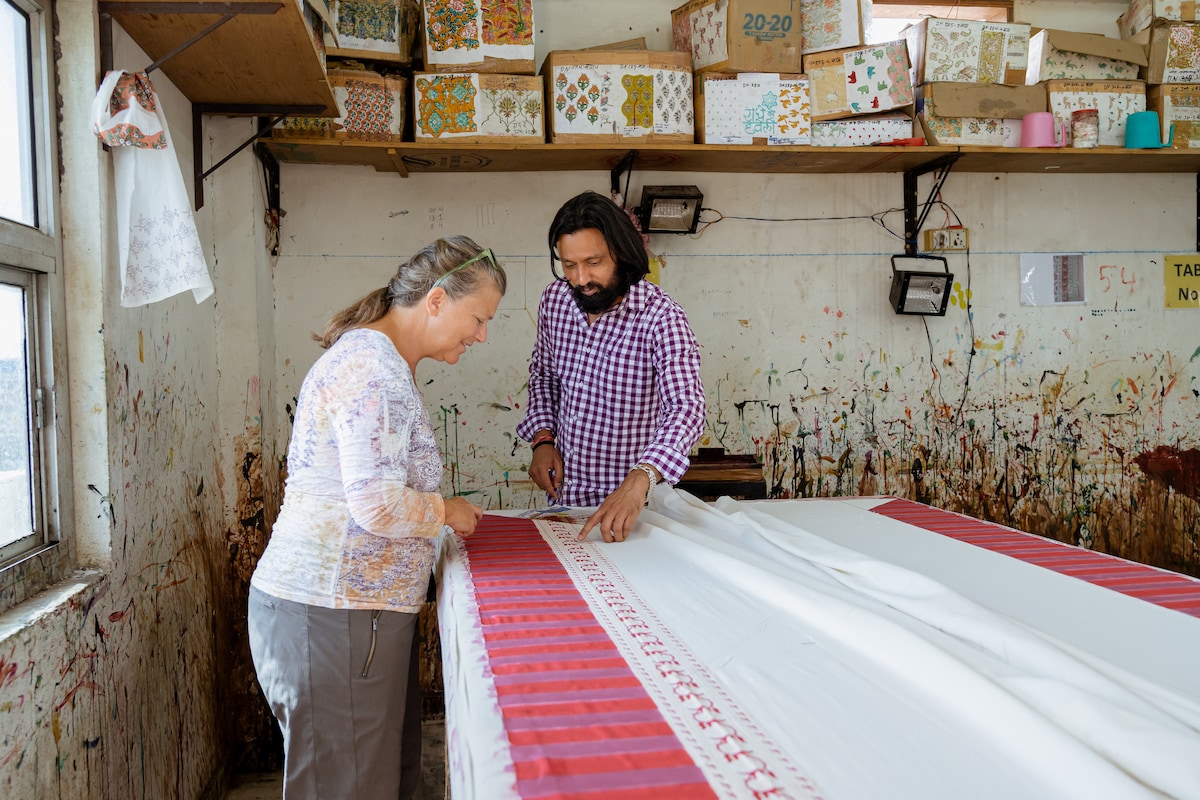
Create traditional handblock printed fabric
Wed, Feb 25 • 9:30 AM
Jaipur, Rajasthan, 302015, India
View details
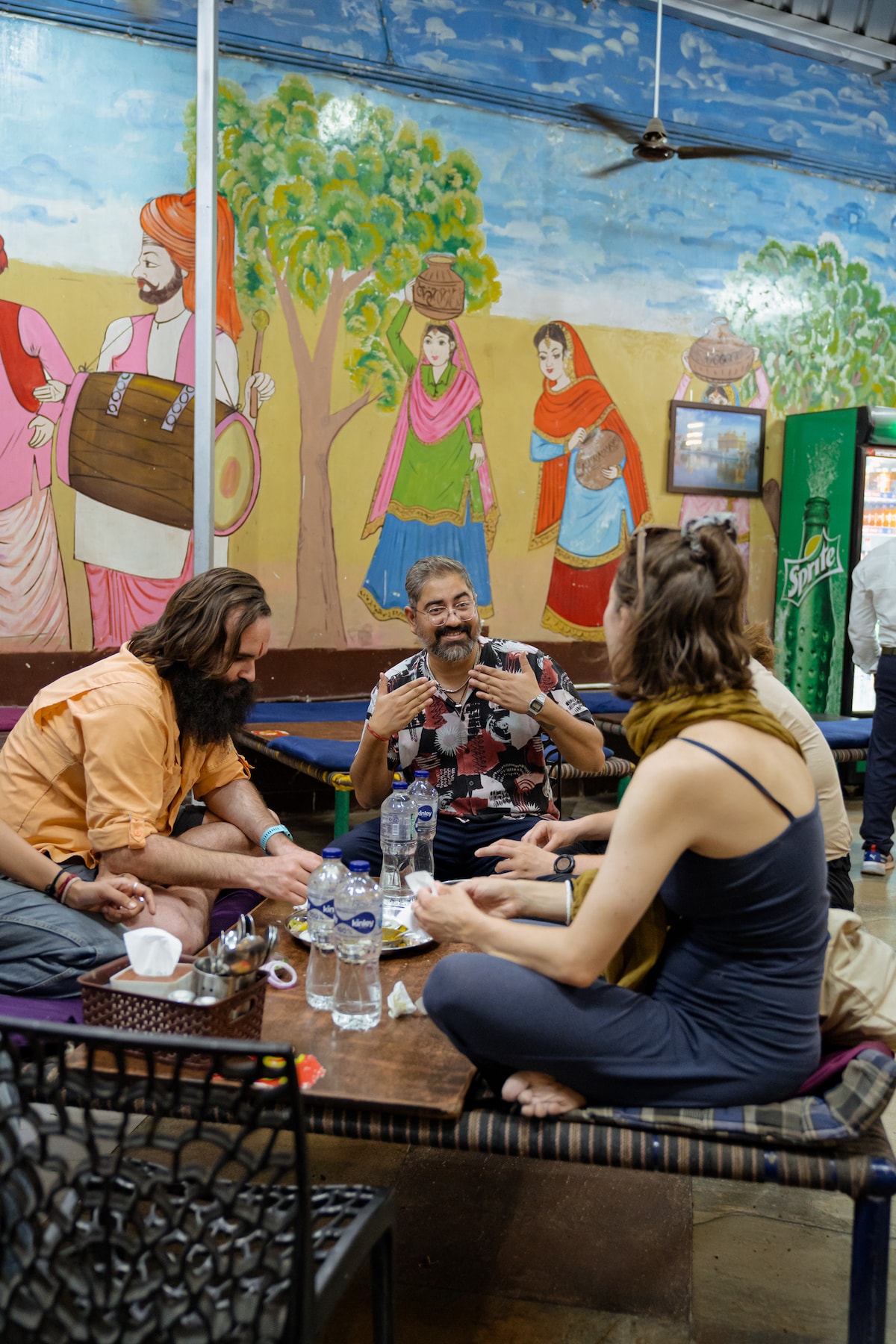
Eat like a local on Jaipur’s street food tour
Wed, Feb 25 • 6:30 PM
Jaipur, Rajasthan, 302007, India
View details
Nearby attractions of Central Museum Of Jaipur
Albert Hall Museum
Jaipur Zoo
Albert Hall Zoo
Ramniwas Bagh
Sawan Bhado Park
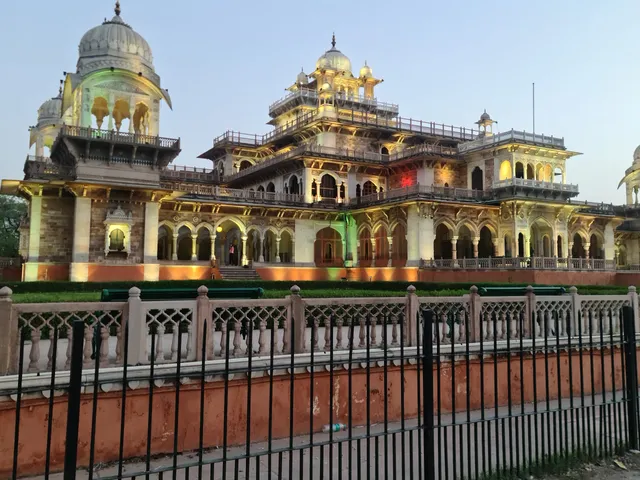
Albert Hall Museum
4.5
(24.5K)
Closed
Click for details
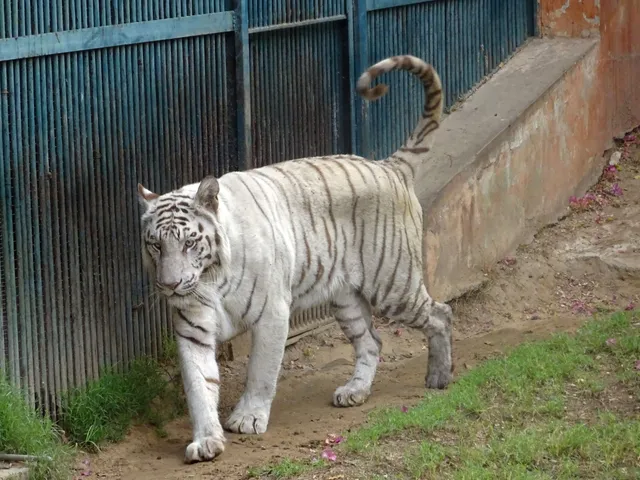
Jaipur Zoo
3.6
(4.8K)
Closed
Click for details
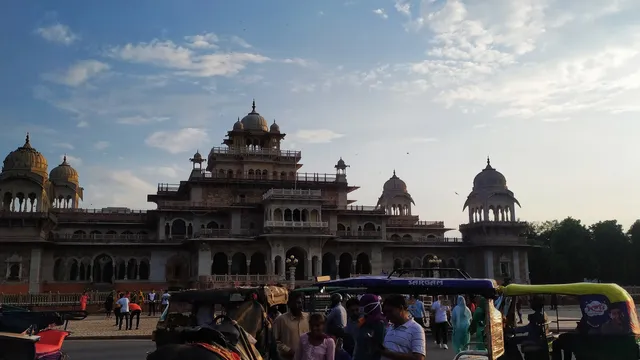
Albert Hall Zoo
4.1
(177)
Open until 9:30 PM
Click for details
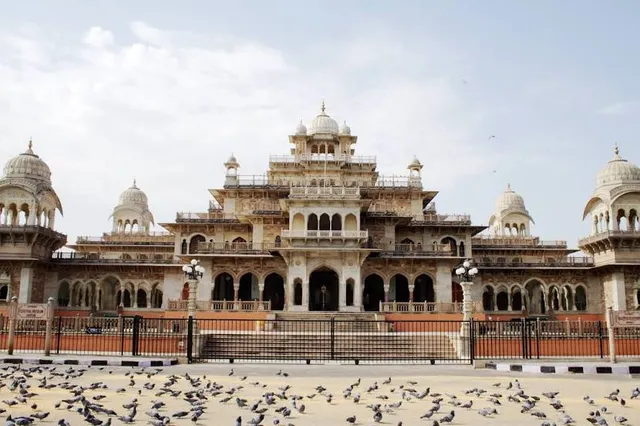
Ramniwas Bagh
4.4
(2.9K)
Open until 12:00 AM
Click for details
Nearby restaurants of Central Museum Of Jaipur
Masala Chowk
Delhi Chaat and Cafe
Indian ice cream and kulfi faluda
Gopal Singh Patasi Bhandar
Indian Kulfi Faluda
Falahaar
Al Umar Take Away
Ganesh Restaurant
Neelam Dhaba
Bilal Hotel
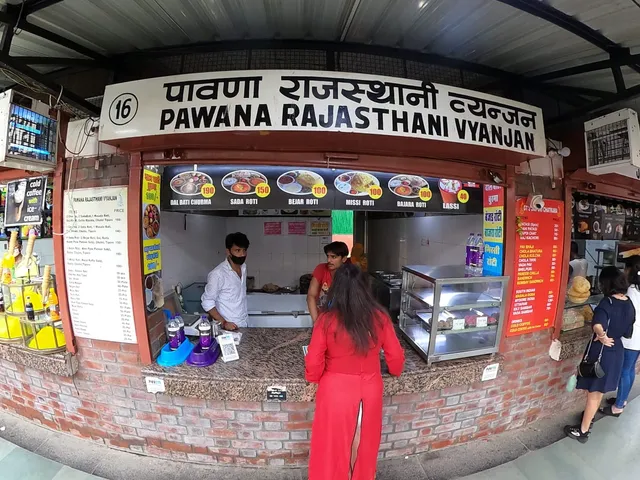
Masala Chowk
4.3
(7K)
Open until 10:30 PM
Click for details
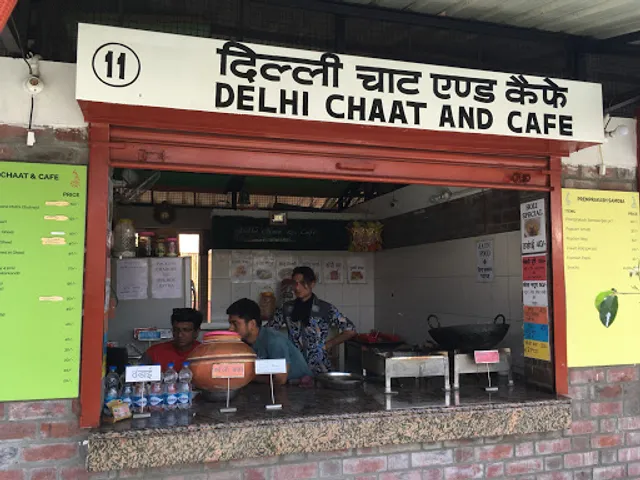
Delhi Chaat and Cafe
3.8
(19)
Open until 10:00 PM
Click for details
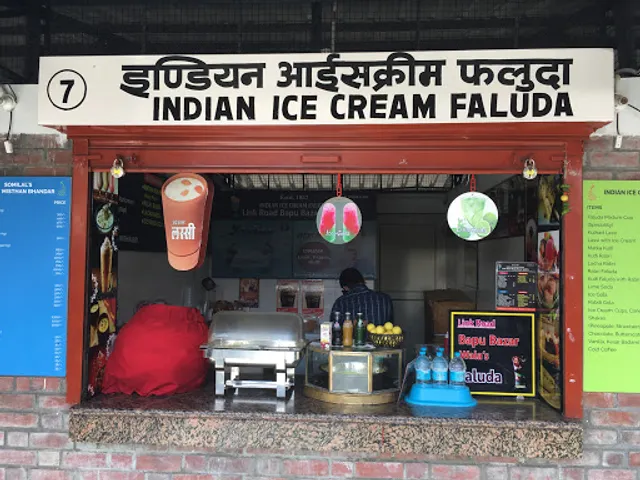
Indian ice cream and kulfi faluda
4.0
(30)
Open until 11:30 PM
Click for details
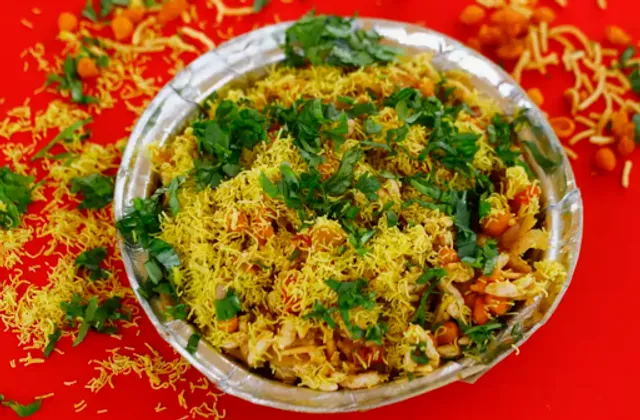
Gopal Singh Patasi Bhandar
3.7
(14)
Open until 10:00 PM
Click for details
Nearby local services of Central Museum Of Jaipur
Albert Hall
Ajmeri Gate
Bapu Bazaar
The Jaipur Crafts
Dev Hotel Tandoori dhaba
Shankar Namkeen Bhandar , shop no 5
Jal Mahal Ice Cream Parlour
Bapu Bazaar
Elefun Elephant - Best Elephant Wildlife Sanctuary in Jaipur
C.R.HANDICRAFTS
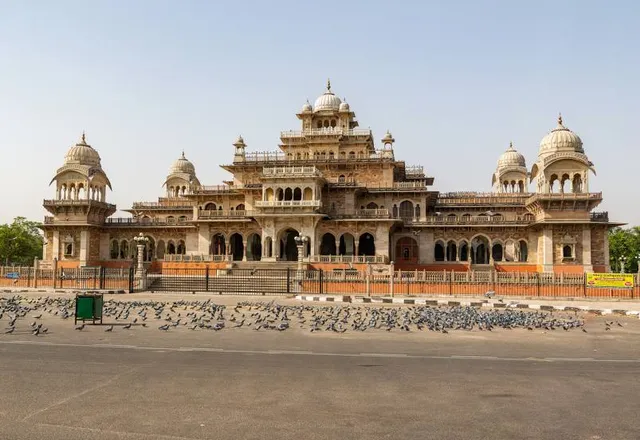
Albert Hall
4.5
(52)
Click for details
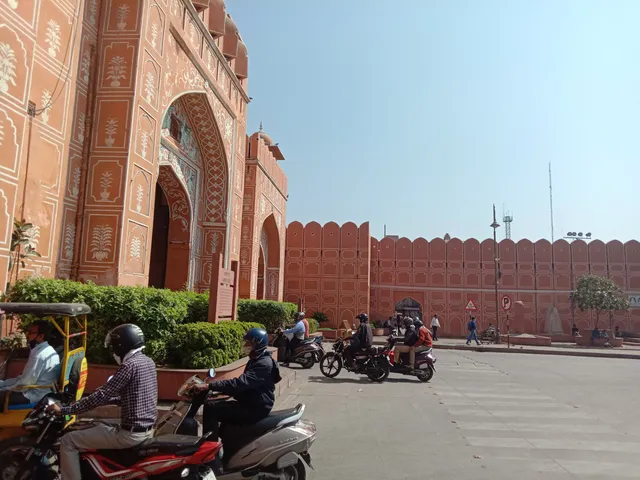
Ajmeri Gate
4.4
(5.6K)
Click for details

Bapu Bazaar
4.3
(486)
Click for details
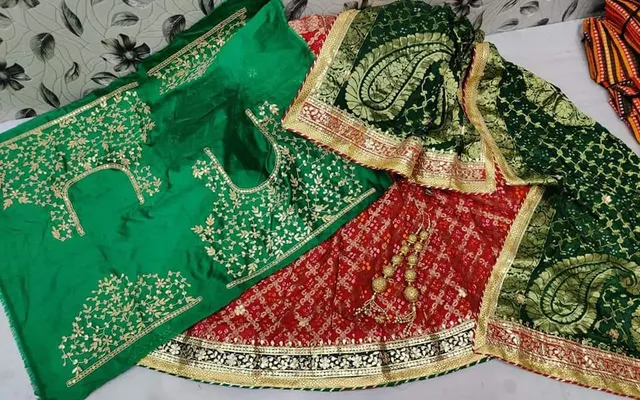
The Jaipur Crafts
4.1
(14)
Click for details