HTML SitemapExplore
logo
Find Things to DoFind The Best Restaurants

Ancient Martand Surya Temple — Attraction in Jammu and Kashmir

Name
Ancient Martand Surya Temple
Description
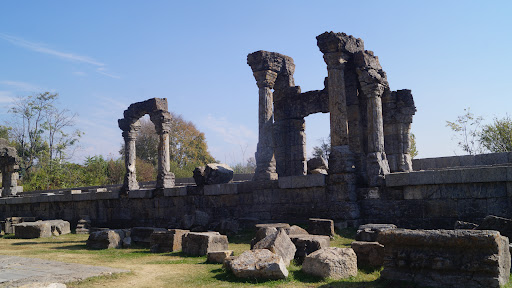
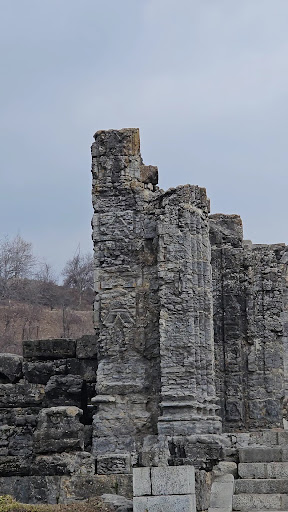
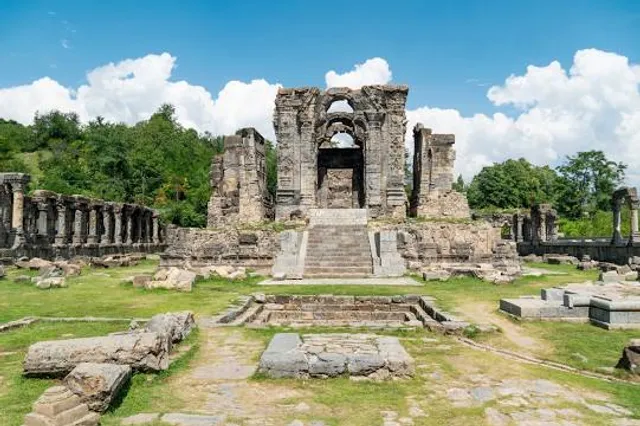
The Martand Sun Temple is an eighth-century-CE Hindu temple attributed to Lalitaditya Muktapida of the Karkota dynasty. The temple is located near the city of Anantnag in the Kashmir Valley of Jammu and Kashmir, India.
Nearby attractions
Nearby restaurants
Nearby hotels
Related posts
Keywords
Ancient Martand Surya Temple tourism.Ancient Martand Surya Temple hotels.Ancient Martand Surya Temple bed and breakfast. flights to Ancient Martand Surya Temple.Ancient Martand Surya Temple attractions.Ancient Martand Surya Temple restaurants.Ancient Martand Surya Temple travel.Ancient Martand Surya Temple travel guide.Ancient Martand Surya Temple travel blog.Ancient Martand Surya Temple pictures.Ancient Martand Surya Temple photos.Ancient Martand Surya Temple travel tips.Ancient Martand Surya Temple maps.Ancient Martand Surya Temple things to do.
Ancient Martand Surya Temple things to do, attractions, restaurants, events info and trip planning
Ancient Martand Surya Temple
IndiaJammu and KashmirAncient Martand Surya Temple

Basic Info

Ancient Martand Surya Temple

P6WC+754 Sun Temple, Mattan, Jammu and Kashmir 192125
4.6(435)
Open 24 hours
Save
spot

Ratings & Description

Info

The Martand Sun Temple is an eighth-century-CE Hindu temple attributed to Lalitaditya Muktapida of the Karkota dynasty. The temple is located near the city of Anantnag in the Kashmir Valley of Jammu and Kashmir, India.

Cultural
Scenic
Outdoor
Off the beaten path
attractions: , restaurants:
logoLearn more insights from Wanderboat AI.

Plan your stay

hotel
Pet-friendly Hotels in Jammu and Kashmir
Find a cozy hotel nearby and make it a full experience.
hotel
Affordable Hotels in Jammu and Kashmir
Find a cozy hotel nearby and make it a full experience.
hotel
The Coolest Hotels You Haven't Heard Of (Yet)
Find a cozy hotel nearby and make it a full experience.
hotel
Trending Stays Worth the Hype in Jammu and Kashmir
Find a cozy hotel nearby and make it a full experience.

Reviews

Get the Appoverlay
Get the AppOne tap to find yournext favorite spots!
Wanderboat LogoWanderboat

Your everyday Al companion for getaway ideas

CompanyAbout Us
InformationAI Trip PlannerSitemap
SocialXInstagramTiktokLinkedin
LegalTerms of ServicePrivacy Policy

Get the app

© 2025 Wanderboat. All rights reserved.
logo

Posts

Your browser does not support the video tag.
solowanderingsoulsolowanderingsoul
I bet you dint know about this 8th century AD Sun temple Ruins in Anantnag Kashmir. It is Martand Sun temple. It was built by the 3rd king of Kashmir under the Karkota dynasty. It was built during 725 - 756 AD. The temple was destroyed by the Shah Miri dynasty in the 15th century, on the orders of the erstwhile ruler of Kashmir, Sikandar Shah Mir. The temple is listed under the lists of centrally protected monuments by the Archeological survey of India. #kashmirfiles #kashmirvalley #templesofindia #ancientruins #ruins #storiesofindia #indiatraveller #indianarchitecture #realindia #undiscovered #mustvisit #indiapictures #indiaphotography #indiatravel #kashmirupdates #kashmirtourism #worldtravelpics #beautifulplace #travelbloggers #reelitfeelit❤️❤️ #reelkarofeelkaro♥️ #travelideas #travelingram #travelbucketlist
Avijit SurAvijit Sur
The Martand Sun Temple is a Hindu temple located near the city of Anantnag in the Kashmir Valley of Jammu and Kashmir. One can visit this place on their journey to/from Pahelgam. It dates back to the eighth century AD and was dedicated to Surya, the chief solar deity in Hinduism; Surya is also known by the Sanskrit-language synonym Martand. The Martand temple was built on top of a plateau from where one can view whole of the Kashmir Valley. The way to reach the temple is also beautiful with a zigzag road. From the ruins and related archaeological findings, it can be said it was an excellent specimen of Kashmiri architecture, which had blended the Gandharan, Gupta and Chinese forms of architecture. The beauty even exists in ruins and you can think about how beautiful it was when it was fully practiced temple! Built in 8th century AD, it is senior to the Konark Sun Temple of Odisha (13th century) and Modera Sun Temple of Gujarat (11th Century). The impressive Martand Sun Temple was built during reign of one of the mightiest emperors of north India, Lalitaditya Muktapida. The Martand Sun Temple stands as his most magnificent creation. There are no entry fees for this place. It will take 30-45 minutes minimum to visit the whole place, see the sculptures and photography. Many Bollywood films like Aandhi, Hyder etc was shot here. Most tourists do not visit this still beautiful heritage of our rich history. Many of the local drivers are also unaware about this place. So, tell your driver in advance that you want to go there and you may have to use google maps to reach there. A must visit place during Kashmir trip.
Mohiuddin SiddiquiMohiuddin Siddiqui
Perched amidst the scenic landscapes of Anantnag district in Kashmir lies the Martand Sun Temple, a majestic architectural marvel dating back to the 8th century AD. Built during the reign of Lalitaditya Muktapida, this temple stands as a testament to the rich cultural heritage and architectural prowess of ancient India. Despite the ravages of time and destruction wrought by Sikander Shah Miri in the 15th century, the remnants of the Martand Sun Temple continue to inspire awe and admiration. Its location, nestled amidst the rugged terrain, speaks volumes of the ingenuity and perseverance of its builders who hauled massive stones up steep inclines without modern machinery. Even in its ruined state, the temple's intricate carvings and imposing structure evoke a sense of grandeur and reverence. As one stands amidst the remnants, transported back in time, it's impossible not to marvel at the monumental achievements of our ancestors. While the temple may be a bit off the beaten path, its historical significance and spiritual aura make it a must-visit destination for travelers exploring the Anantnag district. Visitors can immerse themselves in the serene ambiance, surrounded by apple and walnut orchards, as they contemplate the temple's glorious past. Though no longer a place of active worship, the Martand Sun Temple remains a beacon of India's ancient heritage, inviting visitors to witness the enduring legacy of our ancestors. Standing amidst the ruins, one can't help but feel a profound sense of humility and gratitude for the opportunity to connect with history in such a profound and tangible way.
See more posts
See more posts
hotel
Find your stay

Pet-friendly Hotels in Jammu and Kashmir

Find a cozy hotel nearby and make it a full experience.

I bet you dint know about this 8th century AD Sun temple Ruins in Anantnag Kashmir. It is Martand Sun temple. It was built by the 3rd king of Kashmir under the Karkota dynasty. It was built during 725 - 756 AD. The temple was destroyed by the Shah Miri dynasty in the 15th century, on the orders of the erstwhile ruler of Kashmir, Sikandar Shah Mir. The temple is listed under the lists of centrally protected monuments by the Archeological survey of India. #kashmirfiles #kashmirvalley #templesofindia #ancientruins #ruins #storiesofindia #indiatraveller #indianarchitecture #realindia #undiscovered #mustvisit #indiapictures #indiaphotography #indiatravel #kashmirupdates #kashmirtourism #worldtravelpics #beautifulplace #travelbloggers #reelitfeelit❤️❤️ #reelkarofeelkaro♥️ #travelideas #travelingram #travelbucketlist
solowanderingsoul

solowanderingsoul

hotel
Find your stay

Affordable Hotels in Jammu and Kashmir

Find a cozy hotel nearby and make it a full experience.

Get the Appoverlay
Get the AppOne tap to find yournext favorite spots!
The Martand Sun Temple is a Hindu temple located near the city of Anantnag in the Kashmir Valley of Jammu and Kashmir. One can visit this place on their journey to/from Pahelgam. It dates back to the eighth century AD and was dedicated to Surya, the chief solar deity in Hinduism; Surya is also known by the Sanskrit-language synonym Martand. The Martand temple was built on top of a plateau from where one can view whole of the Kashmir Valley. The way to reach the temple is also beautiful with a zigzag road. From the ruins and related archaeological findings, it can be said it was an excellent specimen of Kashmiri architecture, which had blended the Gandharan, Gupta and Chinese forms of architecture. The beauty even exists in ruins and you can think about how beautiful it was when it was fully practiced temple! Built in 8th century AD, it is senior to the Konark Sun Temple of Odisha (13th century) and Modera Sun Temple of Gujarat (11th Century). The impressive Martand Sun Temple was built during reign of one of the mightiest emperors of north India, Lalitaditya Muktapida. The Martand Sun Temple stands as his most magnificent creation. There are no entry fees for this place. It will take 30-45 minutes minimum to visit the whole place, see the sculptures and photography. Many Bollywood films like Aandhi, Hyder etc was shot here. Most tourists do not visit this still beautiful heritage of our rich history. Many of the local drivers are also unaware about this place. So, tell your driver in advance that you want to go there and you may have to use google maps to reach there. A must visit place during Kashmir trip.
Avijit Sur

Avijit Sur

hotel
Find your stay

The Coolest Hotels You Haven't Heard Of (Yet)

Find a cozy hotel nearby and make it a full experience.

hotel
Find your stay

Trending Stays Worth the Hype in Jammu and Kashmir

Find a cozy hotel nearby and make it a full experience.

Perched amidst the scenic landscapes of Anantnag district in Kashmir lies the Martand Sun Temple, a majestic architectural marvel dating back to the 8th century AD. Built during the reign of Lalitaditya Muktapida, this temple stands as a testament to the rich cultural heritage and architectural prowess of ancient India. Despite the ravages of time and destruction wrought by Sikander Shah Miri in the 15th century, the remnants of the Martand Sun Temple continue to inspire awe and admiration. Its location, nestled amidst the rugged terrain, speaks volumes of the ingenuity and perseverance of its builders who hauled massive stones up steep inclines without modern machinery. Even in its ruined state, the temple's intricate carvings and imposing structure evoke a sense of grandeur and reverence. As one stands amidst the remnants, transported back in time, it's impossible not to marvel at the monumental achievements of our ancestors. While the temple may be a bit off the beaten path, its historical significance and spiritual aura make it a must-visit destination for travelers exploring the Anantnag district. Visitors can immerse themselves in the serene ambiance, surrounded by apple and walnut orchards, as they contemplate the temple's glorious past. Though no longer a place of active worship, the Martand Sun Temple remains a beacon of India's ancient heritage, inviting visitors to witness the enduring legacy of our ancestors. Standing amidst the ruins, one can't help but feel a profound sense of humility and gratitude for the opportunity to connect with history in such a profound and tangible way.
Mohiuddin Siddiqui

Mohiuddin Siddiqui

See more posts
See more posts

Reviews of Ancient Martand Surya Temple

4.6
(435)
avatar
4.0
12w

History of PRAVARASENA PURA or srinagar -- The central asian origin white huns were fervent worshippers of sun god and shiva, built many sun and shiva temples in kabul , Gandhara, multan, malwa, punjab etc . Their timeline in gandhara is after the Era of post alexandrian Hellenistic Bactrian greeks and Buddhist- zoroastrian - hindu syncretic kushans and contemporary to the Persian Sassanians in the west . The HUns invaded the kushan Taxila and destroyed many buddhist monasteries there as evidenced by the 7th ce chinese silk route traveller Huein Tsang. They were called HEMTALA by Huein tsang in 630 ce and Shweta huna in the indian puranic literature . Hunas were classified as white and red hunas by the indian texts. Unlike the scythians, the huns were a organised military power and thus ruled significant portions of central asia , afghanistan, persia, bactria, punjab, northern india for a large period of time. The kings of the 3 indo- -scythian races -- 1. the tokhari or the great kushans , 2. the kidrites or the little kushans 3. Hephthalites or the huns[ white and red] used the word SHAHI. A dog was very important in Hunnic culture and they used to swear on a dog for its loyalty and companionship., At their peak of power they ruled from river oxus to malwa in central india. The even subdued the Sassanian King FEROZ in 5th CE. They were constantly at war with ? king Harsha aka vikramaditya and the Guptas of magadha especially SKANDA gupta [ 456 --67 ce ] who had defeated the huns . sequence of huna kings -- Toramana Jabula shahi, mihirakula, Pravarsena -ii , Gokarna, Narendraditya Khingala, Andha yudhistira. Toramana : the famous sun temple of multan was Most probably built by the white hun OR Hephthalite king Toramana Jabula [ father of mihirakula ] in 4th century ce Huna rule of gandhara, taxila, punjab and north india till malwa.shaivite and sunworshipper Huna king Toramana JABULA built many sun temples in pakistan and punjab. king Toramana was of the JABULI or Zabuli tribe of the white huns who had their capital in ZABUL or Zabulistan [ highlands of ghazni in helmand province of afghanistan] bordering their sassanian rival king Feroz. Mihirakula [ 515 --550 CE] -- ferocious shaivite huna king Mihirakula is said to have destroyed many buddhist monasteries at Bamiyan in 5th ce. Mihirakula was son of king Toramana . Mihirakula with his capital at SAKALA [Sialkot] was at war with Baladitya of guptas of magadha, he was even arrested and released by baladitya in 5th ce . Mihirakula minted coins with VRISH- DHWAJA [ bull sign] with jayatu vrish as the war cry. Pravarasena - ii : The beautiful city of srinagar was Founded by white huna KING PRAVARASENA -II [530 - -590 CE ] . pravarasena - ii succeeded the Ferocious Mihirakula. pravarasena also built temple of parvarish in srinagar. --- pravarasena was succeeded by king GOKARN who built temple of gokarneshwar. king Narendraditya KHINGALA [597-633 ce ] whose name is in the stone base inscriptions of the gardez ganesha is said to be huna in origin and was son of gokarna. Chinese buddhist traveller huen tsang visited kashmir, gandhara, KAPISA and taxila during huna king khingalas reign. -- khingalas son was called ANDHA YUDHISTHIRA [due to his small eyes] who was overthrown by the KARKOTA dynasty around 666 ce . --- the hunas eventually collapsed by end of 9th century ce taken over by karkota and the Turk shahis of afghanistan. --- The power full hunas were weakened and were compared to weak deers by court poet BANA after King Harsha and Guptas win over the weakened hunas. King Harsha was called HUNA- HARINA -KESARI [ Lion to deer hunas] by Bana . -- enemies of the Hephthalites -- west --- sassanians and the Turks . east --- - Gupta empire and...

   Read more
avatar
5.0
1y

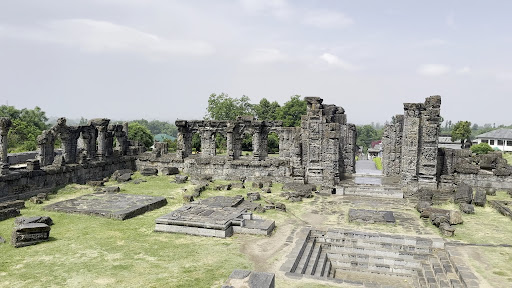
Martand Surya Temple The temple is also known as Pandou Laidan. It is located at Mattan. The Temple dedicated to Surya Devta, was built from 725 AD to 753 AD by King Lalitaditya Muktipada. He belongs to Karkota dynasty. The dynasty thrived between 625 AD to 855 AD. A interesting story points to the original construction of the Temple dating to 3007 BCE by Raja Ramdev of Pandava dynasty. The Temple has three Chambers the Mandapa, the garbhagriha and the antarlaya. The Temple finds mention in the Rajtarngini by Kalhana. The experts belive that the Temple has a peculiar influence of Gandhar Architechture. Also Greek, Gupta, Chinese and Roman architecture has been seen to blended in this temple architecture. The main Shrine Mandapam was flanked by two structure one each on North and South. It is suggested that the water from river Lidder was channeled into the main structure filling approximately upto one feet of water. The grandeur of the temple can be judged from the facts, as under: a. The main temple is 63 feet in length, 36 feet in width. It is in the centre of the courtyard. The temple was raised on a plateau and was visible from all sides around Martand. b. The courtyard is 220 feet long by 142 feet broad and contains eighty-four fluted columns facing the courtyard. The whole structure is built on grey stones carved beautifully in those days by the stone masons. Each stone is a big boulder and carved in such a way to give shape of squares and circles. c. The peristyle is externally plain, except on the West side, which originally had a row of columns similar to that of the Avantipur temples. It gives an indication that engineering art adopted at Avantipur temple is similar to the one available at Martand. d. The temple is divided into Ardhamandapa (the outer portion) measuring 18 feet 10 inches square, Autarala (the middle portion) measuring 18 feet by 4 ½ feet and Garbhagriha (the inner portion) measuring 18 feet and 5 inches by 13 feet 10 inches. It is believed that an idol of Sun-god was installed in Garbhagriha. e. It was a perfect engineering marvel giving an indication that three gates were to be crossed to reach the main temple. Thus the Hindu mythology of Aehlok, Parlok and Pataallok are to be seen over here. f. The entrance, or gateway, stands in the middle of the Western side of the quadrangle and is the same width as the temple itself. The walls of the gateway are profusely decorated and indicate a welcome sign for the pilgrims who believe in the heavenly powers of Lord Martand. g. The outer periphery of the temple is 270 feet by 180 feet and has three main gates. This indicates that builders of the temple wanted to show that Lord Martand has two eyes and the sixth sense to watch the world The Temple was destroyed by Sikander Shah Mir, according to Jonaraja( A Kashmiri Historian). A Majestic engineering marvel. A structure that defines the ancient Hindu Architechture in the valley. I found very few tourist visiting this wonderful place. It should be included in your itenerary. The Govt may take more measure to bring this monument on the tourist circuit.

Source: Wikipedia, Indian express.com,...

   Read more
avatar
5.0
3y

The Martand temple was built on top of a plateau from where one can view whole of the Kashmir Valley. From the ruins and related archaeological findings, it can be said it was an excellent specimen of Kashmiri architecture, which had blended the Gandharan, Gupta and Chinese forms of architecture.

The temple has a colonnaded courtyard, with its primary shrine in its center and surrounded by 84 smaller shrines, stretching to be 220 feet long and 142 feet broad total and incorporating a smaller temple that was previously built. The temple turns out to be the largest example of a peristyle in Kashmir, and is complex due to its various chambers that are proportional in size and aligned with the overall perimeter of the temple. In accordance with Hindu temple architecture, the primary entrance to the temple is situated in the western side of the quadrangle and is the same width as the temple itself, creating grandeur. The entrance is highly reflective of the temple as a whole due to its elaborate decoration and allusion to the deities worshiped inside. The primary shrine is located in a centralised structure (the temple proper) that is thought to have had a pyramidal top - a common feature of the temples in Kashmir. Various wall carvings in the antechamber of the temple proper depict other gods, such as Vishnu, and river goddesses, such as Ganga and Yamuna, in addition to the sun-god Surya.

The temple seems to be two storeyed with arches seen over the the basic ground structure. A number of beautiful carvings still exist at the basal level of the temple where one can see small idols of Saraswati, Ganapati ,Krishna n various other Gods and Goddesses clearly! The statue of the Sun God on his horse,Kuber with a mala in his hand, Vishnu with Chakra can be clearly identified! One can also see the still well maintained facial structure of Lord Shiva with a flower in his hand n also the pedestal on which the Shiva linga stands...but at different places !the pedestal has ornate carving! According to a local scholar this is the only temple where in the setting sun was worshipped! The water system along the temple awes one! The nearby canal which runs 35 to 40 kms along the mountain terrain, passes close by n to the the left of the temple n under it to arrive at a "kund" or a pond in front of the temple from where water was used for Pooja. This temple was built by King Lalitaditya Muktapida in the 8 th century. N later was destroyed by the Mughal ruler Sikandar Shah Miri in the 13 th or 14 th century! One must never miss a visit to this temple! A small inscription ,in Sharada script is on the verge of getting blurred soon,& it stands testimony to the very being of this temple from time immemorial! It's a wonderful feeling to imagine the grandeur of this temple being at this place! Our Kashmir trip would have been incomplete without a visit to Martand temple!...

   Read more

Page 1 of 7
Previous
Next