HTML SitemapExplore
logo
Find Things to DoFind The Best Restaurants

Dachigam National Park — Attraction in Jammu and Kashmir

Name
Dachigam National Park
Description
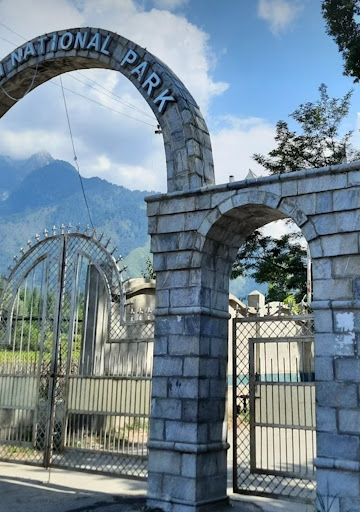
Dachigam National Park is a national park located, 22 kilometres from Srinagar city in Srinagar district of Jammu and Kashmir, India on the east side of Dal Lake. It covers an area of about 141 sq.kms.
Nearby attractions
Nearby restaurants
Nearby hotels
Related posts
Keywords
Dachigam National Park tourism.Dachigam National Park hotels.Dachigam National Park bed and breakfast. flights to Dachigam National Park.Dachigam National Park attractions.Dachigam National Park restaurants.Dachigam National Park travel.Dachigam National Park travel guide.Dachigam National Park travel blog.Dachigam National Park pictures.Dachigam National Park photos.Dachigam National Park travel tips.Dachigam National Park maps.Dachigam National Park things to do.
Dachigam National Park things to do, attractions, restaurants, events info and trip planning
Dachigam National Park
IndiaJammu and KashmirDachigam National Park

Basic Info

Dachigam National Park

42PQ+V4C, Dachigam Road, near Harwan Mughal Garden, Jammu and Kashmir 191202
4.4(1.3K)
Open 24 hours
Save
spot

Ratings & Description

Info

Dachigam National Park is a national park located, 22 kilometres from Srinagar city in Srinagar district of Jammu and Kashmir, India on the east side of Dal Lake. It covers an area of about 141 sq.kms.

Outdoor
Adventure
Family friendly
attractions: , restaurants:
logoLearn more insights from Wanderboat AI.
Phone
+91 194 250 2274
Website
jkwildlife.com

Plan your stay

hotel
Pet-friendly Hotels in Jammu and Kashmir
Find a cozy hotel nearby and make it a full experience.
hotel
Affordable Hotels in Jammu and Kashmir
Find a cozy hotel nearby and make it a full experience.
hotel
The Coolest Hotels You Haven't Heard Of (Yet)
Find a cozy hotel nearby and make it a full experience.
hotel
Trending Stays Worth the Hype in Jammu and Kashmir
Find a cozy hotel nearby and make it a full experience.

Reviews

Get the Appoverlay
Get the AppOne tap to find yournext favorite spots!
Wanderboat LogoWanderboat

Your everyday Al companion for getaway ideas

CompanyAbout Us
InformationAI Trip PlannerSitemap
SocialXInstagramTiktokLinkedin
LegalTerms of ServicePrivacy Policy

Get the app

© 2025 Wanderboat. All rights reserved.
logo

Reviews of Dachigam National Park

4.4
(1,284)
avatar
4.0
2y

Dachigam National Park stands as a testament to the importance of biodiversity conservation in maintaining the delicate balance of ecosystems. Its breathtaking landscapes, diverse flora and fauna, and crucial role in the preservation of the endangered Hangul make it a treasure worth protecting. With continued efforts in conservation and sustainable practices, we can ensure that Dachigam National Park remains a sanctuary for generations to come.Dachigam National Park, located in the state of Jammu and Kashmir, India, is a remarkable testament to the country's commitment to biodiversity conservation. Covering an area of approximately 141 square kilometers, this protected area is home to a rich variety of flora and fauna. Named after its two local words, "Dachi," meaning 10, and "Gam," meaning villages, Dachigam National Park holds immense ecological significance and plays a crucial role in preserving the natural heritage of the region.

Geographical Features: Nestled in the western Himalayas, Dachigam National Park exhibits a diverse range of topographical features. The park's elevation ranges from 1,700 meters to 4,300 meters, encompassing both alpine meadows and rugged cliffs. The imposing Dachigam Range, with its snow-capped peaks, adds to the park's picturesque setting. The presence of streams and rivers originating from nearby glaciers contributes to the park's rich biodiversity. The region experiences a temperate climate, with cool summers and freezing winters, making it an ideal habitat for a wide variety of species.

Flora: Dachigam National Park boasts an incredible variety of flora, with more than 500 species of plants documented within its boundaries. The park is renowned for its dense forests dominated by coniferous species such as pine, oak, and deodar. Rhododendrons, with their vibrant hues, paint the landscape during the bloom season. The park is also known for its extensive grasslands, which provide grazing grounds for various herbivores.

Fauna: The fauna of Dachigam National Park is exceptionally diverse and encompasses numerous species that are rare and endangered. The park is famous for its most iconic resident, the Hangul, also known as the Kashmir stag (Cervus canadensis hanglu). With only a few hundred individuals remaining in the wild, Dachigam National Park plays a pivotal role in the conservation of this species. Other mammalian species found in the park include the Himalayan black bear, Himalayan brown bear, musk deer, and leopard.

Avifauna: The park is a birdwatcher's paradise, harboring over 150 species of birds. Its diverse range of habitats, from wetlands to high-altitude meadows, attracts a wide variety of avian species. The colorful Monal pheasant, the state bird of Jammu and Kashmir, is a common sight in the park. Other notable bird species include the Himalayan golden eagle, koklass pheasant, and black bulbul.

Conservation Efforts: Dachigam National Park was initially established as a game reserve in 1910, aimed at preserving the Hangul population. In 1981, it was designated as a national park to encompass a broader range of biodiversity. The park's conservation efforts include habitat restoration, anti-poaching measures, and community engagement. Local communities have been actively involved in conservation through ecotourism initiatives and sustainable livelihood programs, creating a sense of ownership and responsibility towards the park's preservation.

Challenges: Despite its protected status, Dachigam National Park faces several challenges to its conservation efforts. Encroachment by human settlements, illegal logging, and poaching pose significant threats to the park's delicate ecosystem. Rapid urbanization and climate change also exacerbate these challenges. Efforts must be made to enhance awareness and enforce strict regulations to mitigate these threats and ensure the long-term survival of the park's...

   Read more
avatar
5.0
4y

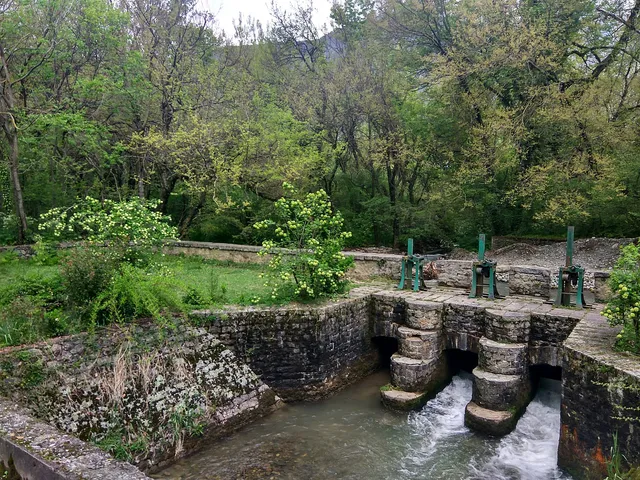
Place Details: Dachigam National Park, located 22 km from Srinagar, is popular as the home of the rare and critically endangered Hangul or Kashmir stag. A former game preserve of the erstwhile Maharaja of Jammu and Kashmir, the park has been a protected area since 1910. Located among the Himalayan Mountains, the park is spread over 141 sq km. The park was the outcome of the then Jammu and Kashmir Maharaja’s efforts to create a game preserve and catchment area for Harwan reservoir. The reservoir supplied clean drinking water to the city of Srinagar. ALSO READ 10 National Parks and Wildlife Sanctuaries that every wildlife photography enthusiast must visit! Dachigam literally means ‘ten villages’. As many villages were relocated out of the forest as a part of the efforts to create the game preserve and catchment area. Under orders of the Maharaja, several species of trees, especially those preferred by wildlife were planted and efforts were made to increase the winter fodder available to wild animals. The park is situated at altitudes ranging from 5500 ft to 14,000 ft. Due to the variation in altitudes the park is demarcated into upper and lower regions. The park’s terrain ranges from gently sloping grasslands to cliffs and sharp rocky outcrops. The park boasts of over 500 species of herbs, 50 species of trees and about 20 species of shrubs. Besides Hangul, Dachigam is also famous for its populations of musk deer, leopard, Himalayan Grey Langur, leopard cat, Himalayan Black Bear, yellow-throated marten among others. It’s a paradise for bird watchers. Himalayan monal, golden oriole, pygmy owlet, koklass pheasant, Kashmir flycatcher, Tytler’s leaf warbler, streaked laughingthrush, Himalayan rubythroat and many other species can be found at Dachigam. ALSO SEE 10 endangered animals in India that you should see before they vanish! Dachigam national park is also known for its scenic locales. Flowers and greenery carpet grasslands and meadows except during winter, when the entire forest remains blanketed under snow. The sight of blue poppy blooms covering the grassland is a sight to behold. Wildlife enthusiasts believe that one visit to Dachigam is not enough to enjoy the natural beauty of the forest since the park changes its appearance with the onset of each season. The autumn rutting of Hangul should not be missed. Fierce male competition for mating characterizes the rutting season and the forest echoes with the mating calls of the deer. ALSO SEE 7 Nights and 8 days Jammu and Kashmir itinerary for a vacation in paradise! After Jammu and Kashmir acceded to India, Dachigam was managed by the State Forest Department. Jammu and Kashmir government notified the area as a sanctuary in 1951 and as a national park in 1981. The best way to explore the park is to go for a trek along with a local guide. To enter the park, a special permit from the chief wildlife warden is needed. BEST PLACES TO STAY NEAR DACHIGAM NATIONAL PARK Accommodation options are limited in Dachigam. The Forest Department maintains two rest houses in lower Dachigam. Srinagar, which is 22 km away offers a wide variety in terms of...

   Read more
avatar
3.0
2y

Dachigam National Park is a protected area located in the state of Jammu and Kashmir, India. The park is renowned for its breathtaking landscapes, diverse wildlife, and important conservation efforts. It's situated near the state capital, Srinagar, and covers an area of approximately 141 square kilometers.

The name "Dachigam" translates to "ten villages," referencing the park's historical role in supplying resources to the ten villages that were relocated when the area was designated as a protected space.

The park's terrain varies from lush valleys to rugged mountains due to its location in the western Himalayas. Its elevation ranges from around 1,600 meters to over 4,000 meters, contributing to the diverse ecosystems present within its boundaries.

Dachigam National Park is particularly known for being home to the endangered Hangul deer (Kashmir stag), which is found only in this region. Conservation efforts in the park focus on protecting this rare species and its habitat. Other wildlife species that can be spotted here include Himalayan black bears, leopards, red foxes, and various species of birds.

The park's forests are a mix of deciduous and coniferous trees, providing habitat for numerous species and contributing to the region's biodiversity. The park is also a catchment area for the Dachigam and Sukhnag streams, which ultimately contribute to the water supply of Srinagar.

In addition to its ecological importance, Dachigam National Park has cultural significance. The area has been a royal hunting ground in the past and was converted into a protected area to ensure the survival of the Hangul deer population.

Visitors to Dachigam National Park have the opportunity to experience its natural beauty through trekking, birdwatching, and wildlife spotting. However, due to the sensitive ecosystems and conservation efforts, entry to certain areas might be restricted, and permits may be required for entry.

The park plays a crucial role in preserving the unique biodiversity of the region and serves as an example of successful conservation in a challenging and conflict-prone area. It's a testament to the importance of protecting natural habitats and the remarkable wildlife that...

   Read more
Page 1 of 7
Previous
Next

Posts

Raees shahRaees shah
Dachigam National Park stands as a testament to the importance of biodiversity conservation in maintaining the delicate balance of ecosystems. Its breathtaking landscapes, diverse flora and fauna, and crucial role in the preservation of the endangered Hangul make it a treasure worth protecting. With continued efforts in conservation and sustainable practices, we can ensure that Dachigam National Park remains a sanctuary for generations to come.Dachigam National Park, located in the state of Jammu and Kashmir, India, is a remarkable testament to the country's commitment to biodiversity conservation. Covering an area of approximately 141 square kilometers, this protected area is home to a rich variety of flora and fauna. Named after its two local words, "Dachi," meaning 10, and "Gam," meaning villages, Dachigam National Park holds immense ecological significance and plays a crucial role in preserving the natural heritage of the region. Geographical Features: Nestled in the western Himalayas, Dachigam National Park exhibits a diverse range of topographical features. The park's elevation ranges from 1,700 meters to 4,300 meters, encompassing both alpine meadows and rugged cliffs. The imposing Dachigam Range, with its snow-capped peaks, adds to the park's picturesque setting. The presence of streams and rivers originating from nearby glaciers contributes to the park's rich biodiversity. The region experiences a temperate climate, with cool summers and freezing winters, making it an ideal habitat for a wide variety of species. Flora: Dachigam National Park boasts an incredible variety of flora, with more than 500 species of plants documented within its boundaries. The park is renowned for its dense forests dominated by coniferous species such as pine, oak, and deodar. Rhododendrons, with their vibrant hues, paint the landscape during the bloom season. The park is also known for its extensive grasslands, which provide grazing grounds for various herbivores. Fauna: The fauna of Dachigam National Park is exceptionally diverse and encompasses numerous species that are rare and endangered. The park is famous for its most iconic resident, the Hangul, also known as the Kashmir stag (Cervus canadensis hanglu). With only a few hundred individuals remaining in the wild, Dachigam National Park plays a pivotal role in the conservation of this species. Other mammalian species found in the park include the Himalayan black bear, Himalayan brown bear, musk deer, and leopard. Avifauna: The park is a birdwatcher's paradise, harboring over 150 species of birds. Its diverse range of habitats, from wetlands to high-altitude meadows, attracts a wide variety of avian species. The colorful Monal pheasant, the state bird of Jammu and Kashmir, is a common sight in the park. Other notable bird species include the Himalayan golden eagle, koklass pheasant, and black bulbul. Conservation Efforts: Dachigam National Park was initially established as a game reserve in 1910, aimed at preserving the Hangul population. In 1981, it was designated as a national park to encompass a broader range of biodiversity. The park's conservation efforts include habitat restoration, anti-poaching measures, and community engagement. Local communities have been actively involved in conservation through ecotourism initiatives and sustainable livelihood programs, creating a sense of ownership and responsibility towards the park's preservation. Challenges: Despite its protected status, Dachigam National Park faces several challenges to its conservation efforts. Encroachment by human settlements, illegal logging, and poaching pose significant threats to the park's delicate ecosystem. Rapid urbanization and climate change also exacerbate these challenges. Efforts must be made to enhance awareness and enforce strict regulations to mitigate these threats and ensure the long-term survival of the park's biodiversity.
Bhat MoinBhat Moin
Place Details: Dachigam National Park, located 22 km from Srinagar, is popular as the home of the rare and critically endangered Hangul or Kashmir stag. A former game preserve of the erstwhile Maharaja of Jammu and Kashmir, the park has been a protected area since 1910. Located among the Himalayan Mountains, the park is spread over 141 sq km. The park was the outcome of the then Jammu and Kashmir Maharaja’s efforts to create a game preserve and catchment area for Harwan reservoir. The reservoir supplied clean drinking water to the city of Srinagar. ALSO READ 10 National Parks and Wildlife Sanctuaries that every wildlife photography enthusiast must visit! Dachigam literally means ‘ten villages’. As many villages were relocated out of the forest as a part of the efforts to create the game preserve and catchment area. Under orders of the Maharaja, several species of trees, especially those preferred by wildlife were planted and efforts were made to increase the winter fodder available to wild animals. The park is situated at altitudes ranging from 5500 ft to 14,000 ft. Due to the variation in altitudes the park is demarcated into upper and lower regions. The park’s terrain ranges from gently sloping grasslands to cliffs and sharp rocky outcrops. The park boasts of over 500 species of herbs, 50 species of trees and about 20 species of shrubs. Besides Hangul, Dachigam is also famous for its populations of musk deer, leopard, Himalayan Grey Langur, leopard cat, Himalayan Black Bear, yellow-throated marten among others. It’s a paradise for bird watchers. Himalayan monal, golden oriole, pygmy owlet, koklass pheasant, Kashmir flycatcher, Tytler’s leaf warbler, streaked laughingthrush, Himalayan rubythroat and many other species can be found at Dachigam. ALSO SEE 10 endangered animals in India that you should see before they vanish! Dachigam national park is also known for its scenic locales. Flowers and greenery carpet grasslands and meadows except during winter, when the entire forest remains blanketed under snow. The sight of blue poppy blooms covering the grassland is a sight to behold. Wildlife enthusiasts believe that one visit to Dachigam is not enough to enjoy the natural beauty of the forest since the park changes its appearance with the onset of each season. The autumn rutting of Hangul should not be missed. Fierce male competition for mating characterizes the rutting season and the forest echoes with the mating calls of the deer. ALSO SEE 7 Nights and 8 days Jammu and Kashmir itinerary for a vacation in paradise! After Jammu and Kashmir acceded to India, Dachigam was managed by the State Forest Department. Jammu and Kashmir government notified the area as a sanctuary in 1951 and as a national park in 1981. The best way to explore the park is to go for a trek along with a local guide. To enter the park, a special permit from the chief wildlife warden is needed. BEST PLACES TO STAY NEAR DACHIGAM NATIONAL PARK Accommodation options are limited in Dachigam. The Forest Department maintains two rest houses in lower Dachigam. Srinagar, which is 22 km away offers a wide variety in terms of accommodation options.
Sam ClickxSam Clickx
Dachigam National Park, located just 22 kilometers from Srinagar, is a pristine sanctuary that offers a unique blend of natural beauty and biodiversity. Spanning over 141 square kilometers, the park is nestled in the Zabarwan Range of the western Himalayas, with altitudes ranging from 1,600 to 4,300 meters. This variation creates diverse ecosystems, from dense forests to alpine meadows.The park is renowned as the last refuge of the endangered Hangul deer, also known as the Kashmir stag, which is the state animal of Jammu and Kashmir. Visitors may also encounter other wildlife such as the Himalayan black bear, leopards, musk deer, and a variety of bird species, making it a haven for wildlife enthusiasts and photographers.Dachigam is divided into two regions: Lower Dachigam, which is more accessible and suitable for casual treks, and Upper Dachigam, which requires more strenuous hiking but rewards visitors with breathtaking views and a chance to explore its rich biodiversity. Guided treks and jeep safaris are available, offering insights into the park's flora and fauna.The park is open daily from 5:30 AM to 6:00 PM, except on Tuesdays when it is closed for maintenance. Entry fees are modest, and permits can be obtained online or through the J&K Forest Department. The best time to visit is between April and October, when the weather is pleasant and the flora is in full bloom.Dachigam National Park is not just a destination; it's an experience that connects visitors with the serene and untouched beauty of the Himalayas.
See more posts
See more posts
hotel
Find your stay

Pet-friendly Hotels in Jammu and Kashmir

Find a cozy hotel nearby and make it a full experience.

Dachigam National Park stands as a testament to the importance of biodiversity conservation in maintaining the delicate balance of ecosystems. Its breathtaking landscapes, diverse flora and fauna, and crucial role in the preservation of the endangered Hangul make it a treasure worth protecting. With continued efforts in conservation and sustainable practices, we can ensure that Dachigam National Park remains a sanctuary for generations to come.Dachigam National Park, located in the state of Jammu and Kashmir, India, is a remarkable testament to the country's commitment to biodiversity conservation. Covering an area of approximately 141 square kilometers, this protected area is home to a rich variety of flora and fauna. Named after its two local words, "Dachi," meaning 10, and "Gam," meaning villages, Dachigam National Park holds immense ecological significance and plays a crucial role in preserving the natural heritage of the region. Geographical Features: Nestled in the western Himalayas, Dachigam National Park exhibits a diverse range of topographical features. The park's elevation ranges from 1,700 meters to 4,300 meters, encompassing both alpine meadows and rugged cliffs. The imposing Dachigam Range, with its snow-capped peaks, adds to the park's picturesque setting. The presence of streams and rivers originating from nearby glaciers contributes to the park's rich biodiversity. The region experiences a temperate climate, with cool summers and freezing winters, making it an ideal habitat for a wide variety of species. Flora: Dachigam National Park boasts an incredible variety of flora, with more than 500 species of plants documented within its boundaries. The park is renowned for its dense forests dominated by coniferous species such as pine, oak, and deodar. Rhododendrons, with their vibrant hues, paint the landscape during the bloom season. The park is also known for its extensive grasslands, which provide grazing grounds for various herbivores. Fauna: The fauna of Dachigam National Park is exceptionally diverse and encompasses numerous species that are rare and endangered. The park is famous for its most iconic resident, the Hangul, also known as the Kashmir stag (Cervus canadensis hanglu). With only a few hundred individuals remaining in the wild, Dachigam National Park plays a pivotal role in the conservation of this species. Other mammalian species found in the park include the Himalayan black bear, Himalayan brown bear, musk deer, and leopard. Avifauna: The park is a birdwatcher's paradise, harboring over 150 species of birds. Its diverse range of habitats, from wetlands to high-altitude meadows, attracts a wide variety of avian species. The colorful Monal pheasant, the state bird of Jammu and Kashmir, is a common sight in the park. Other notable bird species include the Himalayan golden eagle, koklass pheasant, and black bulbul. Conservation Efforts: Dachigam National Park was initially established as a game reserve in 1910, aimed at preserving the Hangul population. In 1981, it was designated as a national park to encompass a broader range of biodiversity. The park's conservation efforts include habitat restoration, anti-poaching measures, and community engagement. Local communities have been actively involved in conservation through ecotourism initiatives and sustainable livelihood programs, creating a sense of ownership and responsibility towards the park's preservation. Challenges: Despite its protected status, Dachigam National Park faces several challenges to its conservation efforts. Encroachment by human settlements, illegal logging, and poaching pose significant threats to the park's delicate ecosystem. Rapid urbanization and climate change also exacerbate these challenges. Efforts must be made to enhance awareness and enforce strict regulations to mitigate these threats and ensure the long-term survival of the park's biodiversity.
Raees shah

Raees shah

hotel
Find your stay

Affordable Hotels in Jammu and Kashmir

Find a cozy hotel nearby and make it a full experience.

Get the Appoverlay
Get the AppOne tap to find yournext favorite spots!
Place Details: Dachigam National Park, located 22 km from Srinagar, is popular as the home of the rare and critically endangered Hangul or Kashmir stag. A former game preserve of the erstwhile Maharaja of Jammu and Kashmir, the park has been a protected area since 1910. Located among the Himalayan Mountains, the park is spread over 141 sq km. The park was the outcome of the then Jammu and Kashmir Maharaja’s efforts to create a game preserve and catchment area for Harwan reservoir. The reservoir supplied clean drinking water to the city of Srinagar. ALSO READ 10 National Parks and Wildlife Sanctuaries that every wildlife photography enthusiast must visit! Dachigam literally means ‘ten villages’. As many villages were relocated out of the forest as a part of the efforts to create the game preserve and catchment area. Under orders of the Maharaja, several species of trees, especially those preferred by wildlife were planted and efforts were made to increase the winter fodder available to wild animals. The park is situated at altitudes ranging from 5500 ft to 14,000 ft. Due to the variation in altitudes the park is demarcated into upper and lower regions. The park’s terrain ranges from gently sloping grasslands to cliffs and sharp rocky outcrops. The park boasts of over 500 species of herbs, 50 species of trees and about 20 species of shrubs. Besides Hangul, Dachigam is also famous for its populations of musk deer, leopard, Himalayan Grey Langur, leopard cat, Himalayan Black Bear, yellow-throated marten among others. It’s a paradise for bird watchers. Himalayan monal, golden oriole, pygmy owlet, koklass pheasant, Kashmir flycatcher, Tytler’s leaf warbler, streaked laughingthrush, Himalayan rubythroat and many other species can be found at Dachigam. ALSO SEE 10 endangered animals in India that you should see before they vanish! Dachigam national park is also known for its scenic locales. Flowers and greenery carpet grasslands and meadows except during winter, when the entire forest remains blanketed under snow. The sight of blue poppy blooms covering the grassland is a sight to behold. Wildlife enthusiasts believe that one visit to Dachigam is not enough to enjoy the natural beauty of the forest since the park changes its appearance with the onset of each season. The autumn rutting of Hangul should not be missed. Fierce male competition for mating characterizes the rutting season and the forest echoes with the mating calls of the deer. ALSO SEE 7 Nights and 8 days Jammu and Kashmir itinerary for a vacation in paradise! After Jammu and Kashmir acceded to India, Dachigam was managed by the State Forest Department. Jammu and Kashmir government notified the area as a sanctuary in 1951 and as a national park in 1981. The best way to explore the park is to go for a trek along with a local guide. To enter the park, a special permit from the chief wildlife warden is needed. BEST PLACES TO STAY NEAR DACHIGAM NATIONAL PARK Accommodation options are limited in Dachigam. The Forest Department maintains two rest houses in lower Dachigam. Srinagar, which is 22 km away offers a wide variety in terms of accommodation options.
Bhat Moin

Bhat Moin

hotel
Find your stay

The Coolest Hotels You Haven't Heard Of (Yet)

Find a cozy hotel nearby and make it a full experience.

hotel
Find your stay

Trending Stays Worth the Hype in Jammu and Kashmir

Find a cozy hotel nearby and make it a full experience.

Dachigam National Park, located just 22 kilometers from Srinagar, is a pristine sanctuary that offers a unique blend of natural beauty and biodiversity. Spanning over 141 square kilometers, the park is nestled in the Zabarwan Range of the western Himalayas, with altitudes ranging from 1,600 to 4,300 meters. This variation creates diverse ecosystems, from dense forests to alpine meadows.The park is renowned as the last refuge of the endangered Hangul deer, also known as the Kashmir stag, which is the state animal of Jammu and Kashmir. Visitors may also encounter other wildlife such as the Himalayan black bear, leopards, musk deer, and a variety of bird species, making it a haven for wildlife enthusiasts and photographers.Dachigam is divided into two regions: Lower Dachigam, which is more accessible and suitable for casual treks, and Upper Dachigam, which requires more strenuous hiking but rewards visitors with breathtaking views and a chance to explore its rich biodiversity. Guided treks and jeep safaris are available, offering insights into the park's flora and fauna.The park is open daily from 5:30 AM to 6:00 PM, except on Tuesdays when it is closed for maintenance. Entry fees are modest, and permits can be obtained online or through the J&K Forest Department. The best time to visit is between April and October, when the weather is pleasant and the flora is in full bloom.Dachigam National Park is not just a destination; it's an experience that connects visitors with the serene and untouched beauty of the Himalayas.
Sam Clickx

Sam Clickx

See more posts
See more posts