HTML SitemapExplore
logo
Find Things to DoFind The Best Restaurants

Sri Kheer Bhawani Durga Temple — Attraction in Jammu and Kashmir

Name
Sri Kheer Bhawani Durga Temple
Description
Kheer Bhawani, Ksheer Bhawani or the Ragnya Devi temple is a Hindu temple situated at a distance of 25 kilometres north-east of Srinagar, Jammu and Kashmir, India, in the village of Tulmul in Ganderbal. It is dedicated to the Hindu goddess Kheer Bhavani constructed over a sacred spring.

Nearby attractions
Nearby restaurants
Nearby hotels
Related posts
Keywords
Sri Kheer Bhawani Durga Temple tourism.Sri Kheer Bhawani Durga Temple hotels.Sri Kheer Bhawani Durga Temple bed and breakfast. flights to Sri Kheer Bhawani Durga Temple.Sri Kheer Bhawani Durga Temple attractions.Sri Kheer Bhawani Durga Temple restaurants.Sri Kheer Bhawani Durga Temple travel.Sri Kheer Bhawani Durga Temple travel guide.Sri Kheer Bhawani Durga Temple travel blog.Sri Kheer Bhawani Durga Temple pictures.Sri Kheer Bhawani Durga Temple photos.Sri Kheer Bhawani Durga Temple travel tips.Sri Kheer Bhawani Durga Temple maps.Sri Kheer Bhawani Durga Temple things to do.
Sri Kheer Bhawani Durga Temple things to do, attractions, restaurants, events info and trip planning
Sri Kheer Bhawani Durga Temple
IndiaJammu and KashmirSri Kheer Bhawani Durga Temple

Basic Info

Sri Kheer Bhawani Durga Temple

Tulmulla - Dangerpora Link Rd, Tulmulla, Srinagar, Tulmulla, Jammu and Kashmir 191201
4.7(871)
Open 24 hours
Save
spot

Ratings & Description

Info

Kheer Bhawani, Ksheer Bhawani or the Ragnya Devi temple is a Hindu temple situated at a distance of 25 kilometres north-east of Srinagar, Jammu and Kashmir, India, in the village of Tulmul in Ganderbal. It is dedicated to the Hindu goddess Kheer Bhavani constructed over a sacred spring.

Cultural
Relaxation
Scenic
Family friendly
Accessibility
attractions: , restaurants:
logoLearn more insights from Wanderboat AI.

Plan your stay

hotel
Pet-friendly Hotels in Jammu and Kashmir
Find a cozy hotel nearby and make it a full experience.
hotel
Affordable Hotels in Jammu and Kashmir
Find a cozy hotel nearby and make it a full experience.
hotel
The Coolest Hotels You Haven't Heard Of (Yet)
Find a cozy hotel nearby and make it a full experience.
hotel
Trending Stays Worth the Hype in Jammu and Kashmir
Find a cozy hotel nearby and make it a full experience.

Reviews

Get the Appoverlay
Get the AppOne tap to find yournext favorite spots!
Wanderboat LogoWanderboat

Your everyday Al companion for getaway ideas

CompanyAbout Us
InformationAI Trip PlannerSitemap
SocialXInstagramTiktokLinkedin
LegalTerms of ServicePrivacy Policy

Get the app

© 2025 Wanderboat. All rights reserved.
logo

Reviews of Sri Kheer Bhawani Durga Temple

4.7
(871)
avatar
4.0
43w

Sri Kheer Bhawani Durga Temple: A Comprehensive Overview

  1. Location and Significance The Sri Kheer Bhawani Durga Temple, also known as Ragnya Devi Temple, is located in Tulmulla village, Ganderbal district, approximately 25 km northeast of Srinagar, Jammu and Kashmir. Dedicated to Goddess Ragnya Devi (a form of Durga), it is one of the most sacred sites for Kashmiri Pandits, who revere her as their Kuldevi (patron deity). The temple is renowned for its mystical spring, which is central to its spiritual and cultural identity.

  2. Historical and Mythological Background Legends: The goddess is believed to have been originally worshipped in Sri Lanka as Shyama. Displeased with Ravana’s actions after Sita’s abduction, she instructed Lord Hanuman to relocate her idol to Kashmir. The idol was first placed in Shadipora and later moved to Tulmulla. Another legend states that during a flood in 4041 Samvat (Hindu lunar calendar), the spring was rediscovered after Yogi Krishna Pandit followed the goddess’s dream-instruction to mark the spot with poles. Historical Mentions: The temple is described in Kalhana’s Rajtarangini (12th century) as Maharagini Kund and in Abu’l-Fazl’s Ain-i-Akbari (16th century). The current marble structure was built in 1912 by Maharaja Pratap Singh and later renovated by Maharaja Hari Singh.

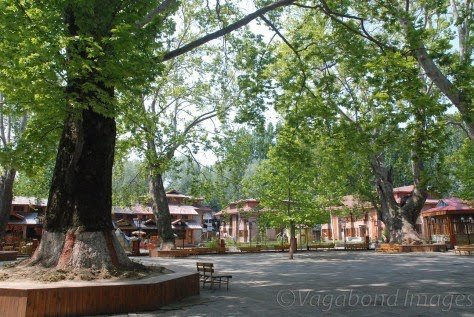
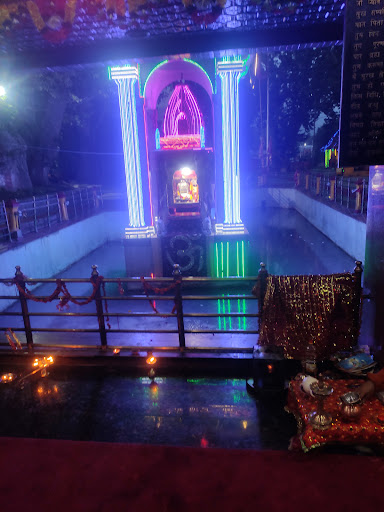
  3. Unique Features of the Temple The Sacred Spring: The temple is built around a heptagonal (or hexagonal) spring, known for changing colors—ranging from red, pink, blue, and white to inauspicious black, which locals associate with impending disasters (e.g., during the 1990 exodus and 2014 floods). British official Walter Lawrence noted its violet hue in 1886. Architecture: The white marble shrine sits on an island within the spring, surrounded by ancient chinar trees and smooth stone pavements. A unique feature is the pairing of Ragnya Devi’s idol with a Shiva Linga, symbolizing harmony between Vaishnavite and Shaivite traditions.

  4. Festivals and Rituals Mela Kheer Bhawani: Celebrated during Jyeshtha Ashtami (May/June), this festival attracts thousands of devotees. Offerings of kheer (rice pudding) are made, and the spring’s color change is closely observed. Local Muslims set up stalls during the festival, reflecting communal harmony. Daily Practices: Morning aarti and evening rituals are performed. Devotees observe vegetarianism for a week before visiting and avoid non-vegetarian food near the temple.

  5. Visitor Information Timings: 5:00 AM – 8:00 PM (varies seasonally). Dress Code: Modest attire (covered shoulders/knees); shoes removed before entry. How to Reach: Air: Srinagar International Airport (25 km away). Road: Taxis/buses from Srinagar. Nearby Attractions: Shankaracharya Temple, Dal Lake, Tulip Garden, and Nishat Bagh.

  6. Cultural and Spiritual Impact The temple symbolizes resilience for Kashmiri Pandits, especially after the 1990 exodus. Spiritual leaders like Swami Vivekananda and Swami Rama Tirtha visited the site, with Vivekananda reportedly communing with the goddess. Its blend of natural beauty, mythology, and communal harmony makes it a beacon of Kashmir’s syncretic heritage.

For more details on rituals, festivals, or travel planning, refer to the temple’s official resources or...

   Read more
avatar
5.0
1y

Mata Kheer Bhawani Temple, located in the Tulmulla area of Ganderbal district in Jammu and Kashmir, is a significant spiritual and cultural landmark. Here’s an in-depth review of this revered shrine:

Historical and Cultural Significance: Mata Kheer Bhawani Temple is one of the most important Hindu temples in Kashmir, dedicated to the goddess Ragnya Devi, a form of Maa Durga. The temple holds a deep historical and cultural significance for the Kashmiri Pandit community, who consider it a symbol of their spiritual heritage. The name "Kheer Bhawani" is derived from the tradition of offering kheer (a rice pudding) to the goddess.

Location and Accessibility: Situated in the serene and picturesque village of Tulmulla, the temple is easily accessible from Srinagar, approximately 25 kilometers away. The road to the temple is well-maintained, making it convenient for pilgrims and tourists to visit. The surrounding area is lush and tranquil, providing a peaceful atmosphere for worshippers.

Architecture and Ambience: The temple's architecture is simple yet elegant, with its main sanctum situated over a sacred spring. The spring water is considered holy, and it is believed to change colors, which devotees interpret as an omen. The temple complex is well-kept, with clean and spacious surroundings that enhance the spiritual ambience. The presence of tall chinar trees adds to the scenic beauty and peaceful environment of the temple grounds.

Festivals and Pilgrimage: The most significant festival celebrated at Mata Kheer Bhawani Temple is the annual mela on Jesht Ashtami, attracting thousands of devotees from across the country. The festival is marked by elaborate rituals, devotional singing, and community gatherings. The influx of pilgrims during this period showcases the deep devotion and cultural connection that people have with this shrine.

Facilities for Pilgrims: The temple management provides various facilities for pilgrims, including accommodations, clean restrooms, and drinking water. The pathways and the temple complex are well-maintained to ensure a comfortable visit for all. During major festivals, additional arrangements are made to manage the large number of visitors.

Spiritual Experience: Visiting Mata Kheer Bhawani Temple is often described as a profoundly spiritual experience. The serene surroundings, combined with the temple’s sacred aura, provide a perfect setting for meditation and prayer. Devotees find solace and spiritual fulfillment in the quiet, contemplative atmosphere of the temple.

Community and Cultural Impact: Mata Kheer Bhawani Temple plays a crucial role in preserving the cultural and religious identity of the Kashmiri Pandit community. It serves as a focal point for cultural activities and rituals that are integral to their heritage. The temple also fosters a sense of unity and continuity among the community members, especially during times of pilgrimage and festivals.

Conclusion: Mata Kheer Bhawani Temple is not just a religious site but a beacon of cultural and spiritual heritage for the Kashmiri Pandit community and other Hindu devotees. Its serene location, historical significance, and spiritual ambiance make it a must-visit destination in the Ganderbal district. Whether you are a pilgrim seeking spiritual solace or a tourist interested in cultural heritage, a visit to Mata Kheer Bhawani Temple is a deeply...

   Read more
avatar
5.0
3y

Kheer Bhawani, Ksheer Bhawani or the Ragnya Devi temple is a Hindu temple situated at a distance of 25 kilometres (16 mi) north-east of Srinagar, Jammu and Kashmir, India, in the village of Tulmula in Ganderbal. It is dedicated to the Hindu goddess Kheer Bhavani constructed over a sacred spring. As is the custom with Hindu deities, the goddess has many names including Ragyna or Rajna, along with variations in honorifics such as devi, mata or bhagavati. The term kheer refers to a milk and rice pudding that is offered to propitiate the goddess. Kheer Bhawani is sometimes translated as 'Milk Goddess'. The worship of Kheer Bhawani is universal among the Hindus of Kashmir, most of them who worship her as their protective patron deity Kuladevi. The temple is one of the most important temples for Kashmiri Hindus in Kashmir. The resident deity, Kheer Bhawani, is a favourite in this region. A septagonal spring at the temple is situated around the goddess. The holy spring is known to change its colour with various hues of red, pink, orange, green, blue, and white. A black shade of the spring water is believed to be inauspicious. Most of the colours do not have any particular significance. In 1886, Walter Lawrence, the-then British settlement commissioner for land, during his visit to the spring, reported the water of the spring to have a violet tinge.place The current form of the spring, temple pond, and temple were built under Maharaja Pratap Singh of Jammu and Kashmir in the 1910s. Maharaja Hari Singh further renovated the temple.The temple area has old-growth chinar trees beneath which the pilgrims sit or sleep on mats of grass. The Kheer Bhawani mela or festival sees the annual congregation of Kashmiri Hindus, and other pilgrims and tourists. The mela is during Jyeshtha Ashtami, also spelt as 'Zyeshta Astami'.

Swami Vivekananda visited Kashmir. During this stay, while ritually worshiping Khir Bhavani, the condition of the temple concerned him. In The Complete Works of Swami Vivekananda, the goddess tells Vivekananda, "It is My desire that I should live in a dilapidated temple, otherwise, can I not immediately erect a seven - storied temple of gold here if I like? What can you do? Shall I protect you or shall you protect me!" Swami Rama Tirtha also visited here to have...

   Read more
Page 1 of 7
Previous
Next

Posts

ADITYA PANDITAADITYA PANDITA
Kheer Bhawani, Ksheer Bhawani or the Ragnya Devi temple is a Hindu temple situated at a distance of 25 kilometres (16 mi) north-east of Srinagar, Jammu and Kashmir, India, in the village of Tulmula in Ganderbal. It is dedicated to the Hindu goddess Kheer Bhavani constructed over a sacred spring. As is the custom with Hindu deities, the goddess has many names including Ragyna or Rajna, along with variations in honorifics such as devi, mata or bhagavati. The term kheer refers to a milk and rice pudding that is offered to propitiate the goddess. Kheer Bhawani is sometimes translated as 'Milk Goddess'. The worship of Kheer Bhawani is universal among the Hindus of Kashmir, most of them who worship her as their protective patron deity Kuladevi. The temple is one of the most important temples for Kashmiri Hindus in Kashmir. The resident deity, Kheer Bhawani, is a favourite in this region. A septagonal spring at the temple is situated around the goddess. The holy spring is known to change its colour with various hues of red, pink, orange, green, blue, and white. A black shade of the spring water is believed to be inauspicious. Most of the colours do not have any particular significance. In 1886, Walter Lawrence, the-then British settlement commissioner for land, during his visit to the spring, reported the water of the spring to have a violet tinge.place The current form of the spring, temple pond, and temple were built under Maharaja Pratap Singh of Jammu and Kashmir in the 1910s. Maharaja Hari Singh further renovated the temple.The temple area has old-growth chinar trees beneath which the pilgrims sit or sleep on mats of grass. The Kheer Bhawani mela or festival sees the annual congregation of Kashmiri Hindus, and other pilgrims and tourists. The mela is during Jyeshtha Ashtami, also spelt as 'Zyeshta Astami'. Swami Vivekananda visited Kashmir. During this stay, while ritually worshiping Khir Bhavani, the condition of the temple concerned him. In The Complete Works of Swami Vivekananda, the goddess tells Vivekananda, "It is My desire that I should live in a dilapidated temple, otherwise, can I not immediately erect a seven - storied temple of gold here if I like? What can you do? Shall I protect you or shall you protect me!" Swami Rama Tirtha also visited here to have the darshan of the place.
Navin Kumar SharmaNavin Kumar Sharma
Maa Kheer Bhawani Temple is a very special and holy temple for Hindus, especially for Kashmiri Pandits. It is close to Srinagar in Kashmir. People pray to Goddess Kheer Bhawani here, who they believe is an avtar of Goddess Durga. The temple gets its name because people offer sweet rice pudding (kheer) and milk to a holy spring inside. It is interesting because people think the color of the water in the spring can tell what might happen in Kashmir. Security is provided by the Central Reserve Police Force, and devotees register at the traditional Kashmiri-style tin-roofed main entrance. The spacious and well-maintained temple complex features steel railings around the main temple and the sacred spring, with concrete-tiled flooring preserving the natural greenery. The main temple, a large structure with a tin roof reflecting Kashmiri architecture, was undergoing ceiling renovations during our visit in May 2024, yet devotees could still have darshan (viewing) of the Goddess. Priests share the temple's stories and offer prasad. A small temple dedicated to Lord Hanuman also resides within the premises. Visiting this temple feels very peaceful and holy. The temple offers a profound spiritual experience. Nearby shops sell typical Kashmiri food and puja items at reasonable prices. Clean toilets are conveniently located. Parking is available near the entrance, and the temple is wheelchair accessible, making it a significant and welcoming place to visit in Kashmir.
DUHALIA PRODUCTIONDUHALIA PRODUCTION
The Kheer Bhawani Temple is one of the most revered Hindu temples in Kashmir, dedicated to Goddess Ragnya Devi, a form of Goddess Durga. Located in the Tullamulla village of Ganderbal district, about 22 km from Srinagar, the temple holds immense significance for the Kashmiri Pandit community. Significance & Legends The temple is built over a sacred spring, whose waters are believed to change color, indicating divine messages. According to legend, Ravana, the demon king of Lanka, was a devotee of Goddess Ragnya Devi. However, due to his immoral deeds, the goddess was displeased, and she was later brought to Kashmir by a saint named Rishi Krishna Pandit. The name "Kheer Bhawani" comes from the tradition of devotees offering kheer (sweet rice pudding) to the goddess. Temple Architecture & Festival The temple is constructed in typical Kashmiri style, with a hexagonal spring at its center. The most important festival celebrated here is Jyeshtha Ashtami, when thousands of devotees visit the temple, especially Kashmiri Pandits, to seek blessings. Current Status Despite challenges due to militancy in the region, the temple remains a strong cultural and religious symbol. Every year, pilgrims from all over India visit to pray for peace and harmony. Would you like to know anything specific about the temple? Sagar Bhowmik ❤️ (Foujisagar5)
See more posts
See more posts
hotel
Find your stay

Pet-friendly Hotels in Jammu and Kashmir

Find a cozy hotel nearby and make it a full experience.

Kheer Bhawani, Ksheer Bhawani or the Ragnya Devi temple is a Hindu temple situated at a distance of 25 kilometres (16 mi) north-east of Srinagar, Jammu and Kashmir, India, in the village of Tulmula in Ganderbal. It is dedicated to the Hindu goddess Kheer Bhavani constructed over a sacred spring. As is the custom with Hindu deities, the goddess has many names including Ragyna or Rajna, along with variations in honorifics such as devi, mata or bhagavati. The term kheer refers to a milk and rice pudding that is offered to propitiate the goddess. Kheer Bhawani is sometimes translated as 'Milk Goddess'. The worship of Kheer Bhawani is universal among the Hindus of Kashmir, most of them who worship her as their protective patron deity Kuladevi. The temple is one of the most important temples for Kashmiri Hindus in Kashmir. The resident deity, Kheer Bhawani, is a favourite in this region. A septagonal spring at the temple is situated around the goddess. The holy spring is known to change its colour with various hues of red, pink, orange, green, blue, and white. A black shade of the spring water is believed to be inauspicious. Most of the colours do not have any particular significance. In 1886, Walter Lawrence, the-then British settlement commissioner for land, during his visit to the spring, reported the water of the spring to have a violet tinge.place The current form of the spring, temple pond, and temple were built under Maharaja Pratap Singh of Jammu and Kashmir in the 1910s. Maharaja Hari Singh further renovated the temple.The temple area has old-growth chinar trees beneath which the pilgrims sit or sleep on mats of grass. The Kheer Bhawani mela or festival sees the annual congregation of Kashmiri Hindus, and other pilgrims and tourists. The mela is during Jyeshtha Ashtami, also spelt as 'Zyeshta Astami'. Swami Vivekananda visited Kashmir. During this stay, while ritually worshiping Khir Bhavani, the condition of the temple concerned him. In The Complete Works of Swami Vivekananda, the goddess tells Vivekananda, "It is My desire that I should live in a dilapidated temple, otherwise, can I not immediately erect a seven - storied temple of gold here if I like? What can you do? Shall I protect you or shall you protect me!" Swami Rama Tirtha also visited here to have the darshan of the place.
ADITYA PANDITA

ADITYA PANDITA

hotel
Find your stay

Affordable Hotels in Jammu and Kashmir

Find a cozy hotel nearby and make it a full experience.

Get the Appoverlay
Get the AppOne tap to find yournext favorite spots!
Maa Kheer Bhawani Temple is a very special and holy temple for Hindus, especially for Kashmiri Pandits. It is close to Srinagar in Kashmir. People pray to Goddess Kheer Bhawani here, who they believe is an avtar of Goddess Durga. The temple gets its name because people offer sweet rice pudding (kheer) and milk to a holy spring inside. It is interesting because people think the color of the water in the spring can tell what might happen in Kashmir. Security is provided by the Central Reserve Police Force, and devotees register at the traditional Kashmiri-style tin-roofed main entrance. The spacious and well-maintained temple complex features steel railings around the main temple and the sacred spring, with concrete-tiled flooring preserving the natural greenery. The main temple, a large structure with a tin roof reflecting Kashmiri architecture, was undergoing ceiling renovations during our visit in May 2024, yet devotees could still have darshan (viewing) of the Goddess. Priests share the temple's stories and offer prasad. A small temple dedicated to Lord Hanuman also resides within the premises. Visiting this temple feels very peaceful and holy. The temple offers a profound spiritual experience. Nearby shops sell typical Kashmiri food and puja items at reasonable prices. Clean toilets are conveniently located. Parking is available near the entrance, and the temple is wheelchair accessible, making it a significant and welcoming place to visit in Kashmir.
Navin Kumar Sharma

Navin Kumar Sharma

hotel
Find your stay

The Coolest Hotels You Haven't Heard Of (Yet)

Find a cozy hotel nearby and make it a full experience.

hotel
Find your stay

Trending Stays Worth the Hype in Jammu and Kashmir

Find a cozy hotel nearby and make it a full experience.

The Kheer Bhawani Temple is one of the most revered Hindu temples in Kashmir, dedicated to Goddess Ragnya Devi, a form of Goddess Durga. Located in the Tullamulla village of Ganderbal district, about 22 km from Srinagar, the temple holds immense significance for the Kashmiri Pandit community. Significance & Legends The temple is built over a sacred spring, whose waters are believed to change color, indicating divine messages. According to legend, Ravana, the demon king of Lanka, was a devotee of Goddess Ragnya Devi. However, due to his immoral deeds, the goddess was displeased, and she was later brought to Kashmir by a saint named Rishi Krishna Pandit. The name "Kheer Bhawani" comes from the tradition of devotees offering kheer (sweet rice pudding) to the goddess. Temple Architecture & Festival The temple is constructed in typical Kashmiri style, with a hexagonal spring at its center. The most important festival celebrated here is Jyeshtha Ashtami, when thousands of devotees visit the temple, especially Kashmiri Pandits, to seek blessings. Current Status Despite challenges due to militancy in the region, the temple remains a strong cultural and religious symbol. Every year, pilgrims from all over India visit to pray for peace and harmony. Would you like to know anything specific about the temple? Sagar Bhowmik ❤️ (Foujisagar5)
DUHALIA PRODUCTION

DUHALIA PRODUCTION

See more posts
See more posts