Just as you enter the valley of Kashmir, through the Jawahar tunnel at Banihal, is a site of great natural beauty and of historic importance. This is the Verinag (also known as Vernag) spring, from which emerges the Jhelum river. Verinag, named after a neighbouring village Ver (now Shahabad) and Nag which means spring, in local Kashmiri parlance, is known not just for the river it feeds, but for the beautiful, idyllic gardens that surround it. The story behind this is fascinating, given that it was once a small, shapeless pond at the foot of the Pir Panjal mountain range.
The Hindu Legend
In Hindu mythology and tradition, the emergent spots of rivers are given great religious importance. There are some interesting myths found in the Hindu texts related to Verinag. The Kashmir valley gets its name from Kashyap, a Rishi or Sage in Hindu mythology. Millions of years ago, the Kashmir valley was a giant lake. Around 12,000 years ago, the water from the lake began to drain thanks to a break in Pir Panjal range making the valley habitable for human settlement. Some memory of Kashmir once being a lake must have survived in human memory, as it does find mention in early Hindu texts.￟
Pir Panjal Range | Wikimedia commons
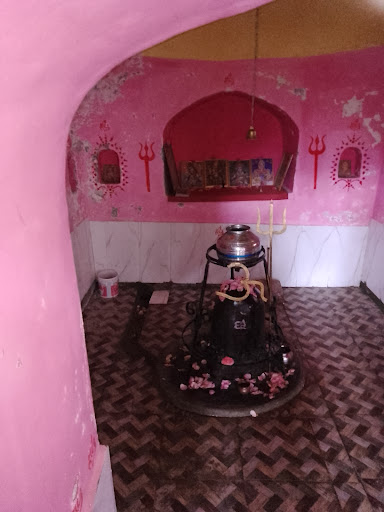
According to the Nilamata Purana, an ancient text about the history, geography, religion and folklore of Kashmir believed to have been written in the 6th to 8th century CE (it was later used by Kalhana as one of the sources for his famous Rajatarangini), all of Kashmir was a giant lake called Satisar (Lake of Sati), believed to have been inhabited by ferocious water demon named âJalodbhavaâ, who disturbed the local population. The lake was drained by Rishi Kashyap and Lord Vishnu killed the demon. Then Rishi Kashyap requested Lord Shiva to prevail upon Goddess Parvati to manifest herself in the form of a river to give water to the valley. Lord Shiva obliged and struck the ground at Verinag with his trident. Thus, from this spot emerged the Goddess in the form of river...
   Read moreVerinag Spring, nestled in the picturesque town of Verinag, is a natural wonder that showcases the breathtaking beauty of Kashmir. As I visited this enchanting spring, I was mesmerized by its pristine turquoise waters, lush green surroundings, and historical significance.
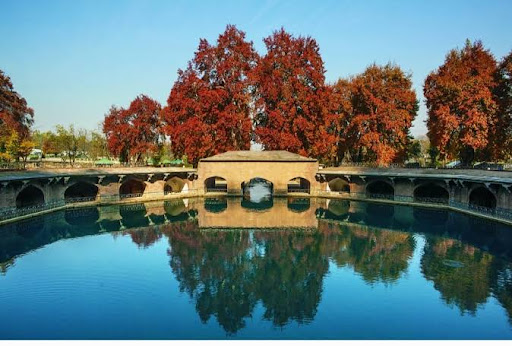
Verinag Spring holds great historical importance as it was commissioned by the Mughal Emperor Jahangir in the 17th century. The spring serves as the source of the Jhelum River, making it a vital water body in the region. Its architectural marvel, exemplified by the beautiful octagonal pavilion and surrounding Mughal gardens, adds a touch of grandeur to the overall ambiance.
The spring offers a serene and tranquil atmosphere, perfect for nature lovers and those seeking a peaceful retreat. The refreshing coolness of the water, the symphony of chirping birds, and the gentle rustling of leaves create an idyllic setting for relaxation and rejuvenation.
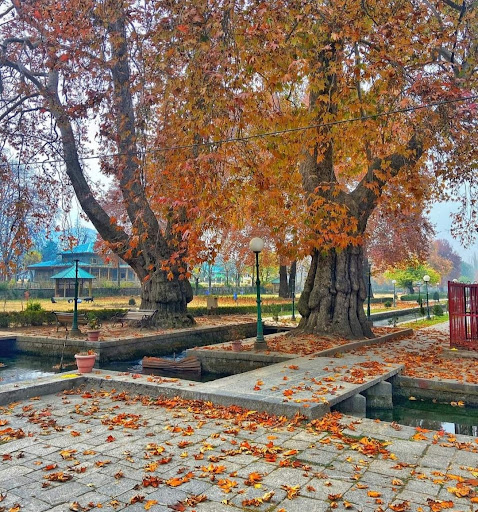
The well-maintained gardens surrounding the spring are a treat for the eyes. The meticulously manicured lawns, vibrant flower beds, and tall chinar trees provide a scenic backdrop for leisurely walks or picnics with family and friends. The presence of benches and shaded areas allows visitors to sit and admire the beauty of nature at their own pace.
One suggestion for improvement would be to enhance the cleanliness and maintenance of the surrounding areas. Proper waste management and regular upkeep would help preserve the charm and ecological balance of Verinag Spring.
Overall, Verinag Spring is a true gem of Kashmir, offering a delightful blend of natural beauty, historical significance, and tranquility. A visit to this serene oasis is an opportunity to connect with nature, indulge in leisurely strolls, and experience the rich heritage of the region. Whether you're a nature enthusiast, a history buff, or simply seeking an escape from the hectic urban life, Verinag Spring is a must-visit destination that promises a serene and...
   Read moreVerinag, located in Anantnag district, is renowned for its historic significance and natural beauty:
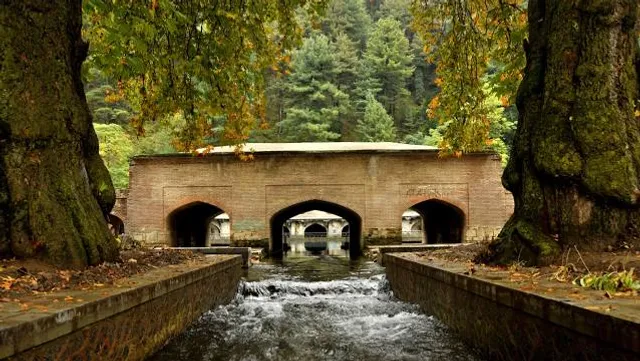
Verinag Spring: Verinag is home to a beautiful spring that is the source of the Jhelum River. The octagonal stone basin surrounding the spring, built during the Mughal era, adds to the charm. The clear, gushing water and well-maintained surroundings make it a serene spot.
Mughal Architecture: The Mughals built a picturesque Mughal Garden around the spring. The meticulously laid out garden with terraced lawns, flowerbeds, and water channels reflects the classic Mughal architecture, providing a delightful setting for visitors.
Historical Significance: Verinag holds historical importance as it was a favored location for the Mughal emperors. The garden and the spring were part of the Mughal road network connecting Kashmir with other regions.
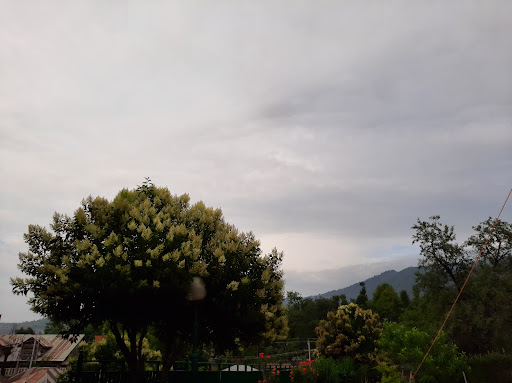
Surrounding Landscape: The area surrounding Verinag is characterized by lush greenery and the majestic Himalayan mountains in the backdrop. This creates a scenic environment, making it a popular destination for nature lovers and photographers.
Accessibility: While Verinag is accessible by road, the journey through the picturesque countryside adds to the overall experience. The tranquil atmosphere makes it a refreshing retreat.
Local Culture: The nearby town reflects the local Kashmiri culture, and interacting with the friendly locals adds a cultural touch to the visit. Traditional handicrafts and local cuisine are often appreciated by visitors.
Conclusion: Verinag stands as a serene blend of historical significance and natural beauty. The Mughal architecture, coupled with the scenic surroundings and the clear spring waters, makes it a delightful destination for those seeking a peaceful retreat with a...
   Read more