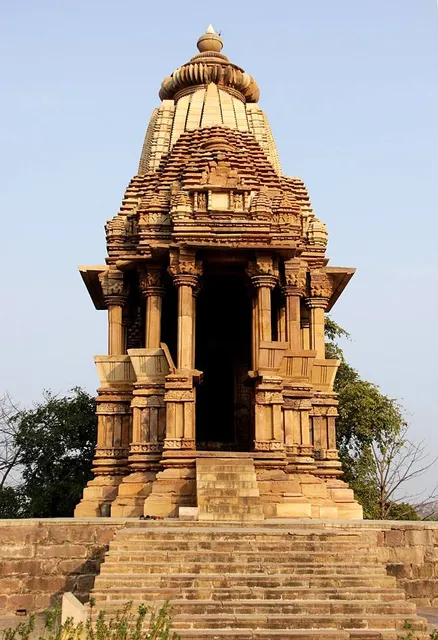
The Chaturbhuja Temple, an extraordinary architectural marvel nestled within the renowned Khajuraho Group of Monuments, stands as a testament to the artistry and devotion of the Chandela Dynasty. Built around 1100 CE by Yasovarman, this temple is a striking embodiment of the spiritual and cultural heritage of ancient India.
What makes Chaturbhuja Temple particularly noteworthy is its distinct departure from the typical artistic themes found in other Khajuraho temples. Unlike its counterparts, this temple is devoid of the famous erotic sculptures that characterize much of the Khajuraho complex. Instead, it focuses purely on the divine, with the name "Chaturbhuja" itself signifying "One who has four arms," a revered epithet of Lord Vishnu. This singular focus on the deity is reflected in the serene and powerful statue of Vishnu housed within the temple, which radiates a sense of spiritual tranquility and divine protection.
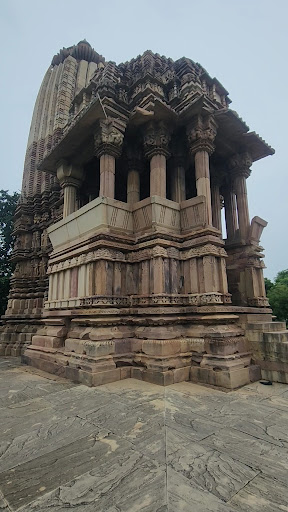
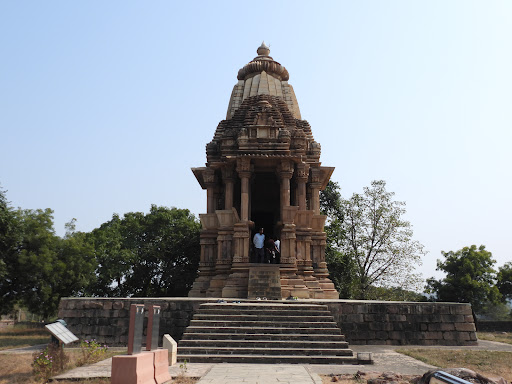
The architectural finesse of Chaturbhuja Temple is another highlight that has earned it a place on the UNESCO World Heritage List since 1986. The temple's design showcases the grandeur and sophistication of the Chandela Dynasty's architectural style, with intricate carvings, symmetrical layouts, and a towering spire that commands attention from afar. The craftsmanship evident in every stone speaks volumes about the skill and dedication of the artisans who brought this masterpiece to life.
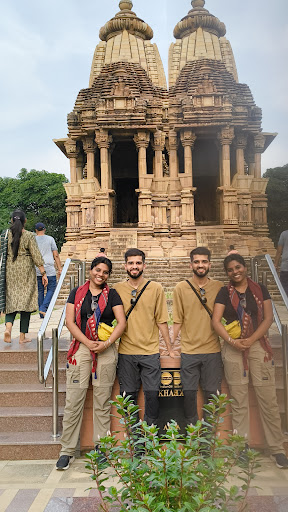
Visiting the Chaturbhuja Temple is a deeply enriching experience, offering a glimpse into the spiritual heart of the Chandela Dynasty. Whether you are an admirer of ancient architecture, a devotee of Vishnu, or a traveler seeking to connect with India's rich cultural history, this temple provides a serene and contemplative space that invites reflection and awe. It is a must-visit for anyone exploring the Khajuraho complex, offering a unique perspective on the diverse religious and artistic expressions...
Read moreIn my view, the magnificent temples of Khajuraho are a symbol of prosperity, faith, valor, gratitude and dedication of the Chandela kings and a message that worldly pleasures are not enough without sacrifice and gratitude. Chaturbhuj Temple which is also known as Jatkari temple because located in the vicinity of Jatkari village is a well preserved Monument of World Heritage Site and an essential sight to be visited due to its unique nature and Idol.
Chaturbhuj Temple was built in 1100 AD and built by sand stone in the popular Nagara Style Architecture dedicated to Lord Vishnu. It's built on a raised platform and on a highest ground level. It's located in the Southern group of temples. This is the only temple which is facing to the West and at the time of Sunset whole sanctum Sanctorum gets illuminated. This is the temple in which no erotic sculptures are found on the exterior or interior. It doesn't have the hall, Antarala and circumambulatory. Its sanctum Sanctorum houses the unique monolithic black granite tall idol. This idol has a special attraction and features, the upper part of this idol is of Shiva as Ganga on head and third eye on the forehead, the middle body is of Vishnu which is identified by four arms and the lower part below the waist is of Krishna which is identified with the Padam mark in the sole of the right foot. Doorjamb is having the presence of Ganga and Yamuna and other heavenly bodies. Outer walls are having Sculptures of God's, Goddesses, mythical creatures and many other theological motifs. Sanctum Sanctorum is adorned by the decorated tall tower.
It needs half an hour and if visiting at the time of Sunset will thrill the spectators. It's a major attraction among the history buffs wanderers soulseekers heritage art and...
Read moreKhajuraho, a UNESCO World Heritage Site in Madhya Pradesh, is an absolute masterpiece of Indian architecture, culture, and history. The temples, built between the 9th and 12th centuries by the Chandela dynasty, are renowned for their intricate carvings, mesmerizing sculptures, and bold yet artistic depictions of life, love, and spirituality.
The Western Group of Temples, including Kandariya Mahadev, Lakshmana, and Vishwanath temples, are the most well-preserved and stunning. The carvings here are not just about sensuality but also depict scenes of everyday life, mythology, and divine beings, showcasing the artistic brilliance of ancient India. The detailed craftsmanship and symmetrical designs make every temple a marvel in itself.
The sound and light show in the evening is highly recommended, as it beautifully narrates the history of Khajuraho in a captivating way. The Eastern and Southern Group of Temples, though less crowded, also hold significant historical and architectural value.
While Khajuraho is known for its temples, there are no grand palaces like in Rajasthan. However, the old-world charm of the town, nearby forts, and serene landscapes make it a delightful place to explore.
The only downside is that reaching Khajuraho can be a bit challenging, as direct flights and trains are limited. Additionally, food and accommodation options are decent but not as luxurious as bigger tourist cities.
Overall, Khajuraho is a must-visit for history buffs, architecture lovers, and travelers seeking a unique cultural experience. The sheer beauty and historical significance of these temples make them one of India’s most treasured...
Read more