Basukinath Dham (also called Baba Basukinath) in Jharkhand — its significance, how to get there, and what to expect:
Overview
Location: Basukinath is a temple town in dumka district, Jharkhand. It lies in Jarmundi block, along the Dumka–Deoghar state highway, about 24-25 km north-west of Dumka town.
Main Deity: Lord Shiva (often in the form “Baba Basukinath”) along with Goddess Parvati. There is also local belief connected with Basuki (a serpent) which gives the name.
Mythological & Religious Significance
The name Basukinath comes from Basuki, the serpent who is said to adorn Shiva’s neck. Local tradition says that Basuki and other Nagas offered sacrifices to Shiva at this site during the Samudra Manthan (the churning of the ocean). This is one reason Shiva here is called Lord of Basuki (Basukinath).
It is believed by many devotees that a pilgrimage to Baba Basukinath is closely linked or even “completes” a pilgrimage to Baidyanath Dham (another important Shiva temple in Deoghar).
During the Hindu month of Shravan (usually July-August), there is a grand fair or mela (Shravani Mela) here, when a large number of devotees come to offer prayers to Shiva.
Temple Complex & Features
The complex has a large main temple which houses the Shiva linga, plus a temple for Goddess Parvati. Surrounding the main temple, there are smaller shrines dedicated to other deities.
According to the tourism site: On certain days/events, it is believed that the gates of Shiva’s and Parvati’s temples are opened such that the deities “meet” symbolically, and devotees are asked to move away from entrance gates during that time.
How to Reach
By Road: Basukinath lies on the Dumka-Deoghar state highway; about 24 km from Dumka.
By Train: The nearest railheads are Jasidih Junction, Jamtara, etc. The temple town is connected via the Deoghar-Dumka railway route.
By Air: The nearest major airports are Ranchi and Kolkata, both are some distance away (several hundred kilometers).
When to Visit & What to Expect
Best time: During Shravan Month (July–August) for the mela, or other cooler months (Oct-Feb) when weather is more pleasant.
Crowds: Expect large crowds especially during Shravan, for “Somvari” (Mondays), and on special festivals related to Lord Shiva. Facilities are enhanced during those times.
Facilities: Basic amenities are there; transport, food vendors, local accommodation exist. The temple administration also sets up medical camps and helps with arrangements during big melas.
If you want, I can send you a travel-guide style plan (best routes from Lucknow, stay, food, timings) for...
Read moreMy Visit to Basukinath Temple, Jharkhand – A Sacred Experience
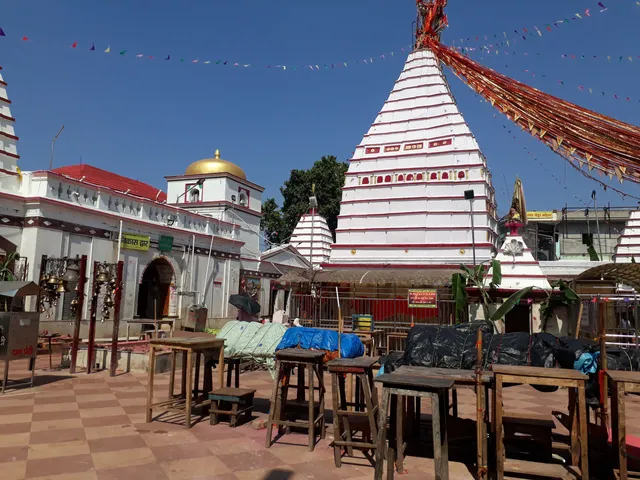
Visiting Basukinath Temple in Dumka, Jharkhand, was one of the most peaceful and spiritually uplifting experiences I’ve had. After completing my darshan at Baba Baidyanath Dham in Deoghar, I had heard from locals that the pilgrimage is considered incomplete without seeking blessings at Basukinath. Without a second thought, I decided to visit.
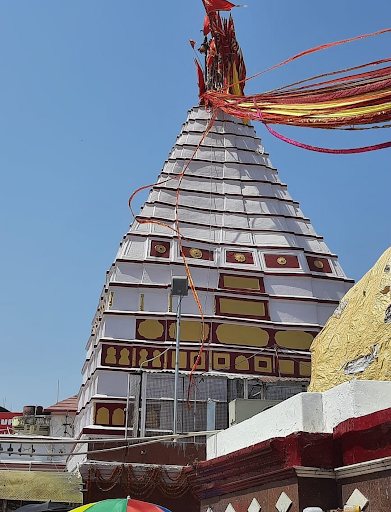
The journey from Deoghar to Basukinath took about 1.5 to 2 hours, and the scenic rural landscapes along the way made the trip refreshing. As I reached the temple, I was struck by its beautiful architecture, with tall shikharas (spires) reaching toward the sky. Unlike the usual hustle of big temples, Basukinath had a calm and peaceful aura, making me feel instantly connected to the divine.
Stepping inside the temple complex, I saw several shrines dedicated to Lord Shiva, Maa Parvati, Lord Ganesha, and Nandi. The main sanctum (Garbhagriha) was simple yet powerful, and devotees were offering milk, water, and bilva leaves to the Shiva Linga. I was told about a unique belief here – it is said that Lord Shiva and Maa Parvati meet here every night, and because of this, the inner sanctum is closed after the evening aarti, allowing them privacy. This legend gave the temple an even more mystical feel.
I visited during the afternoon, so the crowd was moderate, making my darshan smooth. The energy inside was pure and overwhelming. Unlike Baidyanath Dham, where the rush can be intense, Basukinath felt more intimate and serene. I spent some time sitting outside the temple, soaking in the divine vibrations and watching devotees pray with such deep faith.
Another fascinating thing I noticed was the devotees from the Kanwar Yatra carrying holy Ganga water from Sultanganj to offer to Lord Shiva. The devotion and discipline they showed were truly inspiring.
After my visit, I enjoyed some local prasad outside the temple – simple yet delicious sweets offered by the priests. Before leaving, I made sure to take a moment to express my gratitude, as the place had given me a sense of inner peace.
If you’re visiting Deoghar, I highly recommend taking the time to visit Basukinath. It’s not just a temple; it’s a place where you can feel Shiva’s presence in the air, away from the chaos, in a setting that’s as divine as...
Read moreBasukinath serves as a place of pilgrimage for Hindus.[7] Baba Basukinath Temple is the main attraction and situated along the Jasidih Dumka New Railway Line.[7] It is one of three major Shiva temples in Bihar and Jharkhand together with Ajgaibinath temple and Baidyanath temple.
Shree Baba Basukinath Shivlinga is Swayambhu Shivlinga. It is named after a farmer Basu who was a great devotee of Lord Shiva and long ago when the Area of Basukinath then called Daruk forest was facing drought, Basu with his devotion pleased Shiva to reside in Basukinath area to bring rains. Vardani Nath is also a Swayambhu Shivlinga and located at a distance of 6 km from Basukinath Mandir.
In the temple premises of Basukinath Mandir there are many gods residing including Lord Ganesha, Swami Kartikeya, Maiya Parvati, Maiya Kali, Anand Bhairav, Maa Annapurna, Maa Ambe, Shree Ram Darbar, Maa Tara, Maa Kamala, Maa Chinnamastika, Maa Baglamukhi, Lord Hanumana and Many more.
Shree Baba Basukinath has been blessing his true devotees with all good health and happiness since ancient times and a visit to this place soothes the soul from within. Devotees of Shree Basukinath greet each other by saying " Bam Basuki" when they talk.
Pandit Nainalal Jha and Pradhan Tirth Purohit Baba Basukinath started the festival of "Ram Janki Vivah Utsav" in Basukinath.[9] A baraat which included elephants and horses participated in the procession as well. In present-day the festival has been continued by his son Pandit Tara Kant Jha.[citation needed]
Baba#Basukinat#Dumka#Deoghar Great Magdhi Guru (Gaurav Narayan Bharti) say another name as Fojdari baba, and Magdhi guru said that if you pray to Fojdari baba ( Baba Basukinath) result come within time. Magdhi guru said that if you come before baba baidyanath, the you must bow down to...
Read more