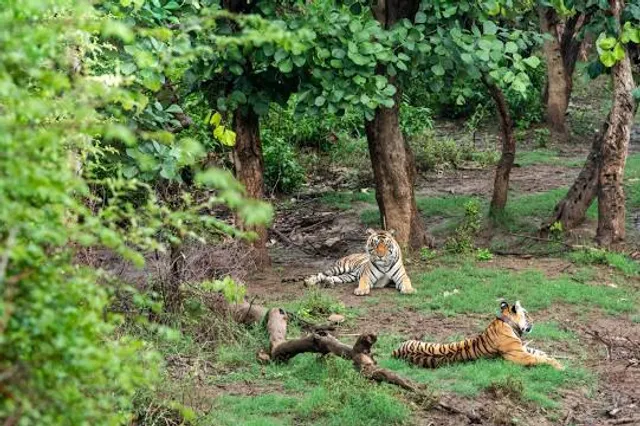
Betla National Park is a national park located on the Chota Nagpur Plateau in the Latehar district of Jharkhand, India. The park hosts a wide variety of wildlife.
Initially comprising 1,026 km2 (396 sq mi) of the Palamau Tiger Reserve, an additional 226 km2 (87 sq mi) was added to the park in 1989 and 63 km2 (24 sq mi) of the Mahuadar wolf sanctuary.1 Betla was one of the first national parks in India to become a tiger reserve under Project Tiger. The park is under administration of the forest departments.
Flora The forest of the park have a vast range of vegetation consisting of sal and bamboo as the major components along with a number of medicinal plants.
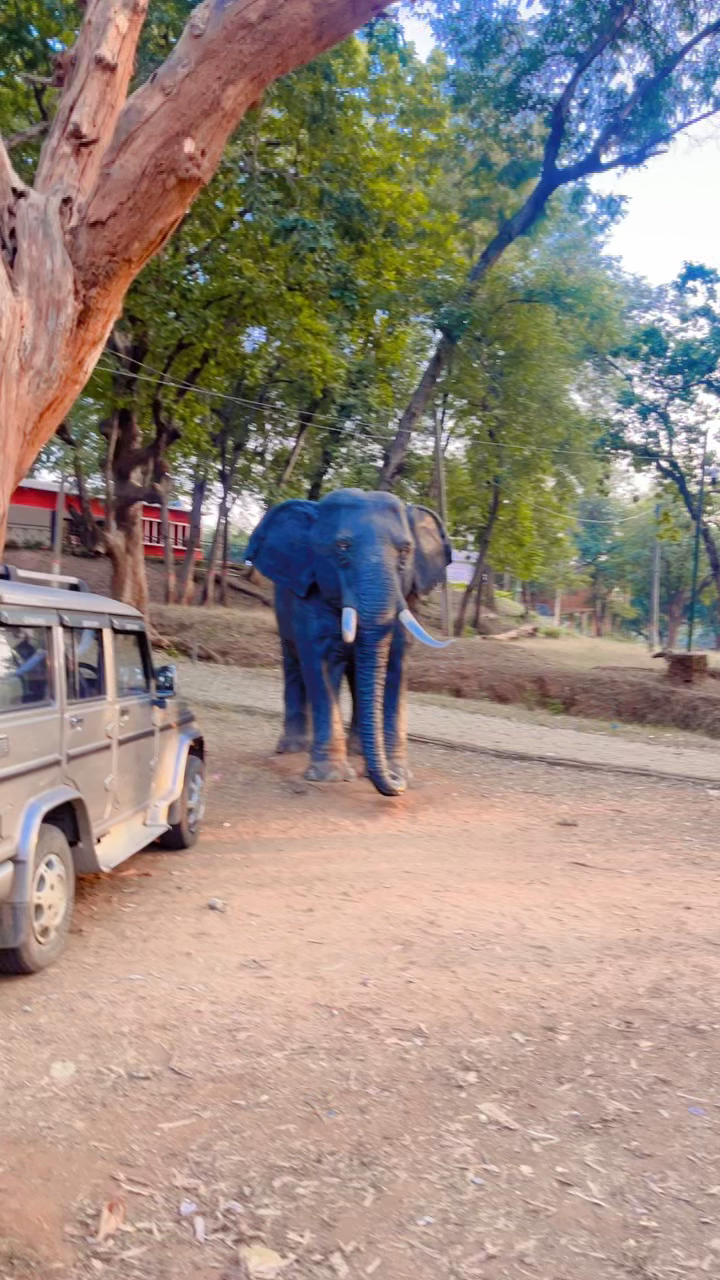
The North Koyal River and its tributaries flow through the northern portion of the park, producing grasslands. The park has a variety of diverse eco-systems and abundance of wild animals. Elephants in large numbers are seen mostly between the end of the monsoon season, to the time when watering holes begin to dry in March.
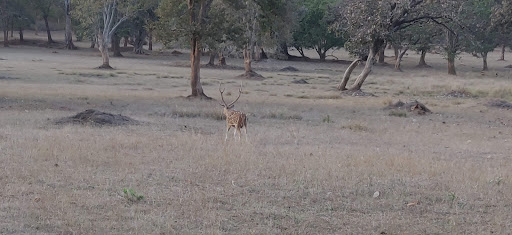
Predators include the sloth bear and panther, while scavengers include the wolf, jackal and hyena. Other animals include large herds of gaur and chital, large families of langurs, rhesus monkeys, mouse deer, sambhar deer, four-horned antelopes, nilgai, kakar, small Indian civets, ant eating pangolin, porcupine and mongoose. White tigers that remained in the park were transported to zoos.
Birds include the hornbill, peafowl, red jungle fowl, black partridge, white-necked stork, black ibis, swamp grey, quail, pied hornbill, wagtail, harial, dove, drongo, crested serpent-eagle, forest owlet, papeeha, and other birds usually found in dry deciduous forests. The Kamaldah lake attracts several varieties of water birds including the common whistling, cotton teal, knob-billed duck, snipe and geese.
Other points of interest The park features waterfalls and hot springs. There are also two historical forts, one of them situated near the Betla at 400 ft (120 m), erected in the 16th century as the seat of Chero Kings. It is now deep inside the forest, but the main sentinel of the old fort is visible high on the hill with defences in three directions and three main gates
Tourism The park provides several opportunities to observe a variety of wildlife at close range. There are elephant rides and jeeps available with guides for venturing inside the park. Watch towers and ground hides have been constructed to view the wildlife.
The park is open throughout the year. Wildlife sightings are highest in the hot season (May to June), when foliage is not as thick. The most comfortable time to visit in terms of climate is between...
Read moreBetla National Park, situated in the Latehar and Palamu districts of Jharkhand, India, is a prominent wildlife sanctuary renowned for its rich biodiversity and historical significance. Established in 1989, the park spans approximately 979 square kilometers and is a vital part of the Palamu Tiger Reserve.
Flora and Fauna
The park's diverse ecosystems encompass tropical wet evergreen forests, mixed deciduous forests, and temperate alpine regions. Sal and bamboo are predominant, alongside numerous medicinal plants. The North Koel River and its tributaries traverse the park, creating grasslands that support a variety of wildlife.
Wildlife enthusiasts can encounter elephants, tigers, leopards, sloth bears, and wolves. Herbivores such as gaur, chital, sambhar, and nilgai are also present. The park is a haven for birdwatchers, hosting species like hornbills, peafowl, and the forest owlet.
Historical Significance
Betla National Park is home to two historical forts from the 16th century, constructed by the Chero kings. These forts, now in ruins, are nestled deep within the forest, offering a glimpse into the region's rich history.
Tourism and Activities
The park offers various activities, including jeep safaris, elephant rides, and guided nature walks, providing opportunities to observe wildlife and explore the park's diverse landscapes. Watchtowers and ground hides are strategically placed for optimal wildlife viewing.
Accommodation
Visitors can choose from a range of accommodations, including a three-star hotel, tourist lodges, log huts, and tree houses within the park. The tree houses offer unique experiences, overlooking watering holes frequented by wildlife.
Best Time to Visit
The park remains open year-round, with the most comfortable climate between November and March. For optimal wildlife sightings, the hot season from May to June is ideal, as the thinning foliage makes animals more visible.
Accessibility
Betla village serves as the primary entry point to the park. It is approximately 25 km south of Medininagar, 65 km northwest of Latehar, and 170 km northwest of Ranchi.
Visitor Reviews
Visitors have praised Betla National Park for its natural beauty and wildlife diversity. One reviewer noted, "The place is filled with the beauty of flora and fauna. The greenery is fascinating to the eyes."
Conclusion
Betla National Park offers a harmonious blend of natural beauty, wildlife, and historical intrigue, making it a must-visit destination for nature enthusiasts and history aficionados alike.
For a visual overview of Betla National Park, you might find the following video...
Read moreSSC
LoginJoin for Free
SSC Exam»SSC Study Materials»General Awareness»Carve National Park
Carve National Park
Betla national park is a small national park situated in the Palamu district of Jharkhand, India. It hosts a wide variety of wildlife, including elephants, leopards, etc.
Share
The Palamu Tiger Reserve within Betla National Park in the Chota Nagpur Plateau is one of India’s initial nine “Project Tiger” tiger reserves. It is situated on a steep landscape, which adds to its appeal. Betla is an acronym for bison, elephant, tiger, leopard, and axis. In 1932, the world’s first tiger census was held here. Betla is, in fact, among the earliest national parks to be included in Project Tiger. This national park provides superb animal viewing opportunities.
About The Betla National Park
Betla National Park is a national park in Jharkhand, India, and is situated on the Chota Nagpur Plateau in the Latehar and Palamu districts. The park is home to a diverse range of species.
The Palamu Tiger Reserve originally included 1,026 square kilometres, but in 1989, a supplemental 226 square kilometres and 63 square kilometres of the Mahuadar Wolf Sanctuary were introduced to the park. Betla was among the first national parks in India to be designated as a “Project Tiger ” reserve in 1974. The Forest Department is in charge of the park’s management.
Waterfalls and hot springs may be found throughout the park. There are also two ancient forts known as Palamu Forts, one of which is located near Betla – at 400 feet (120 metres) – and was built as the seat of Chero Kings in the 16th century. Although it is now deep into the forest, the original fort’s main sentinel can be seen high on the hill, with three major entrances. Betla has waterfalls and natural hot springs on the one side, while on the other, there are historical relics such as the Chero kings’ fort from the 16th century.
Palamau is famous for being the site of the world’s first tiger census, which took place in 1932. The Indian Forests Act of 1947 designated this region as a protected area. It was designated as a wildlife refuge in 1973. In 1974, the Palamau Tiger Reserve was established. The reserve’s total size is approximately 1014 square km. Poaching and overgrazing were rampant in the area before Palamau was designated as a Tiger Reserve.
The forest departments are in charge of the park’s management. In 1986, Betla was designated as a National Park. The park’s total size is approximately...
Read more