HTML SitemapExplore
logo
Find Things to DoFind The Best Restaurants

Durgadi Fort — Attraction in Kalyan-Dombivli

Name
Durgadi Fort
Description
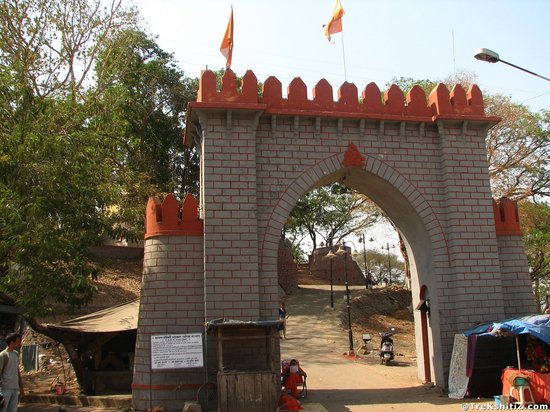
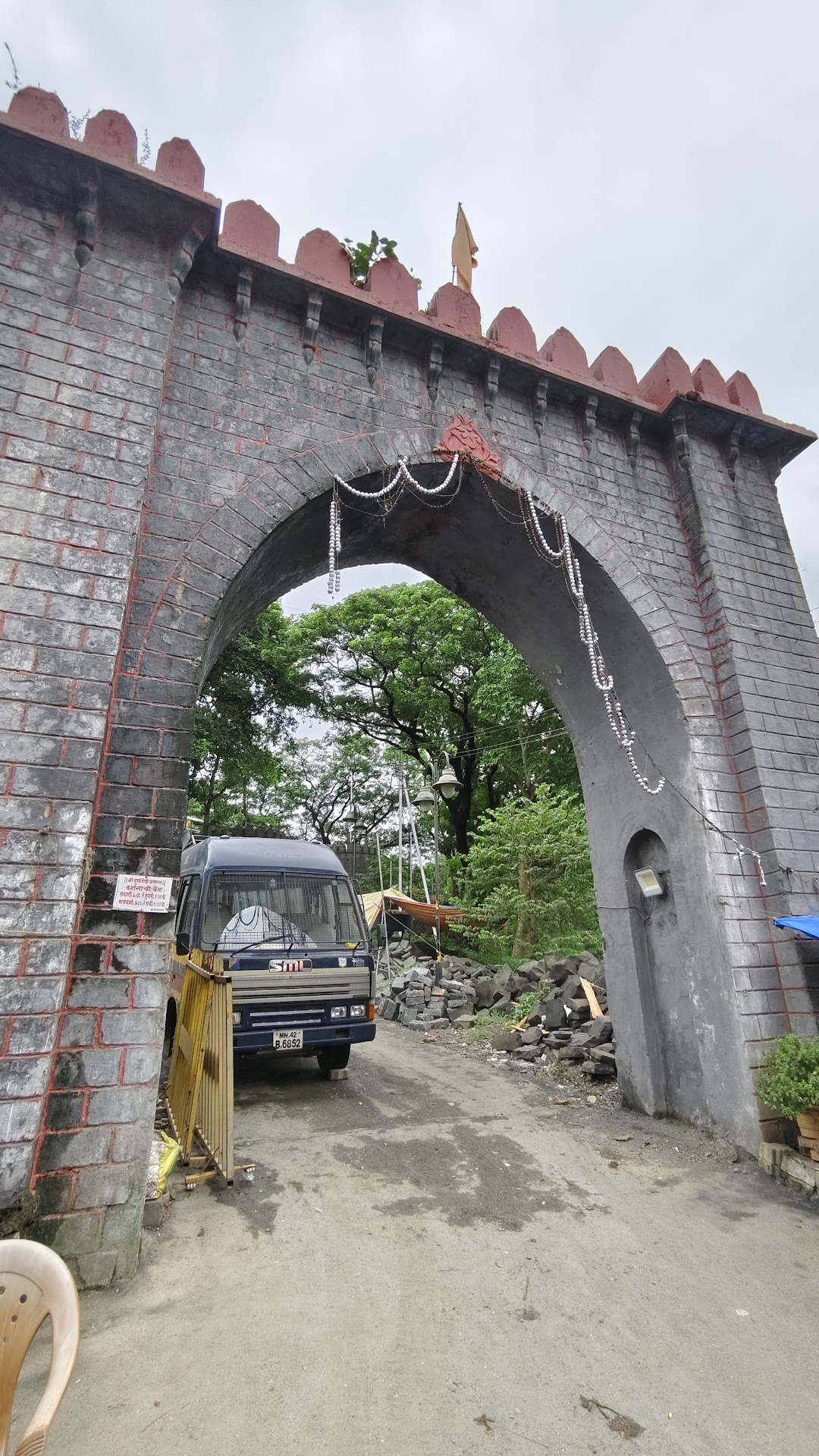
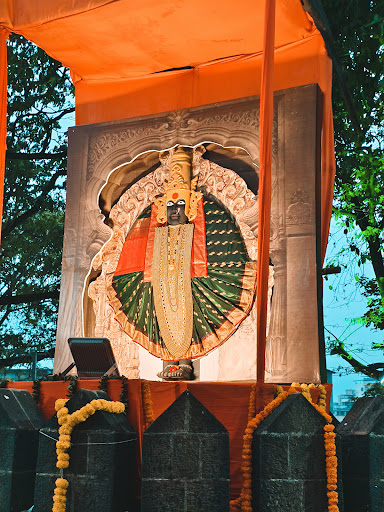
Durgadi Fort is a fort located in Kalyan, near Mumbai in Maharashtra, India. Durgadi Fort was built hundreds of years ago by the Hindu Kshatriya Maratha ShirkeSatavahan. There is a Hindu community temple on the fort. There is a temple of Durga devi. [1]
Nearby attractions
Nearby restaurants
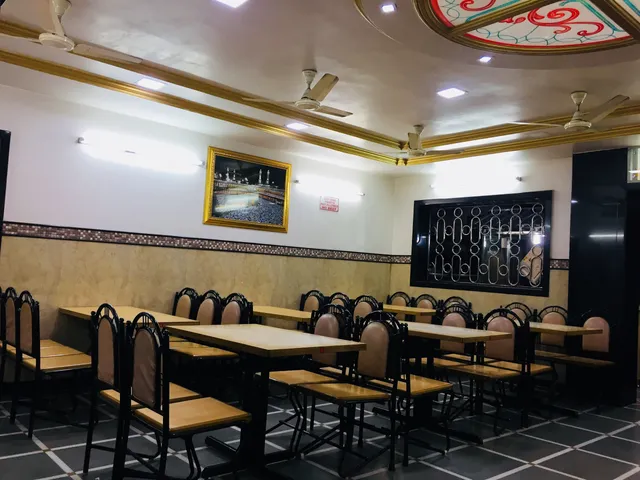
Chirag Hotel(Halal) Restaurant
64V9+38Q, Allama Iqbal Chowk Reti Bunder Road Dudh Nakah, Kalyan West, Maharashtra 421301, India
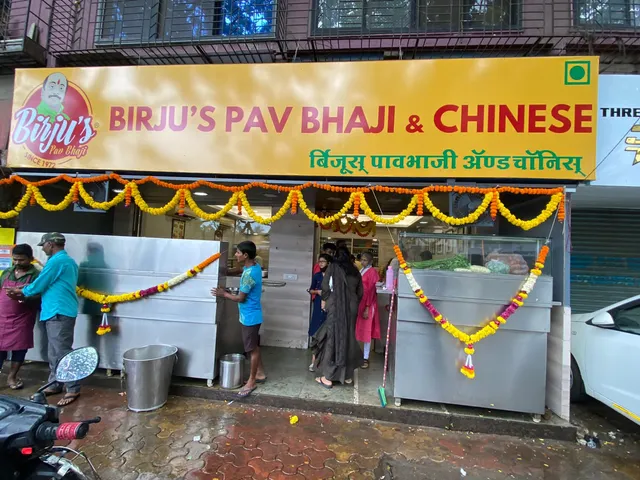
Birju's Pav Bhaji Kalyan
Kalyan, Maharashtra 421301, India
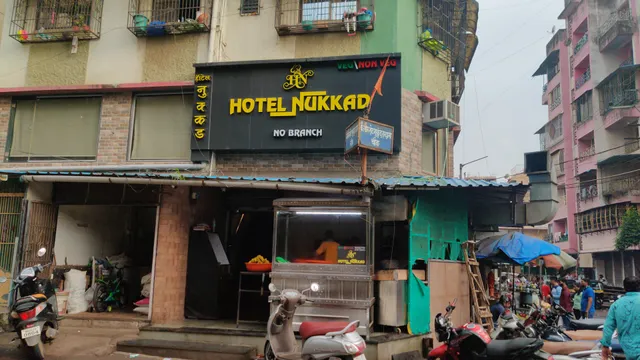
Nukkad Hotel
64V9+HQ4, Agra Rd, Samarth Co-Operative Housing Society, Dudh Nakah, Kalyan, Maharashtra 421301, India
Hotel Shahi Darbar Restaurant
Kamle Mansion, ghas bazar, near Aman Hospital, Kalyan West, Kalyan, Maharashtra 421301, India
Red Sun
Doodh Naka, Kalyan West, Kalyan, Maharashtra 421301, India
Salva, Kalyan
Anna Saheb Vartak Rd, Kalyan West, Kalyan, Maharashtra 421301, India
Gajanan Vada Pav
Niwara Complex, Tilak Chowk, near IDBI Bank, Kalyan West, Kalyan, Maharashtra 421301, India
Hotel Sandeep
Shop Number 1 Aadhar Wadi Chowk, opposite Janata Bank, Kalyan West, Kalyan, Maharashtra 421301, India
Dada's Restaurant
Anna Saheb Vartak Rd, Kalyan West, Kalyan, Maharashtra 421301, India
Khidki Vada
Khidkivada, Tilak Chowk, Kalyan, Maharashtra 421301, India
Nearby hotels
Ceremony Banquets
Kalyan - Bhiwandi Rd, next to Durgadi Fort, above Yamaha, Kon, Kalyan, Kongaon, Maharashtra 421311, India
OYO 77135 Hotel Sun Inn Residency
Neelkanth valley, Samarth Co-Operative Housing Society, Mumbai, Kalyan, Maharashtra 421301, India
Hotel Green County
opp. Ceremony Banquets, near Durgadi Bridge, Kalyan West, Kongaon, Kalyan, Maharashtra 421311, India
Capital O Hotel Nakshatra Regency
Durgadi Fort, Gate No:-4, Kalyan Sports Club Birla Collage, Road, Adharwadi, Chowk, Kalyan, Maharashtra 421301, India
Related posts
Keywords
Durgadi Fort tourism.Durgadi Fort hotels.Durgadi Fort bed and breakfast. flights to Durgadi Fort.Durgadi Fort attractions.Durgadi Fort restaurants.Durgadi Fort travel.Durgadi Fort travel guide.Durgadi Fort travel blog.Durgadi Fort pictures.Durgadi Fort photos.Durgadi Fort travel tips.Durgadi Fort maps.Durgadi Fort things to do.
Durgadi Fort things to do, attractions, restaurants, events info and trip planning
Durgadi Fort
IndiaMaharashtraKalyan-DombivliDurgadi Fort

Basic Info

Durgadi Fort

Durgadi Fort, Eidgah Rd, Dudh Nakah, Kalyan, Maharashtra 421301, India
4.4(5K)
Closed
Save
spot

Ratings & Description

Info

Durgadi Fort is a fort located in Kalyan, near Mumbai in Maharashtra, India. Durgadi Fort was built hundreds of years ago by the Hindu Kshatriya Maratha ShirkeSatavahan. There is a Hindu community temple on the fort. There is a temple of Durga devi. [1]

Cultural
Outdoor
Family friendly
attractions: , restaurants: Chirag Hotel(Halal) Restaurant, Birju's Pav Bhaji Kalyan, Nukkad Hotel, Hotel Shahi Darbar Restaurant, Red Sun, Salva, Kalyan, Gajanan Vada Pav, Hotel Sandeep, Dada's Restaurant, Khidki Vada
logoLearn more insights from Wanderboat AI.
Open hoursSee all hours
Fri8 AM - 10 PMClosed

Plan your stay

hotel
Pet-friendly Hotels in Kalyan-Dombivli
Find a cozy hotel nearby and make it a full experience.
hotel
Affordable Hotels in Kalyan-Dombivli
Find a cozy hotel nearby and make it a full experience.
hotel
The Coolest Hotels You Haven't Heard Of (Yet)
Find a cozy hotel nearby and make it a full experience.
hotel
Trending Stays Worth the Hype in Kalyan-Dombivli
Find a cozy hotel nearby and make it a full experience.

Reviews

Things to do nearby

Cook & Taste Indian Dishes + Spice Market Tour
Sat, Dec 6 • 10:30 AM
Navi Mumbai, Maharashtra, 410210, India
View details
Mumbai as a Local, Suburb Tour by Aircon Car
Sat, Dec 6 • 2:00 PM
Mumbai, Maharashtra, 400063, India
View details
Embark on Bollywood adventure in Mumbai
Sat, Dec 6 • 10:45 AM
Mumbai, Maharashtra, 400072, India
View details

Nearby restaurants of Durgadi Fort

Chirag Hotel(Halal) Restaurant

Birju's Pav Bhaji Kalyan

Nukkad Hotel

Hotel Shahi Darbar Restaurant

Red Sun

Salva, Kalyan

Gajanan Vada Pav

Hotel Sandeep

Dada's Restaurant

Khidki Vada

Chirag Hotel(Halal) Restaurant

Chirag Hotel(Halal) Restaurant

4.2

(1.8K)

Click for details
Birju's Pav Bhaji Kalyan

Birju's Pav Bhaji Kalyan

3.7

(582)

Click for details
Nukkad Hotel

Nukkad Hotel

4.2

(888)

Click for details
Hotel Shahi Darbar Restaurant

Hotel Shahi Darbar Restaurant

4.4

(1.2K)

$

Click for details
Get the Appoverlay
Get the AppOne tap to find yournext favorite spots!
Wanderboat LogoWanderboat

Your everyday Al companion for getaway ideas

CompanyAbout Us
InformationAI Trip PlannerSitemap
SocialXInstagramTiktokLinkedin
LegalTerms of ServicePrivacy Policy

Get the app

© 2025 Wanderboat. All rights reserved.
logo

Reviews of Durgadi Fort

4.4
(5,004)
avatar
5.0
7y

OVERVIEW...

The city of Kalyan was surrounded by a fort wall, the construction of which began during Shah Jahan's reign and was completed during Aurangzeb's reign in 1694 A.D. This city wall, which ran in excess of 2000 yards, 2123 to be precise, was guarded by 4 gates and 11 towers. The fort wall enclosed an area of 70 acres and on a high mound near the Kalyan creek, where the current Ganesh ghat stands, was a fine fort since as early as 1570.

The wall of the fort along the top of the inner bank of the ditch, and, near the north end, had a gateway known as the Delhi or Killyacha Darwaja.

Under the Marathas (1760–72), a new gate about 150 feet (46 m) to the south of the Ganesh gate was opened near the mansion of Ramji Mahadeo Biwalkar, the Peshwa's Governor. In the citadel of the fort Marathas built a small wooden temple of Durgadevi behind the mosque, and called the fort Durgadi Killain honorr of the goddess, a name which it still bears. The fort measures 220 feet (67 m) in length and somewhat less in breadth. Under the English rule, the fort wall was dismantled and stones carried to build the Kalyan and Thane piers and a dwelling for the customs inspector in the west of the Kalyan fort. The gate to the north-west is almost the only trace of the fort wall, which is of rough stone masonry. During 1876 the original idol of the goddess Durga was stolen.

TRANSPORTATION....

Kalyan Station, 1945

Auto-rickshaws are an important mode of transport. 200,000 Kalyan citizens travel daily by auto-rickshaw.

Kalyan Junction is on the rail line between Mumbai and Karjat/Kasara. Kalyan Junction serves as an important railway station at the node of Mumbai.

CIVIL AMENITIES....

With a population of more than 700,000, Kalyan is a part of Kalyan Dombivli Municipal Corporation established in 1983, with municipalities of Kalyan, Dombivli, Ambernathand 81 villages. It was then one of the largest urban local bodies in Mumbai Metropolitan Region (MMR) and in the state, with an area around 209 km2. The government of Maharashtra has decided to delete major area of the corporation limits on different occasions. Presently the total area of the corporation has remained, and measures about 67 km2.

GOVERNMENT...

KDMC is a municipal corporation in Thane district of Maharashtra state, India. A municipal corporation formed in 1983 to administer the twin townships of Kalyan and Dombivli. The municipal corporation has a population 15,18,762 (2011 census). Due to its highly educated population it is often called the second cultural capital of Maharashtra after Pune. Kalyan was famous as a port since ancient times. Records of its existence as a premier port in the region have been found in ancient Greek manuscripts. Dombivli station is about 48 km from CSMTstation along the central railway and is connected to all parts of Maharashtra by rail as well as road. Kalyan is one of the most important junctions in India with most of the outstation trains stopping at it. Nearest airport is Mumbai airport which is 40 km away.

The corporation is governed by Bombay Provincial Municipal Corporation Act 1949. The following authorities are given charge to carry out the provisions of the act:

A corporationA standing committeeWard committeesMunicipal commissioner

Both the cities are divided into 122 wards. Municipal Corporation consists of Councillors elected directly at Ward Elections. The number and boundaries of the Wards into which the City is divided is specified by the State Election Commissioner. There are five Councillors nominated by the Corporation. As per the provisions of the Act, the total number of Councillors is 121. The Corporation elects one of its members as the Mayor and another to be the...

   Read more
avatar
4.0
1y

The fort's construction started during Shah Jahan's reign and was completed in Aurangzeb's reign in 1694 AD. Durgadi Fort is built on a hill beside the Kalyan creek. The fort came under Marathas when Shivaji captured Kalyan and Bhiwandi from Adilshah in 1654. Shivaji built the fort close to the creek and used it as a dock to build boats and ships. During British Raj, stones from the fort wall were used to construct the Kalyan and Thane piers.

Under the rule of Marathas, a new gate about 150 feet to the south of the Ganesh Gate was opened near the mansion of Maratha General Ramji Mahadev Biwalkar. In the citadel of the fort, Marathas built a small temple of Hindu goddess Durga and named the fort Durgadi in honor of the goddess, a name it still bears. The original idol of the goddess Durga was stolen in 1876.

Shivaji used the fort as dock and began the work of the first Navy of Hindavi Swarajya and he hired 340 Portuguese artisans to build the naval docks. Later, the fort was repaired by Ramji Mahadev Biwalkar.

In 1682, Moghul Sardar Hasan Ali Khan captured the fort, later recaptured by Sambhaji, the second Chhatrapati of the Maratha Empire. However, the Moghuls took it over again in 1689. It later came under Peshwas. In 1728, the Portuguese attacked the fort but were repelled by Shankarji Keshav Phadke, a Peshwa commander.

Durgadi Mata Temple on the fort It is believed that Shivaji himself built Durgadi Temple, dedicated to the Hindu goddess Durga on Durgadi fort. The Shiv Sena chief Bal Thackeray had started the Navaratri celebrations at the temple, which still continues. On the occasion of the Navratri, the temple is visited by devotees from Mumbai, Thane, Raigad and Palghar districts.

In 2018, the temple was visited by about 7 lakh devotees during the Navratri festival.

In 1967, a communal tension arose in Kalyan over the temple on Durgadi Fort, on which both Hindu and Muslim community had their claims. While local Hindus believed the shrine atop the fort was that of Hindu goddess Durga, the Muslims claimed it to be a mosque and began performing namaaz near the temple. When Shiv Sena supremo Bal Thackeray got to know about the matter, he declared that Shiv Sena would unfurl the saffron flag atop the Durgadi Fort on 8 September 1967. Then the Navratri festival came, and Chief Minister Vasantrao Phulsing Naik announced a ban on the puja at the Durgadi temple. Still, despite the ban, Shiv Sena workers and Theckeray defied the ban and performed the Puja and religious ceremony...

   Read more
avatar
5.0
3y

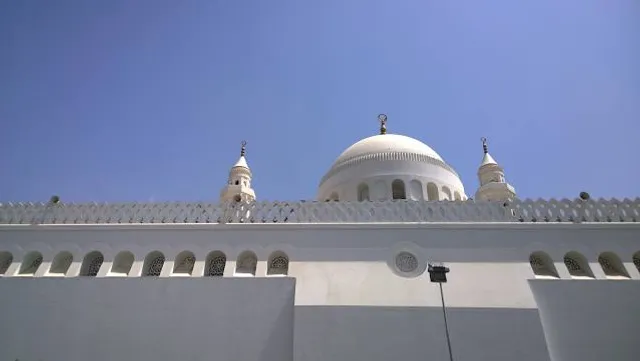
The fort has a Hindu temple and a masjid at the top, which has religious significance for both Hindus and Muslims. It has witnessed riots in the past and is considered communally sensitive. A team of State Reserve Police Force personnel is deployed for security. The fort's construction started during Shah Jahan's reign and was completed in Aurangzeb's reign in 1694 AD. Durgadi Fort is built on a hill beside the Kalyan creek. The fort came under Marathas when Shivaji captured Kalyan and Bhiwandi from Adilshah in 1654. Shivaji built the fort close to the creek and used it as a dock to build boats and ships. During British Raj, stones from the fort wall were used to construct the Kalyan and Thane piers.[2]

Under the rule of Marathas, a new gate about 150 feet to the south of the Ganesh Gate was opened near the mansion of Maratha General Ramji Mahadev Biwalkar. In the citadel of the fort, Marathas built a small temple of Hindu goddess Durga and named the fort Durgadi in honor of the goddess, a name it still bears. The original idol of the goddess Durga was stolen in 1876.

Shivaji used the fort as dock and began the work of the first Navy of Hindavi Swarajya and he hired 340 Portuguese artisans to build the naval docks. Later, the fort was repaired by Ramji Mahadev Biwalkar.[3]

In 1682, Moghul Sardar Hasan Ali Khan captured the fort, later recaptured by Sambhaji, the second Chhatrapati of the Maratha Empire. However, the Moghuls took it over again in 1689. It later came under Peshwas. In 1728, the Portuguese attacked the fort but were repelled by Shankarji Keshav Phadke, a Peshwa commander.[4]

The Kalyan Dombivli Municipal Corporation has built a new gate and made a garden...

   Read more
Page 1 of 7
Previous
Next

Posts

satyawan shindesatyawan shinde
OVERVIEW... The city of Kalyan was surrounded by a fort wall, the construction of which began during Shah Jahan's reign and was completed during Aurangzeb's reign in 1694 A.D. This city wall, which ran in excess of 2000 yards, 2123 to be precise, was guarded by 4 gates and 11 towers. The fort wall enclosed an area of 70 acres and on a high mound near the Kalyan creek, where the current Ganesh ghat stands, was a fine fort since as early as 1570. The wall of the fort along the top of the inner bank of the ditch, and, near the north end, had a gateway known as the Delhi or Killyacha Darwaja. Under the Marathas (1760–72), a new gate about 150 feet (46 m) to the south of the Ganesh gate was opened near the mansion of Ramji Mahadeo Biwalkar, the Peshwa's Governor. In the citadel of the fort Marathas built a small wooden temple of Durgadevi behind the mosque, and called the fort Durgadi Killain honorr of the goddess, a name which it still bears. The fort measures 220 feet (67 m) in length and somewhat less in breadth. Under the English rule, the fort wall was dismantled and stones carried to build the Kalyan and Thane piers and a dwelling for the customs inspector in the west of the Kalyan fort. The gate to the north-west is almost the only trace of the fort wall, which is of rough stone masonry. During 1876 the original idol of the goddess Durga was stolen. TRANSPORTATION.... Kalyan Station, 1945 Auto-rickshaws are an important mode of transport. 200,000 Kalyan citizens travel daily by auto-rickshaw. Kalyan Junction is on the rail line between Mumbai and Karjat/Kasara. Kalyan Junction serves as an important railway station at the node of Mumbai. CIVIL AMENITIES.... With a population of more than 700,000, Kalyan is a part of Kalyan Dombivli Municipal Corporation established in 1983, with municipalities of Kalyan, Dombivli, Ambernathand 81 villages. It was then one of the largest urban local bodies in Mumbai Metropolitan Region (MMR) and in the state, with an area around 209 km2. The government of Maharashtra has decided to delete major area of the corporation limits on different occasions. Presently the total area of the corporation has remained, and measures about 67 km2. GOVERNMENT... KDMC is a municipal corporation in Thane district of Maharashtra state, India. A municipal corporation formed in 1983 to administer the twin townships of Kalyan and Dombivli. The municipal corporation has a population 15,18,762 (2011 census). Due to its highly educated population it is often called the second cultural capital of Maharashtra after Pune. Kalyan was famous as a port since ancient times. Records of its existence as a premier port in the region have been found in ancient Greek manuscripts. Dombivli station is about 48 km from CSMTstation along the central railway and is connected to all parts of Maharashtra by rail as well as road. Kalyan is one of the most important junctions in India with most of the outstation trains stopping at it. Nearest airport is Mumbai airport which is 40 km away. The corporation is governed by Bombay Provincial Municipal Corporation Act 1949. The following authorities are given charge to carry out the provisions of the act: A corporationA standing committeeWard committeesMunicipal commissioner Both the cities are divided into 122 wards. Municipal Corporation consists of Councillors elected directly at Ward Elections. The number and boundaries of the Wards into which the City is divided is specified by the State Election Commissioner. There are five Councillors nominated by the Corporation. As per the provisions of the Act, the total number of Councillors is 121. The Corporation elects one of its members as the Mayor and another to be the Deputy Mayor.
Praful TapasePraful Tapase
The fort's construction started during Shah Jahan's reign and was completed in Aurangzeb's reign in 1694 AD. Durgadi Fort is built on a hill beside the Kalyan creek. The fort came under Marathas when Shivaji captured Kalyan and Bhiwandi from Adilshah in 1654. Shivaji built the fort close to the creek and used it as a dock to build boats and ships. During British Raj, stones from the fort wall were used to construct the Kalyan and Thane piers. Under the rule of Marathas, a new gate about 150 feet to the south of the Ganesh Gate was opened near the mansion of Maratha General Ramji Mahadev Biwalkar. In the citadel of the fort, Marathas built a small temple of Hindu goddess Durga and named the fort Durgadi in honor of the goddess, a name it still bears. The original idol of the goddess Durga was stolen in 1876. Shivaji used the fort as dock and began the work of the first Navy of Hindavi Swarajya and he hired 340 Portuguese artisans to build the naval docks. Later, the fort was repaired by Ramji Mahadev Biwalkar. In 1682, Moghul Sardar Hasan Ali Khan captured the fort, later recaptured by Sambhaji, the second Chhatrapati of the Maratha Empire. However, the Moghuls took it over again in 1689. It later came under Peshwas. In 1728, the Portuguese attacked the fort but were repelled by Shankarji Keshav Phadke, a Peshwa commander. Durgadi Mata Temple on the fort It is believed that Shivaji himself built Durgadi Temple, dedicated to the Hindu goddess Durga on Durgadi fort. The Shiv Sena chief Bal Thackeray had started the Navaratri celebrations at the temple, which still continues. On the occasion of the Navratri, the temple is visited by devotees from Mumbai, Thane, Raigad and Palghar districts. In 2018, the temple was visited by about 7 lakh devotees during the Navratri festival. In 1967, a communal tension arose in Kalyan over the temple on Durgadi Fort, on which both Hindu and Muslim community had their claims. While local Hindus believed the shrine atop the fort was that of Hindu goddess Durga, the Muslims claimed it to be a mosque and began performing namaaz near the temple. When Shiv Sena supremo Bal Thackeray got to know about the matter, he declared that Shiv Sena would unfurl the saffron flag atop the Durgadi Fort on 8 September 1967. Then the Navratri festival came, and Chief Minister Vasantrao Phulsing Naik announced a ban on the puja at the Durgadi temple. Still, despite the ban, Shiv Sena workers and Theckeray defied the ban and performed the Puja and religious ceremony at the shrine.
Durgesh ShuklaDurgesh Shukla
The fort has a Hindu temple and a masjid at the top, which has religious significance for both Hindus and Muslims. It has witnessed riots in the past and is considered communally sensitive. A team of State Reserve Police Force personnel is deployed for security. The fort's construction started during Shah Jahan's reign and was completed in Aurangzeb's reign in 1694 AD. Durgadi Fort is built on a hill beside the Kalyan creek. The fort came under Marathas when Shivaji captured Kalyan and Bhiwandi from Adilshah in 1654. Shivaji built the fort close to the creek and used it as a dock to build boats and ships. During British Raj, stones from the fort wall were used to construct the Kalyan and Thane piers.[2] Under the rule of Marathas, a new gate about 150 feet to the south of the Ganesh Gate was opened near the mansion of Maratha General Ramji Mahadev Biwalkar. In the citadel of the fort, Marathas built a small temple of Hindu goddess Durga and named the fort Durgadi in honor of the goddess, a name it still bears. The original idol of the goddess Durga was stolen in 1876. Shivaji used the fort as dock and began the work of the first Navy of Hindavi Swarajya and he hired 340 Portuguese artisans to build the naval docks. Later, the fort was repaired by Ramji Mahadev Biwalkar.[3] In 1682, Moghul Sardar Hasan Ali Khan captured the fort, later recaptured by Sambhaji, the second Chhatrapati of the Maratha Empire. However, the Moghuls took it over again in 1689. It later came under Peshwas. In 1728, the Portuguese attacked the fort but were repelled by Shankarji Keshav Phadke, a Peshwa commander.[4] The Kalyan Dombivli Municipal Corporation has built a new gate and made a garden around the fort.
See more posts
See more posts
hotel
Find your stay

Pet-friendly Hotels in Kalyan-Dombivli

Find a cozy hotel nearby and make it a full experience.

OVERVIEW... The city of Kalyan was surrounded by a fort wall, the construction of which began during Shah Jahan's reign and was completed during Aurangzeb's reign in 1694 A.D. This city wall, which ran in excess of 2000 yards, 2123 to be precise, was guarded by 4 gates and 11 towers. The fort wall enclosed an area of 70 acres and on a high mound near the Kalyan creek, where the current Ganesh ghat stands, was a fine fort since as early as 1570. The wall of the fort along the top of the inner bank of the ditch, and, near the north end, had a gateway known as the Delhi or Killyacha Darwaja. Under the Marathas (1760–72), a new gate about 150 feet (46 m) to the south of the Ganesh gate was opened near the mansion of Ramji Mahadeo Biwalkar, the Peshwa's Governor. In the citadel of the fort Marathas built a small wooden temple of Durgadevi behind the mosque, and called the fort Durgadi Killain honorr of the goddess, a name which it still bears. The fort measures 220 feet (67 m) in length and somewhat less in breadth. Under the English rule, the fort wall was dismantled and stones carried to build the Kalyan and Thane piers and a dwelling for the customs inspector in the west of the Kalyan fort. The gate to the north-west is almost the only trace of the fort wall, which is of rough stone masonry. During 1876 the original idol of the goddess Durga was stolen. TRANSPORTATION.... Kalyan Station, 1945 Auto-rickshaws are an important mode of transport. 200,000 Kalyan citizens travel daily by auto-rickshaw. Kalyan Junction is on the rail line between Mumbai and Karjat/Kasara. Kalyan Junction serves as an important railway station at the node of Mumbai. CIVIL AMENITIES.... With a population of more than 700,000, Kalyan is a part of Kalyan Dombivli Municipal Corporation established in 1983, with municipalities of Kalyan, Dombivli, Ambernathand 81 villages. It was then one of the largest urban local bodies in Mumbai Metropolitan Region (MMR) and in the state, with an area around 209 km2. The government of Maharashtra has decided to delete major area of the corporation limits on different occasions. Presently the total area of the corporation has remained, and measures about 67 km2. GOVERNMENT... KDMC is a municipal corporation in Thane district of Maharashtra state, India. A municipal corporation formed in 1983 to administer the twin townships of Kalyan and Dombivli. The municipal corporation has a population 15,18,762 (2011 census). Due to its highly educated population it is often called the second cultural capital of Maharashtra after Pune. Kalyan was famous as a port since ancient times. Records of its existence as a premier port in the region have been found in ancient Greek manuscripts. Dombivli station is about 48 km from CSMTstation along the central railway and is connected to all parts of Maharashtra by rail as well as road. Kalyan is one of the most important junctions in India with most of the outstation trains stopping at it. Nearest airport is Mumbai airport which is 40 km away. The corporation is governed by Bombay Provincial Municipal Corporation Act 1949. The following authorities are given charge to carry out the provisions of the act: A corporationA standing committeeWard committeesMunicipal commissioner Both the cities are divided into 122 wards. Municipal Corporation consists of Councillors elected directly at Ward Elections. The number and boundaries of the Wards into which the City is divided is specified by the State Election Commissioner. There are five Councillors nominated by the Corporation. As per the provisions of the Act, the total number of Councillors is 121. The Corporation elects one of its members as the Mayor and another to be the Deputy Mayor.
satyawan shinde

satyawan shinde

hotel
Find your stay

Affordable Hotels in Kalyan-Dombivli

Find a cozy hotel nearby and make it a full experience.

Get the Appoverlay
Get the AppOne tap to find yournext favorite spots!
The fort's construction started during Shah Jahan's reign and was completed in Aurangzeb's reign in 1694 AD. Durgadi Fort is built on a hill beside the Kalyan creek. The fort came under Marathas when Shivaji captured Kalyan and Bhiwandi from Adilshah in 1654. Shivaji built the fort close to the creek and used it as a dock to build boats and ships. During British Raj, stones from the fort wall were used to construct the Kalyan and Thane piers. Under the rule of Marathas, a new gate about 150 feet to the south of the Ganesh Gate was opened near the mansion of Maratha General Ramji Mahadev Biwalkar. In the citadel of the fort, Marathas built a small temple of Hindu goddess Durga and named the fort Durgadi in honor of the goddess, a name it still bears. The original idol of the goddess Durga was stolen in 1876. Shivaji used the fort as dock and began the work of the first Navy of Hindavi Swarajya and he hired 340 Portuguese artisans to build the naval docks. Later, the fort was repaired by Ramji Mahadev Biwalkar. In 1682, Moghul Sardar Hasan Ali Khan captured the fort, later recaptured by Sambhaji, the second Chhatrapati of the Maratha Empire. However, the Moghuls took it over again in 1689. It later came under Peshwas. In 1728, the Portuguese attacked the fort but were repelled by Shankarji Keshav Phadke, a Peshwa commander. Durgadi Mata Temple on the fort It is believed that Shivaji himself built Durgadi Temple, dedicated to the Hindu goddess Durga on Durgadi fort. The Shiv Sena chief Bal Thackeray had started the Navaratri celebrations at the temple, which still continues. On the occasion of the Navratri, the temple is visited by devotees from Mumbai, Thane, Raigad and Palghar districts. In 2018, the temple was visited by about 7 lakh devotees during the Navratri festival. In 1967, a communal tension arose in Kalyan over the temple on Durgadi Fort, on which both Hindu and Muslim community had their claims. While local Hindus believed the shrine atop the fort was that of Hindu goddess Durga, the Muslims claimed it to be a mosque and began performing namaaz near the temple. When Shiv Sena supremo Bal Thackeray got to know about the matter, he declared that Shiv Sena would unfurl the saffron flag atop the Durgadi Fort on 8 September 1967. Then the Navratri festival came, and Chief Minister Vasantrao Phulsing Naik announced a ban on the puja at the Durgadi temple. Still, despite the ban, Shiv Sena workers and Theckeray defied the ban and performed the Puja and religious ceremony at the shrine.
Praful Tapase

Praful Tapase

hotel
Find your stay

The Coolest Hotels You Haven't Heard Of (Yet)

Find a cozy hotel nearby and make it a full experience.

hotel
Find your stay

Trending Stays Worth the Hype in Kalyan-Dombivli

Find a cozy hotel nearby and make it a full experience.

The fort has a Hindu temple and a masjid at the top, which has religious significance for both Hindus and Muslims. It has witnessed riots in the past and is considered communally sensitive. A team of State Reserve Police Force personnel is deployed for security. The fort's construction started during Shah Jahan's reign and was completed in Aurangzeb's reign in 1694 AD. Durgadi Fort is built on a hill beside the Kalyan creek. The fort came under Marathas when Shivaji captured Kalyan and Bhiwandi from Adilshah in 1654. Shivaji built the fort close to the creek and used it as a dock to build boats and ships. During British Raj, stones from the fort wall were used to construct the Kalyan and Thane piers.[2] Under the rule of Marathas, a new gate about 150 feet to the south of the Ganesh Gate was opened near the mansion of Maratha General Ramji Mahadev Biwalkar. In the citadel of the fort, Marathas built a small temple of Hindu goddess Durga and named the fort Durgadi in honor of the goddess, a name it still bears. The original idol of the goddess Durga was stolen in 1876. Shivaji used the fort as dock and began the work of the first Navy of Hindavi Swarajya and he hired 340 Portuguese artisans to build the naval docks. Later, the fort was repaired by Ramji Mahadev Biwalkar.[3] In 1682, Moghul Sardar Hasan Ali Khan captured the fort, later recaptured by Sambhaji, the second Chhatrapati of the Maratha Empire. However, the Moghuls took it over again in 1689. It later came under Peshwas. In 1728, the Portuguese attacked the fort but were repelled by Shankarji Keshav Phadke, a Peshwa commander.[4] The Kalyan Dombivli Municipal Corporation has built a new gate and made a garden around the fort.
Durgesh Shukla

Durgesh Shukla

See more posts
See more posts