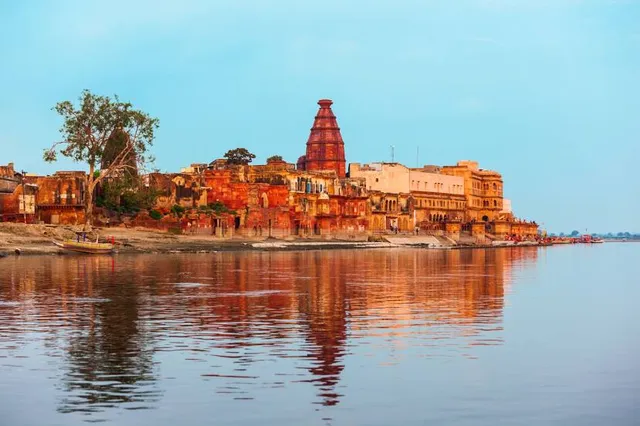
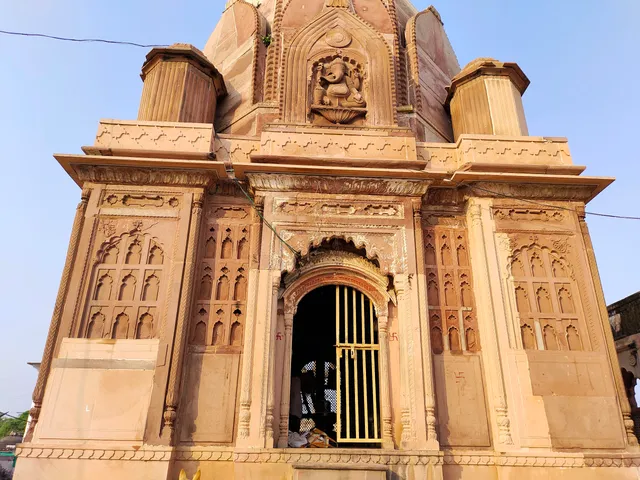
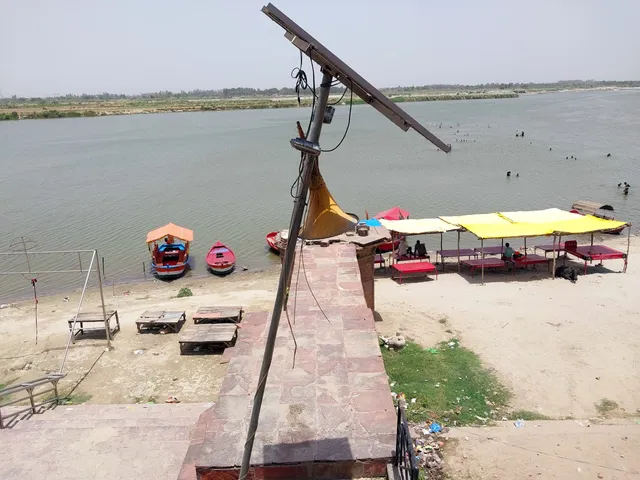
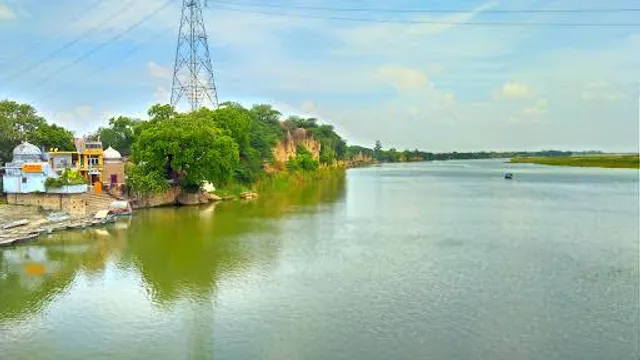
It is a small sleepy town area of Kanpur Nagar in Uttar Pradesh. Situated on the banks of holy river Ganga, the place - Bithoor - is known for its linkage with the first war of independence in 1857. It is the historical place where the great warrior and a generous ruler Maharani Laxmi Bai was reared and nurtured. In the companionship of Nana Dhundhu Pant, child Manu, who later came to be known as Maharani of Jhansi, learned the art of warfare and became master in horse riding, archery and fencing along with other heroic acts.
Nanarao Smarak Park has been developed on the peace of land which was once the palace of Nana Sahib. After the war of 1857, the great warrior Tatya Tope was arrested from the forests of Madhya Pradesh on the tip-off by a traitor and was killed after a hurried summary trial. The palace at Bithoor was razed and the ground levelled for agriculture.
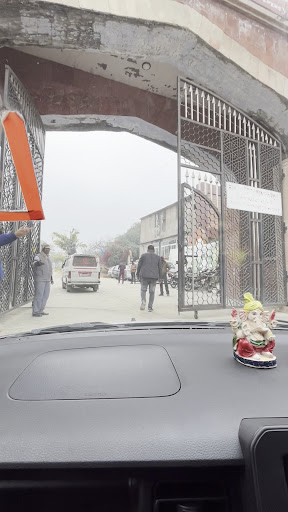
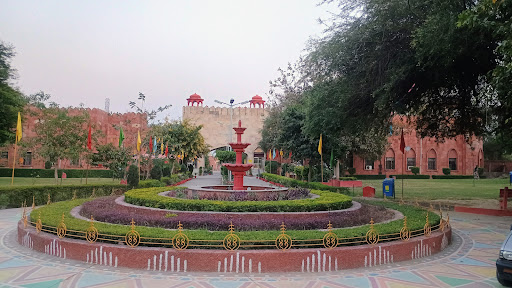
The present-day Nanarao Park is a secluded but thickly planted and serene spot. Situated on the narrow alley-like road, the park is owned and manned by Uttar Pradesh State Tourism Development Corporation. A tourist hotel for stay is also present here. An entry fee of Rs 25.00 per person is charged and an additional Rs 20.00 is charged for car parking.
The spot has been developed keeping in mind the marriage and other such functions as well. The department gives the space after prior booking. A canteen is present in the park for light refreshments and swings for kids. Though a small lake has also been developed for boating but that is non-functional and is in a neglected condition.
The main attraction of the park is a life-size statue of Nana Dhundhu Pant which is situated in the middle of the park. The other one is an old well, said to be used by the inmates of the palace. It's water, it is said, was used to quench the thirst of Manu's (Laxmi Bai) horse. After the war of 1857, the well was poisoned by East India Company sepoys.
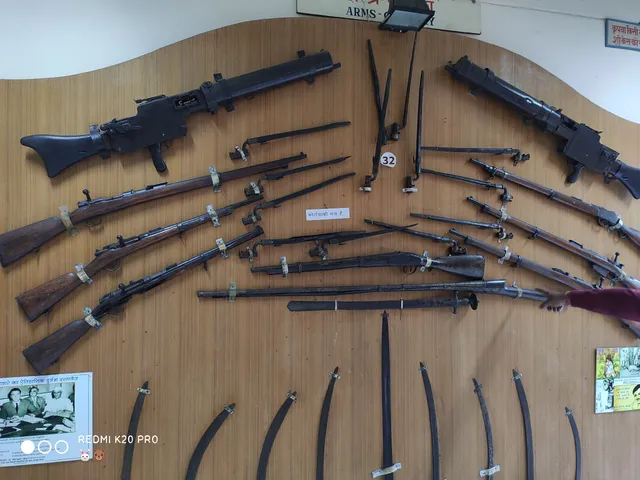
In addition to the above two attractions, a small but decent museum is also present in the precinct where various exhibits related to the place and events of 1857 have been displayed. People are expected to enter the museum barefooted.
The lawns of the park are well maintained In the beds, seasonal flowers are planted which add colour to the ambience and look very nice...
Read moreNana Rao Park / Company Bagh is a public city park in Kanpur, the industrial hub of Uttar Pradesh, India, built after Indian independence in honor of Nana Sahib. Prior to Indian Independence the location was known as Memorial Well and commemorated the massacre of British women and children during the Indian Rebellion of 1857.
The park is of immense historical significance as the location of the massacre of around 200 British women and children, allegedly on the instigation of a courtesan in Nana Sahib's court, followed by the punitive actions by British soldiers of the East India Company during the 1857 Indian rebellion.
The location was originally called Memorial Well after the memorial was raised to commemorate the dead. The memorial had a large railing, a marble gothic screen with "mournful seraph" and a cross at the site of the well. The inhabitants of Cawnpore were forced to pay £30,000 for the creation of the memorial; this was partially their punishment for not coming to the aid of the women and children.
After Indian independence in 1947 the memorial was demolished. A park was built in its place with statues of leaders of the Indian freedom struggle, and named in honor of Nana Sahib for his role in the Indian freedom struggle. The marble gothic screen was transferred to the churchyard of the All Souls Memorial Church. The remains of a circular ridge of the well can still be seen in...
Read moreKanpur is a historical city and is believed to have been founded by members of the Chandela dynasty and formed part of the state of Sachendi. The city's name is believed to derive from Kanhiyapur (from the Hindi meaning "town of Kanhaiya"). During the British era the name got transformed to Cawnpore, and hence the city got its current name KANPUR. As an important city in the Chandela dynasty, the city has a number of places of historical importance. The historical ruins of the places help prove the city's existence to the era of pre-13th Century. Nana Rao Park is the perfect place for nature lovers, longing to spend their time close to nature, away from the hum drum and pollution of the city. The park is named after Nana Rao Peshwa, the legendary figure who actively participated in the first War of independence or Sepoy mutiny in 1857.
The history of Nana Rao Park dates back to India’s first war of the independence, fought in 1857. This park was named after Nana Rao Peshwa who fought like a brave warrior in India’s struggle for independence.During the Siege of Cawnpore, Nana Sahib had negotiated surrender from the 300 British soldiers and their families in exchange for their safe passage to Allahabad. On the morning of June 27, a large British column led by General Wheeler made their way to the banks of the river Ganga where Nana Sahib...
Read more