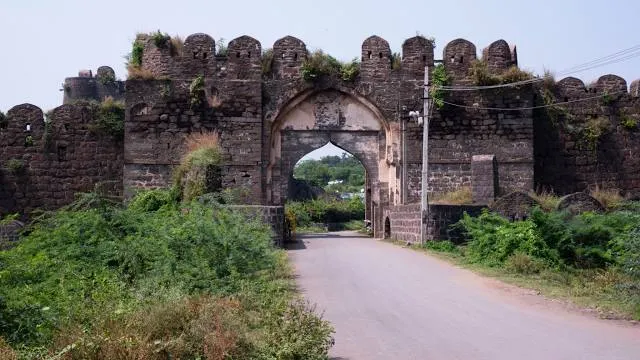
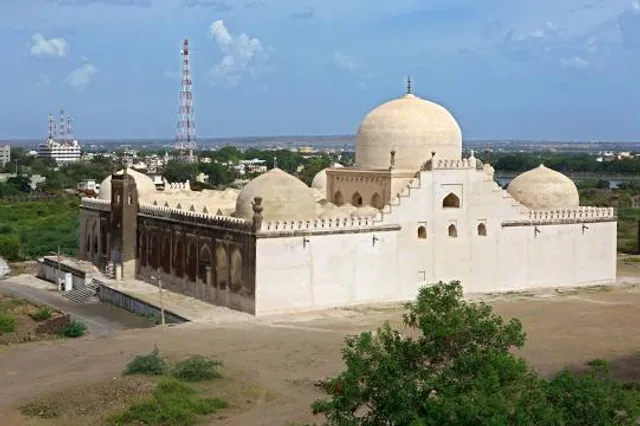
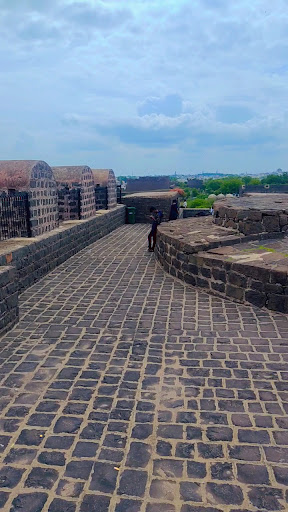
Gulbarga Fort in Bijapur is a Historical Monument in Karnataka and an important Tourist Attraction in Karnataka. The Gulbarga Fort is situated in Bijapur. Within the Gulbarga Fort is a beautiful mosque known as the Jumma Masjid, was built in the model of the Great Mosque of Cordova in Spain. The Gulbarga Mosque is the oldest mosque in Karnataka and only of its kind in whole of India. The Gulbarga Fort in Bijapur gives an insight of the historical background of the city.
History
Gulbarga Fort was originally built by Raja Gulchand and was later renovated by Ala-ud-din Bahmani. The Gulbarga Fort has stood witness to many battles and had been a silent onlooker for many onslaughts. The Gulbarga Fort in Bijapur in Karnataka in India was demolished by Krishna Devaraya of Vijaynagar. It rose with pride to gain newer heights when Adil Shah repaired it with the treasure captured from Vijaynagar.
Description
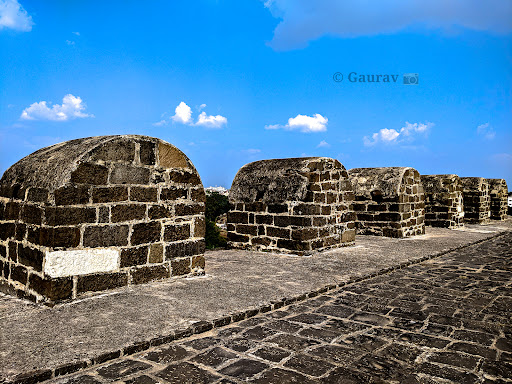
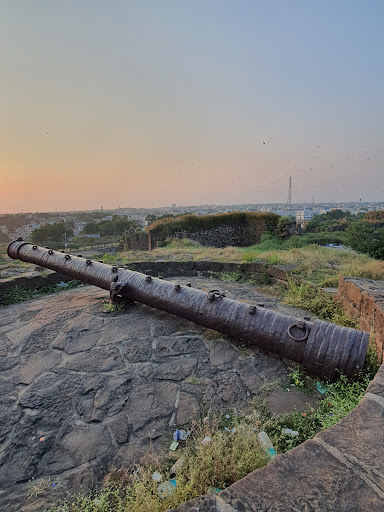
The Gulbarga Fort had 15 towers and 26 guns. The Gulbarga Fort in Bijapur in Karnataka encloses large buildings, temples, mosques, ammunition dumps, stables, carriages and many beautiful courtyards. The Jumma Masjid within the Gulbarga Fort of Bijapur is a major attraction for its beauty. The Jumma Masjid spreads over an area of 38,000 sq. ft. The domes and arched columns of the Jumma Masjid remind one of the Great Mosque of Cordoba in Spain.
The Gulbarga Fort in Bijapur in Karnataka in India is one of the many monuments that have history imbibed in it. The Gulbarga Fort stands as a reminiscent of the past and a link to the heroic historical majesty of the city and the kings who rules it.
While on a trip to Bijapur one must visit the Gulbarga Fort to experience the majestic aura of the city and the brilliance of the architecture...
Read more🏰 Gulbarga Fort – Key Details in Bullet Points 🏗️ Construction & Founder
📅 Built in: 1347 CE 👑 Constructed by: Ala-ud-Din Hasan Bahman Shah – the first ruler of the Bahmani Sultanate 🛠️ Purpose: Fortified capital of the newly established Bahmani kingdom after separating from the Delhi Sultanate 🧭 Location & Area
📍 Located in: Gulbarga (now Kalaburagi), Karnataka, India 📐 Area covered: Approx. 22–25 acres within the fort walls 🔰 Fort is surrounded by a deep moat, high walls, and double-layered fortifications 🧱 Construction Timeline
⌛ Construction Time: Estimated to have taken several years (approx. 8–10 years) 🧑🎨 Architectural influence: Strong Persian and Central Asian design, with later additions by successors 💎 Unique Points of the Fort
🕌 Jama Masjid inside the Fort: Built in 1367 CE One of the earliest fully enclosed mosques in India Has 75 domes, 250 arches, and no minarets ⚰️ Haft Gumbaz tomb complex nearby houses tombs of 7 Bahmani kings 🧱 Fort walls are made of granite blocks and lime mortar, showcasing advanced medieval engineering 🧭 Military Design: Equipped with turrets, bastions, cannon slots, and underground escape routes Used as a military garrison and strategic post for southern India 🌀 Secret water channels and ventilation systems made the fort sustainable during sieges 📜 Historical Significance
🏰 First capital of the Bahmani Sultanate before shifting to Bidar in 1424 CE 🕌 Fort mosque is one of the rarest examples of Moorish architecture in India 🔱 Played a vital role in Deccan history, witnessing multiple invasions and dynastic...
Read moreThe Gulbarga Fort is found in the Gulbarga district in North Karntaka, built in 1347. The Gulbarga fort is one of the finest examples of the ancient Islamic architecture in Karnataka. The fort was originally built by Raja Gulchand. As Gulbarga gained prominence as the Bahmani capital, the fort was fortified by Alauddin Bahmani with a deep moat and massive walls. But according to Wikipedia the fort was built by Al-ud-din Bahmani of the Bahmani Dynasty after he cut off his ties with the Delhi Sultanate. The fort is built with well planning the canal is made around the fort so that it becomes difficult to the enemy. Krishna River and Bhima River flow very close to the fort. Predominantly black soil is found in this area,and is situated in the drought prone region. The fort contained 15 towers and 26 guns of which one was 8 metres long.
History of Gulbarga Fort In the 6th Century the Rashtrakutas ruled over the area. But later the Chalukyas ruled over the place for almost two hundred years. But at the end the Hoysalas took over. Muhammad bin Tughlug occupied the Deccan in the early 14th Century. The revolt of the Muslim officers appointed from Delhi resulted in founding of the Bahmani Sultanate in 1347 by Hassan Gangu, who chose Gulbarga (named as ‘Ahsenabad’ during this period) to be his capital. The capital of the Bahmani Kingdom was Gulbarga, with its headquarters at the Gulbarga Fort. The Bahmanis ruled over most of Deccan until the late 15th Century and early 16th Century, then the kingdom was divided into five...
Read more