ಅಣ್ಣಿಗೇರಿ ಧಾರವಾಡ ಜಿಲ್ಲೆಯ ನವಲಗುಂದ ತಾಲೂಕಿನ ಒಂದು ಚಿಕ್ಕ ಊರು. ಆದಿಕವಿ ಪಂಪ ಎಂದೂ ಕರೆಯಲ್ಪಡುವ ಕನ್ನಡದ ಪ್ರಸಿದ್ಧ ಕವಿ ಪಂಪನ ಜನ್ಮಸ್ಥಳದಿಂದಾಗಿ ಇದು ಪ್ರಸಿದ್ಧವಾಗಿದೆ. ಅಣ್ಣಿಗೇರಿಯಲ್ಲಿನ ಆರಂಭಿಕ ಶಾಸನವು ಬಾದಾಮಿ ಚಾಲುಕ್ಯ ರಾಜ ಎರಡನೇ ಕೀರ್ತಿವರ್ಮನ್ (ಕ್ರಿಸ್ತ ಪೂರ್ವ ೭೪೬ ರಿಂದ ೭೫೩)ನದ್ದಾಗಿದೆ. ಇದು ಅಣ್ಣಿಗೇರಿಯನ್ನು ಬಾದಾಮಿ ಚಾಲುಕ್ಯರ ನೇರ ಆಳ್ವಿಕೆಗೆ ಒಳಪಡಿಸುತ್ತದೆ.
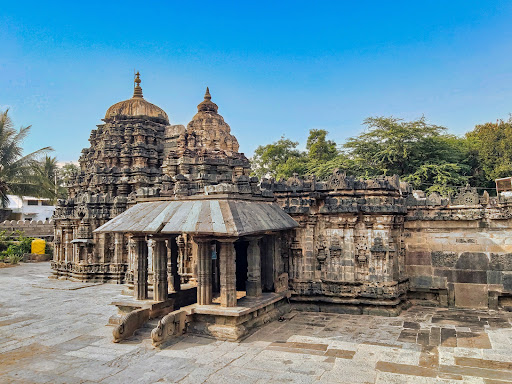
ಅಮೃತೇಶ್ವರ ದೇವಸ್ಥಾನವು ಅಣ್ಣಿಗೇರಿಯ ಕಲ್ಯಾಣದ ಚಾಲುಕ್ಯರು ನಿರ್ಮಿಸಿದ ಸುಂದರ ಕಪ್ಪು ಕಲ್ಲಿನ ದೇವಾಲಯವಾಗಿದೆ. ಈ ದೇವಸ್ಥಾನದ ಮುಖ್ಯ ದೇವತೆ ಶಿವ. ಅಣ್ಣಿಗೇರಿ ಪಶ್ಚಿಮ ಚಾಲುಕ್ಯರ ಸಾಮ್ರಾಜ್ಯದ ಪ್ರಮುಖ ಭಾಗವಾದ ಐತಿಹಾಸಿಕ ಪಟ್ಟಣವಾಗಿದ್ದು, ಹೊಯ್ಸಳರು, ಯಾದವರು ಇಲ್ಲಿ ಆಳ್ವಿಕೆ ನಡೆಸಿದ್ದಾರೆ. ಕನ್ನಡ ಆದಿ ಕವಿ, ಪಂಪಾ ಅವರ ಜನ್ಮಸ್ಥಳ ಎಂದು ಅಣ್ಣಿಗೇರಿ ಬಹಳ ಪ್ರಸಿದ್ಧವಾಗಿದೆ.
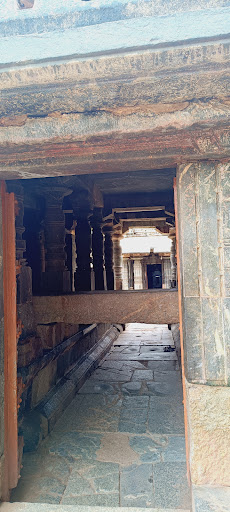
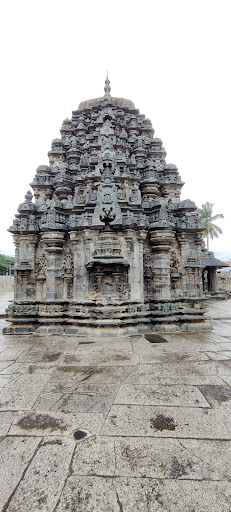
೧೦೫೦ ರಲ್ಲಿ ಕಟ್ಟಲಾದ ಅಮೃತೇಶ್ವರ ದೇವಾಲಯ ಕಲ್ಯಾಣದ ಚಾಲುಕ್ಯ ವಾಸ್ತುಶಿಲ್ಪದ ಉತ್ತಮ ಉದಾಹರಣೆಯಾಗಿದೆ. ದ್ರಾವಿಡ ಶೈಲಿಯಲ್ಲಿ ನಿರ್ಮಿಸಲಾದ ಈ ದೇವಸ್ಥಾನವು 76 ಕಂಬಗಳನ್ನು ಹೊಂದಿದೆ. ದೇವಾಲಯದ ಗೋಡೆಗಳು ಪೌರಾಣಿಕ ಚಿತ್ರಣಗಳ ಕೆತ್ತನೆಗಳನ್ನು ಒಳಗೊಂಡಿದೆ. ಈ ದೇವಾಲಯವು ಇಟಗಿಯಲ್ಲಿರುವ ಮಹಾದೇವ ದೇವಸ್ಥಾನದ ನಂತರದ ರಚನೆಗಳಿಗೆ ಮಾದರಿಯಾಗಿದೆ.
ತ್ರಿಕುಟೇಶ್ವರ ದೇವಸ್ಥಾನ ಕೂಡ ಒಂದು. ಶಿವನಿಗೆ ಸಮರ್ಪಿತವಾದ ದೇವಸ್ಥಾನವು ಮೂರು ಕಲ್ಲುಗಳನ್ನು ಒಂದೇ ಕಲ್ಲಿನಲ್ಲಿ ಕಟ್ಟಲಾಗಿದೆ. ದೇವಾಲಯದ ಪೂರ್ವ ಭಾಗದಲ್ಲಿ ಬ್ರಹ್ಮ, ಮಹೇಶ್ವರ ಮತ್ತು ವಿಷ್ಣುಗಳ ಲಿಂಗಗಳಿವೆ. ದೇವಸ್ಥಾನದ ಒಳಗೆ, ಪ್ರವಾಸಿಗರು ಮತ್ತು ಭಕ್ತರು ಸುಂದರವಾದ ಕಲ್ಲಿನ ಪರದೆಯನ್ನು ನೋಡಬಹುದು ಮತ್ತು ಸಣ್ಣ ಚಿತ್ರಣಗಳನ್ನು ಸೂಕ್ಷ್ಮವಾಗಿ ಕೆತ್ತಲಾಗಿದೆ. ಪ್ರಸಿದ್ಧ ಸರಸ್ವತಿ ದೇವಾಲಯವು ತ್ರಿಕುಟೇಶ್ವರ ದೇವಾಲಯದ ಸಂಕೀರ್ಣದಲ್ಲಿದೆ.
ಕೀರ್ತಿವರ್ಮನ್ II ಬಾದಾಮಿ ಚಾಲುಕ್ಯ ರಾಜವಂಶದ ಕೊನೆಯ ರಾಜನಾಗಿದ್ದನು, ಅವನ ನಂತರ ರಾಜವಂಶವು ಸುಮಾರು ಕ್ರಿಸ್ತಪೂರ್ವ ೭೫೨ ಯಲ್ಲಿ ರಾಷ್ಟ್ರಕೂಟ ರಾಜನಾದ ದಂತಿದುರ್ಗದಿಂದ ಗ್ರಹಣವಾಯಿತು. ರಾಷ್ಟ್ರಕೂಟರು ತಮ್ಮ ರಾಜಧಾನಿ ಮಾನ್ಯಖೇಟದಿಂದ ಆಳ್ವಿಕೆ ನಡೆಸಿದರು.
ಚಾಲುಕ್ಯರ ಪುನರುಜ್ಜೀವನದೊಂದಿಗೆ, ಕಲ್ಯಾಣಿಯಿಂದ ಹೊಸ ಸಾಲಿನ ಆಳ್ವಿಕೆಯೊಂದಿಗೆ, ಅಣ್ಣಿಗೇರಿ ಮತ್ತೆ ಚಾಲುಕ್ಯರಿಗೆ ಹೋಯಿತು. ಪಶ್ಚಿಮ ಚಾಲುಕ್ಯರ (ಕಲ್ಯಾಣಿ ಚಾಲುಕ್ಯರ) ಅನೇಕ ಶಾಸನಗಳು ಇಲ್ಲಿ ಕಂಡುಬರುತ್ತವೆ. ಮೊದಲನೆಯದು ಪಶ್ಚಿಮ ಚಾಲುಕ್ಯ ರಾಜ ಸೋಮೇಶ್ವರ II ಕ್ರಿಸ್ತ ಪೂರ್ವ ೧೦೭೫ ನಿಂದ ಬಂದಿದೆ. ಅವರು ಅಣ್ಣಿಗೇರಿಯನ್ನು ಬೆಲ್ವಲ ದೇಶದ ರಾಜಧಾನಿ ಎಂದು ಉಲ್ಲೇಖಿಸಿದ್ದಾರೆ.
ಸುಮಾರು ೧೧೫೭ರಲ್ಲಿ, ಕಲ್ಚೂರಿ ರಾಜ ಬಿಜ್ಜಳನು ಅಣ್ಣಿಗೇರಿಯನ್ನು ಪಶ್ಚಿಮ ಚಾಲುಕ್ಯರಿಂದ ವಶಪಡಿಸಿಕೊಂಡನು. ಅಣ್ಣಿಗೇರಿಯು ಕಳಚುರಿಗಳ ಅವಧಿಯಲ್ಲಿ ಬೆಳವಲ-ನಾಡು ಪ್ರದೇಶಕ್ಕೆ ರಾಜಧಾನಿಯ ಸ್ಥಾನಮಾನವನ್ನು ಅನುಭವಿಸುತ್ತಲೇ ಇದೆ.
ದಂಡನಾಯಕ ಶ್ರೀಧರಯ್ಯ ಅವರು ಬಿಜ್ಜಳನ ಅಡಿಯಲ್ಲಿ ಈ ಪ್ರದೇಶವನ್ನು ಆಳುತ್ತಿದ್ದರು ಮತ್ತು ಅವರು ಇಲ್ಲಿನ ದೇವಾಲಯಗಳಿಗೆ ವಿವಿಧ ಅನುದಾನ ಮತ್ತು ಕೊಡುಗೆಗಳನ್ನು ನೀಡಿದರು. ಅಣ್ಣಿಗೇರಿ ಪ್ರದೇಶವನ್ನು ಈ ಶಾಸನಗಳಲ್ಲಿ ದಕ್ಷಿಣ-ವಾರಣಾಸಿ ಎಂದು ಉಲ್ಲೇಖಿಸಲಾಗಿದೆ.
ಮೊದಲ ಬಾರಿಗೆ ಅಮೃತೇಶ್ವರ ದೇವಾಲಯದ ಉಲ್ಲೇಖವು ಕಲ್ಚೂರಿ ರಾಜ ಬಿಜ್ಜಳನ ಶಾಸನದಲ್ಲಿ ಬಂದಿದೆ. ಅದರ ಮೊದಲು, ಯಾವುದೇ ಶಾಸನವು ಈ ದೇವಾಲಯ ಅಥವಾ ಅದರ ಪ್ರಧಾನ ದೇವತೆಯ ಬಗ್ಗೆ ಮಾಹಿತಿ ಇಲ್ಲಾ.
ದಂಡನಾಯಕ ಶ್ರೀಧರಯ್ಯನ ನಂತರ, ಧನ್ನುಗಿದಂಡನಾಯಕನು ಕಲ್ಚೂರಿ ರಾಜ ರಾಯಮುರಾರಿ ಸೋವಿದೇವನ ಅಡಿಯಲ್ಲಿ ಬೆಳವಲ-ನಾಡು ಪ್ರದೇಶವನ್ನು ಆಳಿದನು. ಆದಾಗ್ಯೂ, ಈ ನಿಯಮವು ಬಹಳ ಕಡಿಮೆ ಅವಧಿಯದ್ದಾಗಿತ್ತು. ಬಿಜ್ಜಳನ ಮರಣದ ನಂತರ, ಪಶ್ಚಿಮ ಚಾಲುಕ್ಯ ರಾಜ ಸೋಮೇಶ್ವರ IV ಕರ್ನಾಟಕದಿಂದ ಕಲ್ಚೂರಿ ಸಾಮ್ರಾಜ್ಯವನ್ನು ಸೋಲಿಸಿದನು. ಪಶ್ಚಿಮ ಚಾಲುಕ್ಯರ ಈ ವಿಜಯದಲ್ಲಿ ದಂಡನಾಯಕ ಬಮ್ಮಿದೇವ ಪ್ರಮುಖ ಪಾತ್ರ ವಹಿಸಿದ್ದ.
ಆದರೆ ಅಣ್ಣಿಗೇರಿಯ ಮೇಲೆ ಪಶ್ಚಿಮ ಚಾಲುಕ್ಯರ ಈ ನಿಯಂತ್ರಣವೂ ಅಲ್ಪಕಾಲಿಕವಾಗಿತ್ತು. ಸೋಮೇಶ್ವರ IV ರ ಮರಣದ ನಂತರ, 1190 CE ನಲ್ಲಿ, ಅವನ ಸಾಮ್ರಾಜ್ಯವನ್ನು ಅವನ ಸಾಮಂತರ ನಡುವೆ ವಿಂಗಡಿಸಲಾಯಿತು ಮತ್ತು ಅಣ್ಣಿಗೇರಿಯು ದೇವಗಿರಿಯ ಸುಯೆನಾ ಅಥವಾ ಯಾದವರ ಅಡಿಯಲ್ಲಿ ಬಂದಿತು.
ಅಣ್ಣಿಗೇರಿಯು ಸುಯೇನಗಳ ಅಡಿಯಲ್ಲಿ ಬೆಳವಲ ಪ್ರದೇಶದ ರಾಜಧಾನಿಯಾಗಿ ಮುಂದುವರೆಯಿತು. ಇದು ಸುಯೇನರು ಮತ್ತು ಹೊಯ್ಸಳರ ನಡುವಿನ ವಿವಾದದ ಬಿಂದುವಾಯಿತು. ಸ್ವಲ್ಪ ಸಮಯದವರೆಗೆ, ಹೊಯ್ಸಳ ರಾಜವಂಶದ ಬಲ್ಲಾಳ (1173-1220 CE) ಆಳ್ವಿಕೆಯಲ್ಲಿ, ಅಣ್ಣಿಗೇರಿ ಸುಮಾರು ೧೧೯೭ರಲ್ಲಿ ಅವರಿಗೆ ಹಸ್ತಾಂತರಿಸಿದರು. ಆದಾಗ್ಯೂ ಶೀಘ್ರದಲ್ಲೇ ಇದು ರಾಜ ಕನ್ನರಾ ( ಕ್ರಿಸ್ತ ಪೂರ್ವ ೧೨೪೭-೧೨೬೨) ಅಡಿಯಲ್ಲಿ ಸುಯೆನಾಸ್ಗೆ ಮರಳಿತು.
ಸುನೇನರ ನಂತರ ಅಣ್ಣಿಗೇರಿ ವಿಜಯನಗರದ ಅರಸರಿಗೆ ಹಸ್ತಾಂತರವಾಯಿತು ಎಂಬುದಕ್ಕೆ ನಮ್ಮ ಬಳಿ ಪುರಾವೆಗಳಿವೆ. ಆದಿಲ್ ಶಾಹಿ ರಾಜವಂಶದ ಮುಹಮ್ಮದ್ ಷಾನ ಶಾಸನವು ಹದಿನೇಳನೇ ಶತಮಾನದಲ್ಲಿ ಈ ಪ್ರದೇಶವು ಅವರ ನಿಯಂತ್ರಣದಲ್ಲಿದೆ ಎಂದು ಸೂಚಿಸುತ್ತದೆ.
ಅಮೃತೇಶ್ವರ ದೇವಾಲಯ - ಈ ದೇವಾಲಯವನ್ನು ವಿಶಿಷ್ಟವಾದ ಪಾಶ್ಚಾತ್ಯ ಚಾಲುಕ್ಯ ಶೈಲಿಯಲ್ಲಿ ನಿರ್ಮಿಸಲಾಗಿದೆ.
ಇದನ್ನು ಕಪ್ಪು ಕಲ್ಲಿನಲ್ಲಿ ನಿರ್ಮಿಸಲಾಗಿದೆ ಮತ್ತು ಬಹುಶಃ ಪಶ್ಚಿಮ ಚಾಲುಕ್ಯರ ಸಂದರ್ಭದಲ್ಲಿ ಈ ವಸ್ತುವಿನ ಮೊದಲ ನಿದರ್ಶನವಾಗಿದೆ.
ಆಡಮ್ ಹಾರ್ಡಿ ಈ ದೇವಸ್ಥಾನವನ್ನು ಲಕ್ಕುಂಡಿ ಶಾಲೆಗೆ ಹಾಕುತ್ತಾನೆ ಮತ್ತು ಇಟ್ಟಗಿಯ ಮಹಾದೇವ ದೇವಸ್ಥಾನದ ಹಿಂದಿನದು ಎಂದು ಗುರುತಿಸುತ್ತಾನೆ. ಹೊಯ್ಸಳರ ಆಳ್ವಿಕೆಯಲ್ಲಿ ಈ ದೇವಾಲಯವು ಬಹುಮಟ್ಟಿಗೆ ಪ್ರೋತ್ಸಾಹಿಸಲ್ಪಟ್ಟಿತು ಮತ್ತು...
Read more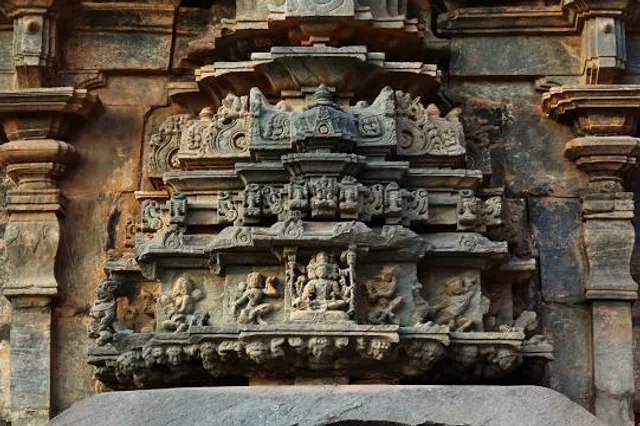
 Learn more insights from Wanderboat AI.