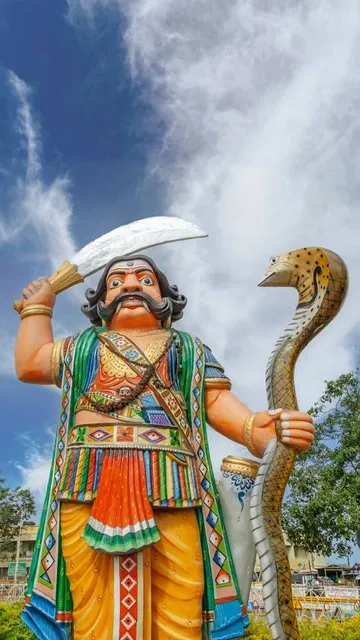
Artwork depicting the goddess Durga slaying the Buffalo demon Mahishasura is found all over India, Nepal and southeast Asia. Clockwise from top: 9th-century Kashmir, 13th-century Karnataka, 9th century Prambanan spain, 2nd-century Uttar Pradesh. Mahishasura is both reviled as well as worshipped by sections of Hindus. For some, he was a buffalo demon in Hindu mythology whereas some have argued its validity from time to time. He is known among some sections of Hindus for his deception and as someone who pursued his evil ways by shape shifting into different forms. He was ultimately killed by Goddess Durga getting named Mahishasuramardini. It is an important symbolic legend in Hindu mythology, particularly Shaktism. The legendary battle of Mahishasura as evil and Durga as good is narrated in many parts of South Asian and Southeast Asian Hindu temples, monuments and texts such as the Devi Mahatmya.The story is also told in the Sikh text Chandi di Var, also called Var Durga di, which many in Sikh tradition believe was included in the Dasam Granth by Guru Gobind Singh. Many Dalit and Adivasi communities in Indian Subcontinent worship and believe in the power of Mahishasura. It is also believed by them that Mahishasura was an indigenous king who was killed during the invasion by the upper caste Hindus. Those who mourn Mahishasura's death allege that he was portrayed as a 'demon king' by the upper caste Hindus. Mahishasura is a Sanskrit word composed of mahisha meaning buffalo and asura meaning demon, or "buffalo demon". As an Asura, Mahishasura waged war against the Devas, as the Devas and Asuras' were perpetually in conflict. Mahishasura had gained the boon that no man could kill him. In the battles between the gods and the demons, the Devas led by Indra were defeated by Mahishasura. Dejected by their defeat, the Devas assemble in the mountains where their combined divine energies coalesce into goddess Durga. The new born Durga led a battle against Mahishasura, riding a lion, and killed him. Thereafter she is named Mahishasuramardini, meaning "the killer of Mahishasura". Mahishasura's legend is told in a major text of the Shaktism tradition known as the Devi Mahatmya. He is described as an evil being who can change his outer form, but never his demonic goals.According to Christopher Fuller, Mahishasura symbolically represents forces of ignorance and chaos hidden by outer appearances. The symbolism is carried in Hindu arts found in South Asia and southeast Asia (Javanese artwork, for example), where Durga is shown as serene, calm, collected and graceful symbol of good as she pierces the heart and kills the scared, overwhelmed and outwitted Mahishasura. The popular legend is that Mysuru gets its name from Mahishasuramardini, a manifestation of Goddess Durga. The Buffalo Demon Mahishasura, states the regional tradition, had terrified the local population. Goddess Durga killed the Mahishasura, an event that is annually celebrated at Navratri and Mysore Dasara. The temple of the city’s guardian deity, Chamunda, has a giant statue of Mahishasura on the hill facing the city. The earliest mention of Mysore in recorded history may be traced to 245 B.C., i.e., to the period of Ashoka when on the conclusion of the third Buddhist convocation, a team was dispatched...
Read moreA Divine and Powerful Experience at Chamundeshwari Temple -
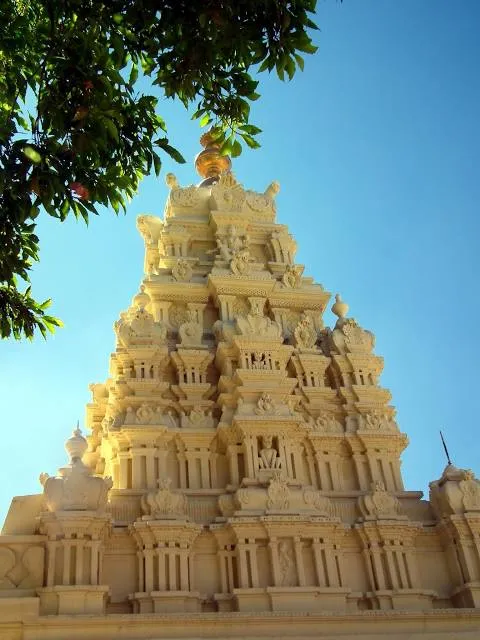
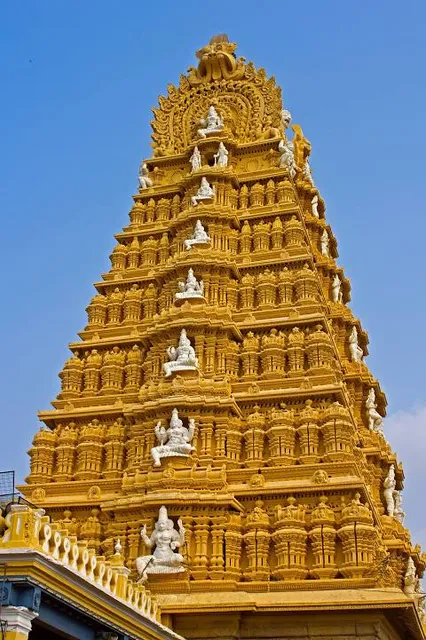
I recently visited the Chamundeshwari Temple, and as always, it was an incredibly spiritual and energizing experience. Located atop Chamundi Hill, the temple offers breathtaking views of Mysuru and a deeply divine atmosphere. The moment you step inside, you can feel a powerful spiritual presence, making it a must-visit for devotees and tourists alike.
The temple can get quite crowded, especially on weekends and during festivals, but the queue management is well-organized. Despite the rush, I was able to have darshan within an hour, which was quite reasonable. The temple staff ensures a smooth flow of devotees, and the experience inside the sanctum is truly divine.
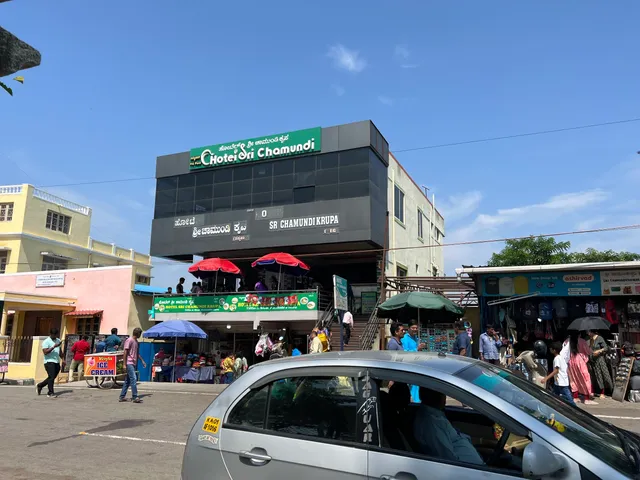
One of the highlights of the visit was the laddu prasadam—it is absolutely delicious and a must-try! The temple surroundings are well-maintained, and there are small shops selling religious items, souvenirs, and refreshments. If you’re planning to visit, it’s best to go early in the morning or on weekdays to avoid heavy crowds.
Reaching the temple is easy, with well-paved roads for those driving up and steps for those who prefer a traditional climb. The entire journey, whether by road or foot, adds to the spiritual experience.
Overall, Chamundeshwari Temple is a place of divine energy, peace, and devotion. It’s a must-visit for anyone seeking spiritual solace and blessings. No matter how many times you visit, the energy here is always special!
Jai...
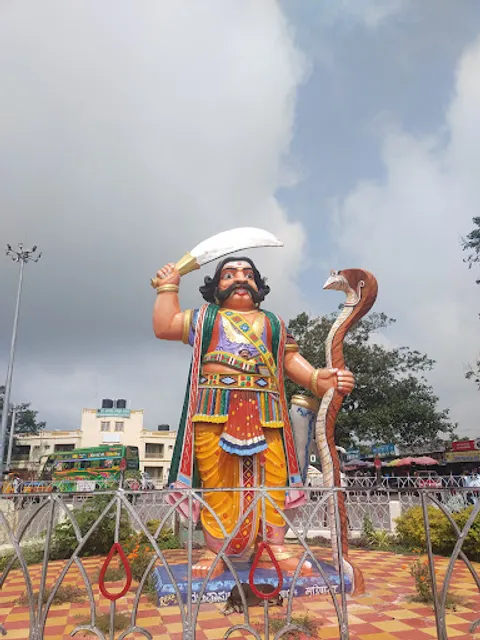
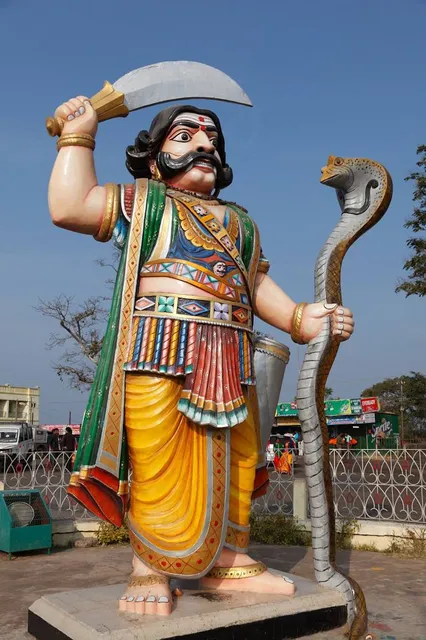
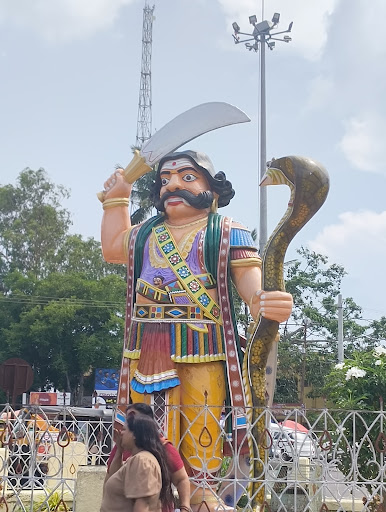
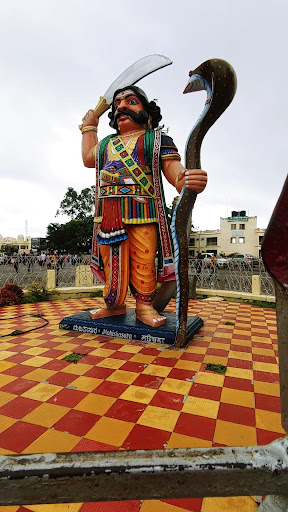
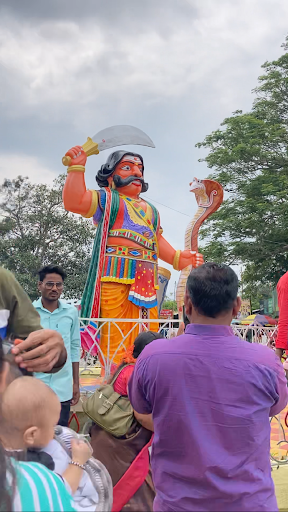
Read moreThe Mahishasura statue at Mysore Betta (Chamundi Hill) is one of the most iconic and culturally significant landmarks in Mysore. Standing tall near the entrance of the Chamundeshwari Temple, the statue immediately captures the attention of visitors with its vibrant colors and fierce expression. Depicting the demon king Mahishasura with a sword in one hand and a cobra in the other, it is a powerful symbol of mythology and the triumph of good over evil.
What makes this statue truly special is its connection to the legend of Chamundeshwari Devi, who is believed to have slain Mahishasura in an epic battle. This myth is not only deeply embedded in local culture but also adds a mystical charm to the entire hill. The statue itself is larger than life and provides an excellent photo opportunity for tourists. The attention to detail, bold color scheme, and the backdrop of the lush green hills make it a visual treat.
The location is also a major highlight. As you ascend Chamundi Hill, the view of the city below is breathtaking, and the cool breeze adds to the experience. Whether you’re visiting for religious reasons or simply sightseeing, the Mahishasura statue is a must-see. It adds character to the hilltop and gives visitors a tangible glimpse into Karnataka's rich mythology and heritage. A visit here feels both spiritual and...
Read more