The Keladi Dynasty The Keladi dynasty, which ruled from Keladi, Ikkeri, and Bidnur (modern Nagara, in the Shimoga district) , rose to prominence with the fall of Vijayanagara Empire, after the Battle of Talikota (Also, Rakkasagi-Tangadagi), in January 1565. The Keladis were loyal feudatories of the Vijayanagara Empire from 1499, and became independent in 1565. The dynasty came to an end in 1763, after the region was conquered by Hyder Ali. In these 260 years, the Keladi dynasty saw many dauntless and capable kings and queens, a development of architecture, and focus on learning and education.
The foundation of the dynasty was laid by Chaudappa, who hailed from Halliyabayalu, with support from his brother Bhadrappa. The two brothers raised a small army and exercised control over villages around Keladi, which immediately got the attention of Vijayanagara rulers and were summoned. The brothers offered their loyalty, and were allowed to administer the mountainous region around Keladi.
Region and Extent of the Keladi Kingdom The approximate region under the control of the Keladis was the region referred to as Malenadu. All of Shivamoga (Shimoga) district, part of North Karnataka and the entire southern Karnataka, stretching to Kasargod, parts of Tumkur, Chitradurga, Chikmagalur, Hassan, Kodagu (Coorg) were under the ambit of the Keladis.
Keladi was the first capital of the Keladi Nayaka dynasty, which was later shifted to Ikkeri in 1560, and finally to Bidnur in 1639.
Keladis and the Marathas Shahji and Veerabhadra Nayaka Bijapur had signed a peace treaty with the Mughals, and was free to look for southward conquests. As a part of this treaty, Shahji, was now in the service of Bijapur. In one of the many southern expeditions of Bijapur, Ranadaullah Khan and Shahji besieged Ikkeri in 1637, forced Veerabhadra Nayaka to pay a heavy sum and cede a part of his kingdom. In 1639, the capital was shifted from Ikkeri to Bidnur (modern Nagara, in Shimoga district), possibly as a result of this attack.
Later, in 1664, after Shahji had assumed control of Bangalore, there was another inconclusive attack on the Keladis at their new capital — Bidnur.
Chh. Shivaji and Queen Chennamma As part of his plan to contain the Portuguese power, Chh. Shivaji had sent Anaji Datto to the south in 1674 to capture Ponda from Bijapur. Chh. Shivaji himself started south to support him, in 1675, by land, while dispatching 40 vessels by sea to besiege Ponda, and captured it on 6 May 1675. While he was in this area, he was approached by Queen Chennamma, also known as the the Pepper Queen, against Timmanna Naik, who had rebelled. Chh. Shivaji readily accepted after applying the principle of chauth (a tax), which was agreed to by Keladi Chennamma, and Chh. Shivaji helped her during the civil war at Bidnur
Rajaram and Queen Chennamma After the death of Sambhaji, Rajaram escaped the seige of Raigarh and moved south towards Gingee, in 1689, being chased by Auranzeb’s forces. He narrowly escaped near Tungabhadra and was given asylum by the gallant queen Keladi Chennama, who was supported by Chh. Shivaji, Rajaram’s father, in 1675. This help, needless to say, invoked the ire of Aurangzeb, who threatened her with dire consequences, unless she surrendered Rajaram to him. She paid no heed to this threat. The Mughal army, invaded in due course, but was defeated, though she suffered significant loss. (Portuguese sources however, state that the Queen had to surrender three forts and pay a huge fine)
This act enabled Rajaram to safely make it to Gingee, in late 1689.
According to P.S. Joshi,
“One shudders to think as to what would have been the fate of the Maratha State, had queen Chennammaji not given shelter and passage to Rajaram who was the only major surviving male of the house of Shivaji the Great, to face the onslaughts of Aurangzeb, and make him able to reach Jinji safely during the most critical period of...
Read moreMy visit to Mirjan Fort in Kumta during May was an unforgettable experience, despite the heat. The weather ranged from 30°C to 36°C, making it a bit challenging, but the grandeur of the fort made it well worth the effort.
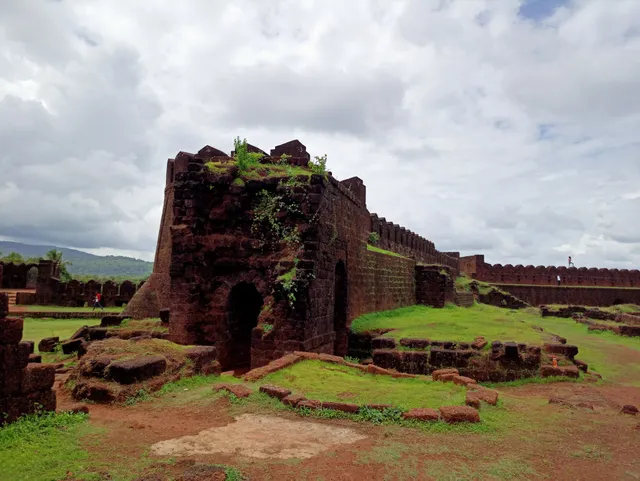
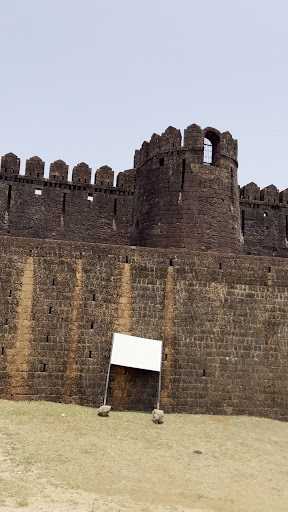
Mirjan Fort, located about 11 km from Kumta, is a magnificent testament to our rich history, situated on the banks of the River Aghanashini and spread over 4.1 hectares. The fort, built in 1608 A.D by Queen Chennabharadevi, also known as the Pepper Queen of India, stands as a glorious reminder of bygone eras. Its architecture is remarkable, with canals, moats, secret passageways, and high walls that tell tales of past battles and strategic defenses.
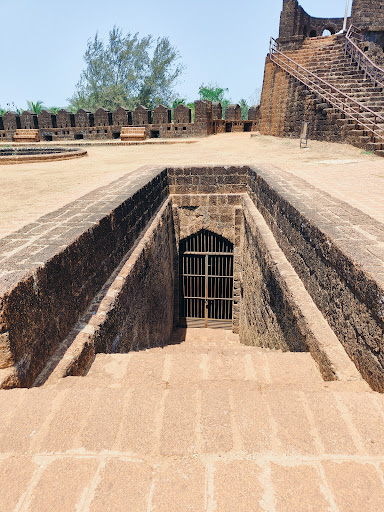
The fort's structure is constructed from locally available laterite stone, showcasing a blend of Indian, Portuguese, and Islamic architectural influences. The intricate design includes four entrances, several interlinked wells, and a circular moat that served as a defensive measure. The preservation of water within the fort's wells is a testament to its strategic construction meant to withstand sieges.
Exploring the fort, I was fascinated by the various elements that indicated its historical significance. The remnants of watchtowers, bastions, and escape gates all painted a picture of a once formidable fortress. The presence of a temple within the premises, nestled under a tree, adds to the fort's charm, reflecting its cultural and historical layers.
Mirjan Fort's history is rich with various narratives about its origins. The most widely accepted story credits Queen Chennabhairav Devi from the Tuluva-Saluva clan with its construction. Her reign, marked by resilience and strategic prowess, is evident in the fort's enduring structure. Other accounts suggest the fort was built by Nawayath Sultanates or by Sherif-ul-Mulk, further adding to its historical intrigue.
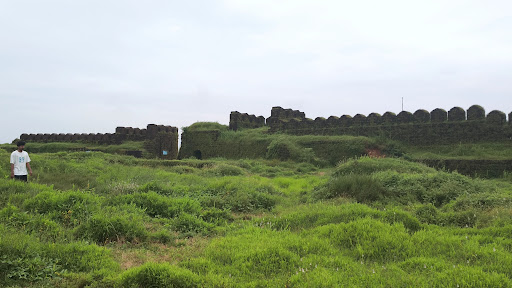
Despite the ruins, the fort retains its majestic aura, with recent renovations by the Archaeological Survey of India (ASI) ensuring its preservation. The northern bastion fortification has been refurbished, and the wild overgrowth cleared, making it more accessible for visitors. The fort's enchanting appearance, especially when enveloped in greenery during the monsoon, makes it a year-round attraction.
The archaeological excavations conducted in 2001 unearthed fascinating artifacts, including gold coins, cannon balls, and Chinese porcelain, enhancing the fort's historical significance. The legend of a hidden treasure, allegedly stolen by the British, adds a layer of mystery to the site.
Reaching Mirjan Fort is convenient, with options to take a bus or hire a private car from nearby cities like Kumta, Gokarna, Honavar, Karwar, and Murudeshwar. The journey to this historical monument is well worth the effort, offering a glimpse into the past amidst the tranquil surroundings.
In conclusion, my visit to Mirjan Fort was a remarkable journey through history. The fort's impressive architecture, rich historical narratives, and serene location make it a must-visit. Despite the heat of May, the experience was enriching and captivating. I highly recommend visiting Mirjan Fort to anyone interested in history and...
Read moreMirjan Fort Review – A Majestic Blend of History and Nature
Mirjan Fort, located about 11 kilometers from Kumta in Karnataka, is a hidden historical treasure that captivates visitors with its majestic architecture and lush green surroundings. Nestled near the banks of the Aghanashini River and close to the Arabian Sea, this centuries-old fort is a perfect blend of history, mystery, and natural beauty.
Believed to have been built in the 16th century by Queen Chennabhairadevi of the Vijayanagara Empire, often referred to as the "Pepper Queen" for her control over spice trade routes, Mirjan Fort holds significant historical importance. The structure was later taken over by the Marathas and then the British, making it a site that has witnessed many layers of regional power struggles.
The fort is made primarily of laterite stone and showcases classic Indo-Islamic architecture. Its high walls, bastions, watchtowers, secret passageways, and moat reflect the strategic planning and military foresight of its time. While some parts of the fort are in ruins, many sections have been well preserved and restored by the Archaeological Survey of India, making it safe and accessible for visitors.
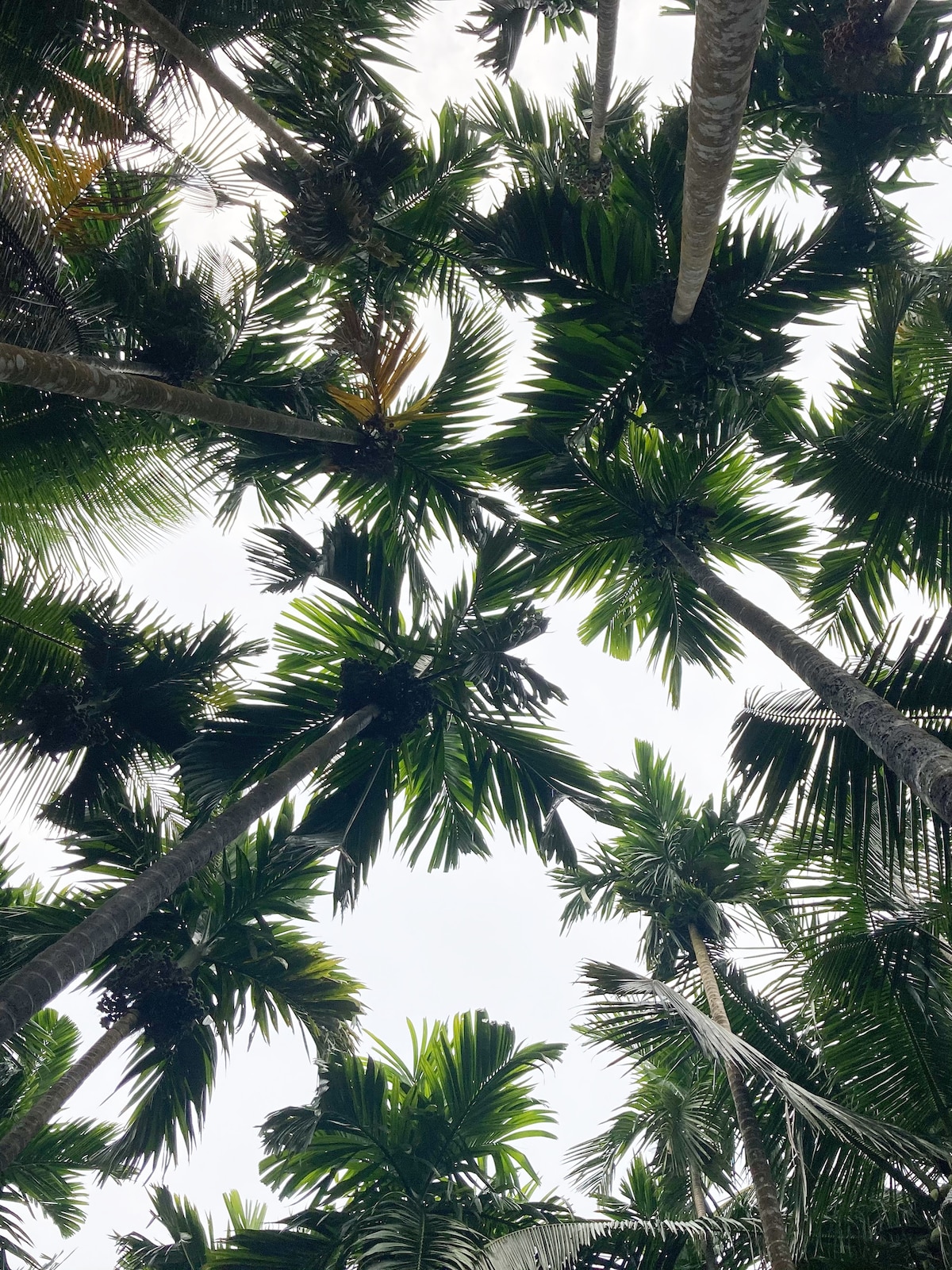
What makes Mirjan Fort truly special is its setting. Surrounded by tall coconut trees, lush greenery, and often carpeted with moss and flowering plants during the monsoon season, the fort has an almost fairytale-like atmosphere. Walking through its arched gateways and narrow corridors feels like stepping back in time. The silence, broken only by the rustling leaves or chirping birds, adds to the sense of timelessness.
Photography enthusiasts and history buffs will find plenty to admire. The symmetry of the stone structures, the texture of the weathered walls, and the play of light and shadow all create captivating visuals. It’s also a favorite spot for pre-wedding shoots and travel vloggers looking to explore offbeat heritage sites.
Visiting Mirjan Fort doesn’t require an entire day, making it a great stop for those traveling between Gokarna and Honnavar or exploring coastal Karnataka. Entry is free, and it usually remains open from sunrise to sunset. There are no shops or eateries inside, so it’s a good idea to carry water and snacks if you plan to spend some time exploring.
In summary, Mirjan Fort is a must-visit for anyone interested in Karnataka’s rich history and stunning landscapes. Its peaceful ambiance, historical roots, and scenic charm make it a perfect detour for travelers seeking more than just beaches and temples. It’s a quiet yet powerful reminder of a bygone era, nestled in the...
Read more