Pampa Sarovar in Hampi was one of those places I had high hopes for, but the reality was far from what I imagined. As a sacred site mentioned in ancient texts like the Ramayana, I thought it would be peaceful and well-maintained. Instead, what I found was a place under heavy construction and not at all what I had hoped.
The first thing I noticed as we arrived was that construction was going on everywhere. The sounds of drilling and hammering echoed throughout the area, and it felt more like a work zone than a spiritual retreat. There were building materials and debris scattered around, and navigating the place was difficult because of all the blocked-off sections. Any sense of peace or spirituality was completely lost with all the chaos around. It was a real letdown.
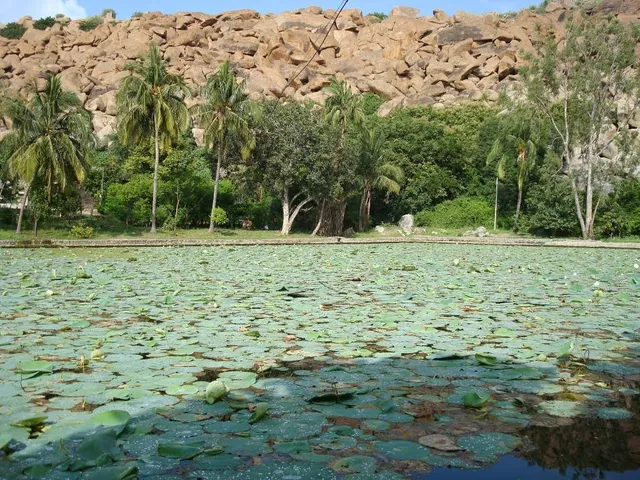
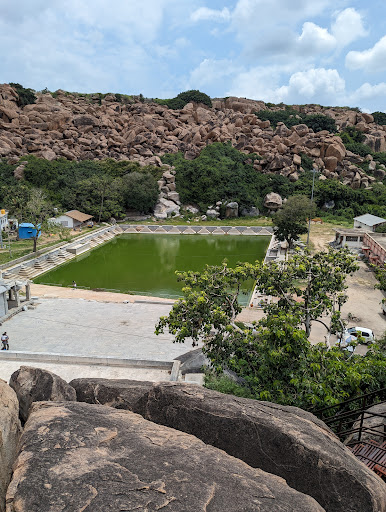
Then we got to the lake itself, which is supposed to be the main attraction of Pampa Sarovar. I had heard stories about how sacred and beautiful it was, but what I saw was completely different. The lake wasn’t clean at all. The water looked murky and dirty, with trash floating on the surface. I didn’t see anyone going near it, and it felt neglected, like no one was taking care of it. For a place with such religious importance, you’d think they would put more effort into keeping it clean. It was really disappointing to see such a holy site in such poor condition.
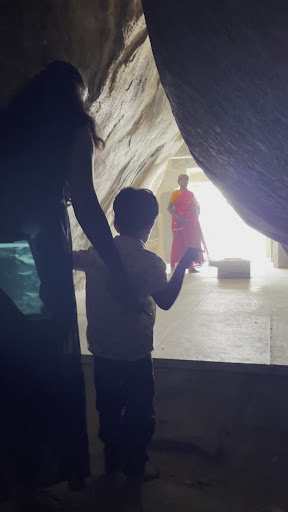
But the most frustrating part of the visit wasn’t even the construction or the dirty lake. It was when we decided to check out the Sabari Temple, which sits at the front of the hill near the lake. From below, the temple looks simple and inviting, so we thought we’d go up and see it. But as soon as we reached the top, there was this baba sitting there, and everything changed. The moment we entered, he started talking about blessings and rituals, which was fine at first. But then, he began demanding money. And not just a little—he asked for a lot. It was so irritating.
We tried to politely say no, but he kept pushing, making us feel uncomfortable and guilty for not giving him more. It was clear that he was more interested in money than anything else, which really ruined the experience for us. Instead of feeling connected to the place or its history, we just felt annoyed and pressured. It’s sad because the temple itself could have been a peaceful stop on our visit, but it ended up feeling more like a scam.
Overall, my visit to Pampa Sarovar was incredibly disappointing. Between the construction, the dirty lake, and the uncomfortable experience at the Sabari Temple, it felt like a wasted trip. This could be such a serene, sacred place if it was better cared for and if people like that baba didn’t take advantage of visitors. Unfortunately, I wouldn’t recommend visiting Pampa Sarovar until things change. There are plenty of other places in Hampi that offer a much more rewarding and...
Read moreDeep in the heart of Kishkindha lie the sacred Shabari Cave and the tranquil Pampa Pond, immortalized in the Ramayana. These sites are steeped in spirituality, offering a glimpse into the devotion and divine encounters described in the epic.
The Shabari Cave is revered as the dwelling of Shabari, a devoted ascetic who awaited Lord Rama with unwavering faith. When Rama visited her, she offered him berries, ensuring their sweetness by tasting them first—a gesture that exemplified her unconditional devotion. Moved by her faith, Rama blessed her and listened to her guidance. Shabari said: "Sugrivam samshraya kuru saumitrisahito 'nagha; hanumantam ca samsiddham shilavantam krtanjalim" ("Take refuge with Sugriva, O sinless one, along with Lakshmana, and seek the aid of Hanuman, the wise and capable one, who will help you in your quest for Sita.")
The nearby Pampa Pond, surrounded by lush greenery, is equally significant. It is believed to be the site where Rama rested and reflected during his search for Sita. The serene waterbody serves as a reminder of the divine connection between nature and the epic narrative.
Visiting Shabari Cave, I was moved by the sense of devotion that seemed to linger in the air. Imagining Shabari’s humble offering and her heartfelt advice to Rama made the epic feel alive. At Pampa Pond, the still waters and surrounding hills evoked a deep sense of connection to Rama’s journey and his unwavering resolve to find Sita.
These sacred sites are not just historical relics but timeless symbols of faith, devotion, and the enduring wisdom of...
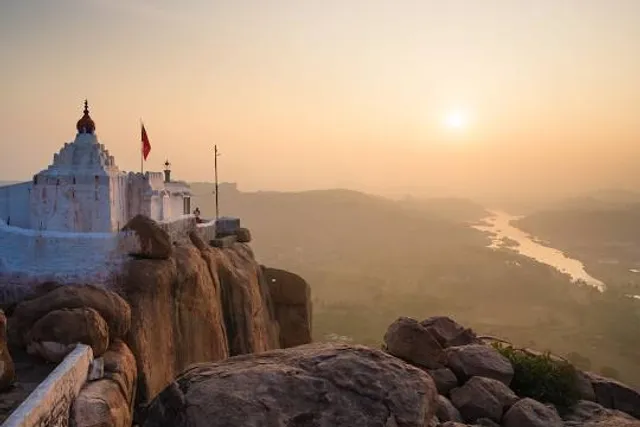
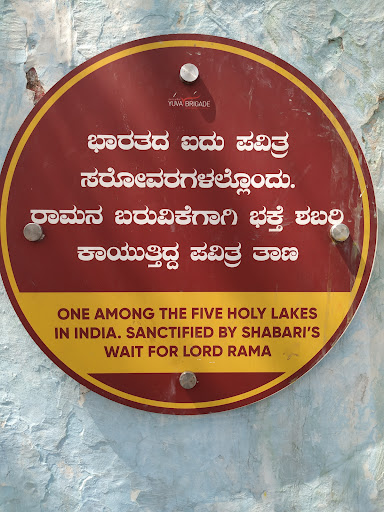
Read moreDuring our family tour to ‘Magical Hampi’ in Karnataka, we have visited to the ‘Pampa Sarovar’. ‘Pampa Sarovar’ is on the opposite side of the Tungabhadra River and is around 21 km away by road from Hampi. During our journey to the ‘Pampa Sarovar’, we had seen some beautiful paddy fields and banana plantations across the road. It is considered as sacred pond by Hindus as it is one of the five holy sarovar (lakes) in India. Pampa sarovar holds mythological and historical importance too. This place is also known as Shabari Ashram, where Lord Rama visited to meet his devotee and she suggested Lord Rama to take help of Hanuman and Sugriva. There are other holy temples nearby to this temple; on one side Goddess Lakshmi temple and Lord Shiva temple are facing the pond. The mango tree standing next to it looks as if sheltering a Ganesh temple. The colourful mountains around the pond look so beautiful. Anjaneya Hill is much closed to Pampa Sarovar. There is a Hanuman temple on the top of Anjaneya hill. This spot is more ancient than many other temples in Hampi. Pampa Sarovar is a must visit place during your...
Read more