Chatramukh Basadi is an architectural marvel and a significant religious site located in Karkala, Karnataka. This ancient Jain temple stands as a testament to the rich cultural and historical heritage of the region. With its intricate craftsmanship, grandeur, and spiritual ambiance, Chatramukh Basadi attracts both devotees and tourists alike. In this review, I will delve into the various aspects of this remarkable temple, highlighting its architectural beauty, religious significance, and overall experience.
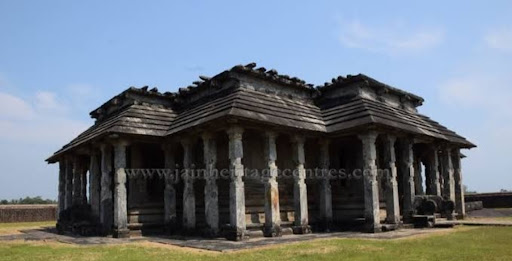
One of the most captivating features of Chatramukh Basadi is its stunning architecture. Built during the 15th century, this three-storied temple showcases a fine blend of Hoysala and Dravidian architectural styles. The temple's exterior is adorned with elaborate carvings and sculptures, depicting intricate details of gods, goddesses, celestial beings, and mythological characters. The exquisite craftsmanship and attention to detail are truly remarkable, showcasing the artistic excellence of the artisans of that era.
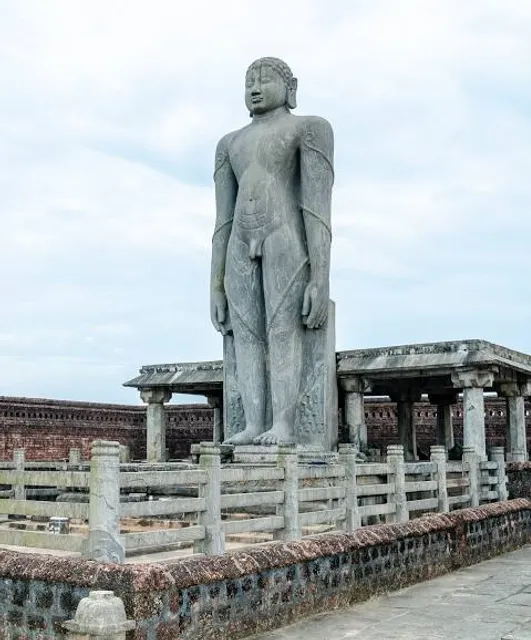
The temple's main entrance is adorned with a towering and intricately carved gopuram (gateway tower), which serves as a visual delight and a grand welcome to visitors. The interior of Chatramukh Basadi is equally awe-inspiring. The sanctum sanctorum houses an idol of Lord Bahubali, a revered Jain deity. The idol is made of a single block of granite and stands at an impressive height, exuding a sense of divine presence and spiritual energy.
As visitors enter the temple premises, they are greeted by a serene and peaceful atmosphere. The air is filled with chants, incense, and the fragrance of flowers, creating a sacred ambiance. The devotees and priests who frequent the temple add to the spiritual aura, engaging in prayers, rituals, and offerings. Observing these religious practices provides an insight into Jain traditions and customs, allowing visitors to immerse themselves in the cultural richness of the temple.
The temple complex also houses several smaller shrines dedicated to different Jain Tirthankaras (spiritual leaders). Each shrine is uniquely designed and intricately adorned, creating a sense of reverence and devotion. Exploring these shrines offers an opportunity to learn about Jainism and its principles, while marveling at the architectural splendor.
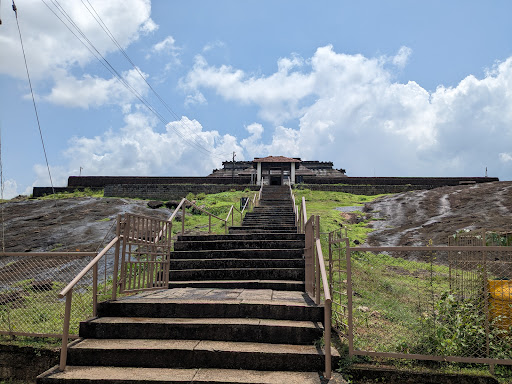
Apart from its religious significance, Chatramukh Basadi offers a serene and picturesque setting. Surrounded by lush greenery, the temple is nestled amidst the tranquil countryside of Karkala. The well-maintained garden and pathways leading to the temple provide a soothing and rejuvenating experience. The tranquil environment makes it an ideal place for meditation, reflection, and finding solace away from the chaos of daily life.
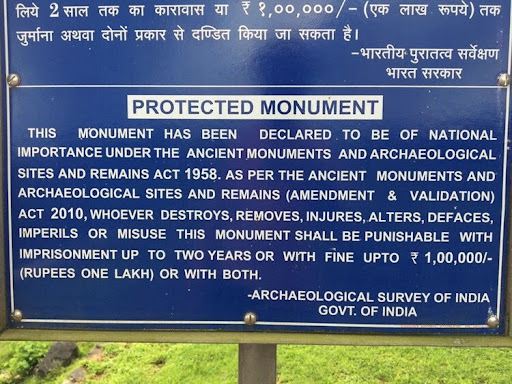
The temple management has taken commendable efforts to ensure the comfort and convenience of visitors. The premises are well-maintained and clean, with facilities such as restrooms and seating areas available for visitors. Additionally, there are information boards and guides who provide insights into the temple's history and significance, enhancing the overall experience for visitors.
The temple's location in Karkala makes it easily accessible for tourists. It is well-connected by roads, and ample parking space is available nearby. Visitors can also explore the surrounding areas and other attractions in Karkala, such as the Bahubali Hill and the St. Lawrence Church, making it a fulfilling day trip.
However, it is important to note that during peak tourist seasons and religious festivals, Chatramukh Basadi may experience significant crowds. This can sometimes result in a crowded and bustling atmosphere, detracting from the serenity and tranquility of the temple. It is advisable to plan the visit accordingly, choosing less crowded days or visiting during weekdays to fully appreciate the spiritual ambiance.
In conclusion, Chatramukh Basadi in Karkala is a captivating temple that showcases exceptional architecture, religious significance,...
Read more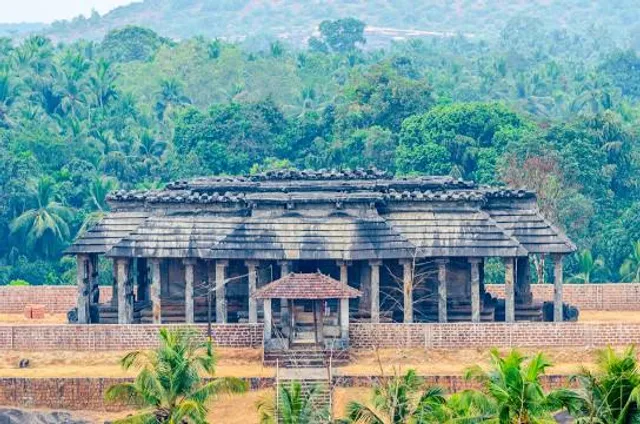
 Learn more insights from Wanderboat AI.