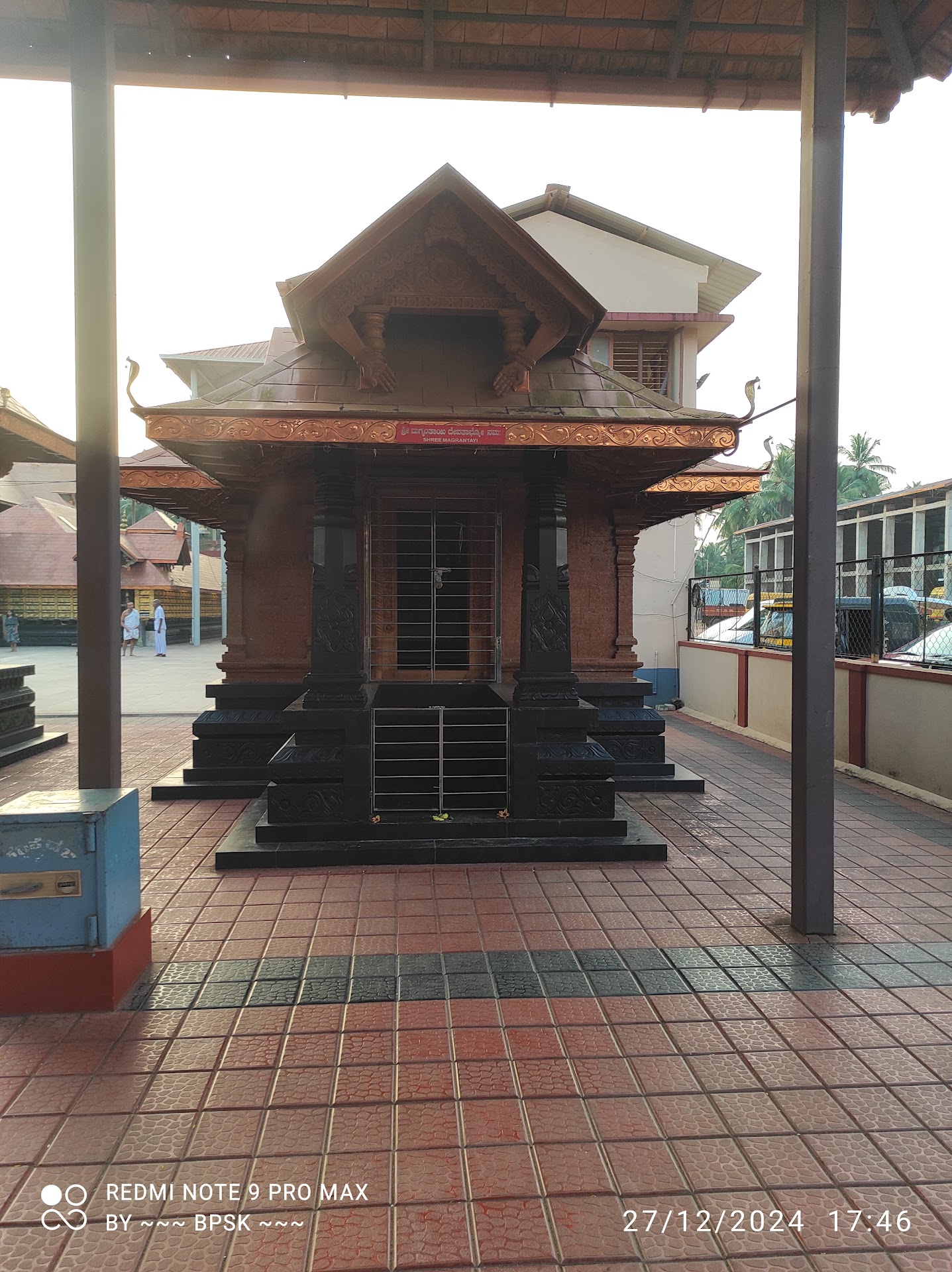
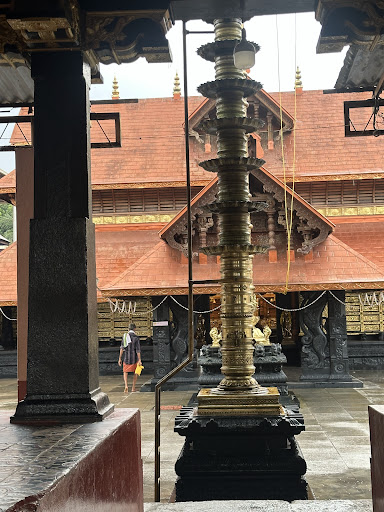
Here’s a long and engaging review of Shri Rajarajeshwari Temple, Polali, with a special mention of the famed tiger team:
⸻
A Divine Jewel of Tulunadu – Shri Rajarajeshwari Temple, Polali
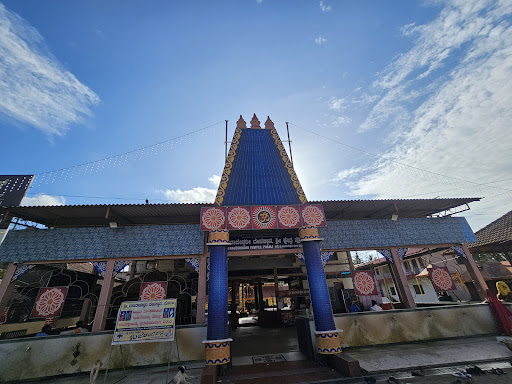
Located in the serene village of Polali, in Bantwal Taluk near Mangalore, Shri Rajarajeshwari Temple stands as a glowing testimony to the rich spiritual and cultural heritage of Tulunadu. Dedicated to Goddess Rajarajeshwari – a fierce yet benevolent form of Goddess Durga – this temple is one of the most revered shrines in Karnataka. Devotees from all over the state and beyond flock to this ancient temple, especially during Navratri, to seek the blessings of the Divine Mother, who is believed to be the protector and granter of wishes.
Divine Ambiance and Historical Glory
The temple is surrounded by green paddy fields and peaceful rural landscapes that bring a sense of calm to every visitor. The main idol of Goddess Rajarajeshwari, carved from a single piece of jackfruit wood, is unique and has a powerful presence. The temple structure itself is a fine example of traditional South Indian architecture, adorned with intricate wooden carvings and ancient inscriptions that tell tales of its centuries-old legacy.
It is believed that this temple was established during the reign of the Alupa dynasty and has been a major center of worship and community gathering for hundreds of years. The temple has stood the test of time, retaining its charm, sanctity, and grandeur.
Navratri Celebrations – A Divine Fest of Energy and Devotion
Navratri, the nine-day festival dedicated to the worship of the Goddess in her various forms, is the highlight of the year at the Polali temple. The temple turns into a hub of spiritual activities, cultural performances, rituals, and celebrations. Thousands of devotees visit during this time, offering prayers, participating in special pujas, and enjoying the grand festivities.
One of the most spectacular attractions during Navratri is the Pilinalike (Tiger Dance) – a traditional folk dance where performers paint themselves like tigers and dance to the rhythmic beats of drums. Among the many tiger teams that perform during this season, the Polali Shri Rajarajeshwari Temple’s own tiger team stands out with unmatched energy, coordination, and fierce devotion.
The Pride of Polali – The Tiger Team
This tiger team, associated with the temple, is renowned across the region for its spectacular performances and for consistently winning competitions during Navratri. With vibrant body paint, synchronized movements, and electrifying expressions, the team brings the spirit of the tiger – a symbol of Goddess Durga – to life. Their performance is not just a dance; it is a living tribute to the Goddess, infused with raw emotion, discipline, and cultural pride.
Spectators eagerly await their entry every year, as they steal the spotlight with their high-energy routines and captivating presentation. Their dedication, practice, and deep connection with the temple make them more than just performers – they are custodians of a cultural legacy, proudly representing Polali on multiple platforms.
Final Thoughts
A visit to Shri Rajarajeshwari Temple, Polali is more than a spiritual journey – it is an experience of divine grace, cultural richness, and vibrant tradition. The sacred energy that envelops the temple, the heartfelt devotion of the people, and the grandeur of festivals like Navratri make this temple a must-visit for anyone seeking inner peace and a deeper connection with the divine.
And if your visit happens to be during Navratri, don’t miss the mesmerizing tiger dance by the temple’s own tiger team – the pride of Polali, and an unforgettable embodiment of devotion and tradition.
⸻
Let me know if you’d like to add local language expressions or details about...
Read moreThe Temple of Polali Rajarajeshwari is a temple situated in Karnataka, Polali, Dakshina Kannada district. The temple’s main Deity is Shri Rajarajeshwari. The temple was built by King Suratha during the 8th century AD and was developed by many dynasties that ruled the region. Shri Rajarajeshwari’s idol is moulded entirely from clay with special medicinal properties. The temple portrays Hindu architecture with roofs decorated with gods and copper plates carved in wood. The Polali Rajarajeshwari temple is located in Polali on the banks of the Phalguni River in Bantwal taluk village Kariyangala, Dakshina Kannada, Karnataka. The temple is surrounded by lush paddy fields. The river Phalguni flows north of the temple. Mangalore is the closest temple town at 19 kms distance.
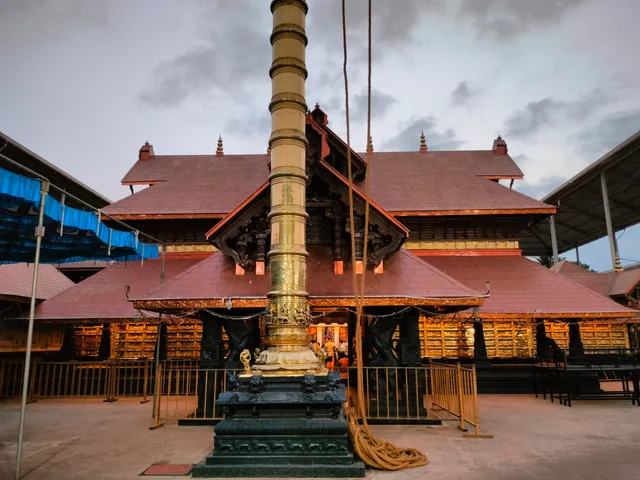
🔴HISTORY The Polali Rajarajeshwari temple has been mentioned in many ancient inscriptions, including the Markandeya Purana, Ashoka inscriptions and travel accounts of ancient travelers. The temple around the clay idol was built in the 8th century AD according to an inscription found in the area of the temple. It’s a widely held belief that King Suratha built the temple, and that the king offered his own crown, stuffed with precious jewels, to be placed on the deity’s head. The king, having lost most of his kingdom in a war and being deceived by his own ministers, is thought to have taken refuge under a sage called Sumedha in forests around what now is the temple’s site.
Historically it is assumed that the clay statue of the principal deity in the temple is up to 5000 years old. It is reported that the King himself carved Shri Rajarajeshwari’s clay idol and offered penance to the deity in return for his kingdom. Many ancient inscriptions alluding to the temple have been reported around the temple, but have been lost over time primarily because of the neglect of its keepers. The remaining inscriptions available today have been obtained in the village of Kariyangala, Ammunje and in the temple itself and are now under the custody of the government of Karnataka.
Several dynasties ruled the area surrounding the temple including Kadamba, Chalukya, Alupa, Rashtrakoota, Hoysala, Vijayanagara, Ikkeri, Mysore etc. Most of those dynasties spent a lot of capital on this temple and donated farmland for the temple’s benefit.
🟡ARCHITECTURE Records written in 1448 by Abdul Razzak indicate the temple was originally built from molten brass. He reported that there were four platforms within the temple. On the highest of platforms, there was an image of the god, 5 to 6 feet in height, with red rubies for eyes. Today, the principal deity’s statue, Shri Rajarajeshwari is a 10-feet-high stucco image...
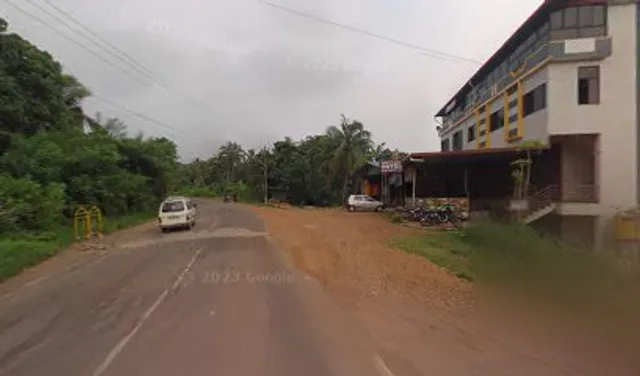
Read moreBeautiful temple, peaceful place.This temple near to bus stand.Parking facilities are available.Beautiful place.Flower Shops,Pure Veg hotels are available near to temple. Toilets are available near to temple.Wooden works are beautiful. Story : In 8th century AD a king named as Suratha Raja was king of polali.He is richest person in locality.One day flood arrived in polali because of flood he lost his treasure But only one crown was left in his head and people lost their home and everyone came to difficult situation.After few days water have been get dryed mud consistence became as clay.The king was very worried.He sat in place and he started thinking about what should do next..while thinking he started gathering mud and started to create some idol without his knowledge.After sometime he saw front there is a idol which he made of Durge.the king started thinking that I m thinking something else than how this idol became.In that idol he completed all the things which Durge has expect crown so he decided to give his crown to devi.Even now which crown has Amma Rajarajeshwari is given by the king.Then all people gathered together to see a idol.The local people started talking each other and they said their thoughts that this idol is made by our King Surtha Raja so they started to name Durge as Rajeshwari (Raja name has came because of Suratha Raja).Till now the same idol of Rajarajeshwari in temple that is made by mud and every 12 years the idol will patched in thin layer of mud and every 12 years colour will changed by temple priest. Before 2018 Bramakalasha the Rajarajeshwari body colour was in Red now it's Orange (Colour of Sindhoor)and people by temple and Priest also says that face expression of Rajarajeshwari will changes every day.Oneday something going to held wrong at that time amma Rajarajeshwari face was like angry.Of something will happens good the face of amma Rajeshwari looks...
Read more