The Agastheswara Temple, located in Tirumakudalu Narasipura (T. Narasipura), Karnataka, is a significant Hindu shrine dedicated to Lord Shiva, worshipped here as Agastheswara. Situated approximately 35 kilometers from Mysuru, this temple holds profound historical and spiritual importance.
Historical Significance
According to local legends, Sage Agasthya desired to perform a ritual to Lord Shiva at the confluence of the rivers Kaveri and Kabini. He instructed Lord Hanuman to fetch a Shiva Linga from Kashi (Varanasi) for the ceremony. When Hanuman's return was delayed, Sage Agasthya fashioned a Linga from the sand and commenced his worship. This sand-made Linga, known as "Saikata-linga," is believed to have a cavity containing water, symbolizing the Ganges. When filled, the excess water flows through an aperture referred to as the 'Nabhi' or navel of the Linga.
Architectural Features
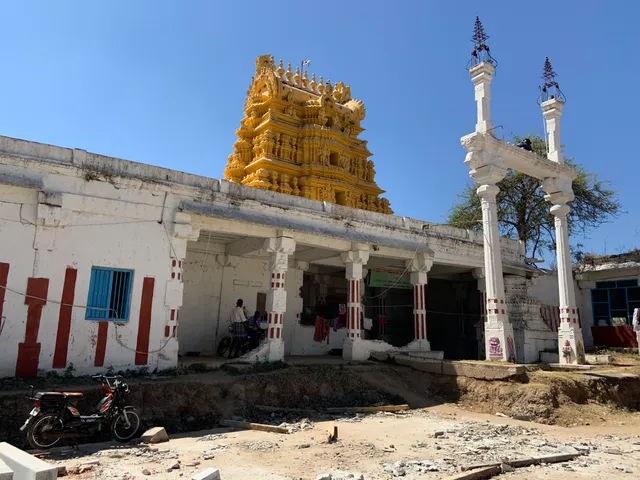
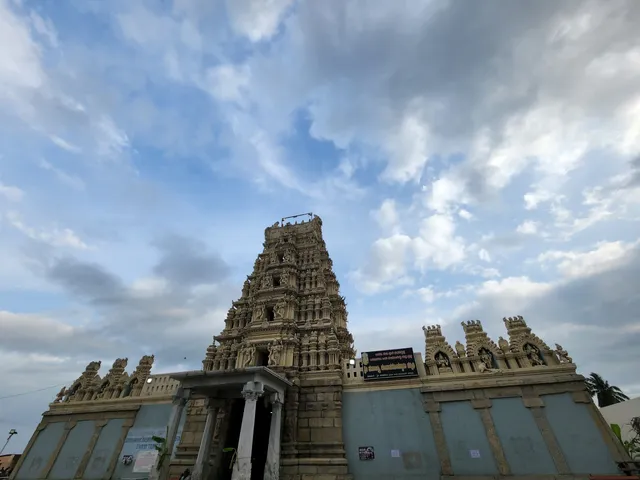
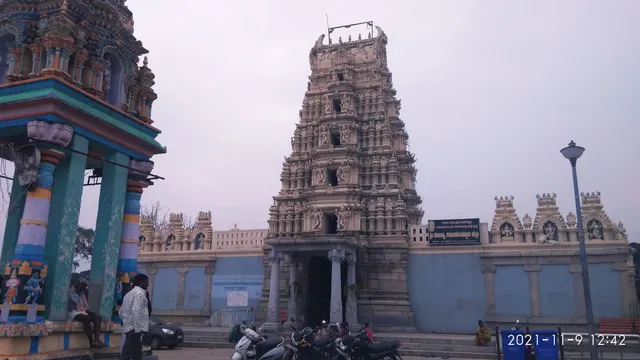
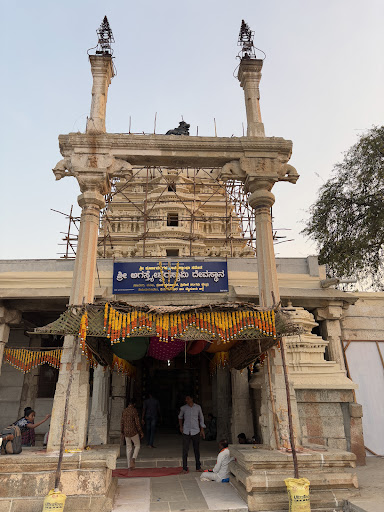
The temple showcases traditional South Indian architecture with intricate carvings. It faces east and features a four-tiered Rajagopuram (main entrance tower) on the northern side. Within the complex, there is a Nandi (the sacred bull), a Dwajasthambam (flagstaff), and a balipeedam (sacrificial altar) at the forefront. The sanctum sanctorum comprises the main sanctum, an antarala (antechamber), artha mandapam (hall), and maha mandapam (great hall). Notably, the temple lacks koshta Murtis (niche idols) around the sanctum. The main deity's vimana (tower above the sanctum) is globe-shaped, adorned with a prominent nasi (decorative element) on the eastern side. The Rajagopuram is constructed in the Dravidian style, embellished with stucco images of deities such as Lakshmi Narasimha and Shiva with Parvati on the top tier.
Cultural Importance
T. Narasipura is renowned for hosting the Kumbhamela once every three years, a unique occurrence in South India. This event attracts devotees from various regions, underscoring the town's spiritual prominence.
Visitor Information
The temple is typically open from 7:00 AM to 12:30 PM and from 4:00 PM to 7:30 PM. It is accessible via the Mysore to Kollegal road, about 34 kilometers from Mysuru and 150 kilometers from Bengaluru.
Conclusion
Visiting the Agastheswara Temple offers a serene and spiritually enriching experience, allowing devotees and tourists alike to immerse themselves in the rich cultural and historical tapestry...
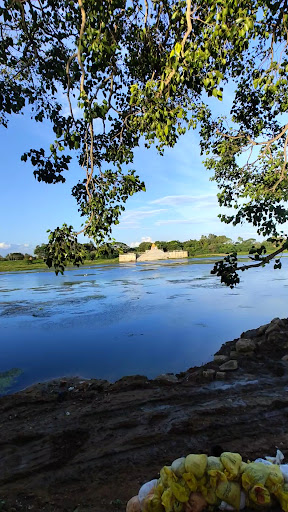
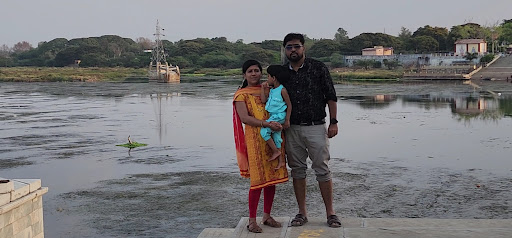
Read moreAncient temple right at the confluence of Kaveri and Kabini (Kapila) rivers and the invisible Sphatika (Crystal) Sarovar. This place is called a Triveni Sangama (Confluence of three streams)
Nearby is the Gunja Nrisimha temple on the other bank of Kabini (Kapila) river.
There is a Aswatha tree (Ficus Religiosa) next to the Agastheswara temple in an enclosure. It is called Brahmaswatha. Belief is that a circumambulation of the tree before 12 pm will give you salvation. According to the Sthalapurana (literally the history of the place), Lord Narasimha himself compared this place with Kasi and hence it is called the Dakshina Kasi because of the following reasons Like Kasi it has a Triveni Sangama Like Kasi it has a Tree (Brahmaswatha) Like Kasi it has a Siva Temple Like Kasi it has a Vishnu Temple (Narasimha temple)
Because it is compared to Kasi, people perform last rights and do pindapradana here for their elders
The Siva temple is in a bad neglected state. On my second visit recently, I saw some renovation work going on.
The road to this temple from the highway is also in pretty bad shape. My cab driver opined that this is because there are no voters in the area and hence the apathy
10 Km from here is the famous Hoyasala style Chennakesava temple at...
Read moreThe Agasthyeshwara Temple is a revered Hindu shrine located in Tirumakudalu Narasipura (T. Narasipura), Karnataka, India. Situated at the confluence of the Kaveri, Kabini, and the mythical Spatika Sarovara rivers, this temple is dedicated to Lord Shiva and is believed to have been consecrated by the sage Agastya. According to legend, Sage Agastya desired to worship Lord Shiva at this sacred confluence and requested Lord Hanuman to bring a Shiva Linga from Kashi (Varanasi). When Hanuman was delayed, Agastya fashioned a Linga from the local sand and began his worship. Upon Hanuman's return, he was displeased and attempted to remove the sand Linga, but it grew in size, and water began to flow from its summit. This perpetual trickle is considered sacred and is offered as holy water (thirtha) to devotees. The Agasthyeshwara Temple is part of the Panchalinga Darshana, a revered pilgrimage involving five Shiva temples in the region:
Agasthyeshwara Temple
Someshwara Temple
Markandeshwara Temple
Gargeshwara Temple in Gargeshwari village
Hanuman Linga Temple
The temple is generally open in the morning and evening. Visitors are advised to check specific timings, especially during...
Read more