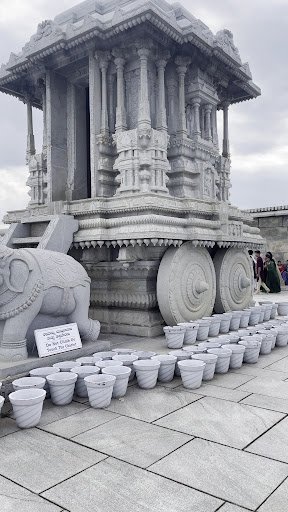
The Sri Venugopalaswamy Temple, located near the Krishna Raja Sagara (KRS) Dam in Hosa Kannambadi, Karnataka, is a magnificent example of Hoysala architecture with a fascinating history of submersion and restoration.
History The temple was originally built in the 12th century AD by the Hoysala rulers, around the same time as the famous Chennakesava Temple at Somanathapura. It was initially situated in the village of Kannambadi, which was later submerged due to the construction of the KRS Dam.
In 1909, when Sir M. Visvesvaraya planned the KRS dam project, it became clear that Kannambadi and the surrounding areas would be flooded. King Krishna Raja Wadiyar IV of Mysore ordered the construction of a new village called Hosa Kannambadi (New Kannambadi) for the residents. However, the Venugopalaswamy Temple, along with two other temples, had to be abandoned. By 1930, the first phase of the dam was completed, and all three temples were submerged underwater. For over 70 years, the Venugopalaswamy Temple remained submerged, only resurfacing during periods of drought when water levels in the reservoir dropped significantly.
Restoration In the early 2000s, the temple’s plight caught the attention of Sri Hari Khoday, a philanthropist and liquor baron. The Khoday Foundation, under his guidance, took on the monumental task of relocating and restoring the temple. The restoration process was meticulous and time-consuming: Over 16,000 photographs and video footage of the original temple were taken. Each stone was carefully numbered and marked. The entire temple structure was dismantled and moved to the new location, about 1 km north of the original site. Skilled artisans, sculptors, and experts from Tamil Nadu were brought in to reconstruct the temple. Damaged or missing idols were remade and replaced. The restoration project, which cost around ₹2.5 crores, involved over 200 people and officially began in May 2003. The temple was successfully relocated and restored by 2011.
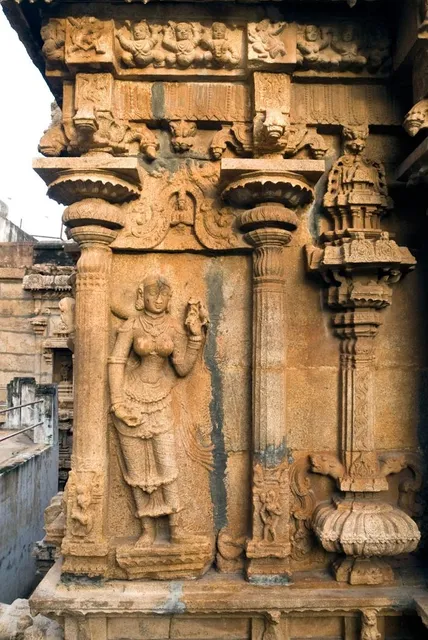
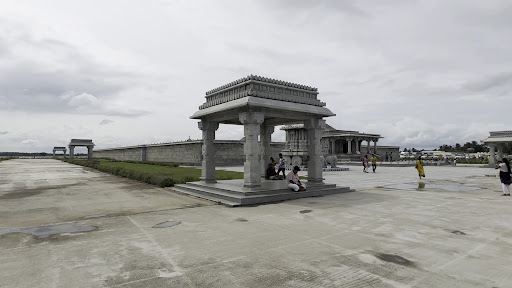
Architecture and Layout The restored Venugopalaswamy Temple is a massive granite structure built in the Hoysala style of architecture. Key features include: • A main courtyard and a smaller, intricately sculpted courtyard • Beautifully carved motifs adorning the ceilings, pillars, and walls • A sanctum sanctorum (garbhagriha) housing the idol of Venugopalaswamy (Lord Krishna playing the flute as a cowherd) • Individual shrines for other deities surrounding the main sanctum • A replica of the Hampi Stone Chariot outside the main courtyard • Small mantaps and beautifully manicured gardens surrounding the temple
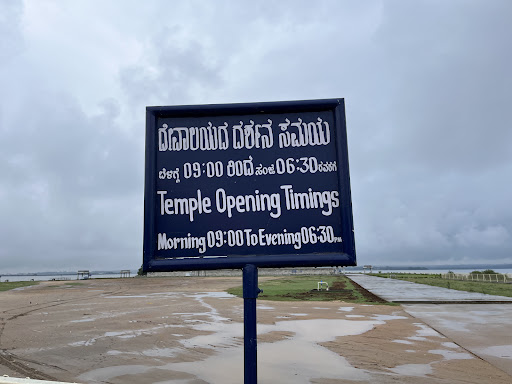
Visitor Experience The temple offers a unique and serene experience for visitors: Silence Policy: The temple maintains a strict silence policy, creating a meditative atmosphere that enhances the spiritual experience. No Offerings: Unlike many other temples, voluntary offerings of money, flowers, or other items are prohibited, keeping the temple uncommercialized. Scenic Location: The temple is surrounded by water on three sides when the KRS dam is full, offering breathtaking views and making it an ideal spot for birdwatching. Timings: The temple is open daily from 9 am to 6 pm, with mahapoojas performed at 11 am and 6 pm. Photography Restrictions: While visitors can carry mobile phones, photography is only allowed outside the temple complex. The Sri Venugopalaswamy Temple stands as a testament to architectural brilliance, historical preservation, and spiritual significance. Its journey from submersion to restoration makes it a unique and must-visit destination for those exploring the rich cultural heritage...
Read moreVenugopala Swamy Temple, Kannambadi is an architectural marvel and a significant religious site located near Mysuru, Karnataka. This temple has an intriguing history, marked by its displacement and reconstruction, which has only added to its fame and significance.
History and Renovation The original Venugopala Swamy Temple was constructed in the 12th century during the Hoysala dynasty. It was located in the village of Kannambadi, which was submerged when the Krishnaraja Sagar (KRS) Dam was built across the Cauvery River in the early 20th century. For decades, the temple remained underwater, visible only during severe droughts when water levels receded.
In the early 2000s, a massive and ambitious effort was undertaken by the Khoday Foundation to relocate and reconstruct the temple stone by stone. The temple was painstakingly rebuilt at a new location, just a few kilometers away from the original site, on the banks of the backwaters of the KRS Dam. The reconstruction took several years to complete, and the temple was finally opened to the public in 2011.
Significance and Architecture The Venugopala Swamy Temple is dedicated to Lord Krishna, worshiped here in the form of Venugopala, the divine cowherd. The temple is a classic example of Hoysala architecture, characterized by intricate carvings, detailed sculptures, and beautifully proportioned structures. The sanctum sanctorum houses the idol of Lord Venugopala, along with various other deities associated with Hinduism.
The temple's architecture is truly magnificent, with a large, open courtyard surrounded by finely carved pillars. The interiors are adorned with a line of gods that signify the planets and their corresponding demigods in Hinduism. This alignment is believed to represent the cosmic order and the influence of celestial bodies on human life, adding a deeper spiritual dimension to the temple.
Scenic Beauty and Weekend Destination Situated on the banks of the KRS backwaters, the temple offers breathtaking views of the expansive waterbody, especially during sunset. The serene and peaceful environment makes it an ideal location for a spiritual retreat. The large open spaces around the temple provide a perfect setting for a weekend getaway, where visitors can enjoy the tranquil surroundings while exploring the rich heritage of the temple.
The temple has become a popular destination not just for devotees but also for tourists who appreciate its historical significance, architectural beauty, and the natural landscape. The well-maintained gardens and the scenic backdrop of the KRS backwaters add to the charm, making it a great place for families and groups to spend a peaceful day away from the hustle and bustle of city life.
Conclusion The Venugopala Swamy Temple at Kannambadi is a symbol of resilience and devotion. Its history, from being submerged underwater to being reborn at a new location, mirrors the enduring faith of its devotees. Whether you are drawn to it for its spiritual significance, its architectural grandeur, or its picturesque setting, the temple offers a unique and enriching experience for...
Read moreSri Venugopalaswamy Temple, Krishnarajasagara Dam – A Hidden Gem Reclaimed from the Depths
Sri Venugopalaswamy Temple, located near the Krishnarajasagara (KRS) Dam in Kannambadi, Karnataka, is a magnificent example of Hoysala-era temple architecture. This temple, originally built in the 12th century, was submerged for decades due to the construction of the KRS Dam. However, in an extraordinary effort, the temple was carefully relocated and reconstructed, allowing visitors to witness its historical grandeur once again.
A Temple Reclaimed from Submersion
The temple was originally part of the village of Kannambadi, which got submerged when the KRS Dam was built in the early 20th century. For nearly 70 years, the temple remained underwater, occasionally visible when the water levels receded. Recognizing its historical and cultural significance, the temple was meticulously relocated and reconstructed by the Khoday Foundation in the early 2000s, using each original stone to preserve its authenticity.
Architectural Beauty and Location
The temple, dedicated to Lord Venugopala (a form of Krishna playing the flute), is an exquisite example of Hoysala craftsmanship. The intricately carved pillars, ornate sculptures, and detailed relief work showcase the artistic excellence of that era. Unlike typical South Indian temples with towering gopurams, this temple follows the classic Hoysala style with a star-shaped sanctum and finely chiseled stonework.
What makes visiting this temple truly special is its breathtaking location. Surrounded on three sides by the tranquil waters of the Cauvery River, the temple offers a serene and picturesque setting. During sunset, the golden hues reflecting off the river and the temple’s stone structure create a mesmerizing sight, making it one of the best times to visit.
A Unique Practice – No Offerings Encouraged
One rare and unique aspect of Sri Venugopalaswamy Temple is that it discourages devotees from making offerings. Unlike most temples in India, where offerings like coconuts, flowers, and money are customary, this temple promotes a different form of devotion—prayers and spiritual contemplation. This policy preserves the sanctity of the temple and ensures that it remains a place of peace rather than commercial religious activities.
Visiting Information • Location: Near KRS Dam, Mandya District, Karnataka • Best Time to Visit: Evening, especially around sunset, for a stunning view of the temple and river • How to Reach: The temple is about 30 km from Mysuru and can be reached by car or taxi.
Sri Venugopalaswamy Temple is not just a place of worship but a testament to Karnataka’s rich heritage and engineering marvels. Whether you’re a history enthusiast, a spiritual seeker, or a lover of scenic beauty, this temple is a must-visit...
Read more