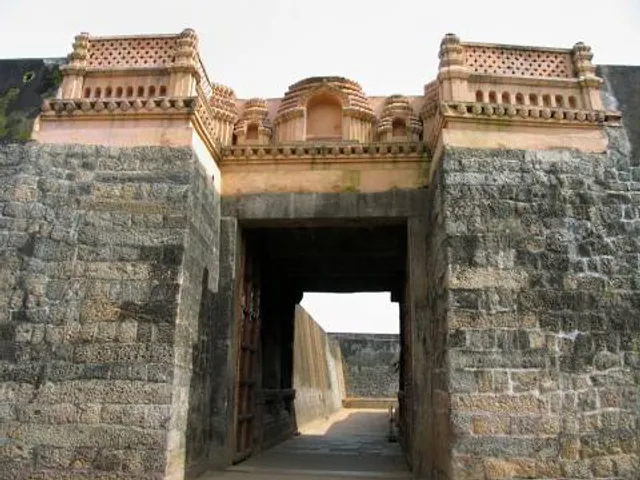
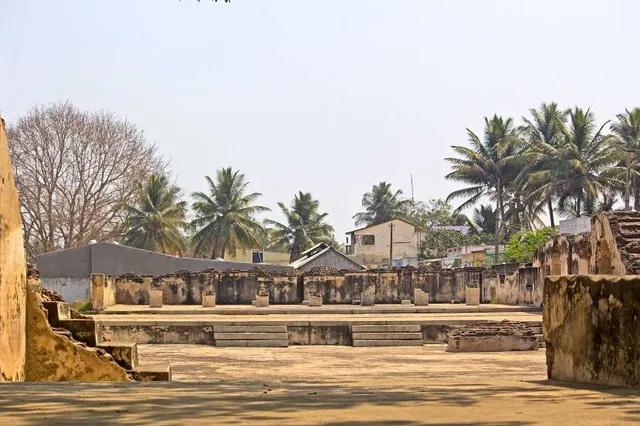
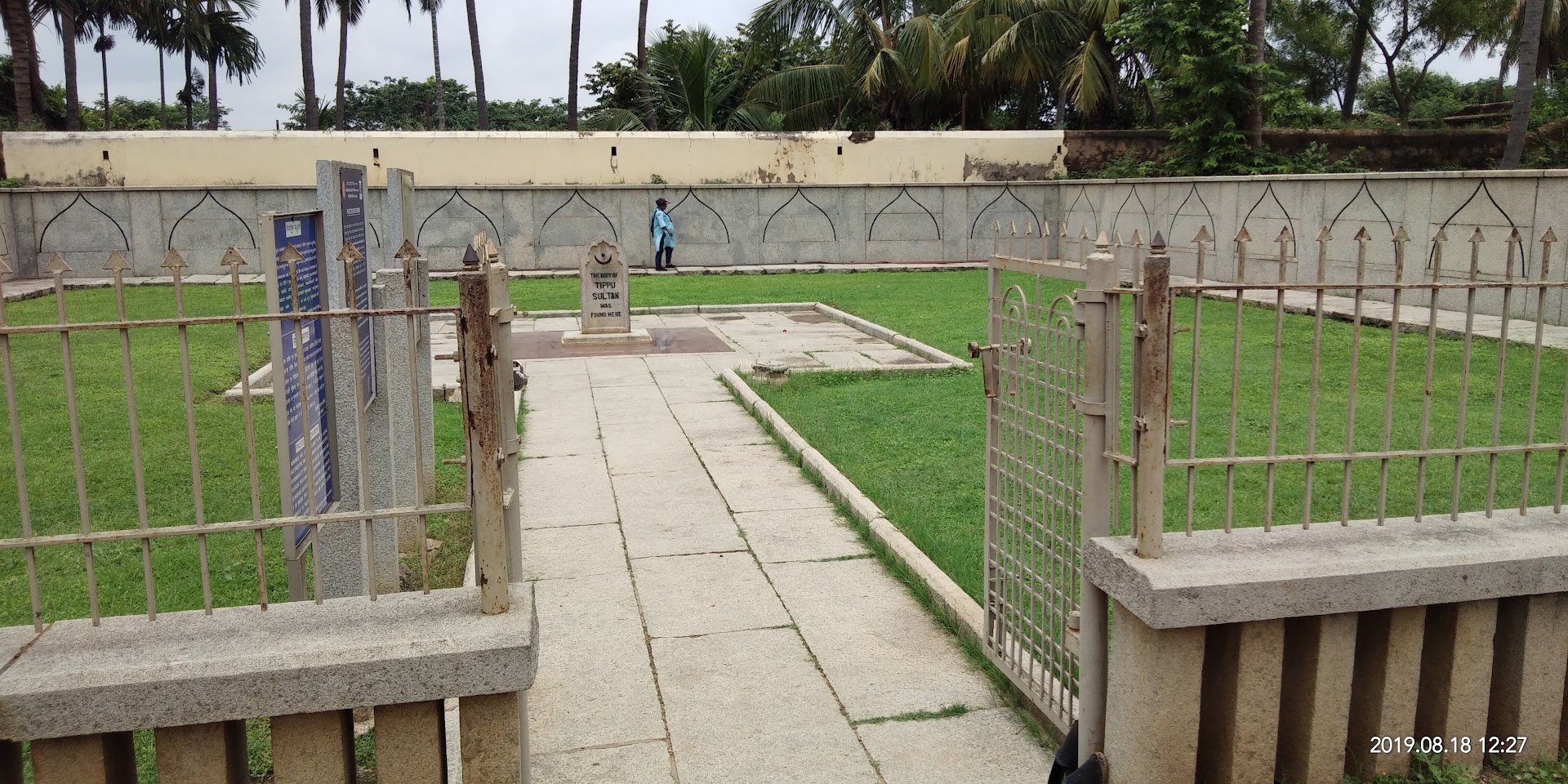
Visiting Tipu Sultan’s Death Place in Srirangapatna, Karnataka, was a moving and historically enriching experience. The site, marking the final moments of the legendary ruler and warrior Tipu Sultan, offers a blend of history, solemnity, and cultural significance. However, a few challenges slightly affected the overall experience.
The Good: Historical Importance: This is the spot where Tipu Sultan, the "Tiger of Mysore," fell during the Fourth Anglo-Mysore War in 1799. Standing there gave me a profound sense of connection to India’s history. Well-Maintained Monument: The place is clean and well-maintained, with plaques and boards providing information about Tipu Sultan’s life and the events leading to his death. Scenic Surroundings: The location is peaceful, with greenery around, making it a serene spot to reflect on history. Accessible Location: It is easily accessible from Mysore and other nearby towns, with decent roads leading to the site. Cultural Insight: Visiting the site offers an opportunity to delve deeper into Tipu Sultan’s contributions and his fight against British colonization, enriching one’s understanding of Indian history. The Challenges: Limited Information: While there are a few plaques, more detailed descriptions or a guide service would make the visit more informative and engaging. Crowd Management: During peak hours, the site can get crowded, which takes away from the solemnity of the place. Lack of Facilities: There are no restrooms, seating areas, or nearby food options. Visitors need to plan accordingly. Commercialization: Some nearby stalls and vendors seem out of place for such a significant historical site, slightly detracting from its dignity. Short Visit Duration: Since it’s a relatively small site, it doesn’t take much time to explore, which might leave some visitors wanting more. Suggestions for Future Visitors: Read Ahead: Brush up on Tipu Sultan’s history before visiting to fully appreciate the significance of the site. Visit During Off-Peak Hours: Early mornings or weekdays are ideal for avoiding crowds and enjoying a peaceful experience. Combine with Other Attractions: Pair your visit with nearby attractions like Srirangapatna Fort, Dariya Daulat Bagh, or Ranganathittu Bird Sanctuary for a fulfilling day trip. Carry Essentials: Bring water, snacks, and any necessities, as there are limited facilities around the site. Respect the Site: This is a historical landmark with deep cultural significance, so maintain decorum and avoid littering. Final Thoughts: Tipu Sultan’s Death Place is a must-visit for history enthusiasts and those seeking a deeper connection to India’s past. While it’s a simple site, the weight of its historical significance makes it a humbling experience.
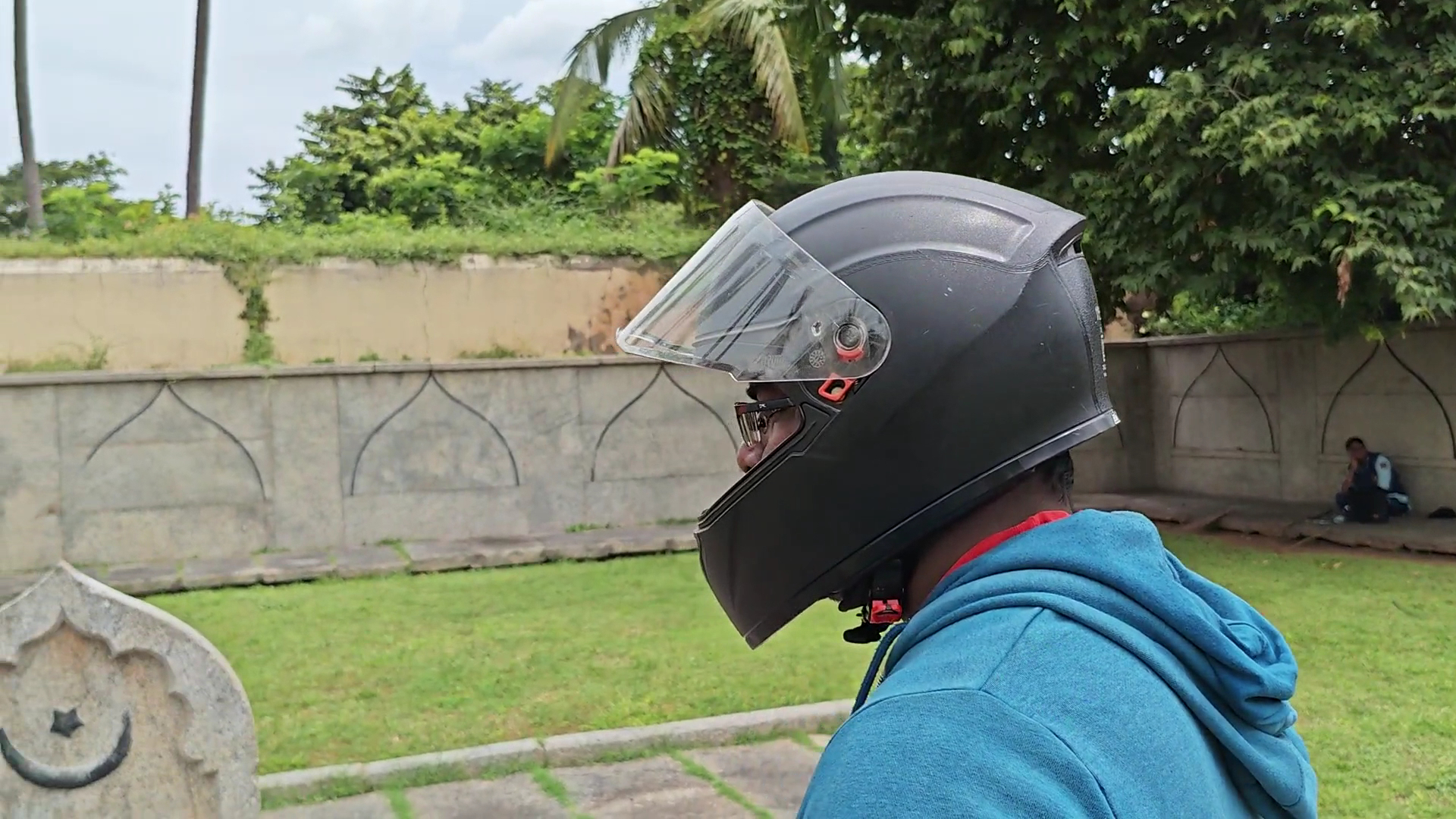
My solo visit left me reflecting on Tipu Sultan’s bravery and the pivotal role he played in India’s history. Despite some minor drawbacks, the visit was memorable, and I would recommend it to anyone...
Read moreTipu Sultan, the Tiger of Mysore, or Tippoo Sahib as the British called him, was the Indian ruler who resisted the East India Company’s conquest of southern India. Public opinion in England considered him a vicious tyrant, while modern Indian nationalists have hailed him as a freedom fighter, but both views are the products of wishful thinking. A small, plump man with a round face and black moustache, who wore clothes glittering with jewels, Tipu was vigorous, forceful, brave, warlike and cruel; a devout Muslim ruling a mainly Hindu population. He had inherited the throne from his father Haidar Ali, who had driven out the previous Hindu dynasty.
Tipu used to say it was better to live for two days like a tiger than drag out an existence like a sheep for two hundred years. He had a special reverence for tigers. He kept six in his fortress-city of Seringapatam (now Sriringapatna), 200 miles west of Madras, where his throne was shaped and striped like a tiger. His elite troops wore tiger badges, the hilt of his sword was in the form of a snarling tiger, and his favourite toy was a mechanical tiger straddling a British officer while the victim squealed in terror (it is now in the Victoria & Albert Museum). Tipu was determined to build a rich and powerful state and he was feared with reason by his subjects, his neighbours and other Indian princes, who joined forces with the British against him. He tried to build up an alliance to drive the British – ‘those oppressors of the human race’ – out of India and intrigued with the French in Paris and Mauritius. In dealings with them Tipu improbably donned a cap of liberty and expressed his sympathy with French Revolutionary ideals.
The British feared an invasion of India by Napoleon, and Lord Mornington, arriving in Calcutta as British Governor-General in 1798, decided to settle accounts with Citoyen Tipu. An army of East India Company sepoys and cavalry was assembled in Madras under General Harris with a contingent from the Nizam of Hyderabad, and the British Thirty-Third Regiment of Foot under Mornington’s younger brother, Colonel Arthur Wellesley (the future Duke of Wellington). In February 1799 the order to invade Mysore came, and the motley array toiled across the border accompanied by elephants and camels, thousands of baggage bullocks and flocks of sheep and goats to provide meat for the officers, as well as hordes of camp followers and a travelling market selling food and drink for the soldiery. Officers took along cooks, grooms, laundrymen and cleaning wallahs, and senior officers like Wellesley, who brought his silver-plated tableware with him, had thirty or more servants in their train. Moving ponderously in the burning heat, the army covered an area of eighteen square miles and on a good day managed to...
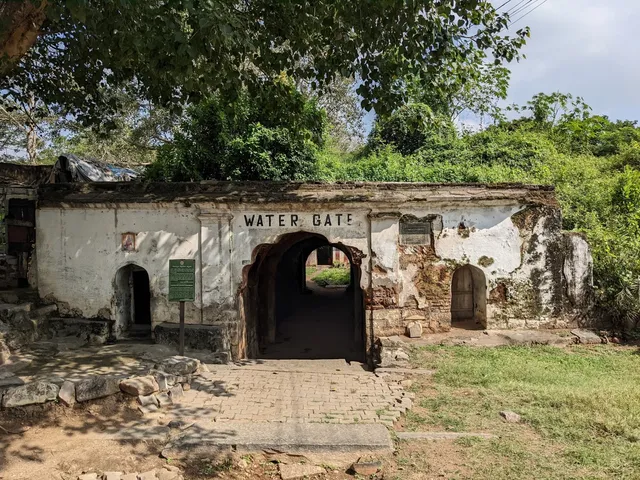
Read morethinking about the place where Tipu Sultan died... it's not a grand monument, but it carries a heavy weight of history, you know? It's within the Srirangapatna Fort, and when you stand there, you can almost picture the chaos and the intensity of that final battle on May 4, 1799. The spot itself is marked, and it's a sobering experience. You realize this is where the "Tiger of Mysore," a man who fiercely resisted the British, breathed his last. It makes you think about courage, resistance, and the turning points in history. The surroundings of the fort still echo with stories of warfare. You can see the ramparts and imagine the British forces breaching the walls. Even though time has passed, there's a palpable sense of the past. It's not just a place on a map; it's a place where a significant figure in Indian history met his end, marking a major shift in the region's power dynamics. It's a relatively simple spot, perhaps more about the significance of what happened there than elaborate architecture. For me, visiting it was a moment of reflection on the cost of conflict and the impact of individuals on the course of history. In a human way: It's a place that makes you feel the weight of history, imagining the intensity of Tipu Sultan's final moments. While not a grand structure, the marked spot within the Srirangapatna Fort is a powerful reminder of a key historical event. Standing there connects you to the story of Tipu Sultan's resistance against the British. The surrounding fort adds to the atmosphere, allowing you to visualize the siege. It's definitely a place worth visiting if you're in Srirangapatna, not for its visual grandeur, but for the historical gravity of the event that unfolded there. It makes the stories you read in history books feel...
Read more