Majestic Tungabhadra Dam: A Marvel of Engineering and Tranquil Oasis
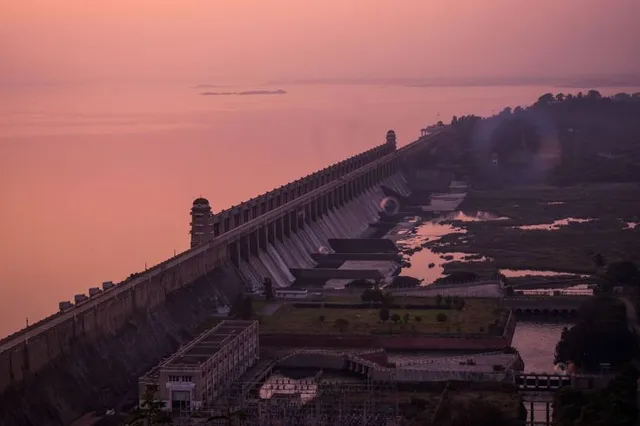
The Tungabhadra Dam stands as a testament to India's engineering prowess, and my recent visit left me awe-inspired. The colossal structure, also known as Pampa Sagar, not only serves essential functions like irrigation and electricity generation but also offers visitors a mesmerizing experience.
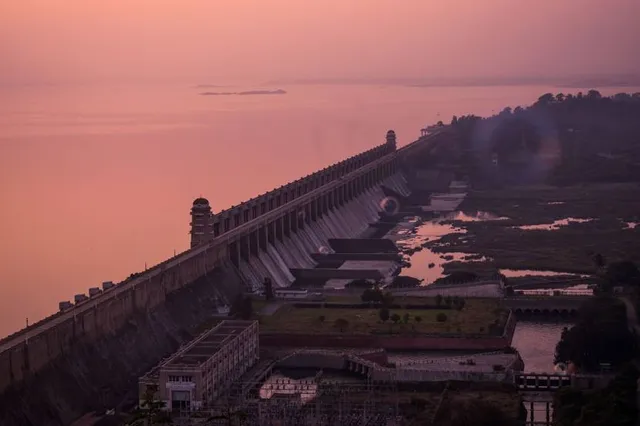
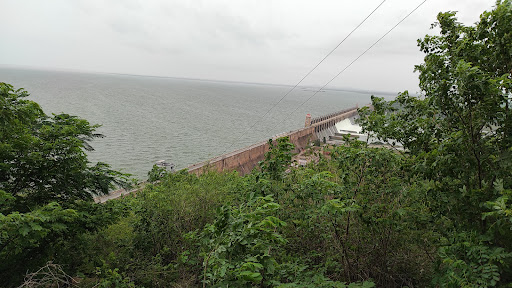
From the dam's vantage point, the view of the imposing wall and the serene backwaters of the Tungabhadra River is nothing short of breathtaking. The vast expanse of water against the backdrop of the surrounding landscape creates a picturesque setting that's perfect for both nature lovers and photography enthusiasts.
What truly sets the Tungabhadra Dam apart is its historical construction. Built with surki mortar, a blend of mud and limestone, it stands proudly as one of the only two non-cement dams in India. This nod to traditional construction methods adds a unique charm to the site, blending modern functionality with historical significance.
During my visit, the evening light show added a magical touch to the experience. The illuminated dam, accompanied by informative narrations, showcased the engineering marvel and the importance of the dam in sustaining the region. It's an educational and visually stunning display that shouldn't be missed.
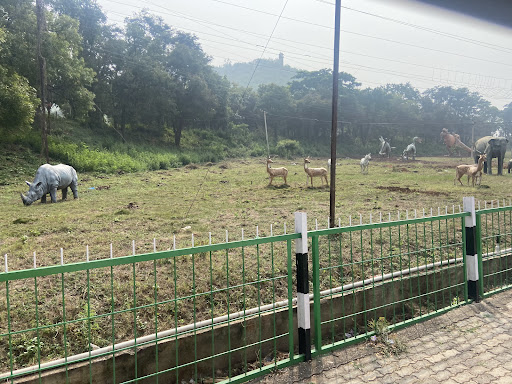
While the dam steals the spotlight, the adjacent park complements the experience. The well-maintained surroundings offer a peaceful escape, providing an ideal spot for picnics or leisurely walks. However, I echo the sentiment about the condition of the zoo, garden, and aquarium being less than satisfactory. It's an aspect that could be improved to make the entire visitor experience even more enjoyable.
In conclusion, a visit to the Tungabhadra Dam is an absolute must. Whether you're fascinated by engineering feats, appreciate natural beauty, or simply seek a tranquil escape, this destination caters to diverse interests. The blend of history, functionality, and scenic allure makes the Tungabhadra Dam a true gem. It's a place where modern engineering meets the timeless flow of the Tungabhadra River, creating an unforgettable experience for all who...
Read moreIt's been a great time with my family, and this is my first experience at this place everyone should visit this place, and especially those who are near to this, they gonna miss so much.
The Tungabhadra Dam is a major dam built across the Tungabhadra River in the state of Karnataka, India. It is located near the town of Hospet, which is close to the historic site of Hampi. The dam is a significant source of water for irrigation and also provides hydroelectric power.
The Tungabhadra Dam is known for its picturesque surroundings and serves as a popular tourist attraction. The dam forms a reservoir that stretches for several kilometers and offers a serene environment with scenic views. The lush green gardens around the dam further enhance its beauty.
Visitors to the Tungabhadra Dam can enjoy activities such as boating in the reservoir, taking leisurely walks in the gardens, and picnicking in the picturesque surroundings. The dam provides an excellent spot for photography enthusiasts to capture beautiful landscapes and the panoramic view of the water body.
The dam and its gardens are also frequented by locals for recreational purposes. It offers a peaceful escape from the bustling city life and is a great place to unwind and relax.
Additionally, the Tungabhadra Dam plays a crucial role in providing water for irrigation, benefiting the agricultural activities in the region. The dam has helped in harnessing the water resources of the Tungabhadra River, supporting the agricultural communities and contributing to the overall development of the area.
If you plan to visit the Tungabhadra Dam and its gardens, it's advisable to check the current status of visitor access and any regulations or guidelines imposed by the authorities. This will ensure a smooth and enjoyable experience...
Read moreThe Tungabhadra Dam is a significant reservoir structure located on the Tungabhadra River in India. It is situated near the town of Hospet in the state of Karnataka, and its construction was completed in 1953. The dam plays a crucial role in water management and irrigation in the region.
Key features of the Tungabhadra Dam:
Purpose: The primary purpose of the Tungabhadra Dam is to store water for irrigation and provide water supply for various agricultural activities in the surrounding areas. The dam also generates hydroelectric power.
Reservoir: The dam creates a large reservoir known as the Tungabhadra Reservoir, which has a significant storage capacity.
Hydroelectric Power: The dam's reservoir is used to generate hydroelectric power. The power station at the dam utilizes the water flow to produce electricity, contributing to the region's power needs.
Water-sharing: The Tungabhadra River is a tributary of the Krishna River, and the dam facilitates the sharing of water between the states of Karnataka and Andhra Pradesh.
Irrigation: The stored water from the reservoir is released into the canals to support irrigation for agricultural lands in both Karnataka and Andhra Pradesh, boosting agricultural productivity in the region.
Tourism: The Tungabhadra Dam and the surrounding areas have also become popular tourist attractions. The scenic beauty and the recreational opportunities around the reservoir attract visitors from various places.
The Tungabhadra Dam has been a significant contributor to the development of the region, providing water for irrigation, generating electricity, and supporting various economic activities. It is a crucial water resource management infrastructure in...
Read more