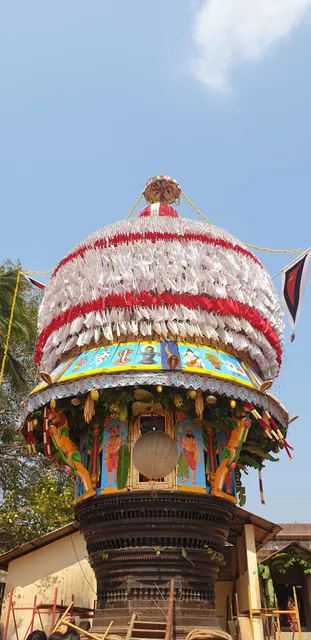
Mahathobhara Yelluru Shree Vishweshwara Temple is a Hindu temple dedicated to Lord Vishweshwara in the Yellur village of Udupi district in the state of Karnataka, India. Lord Vishweshwara is referred to at least in 12 rock edicts and recorded by the Kaifiyaths.
 Learn more insights from Wanderboat AI.



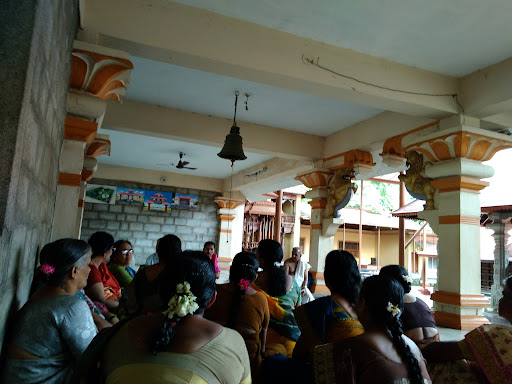
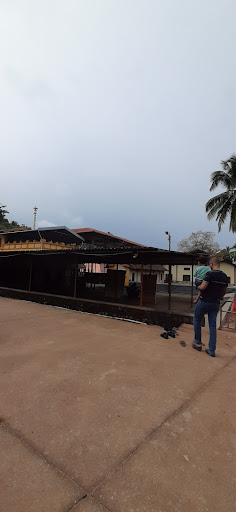

The Mahathobhara Shri Vishweshwara Temple is as ancient as the Puranic legend associated with the temple. It is believed that a Sudra king of the Kuthyar Dynasty, Kunda Raja had once invited Bhargava Muni to his kingdom. But the sage dismissed the invitation on grounds of the absence of temples, Brahmins, sacred rivers and the holy plant Tulsi (holy basil) in the kingdom.
Hurt and disappointed by Bhargava Muni’s rejection, Kunda Raja let the responsibility of his kingdom with his deputy and set out to the bank of the holy river Ganga to perform a great sacrament for invoking Lord Shiva. The Lord, pleased by the king’s devotion, appeared before Kunda Raja and asked him to make a wish. The king requested the Lord to stay in his kingdom, to which Lord Shiva readily agreed.
The origin of the name – Yellur
Sometimes later, a hungry tribal woman, who was searching for her lost son in the forest, chanced upon a plump tuber. As soon as she placed the first blow on the tuber with her sword, the tuber began to bleed. Horrified that she must have mistaken her son for a tuber, the woman began to cry “Yellu” (name of her son). At that very moment, Lord Shiva appeared in the form of the Linga. That’s how the place got its name Yellur. It is also said that the mark of the wound is still visible on the Linga.
Beliefs are that the tuber stopped bleeding only after Kunda Raja and his subject had poured tender coconut water on it. This is the reason why it is a ritual among the devotees thronging the temple to offer coconut water to the deity. Beside coconut water, the devotees also offer coconut oil to the Lord. This oil is used to keep the lamps in the temple burning inexhaustibly.
While the temple is mainly dedicated to Lord Shiva, there are also separate shrines for Lord Vinayaka and Goddess Annapoorneshwari. Besides, there’s a small Bhagirathi temple attached to a lake on the northern side of the main temple. There’s a belief that the Ganga once flowed from this lake.
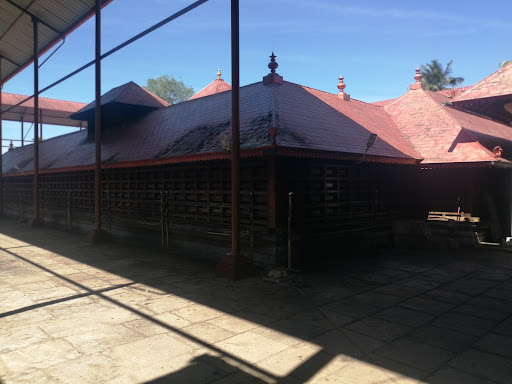
One striking attraction of the Mahathobhara Shri Vishwanatha Temple is its classical Devaayathana style of architecture, which makes it a perfect living model of the great architectural style of the bygone era. Although the temple has recently undergone large-scale renovation, utmost care has been taken to retain the charm of that classical architecture.
The temple particularly draws a huge crowd during November-December when it wears a breathtakingly divine look in the golden glow of one lakh earthen lamps lit to commemorate Laksha Deepotsava, a festival of one lakh...
Read more
Mahathobhara Shri Vishweshwara Temple is as ancient Hindu temple dedicated to Lord Shiva. Believed to be having a history of more than 1000 years. It is believed that a Sudra king of the Kuthyar Dynasty, Kunda Raja had once invited Bhargava Muni to his kingdom. But the sage dismissed the invitation on grounds of the absence of temples, Brahmins, sacred rivers and the holy plant Tulsi in the kingdom.Hurt and disappointed by Bhargava Muni’s rejection, Kunda Raja let the responsibility of his kingdom with his deputy and set out to the bank of the holy river Ganga to perform a great sacrament for invoking Lord Shiva. The Lord, pleased by the king’s devotion,appeared before Kunda Raja and asked him to make a wish. The king requested the Lord to stay in his kingdom, to which Lord Shiva readily agreed.
The origin of the name – Yellur Sometimes later, a hungry tribal woman, who was searching for her lost son in the forest. As soon as she placed the first blow on the tuber with her sword, the tuber began to bleed. Horrified that she must have mistaken her son for a tuber, the woman began to cry “Yellu” (name of her son). At that very moment, Lord Shiva appeared in the form of the Linga. That’s how the place got its name Yellur. It is also said that the mark of the wound is still visible on the Linga. Beliefs are that the tuber stopped bleeding only after Kunda Raja and his subject had poured tender coconut water on it. This is the reason why it is a ritual among the devotees thronging the temple to offer coconut water to the deity. Beside coconut water, the devotees also offer coconut oil to the Lord. This oil is used to keep the lamps in the temple burning inexhaustibly. While the temple is mainly dedicated to Lord Shiva, there are also separate shrines for Lord Vinayaka and Goddess Annapoorneshwari. Besides, there’s a small Bhagirathi temple attached to a lake on the northern side of the main temple.Known as place of swayambhu sannidhya. Tender Coconuts & oil are offerings made by devotees. Note that ANNA PRASADA IS SERVED ONLY ON MONDAYS,REST OF THE DAY LUNCH IS SERVED ONLY...
Read more
The architecture of the temple is unique and considered a classic one in the view of the Tantragama experts. The age-old temple has been considered as the perfect and unique model of the Devaayathana style of architecture.Lord Vishweshwara is referred to at least in 12 rock edicts and recorded by the Kaifiyaths. The Yelluru Shri Vishweshwara Temple is a temple dedicated to Lord Shiva. This 1000 year old temple has been mentioned in 12 rock edicts. This temple is considered to be a unique example of the Devaayathana style of architecture. The temple has been recently completely renovated without changing the original . According to puranic legends, Kunda Raja an honest shoodra king of the Kathyar dynasty once requests Bhargava Muni (Sage Bharadhwaja ) to stay in his kingdom and he tells there are no temples or Brahmans and even a sacred river or tulsi in the place and refuses his invitation.The disappointed king hands over the charge of his kingdom to his deputy and sets out to the banks of river Ganga and performs great penance to please Lord Shiva. Seeing the king’s devotion, Lord Shiva appears and asks him to make a wish. An elated Kunda Raja requests the Lord to stay in his kingdom and the Lord readily agrees and says he will make his appearance at a spot where enmity and hatred are unheard of. Accordingly he makes Yellur one of his abodes.According to legend, Lord Shiva came here in appreciation of the devotion and penance of a certain Kunda Raja of the Kathyar dynasty. When this king invited sage Bharadhwaja to his kingdom, the sage refused saying there was no temple in his kingdom. Upset by this, the king prayed to Lord Shiva who, pleased with the king’s devotion promised him that he would come and live in a place in his kingdom where there was no feeling of enmity or hatred. Accordingly, he became a Shiva Linga...
Read more