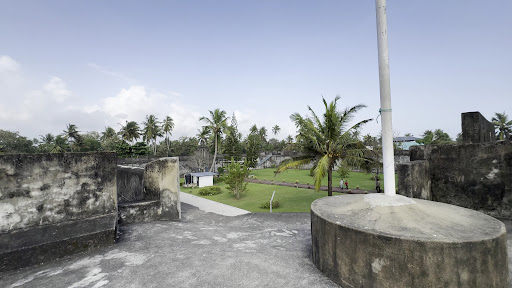
Anjuthengu Fort, also known as Anchuthengu or Anjengo Fort, is a captivating historical site located in the quiet coastal town of Anchuthengu in Thiruvananthapuram district, Kerala. Built by the British East India Company between 1696 and 1699, this fort holds the distinction of being their first major outpost on the Malabar Coast. Its strategic placement between the Arabian Sea and the serene Kerala backwaters once made it a vital center for trade, especially in pepper, spices, and textiles. The journey to the fort, around 12 km from Varkala, is a scenic ride that sets the mood for a dive into colonial history.
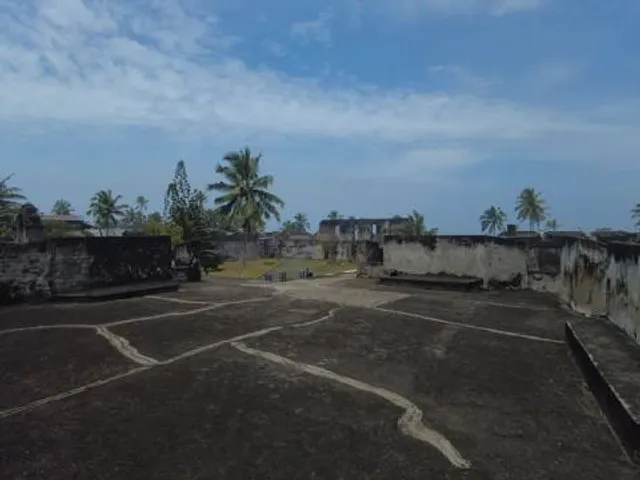
Upon entering the fort premises, visitors are greeted by strong laterite walls and four bastions that give a glimpse into its military past. The fort’s square layout and the remains of old British tombstones, along with a small garden, reflect the architectural sensibilities of the colonial period. Though not massive in scale, the fort’s simplicity and setting make it stand out. One can easily walk along the ramparts and imagine the activity that once filled these grounds during its heyday as a trading post and military base. The view from the bastions offers stunning glimpses of both the ocean and the backwaters, perfect for photography and quiet reflection.
Historically, the fort witnessed significant events, including the famous Attingal Revolt of 1721, where local resistance against British domination began to take shape. This siege resulted in the deaths of many British officers and marked one of the earliest rebellions against colonial powers in Kerala. The fort later served multiple military purposes, including as a signaling station for British ships and an ammunition store during the Anglo-Mysore conflicts. These layers of history make it not just a physical structure but a silent narrator of the colonial struggle and local resistance.
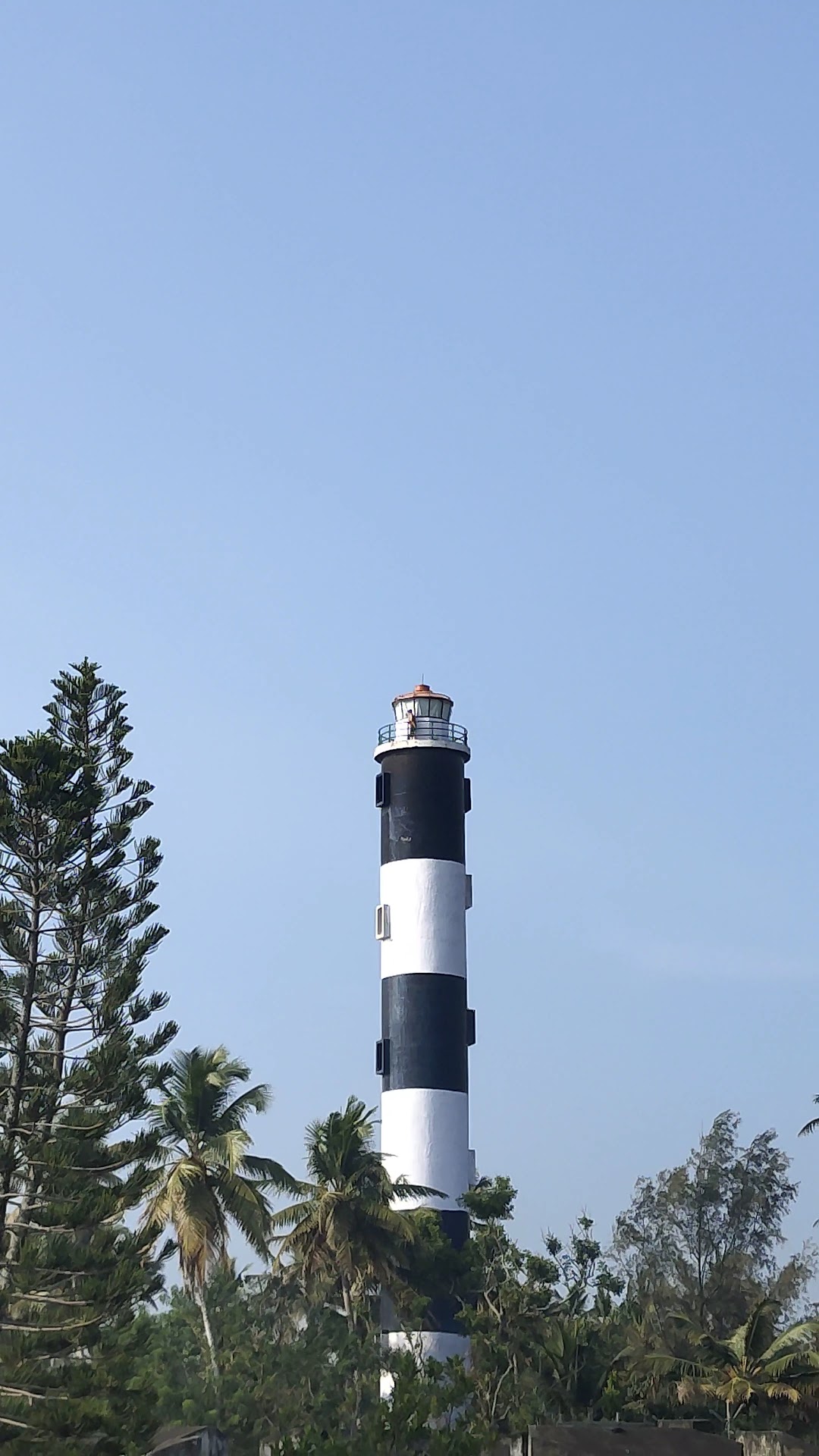
In its current state, Anjuthengu Fort is well-preserved by the Archaeological Survey of India. The calm surroundings, lined with coconut trees and small fishing villages, offer a tranquil escape from city life. Visitors can explore the fort at a relaxed pace, with minimal crowds and plenty of time to soak in the beauty and history. Nearby attractions like the Anjengo Lighthouse and the beautiful beach add to the charm, making it a perfect half-day outing for history lovers and casual travelers alike.
Overall, Anjuthengu Fort is not just a monument but a window into Kerala's rich colonial past. Its scenic location, historical relevance, and peaceful ambiance make it a must-visit spot for anyone exploring the heritage of south Kerala. Whether you are a history buff, a photography enthusiast, or just someone looking for a quiet place to spend the afternoon, this fort promises a memorable and...
Read moreAnchuthengu has great relevance in the history. It was the first trade settlement of the East India Company. The Queen of Attingal gave permission to the British under the East India Company to make a factory in Anchuthengu in 1684. They also got a permission to build a fort in 1690 and the Anjengo Fort was built in 1695. The settlement in Anchuthengu helped the Company promote its trade with various countries, as the place supported water way communication to the North. They also opened a depot to keep the military equipment at Anchuthengu. In short, this small island soon became one of the major trading platforms of the British in India, after Mumbai.
There was local unrest against the British in 1697 and the natives attacked the British factory at Anchuthengu, but it was a minor unrest and could create no major ripples in the political equation of the country.
But the Attingal rebellion of 1721 has some historical significance. The natives were very unpleasant due to the arrogant approach of the British towards them and they were further distanced from them due to some new unjust measures that the British tried to implement in the land. But at the same time the British pleased the Queen with precious gifts. In 1721, the local feudal lords demanded the British to give presents to the Queen of Attingal only through them. The British refused to obey this and with about 140 English traders, they proceeded to Attingal with the gifts for the Queen. The local people attacked the group and killed all the English traders. They also sieged the Anjengo Fort. The attack was defended by Gunner Inns and later the rebellion was defeated when more British force from Thalassery reached Anchuthengu. This incident is known as the first collective move against the British rule in Kerala.
The fort played an important role during the invasion of Mysore king, Hyder Ali too. During the Anglo Mysore wars in 18th century, the fort became the store house of ammunition for the British.
Architecture of the fort Compared to the other forts in Kerala, Anjengo fort lacks some typical look and characteristics of a fort. It is more like an enclosed bastion with high laterite walls. The fort also has some lookout points and there entrances on...
Read moreNestled along the Kerala coastline, Anchuthengu Fort, while boasting historical significance, may not offer the excitement of larger fortresses. Despite its small size, its historical importance cannot be understated. As a key player in colonial conflicts and once a bustling center of activity, its modest stature belies its past glory. However, today, visitors may find little to stir their senses, with the fort's charm overshadowed by neglect and lack of preservation efforts. Nevertheless, its role in shaping regional history underscores the need for its restoration and preservation, ensuring that its legacy endures for generations to come. Located on the picturesque coastline of Kerala, Anchuthengu Fort stands as a testament to the region's rich colonial history. Spanning an impressive 256 feet square, this fort boasts four sturdy bastions, each proudly mounting eight 18-pounder guns, symbolizing its military significance. As you wander through its historic walls, you can almost feel the echoes of the past, where the fort once housed a garrison of 400 Europeans and 70-80 topasses, showcasing its strategic importance during the Anglo-Mysore Wars. The presence of a battery, featuring some twenty 18&24-pounder guns facing the sea, further underscores its defensive prowess.However, despite its illustrious past, it's disheartening to note that Anchuthengu Fort now languishes in neglect. Once second in importance only to Bombay Castle in the eyes of the East India Company, its current state fails to do justice to its historical significance. Over time, the fort has witnessed a decline in preservation efforts, evident from the fading walls and lack of maintenance. The closure of the factory in 1813 marked the beginning of its gradual descent into obscurity, with subsequent neglect exacerbating its plight.While Anchuthengu Fort undoubtedly holds immense potential as a cultural heritage site, its current condition leaves much to be desired. Efforts towards its restoration and preservation are imperative to ensure that future generations can continue to marvel at its storied past and appreciate its...
Read more