HTML SitemapExplore
logo
Find Things to DoFind The Best Restaurants

Bekal Fort — Attraction in Kerala

Name
Bekal Fort
Description
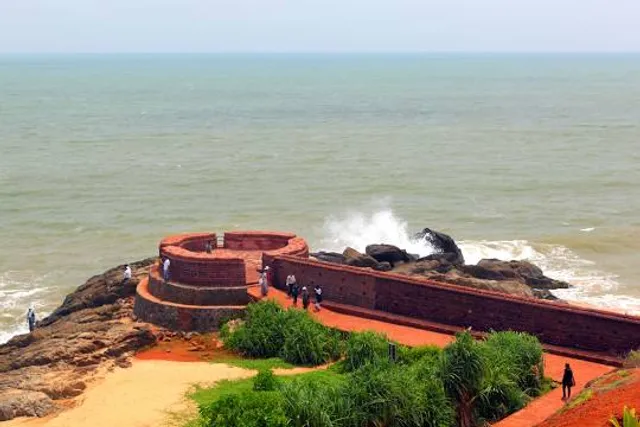
Bekal Fort is a medieval fort built by Shivappa Nayaka of Keladi in 1650 AD, at Bekal. It is the largest fort in Kerala, spreading over 40 acres.
Nearby attractions
Bekal Fort Beach
92RJ+PCX, Unnamed Road, Kerala 671316, India
Bekal Beach Park
Pallikere, Kerala 671316, India
Nearby restaurants
Apple Restaurant and Cool House
Bekal Fort Rd, fort, Bekal, Kerala 671316, India
Xpress Chicken Restaurant
KSTP Road, near Bekal, Fort, Bekal, Kerala 671316, India
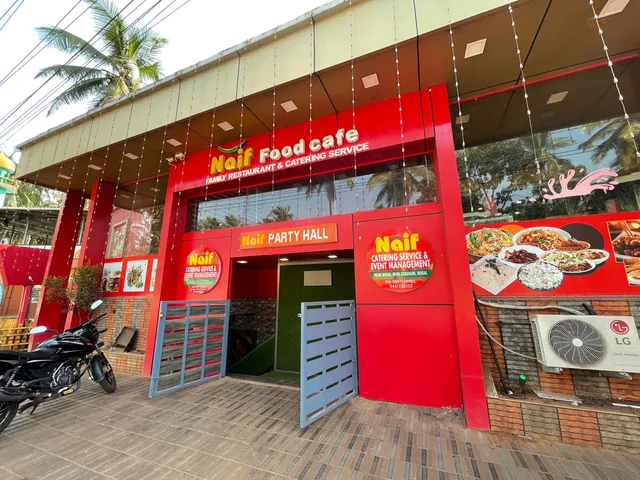
Naif Food Cafe
92XJ+5QP, Bekal, Kerala 671316, India
AFC
92WM+CQV, Kasaragod - Kannur Rd, Panayal, Kerala 671316, India
SVC VEGGIE'S KITCHEN
Beach Road, Pallikere, Kerala 671316, India
Bekal Camp Fire Beach Dinner
92QQ+QJ3, Pallikere, Kerala 671316, India
Hotel Food Palace
92XJ+VHG, Kasaragod, Kerala 671316, India
Kairali restaurant
C22J+2HJ, Bekal Makham Rd, Bekal, Kerala 671316, India
Beach Restaurant
92RR+6PJ, Pallikere, Kerala 671316, India
Nearby hotels
Shrigo Resorts and Spa
92VJ+QX, beside Bekal Fort Road, Bekal, Kerala 671316, India
Oaks Residency
Bekal Fort Rd, Kottakunnu, Kerala 671316, India
Halifax inn
from, near 150 meters, Kottakunnu, fort, Bekal, Kerala 671316, India
Bekal fort inn
TMT BULDING,NR OVER BRIDGE,MADOM ROAD,BEKALPALLIKARE, Pallikere, Kerala 671316, India
OYO 46747 Bekal Paradise
Bekal Paradise K Mall near Railway Ower Bridge, Beach Road, Pallikere, Kerala 671316, India
Related posts
Keywords
Bekal Fort tourism.Bekal Fort hotels.Bekal Fort bed and breakfast. flights to Bekal Fort.Bekal Fort attractions.Bekal Fort restaurants.Bekal Fort travel.Bekal Fort travel guide.Bekal Fort travel blog.Bekal Fort pictures.Bekal Fort photos.Bekal Fort travel tips.Bekal Fort maps.Bekal Fort things to do.
Bekal Fort things to do, attractions, restaurants, events info and trip planning
Bekal Fort
IndiaKeralaBekal Fort

Basic Info

Bekal Fort

Kasaragod Road Fort Railway Station Dist Bekal Fort Road, PO, beside Bekal, Fort, Bekal, Kerala 671316, India
4.5(9K)
Open 24 hours
Save
spot

Ratings & Description

Info

Bekal Fort is a medieval fort built by Shivappa Nayaka of Keladi in 1650 AD, at Bekal. It is the largest fort in Kerala, spreading over 40 acres.

Cultural
Outdoor
Family friendly
attractions: Bekal Fort Beach, Bekal Beach Park, restaurants: Apple Restaurant and Cool House, Xpress Chicken Restaurant, Naif Food Cafe, AFC, SVC VEGGIE'S KITCHEN, Bekal Camp Fire Beach Dinner, Hotel Food Palace, Kairali restaurant, Beach Restaurant
logoLearn more insights from Wanderboat AI.
Website
bekal.com

Plan your stay

hotel
Pet-friendly Hotels in Kerala
Find a cozy hotel nearby and make it a full experience.

hotel
Affordable Hotels in Kerala
Find a cozy hotel nearby and make it a full experience.

hotel
The Coolest Hotels You Haven't Heard Of (Yet)
Find a cozy hotel nearby and make it a full experience.

hotel
Trending Stays Worth the Hype in Kerala
Find a cozy hotel nearby and make it a full experience.

Reviews

Nearby attractions of Bekal Fort

Bekal Fort Beach

Bekal Beach Park
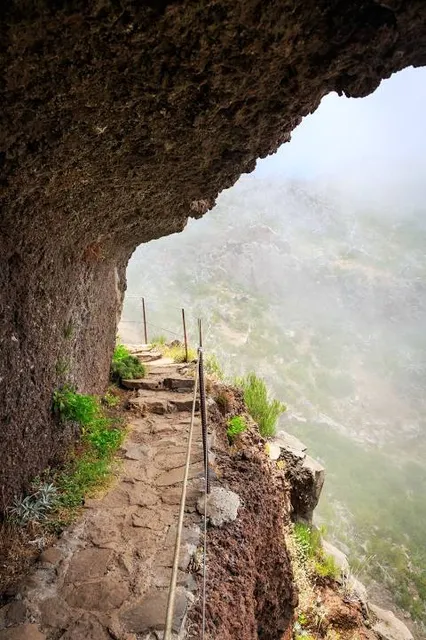
Bekal Fort Beach

Bekal Fort Beach

4.5

(477)

Closed
Click for details
Bekal Beach Park

Bekal Beach Park

4.3

(1.1K)

Open until 9:00 PM
Click for details

Nearby restaurants of Bekal Fort

Apple Restaurant and Cool House

Xpress Chicken Restaurant

Naif Food Cafe

AFC

SVC VEGGIE'S KITCHEN

Bekal Camp Fire Beach Dinner

Hotel Food Palace

Kairali restaurant

Beach Restaurant

Apple Restaurant and Cool House

Apple Restaurant and Cool House

3.8

(311)

Click for details
Xpress Chicken Restaurant

Xpress Chicken Restaurant

4.8

(41)

Closed
Click for details
Naif Food Cafe

Naif Food Cafe

3.7

(299)

Click for details
AFC

AFC

4.3

(2)

Click for details
Get the Appoverlay
Get the AppOne tap to find yournext favorite spots!
Wanderboat LogoWanderboat

Your everyday Al companion for getaway ideas

CompanyAbout Us
InformationAI Trip PlannerSitemap
SocialXInstagramTiktokLinkedin
LegalTerms of ServicePrivacy Policy

Get the app

© 2025 Wanderboat. All rights reserved.
logo

Reviews of Bekal Fort

4.5
(8,968)
avatar
5.0
1y

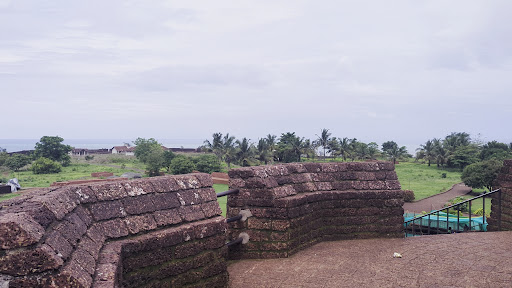
the massive Bekal Fort. It is among the largest forts in Kerala and has been impeccably maintained. Built using laterite slabs and with a polygonal shape.

Spread over 40 acres of land standing the tough trials of the waves is the largest fort in the state of Kerala – the Bekal Fort. The ever enchanting charm of the pristine and sandy beaches, its crashing waves and winds all tell the tale of a renowned history guarded inside the mighty walls of this 300 year old fort.

Bekal Fort is spread over 40 acres (160,000 m2). Some important features of this fort are the water-tank with its flight of steps, the tunnel opening towards the south, the magazine for keeping ammunition and the broad and wide steps leading to the Observation Tower which is a rarity. From there one has ample view of towns in the vicinity like Kanhangad, Pallikare, Bekal, Kottikkulam, Uduma etc. This observation center had strategic significance in discovering even the smallest movements of the enemy and ascertaining safety of the Fort.

The Fort appears to have been built up from the sea since almost three fourth of its exteriors is drenched and the waves continually stroke the citadel. The Mukhyaprana Temple of Hanuman and the ancient Muslim Mosque nearby bear testimony to the age-old religious harmony that prevailed in the area. The zigzag entrance and the moats around the fort show the defense strategy inherent in the fort.

Unlike most other Indian Forts, Bekal fort was not a center of administration for no remains of any palace, mansion or such buildings are found within the fort. Arguably the fort was built exclusively for fulfilling defence requirements. The holes on the outer walls of the fort are specially designed to defend the fort effectively. The holes at top were meant for aiming at the farthest points; the holes below for striking when the enemy was nearer and the holes underneath facilitated attacking when the enemy was very near to the fort. This is a remarkable evidence of technology in defense strategy.

Near the bekal fort is an old mosque said to have been built by the valiant Tipu Sultan of Mysore. Built by the rulers of the ancient Kadampa dynasty, the fort changed hands over the years to the Kolathiri Rajas, the Vijayanagar Empire, Tipu Sultan and finally, the British East India Company.

It is believed that the Bekal fort might have existed even from early days of the Chirakkal Rajas for the fact that it was common in those days to build a fort for the purpose of defense. Many of the old royal palaces have forts to protect them from the enemies. Decribing the Kolathiri Kingdom in his Kerala History, K.P. Padmanabha Menon writes that the residence allotted to the Thekkelamkur: "The eldest of the male members reigned as sovereign Kolathiri. The next in succession, the heir apparent, was the Thekkelamkur. The residence assigned to him was the Vadakara fort. The third in succession was the Vadakkelamkur in charge of Vekkolath fort. This V (B) ekkolath fort is identified by some scholars as the present Bekal.

In his Handbook of South Canara written in 1985, H.A. Stuart remarks that "Several forts were built by the Shivappa Nayak of Bednoor between 1650 and 1670. The two forts of Bekal and Chandragiri were originally under the Kolathiri or Chirakkal Rajas until the time of Shivappa Nayaka's invasion. Perhaps, the Bednore rulers might have rebuilt and improved it."

The 'Koteyar'/'Ramakshatriya' community found in Bekal, Panayal and other places in Kasargod were said to have been brought to this land by the Nayaks to strengthen and defend the fort. There was a prolonged struggle between the Kolathiries and Nayaks to recapture and maintain their hold over this area. Following the rise of the Hyder Ali and his conquest of Bekal these prolonged battles came to an end. Thus Bekal fell into the hands of the...

   Read more
avatar
5.0
1y

A Must-Visit Historical Gem! Visiting Bekal Fort was an incredible experience! The fort's majestic structure, perched by the Arabian Sea, offers breathtaking views that are simply unmatched. The lush greenery and well-maintained pathways make it a perfect place for a peaceful walk while soaking in the history. The fort's architecture is impressive, and the views from the observation towers are stunning. Whether you're a history buff, a nature lover, or just looking for a serene spot to relax, Bekal Fort has something for everyone. Highly recommended for anyone visiting Kerala!

Bekal Fort, located in the Kasaragod district of Kerala, is one of the largest and best-preserved forts in the region. Its history dates back to the 17th century, and it has been a significant site of historical and cultural importance over the years.

Historical Background:

Construction and Origins: Bekal Fort was built in 1650 AD by Shivappa Nayaka, a ruler of the Keladi Nayaka dynasty. The Nayakas were a prominent dynasty in South India, and they built the fort as a military outpost to defend their territory and assert control over the Malabar coast. Some historians also believe that the fort's origins might trace back to the Chirakkal Rajas, who ruled the northern part of Kerala, although Shivappa Nayaka is credited with its current form.

Strategic Importance: The fort's location on the Arabian Sea was of immense strategic importance, offering a vantage point to monitor the coastline and protect the region from invasions. Bekal Fort was not just a defensive structure but also played a crucial role in trade, as the Malabar coast was an active trade route, especially for spices.

Mysore Sultans: In the latter part of the 18th century, the fort came under the control of Tipu Sultan, the ruler of Mysore, during his campaign to extend his dominion over the Malabar region. Bekal Fort served as a key military station for Tipu Sultan, particularly during his conflicts with the British East India Company.

British Rule: After the fall of Tipu Sultan in 1799, following the Fourth Anglo-Mysore War, the British East India Company took control of the fort. Under British rule, Bekal Fort lost its military significance and was used mainly for administrative purposes.

Architectural Features:

Design: The fort is spread over 40 acres, with its massive walls rising up to 12 meters high. The design is a blend of traditional Kerala and military architecture. Observation Tower: One of the key features of Bekal Fort is the observation tower, which provides a panoramic view of the Arabian Sea. The tower was likely used for surveillance and communication. Underground Passages: The fort also has secret underground passages, which were likely used for escape and quick movements during wartime. Water Tanks: Several large water tanks with steps leading to them are present within the fort, highlighting the self-sufficiency of the structure during sieges.

Cultural Significance:

Bekal Fort has been featured in several Indian films and continues to be a major tourist attraction in Kerala. The fort is surrounded by a beautiful beach and offers stunning views of the Arabian Sea, making it a favorite spot for photographers and history enthusiasts alike.

Preservation:

Today, Bekal Fort is maintained by the Archaeological Survey of India (ASI) and is a protected monument. The fort has been well-preserved, with efforts to maintain its historical integrity while making it accessible to visitors.

Bekal Fort is not just a symbol of Kerala's rich history but also a testament to the region's strategic importance over centuries. Its grandeur and historical significance continue to draw visitors from...

   Read more
avatar
4.0
36w

Nestled in the coastal town of Bekal in Kerala, India, Bekal Beach and Fort offer a picturesque blend of natural beauty and historical significance. This tranquil destination is an excellent spot for both history enthusiasts and nature lovers, providing a serene escape away from the hustle and bustle of city life.

Bekal Fort: A Glimpse Into History

The Bekal Fort, dating back to the 17th century, is a massive and impressive structure perched atop a hill overlooking the Arabian Sea. The fort is one of the largest and best-preserved forts in Kerala and holds a deep historical significance. The fort’s most striking feature is its massive, circular structure with a large observation tower that offers panoramic views of the coastline and the surrounding lush greenery.

Walking through the fort’s stone walls, you can feel the echoes of history as you explore its bastions, watchtowers, and water tanks. The views from the fort are absolutely breathtaking, especially at sunset when the sky is painted in hues of orange and pink, reflecting off the sea. The fort’s design, which blends military strategy with beauty, adds to its allure, and it’s easy to see why it’s been a focal point for local history and heritage.

Bekal Beach: A Serene Coastal Retreat

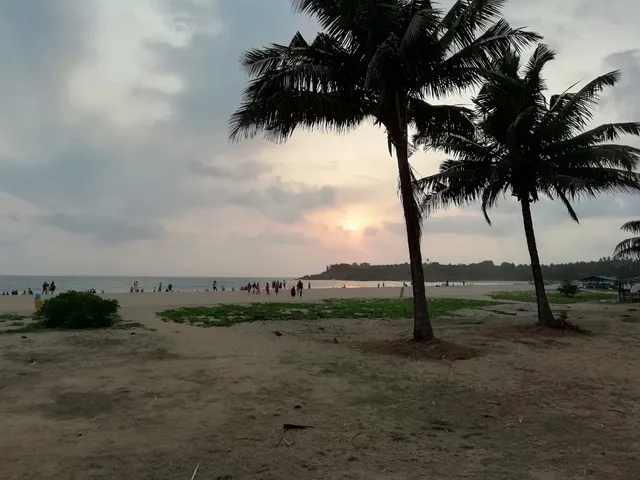
Adjacent to the fort is Bekal Beach, a pristine stretch of golden sand bordered by swaying palm trees and the calm waters of the Arabian Sea. The beach is peaceful and relatively less crowded, making it ideal for a relaxing day by the water. The gentle waves and the cool sea breeze add to the overall tranquility, providing a perfect setting for unwinding and enjoying nature.

The beach is also an excellent spot for leisurely walks, photography, or simply sitting back and soaking in the serene atmosphere. The sight of the Bekal Fort in the distance from the beach adds a historic touch to the scenic beauty, making it a unique blend of nature and heritage. The beach is well-maintained and offers basic amenities, including clean restrooms and seating areas.

Visitor Experience

The combination of the historical fort and the serene beach makes Bekal a great destination for a day trip. The fort provides ample space for exploration, with its well-preserved structures and scenic views. It’s a great place for history buffs to walk through the past while enjoying the surrounding natural beauty. The beach, on the other hand, is perfect for unwinding, swimming, or taking a peaceful stroll along the shore.

What sets Bekal apart from other beach destinations is its peaceful and unhurried atmosphere. It’s not as commercialized as some of the more popular beaches in India, which means it retains a sense of authenticity and calm. The presence of the fort also gives it a unique character, making it stand out as both a historical and natural attraction.

Best Time to Visit

The best time to visit Bekal Beach and Fort is between October and March when the weather is pleasant and cool. During the monsoon season (June to September), the region experiences heavy rainfall, which can make outdoor activities less enjoyable. Visiting during the cooler months ensures a more comfortable and enjoyable experience.

Final Thoughts

Bekal Beach and Fort offer a perfect combination of history, nature, and tranquility. Whether you’re exploring the historic fortifications or relaxing by the beach, the experience is one of serenity and beauty. It’s an excellent destination for anyone looking to escape the crowds and enjoy a peaceful retreat in one of Kerala’s most scenic spots.

A hidden gem with historical significance and natural beauty, perfect for a laid-back,...

   Read more
Page 1 of 7
Previous
Next

Posts

suraj sundarrajansuraj sundarrajan
the massive Bekal Fort. It is among the largest forts in Kerala and has been impeccably maintained. Built using laterite slabs and with a polygonal shape. Spread over 40 acres of land standing the tough trials of the waves is the largest fort in the state of Kerala – the Bekal Fort. The ever enchanting charm of the pristine and sandy beaches, its crashing waves and winds all tell the tale of a renowned history guarded inside the mighty walls of this 300 year old fort. Bekal Fort is spread over 40 acres (160,000 m2). Some important features of this fort are the water-tank with its flight of steps, the tunnel opening towards the south, the magazine for keeping ammunition and the broad and wide steps leading to the Observation Tower which is a rarity. From there one has ample view of towns in the vicinity like Kanhangad, Pallikare, Bekal, Kottikkulam, Uduma etc. This observation center had strategic significance in discovering even the smallest movements of the enemy and ascertaining safety of the Fort. The Fort appears to have been built up from the sea since almost three fourth of its exteriors is drenched and the waves continually stroke the citadel. The Mukhyaprana Temple of Hanuman and the ancient Muslim Mosque nearby bear testimony to the age-old religious harmony that prevailed in the area. The zigzag entrance and the moats around the fort show the defense strategy inherent in the fort. Unlike most other Indian Forts, Bekal fort was not a center of administration for no remains of any palace, mansion or such buildings are found within the fort. Arguably the fort was built exclusively for fulfilling defence requirements. The holes on the outer walls of the fort are specially designed to defend the fort effectively. The holes at top were meant for aiming at the farthest points; the holes below for striking when the enemy was nearer and the holes underneath facilitated attacking when the enemy was very near to the fort. This is a remarkable evidence of technology in defense strategy. Near the bekal fort is an old mosque said to have been built by the valiant Tipu Sultan of Mysore. Built by the rulers of the ancient Kadampa dynasty, the fort changed hands over the years to the Kolathiri Rajas, the Vijayanagar Empire, Tipu Sultan and finally, the British East India Company. It is believed that the Bekal fort might have existed even from early days of the Chirakkal Rajas for the fact that it was common in those days to build a fort for the purpose of defense. Many of the old royal palaces have forts to protect them from the enemies. Decribing the Kolathiri Kingdom in his Kerala History, K.P. Padmanabha Menon writes that the residence allotted to the Thekkelamkur: "The eldest of the male members reigned as sovereign Kolathiri. The next in succession, the heir apparent, was the Thekkelamkur. The residence assigned to him was the Vadakara fort. The third in succession was the Vadakkelamkur in charge of Vekkolath fort. This V (B) ekkolath fort is identified by some scholars as the present Bekal. In his Handbook of South Canara written in 1985, H.A. Stuart remarks that "Several forts were built by the Shivappa Nayak of Bednoor between 1650 and 1670. The two forts of Bekal and Chandragiri were originally under the Kolathiri or Chirakkal Rajas until the time of Shivappa Nayaka's invasion. Perhaps, the Bednore rulers might have rebuilt and improved it." The 'Koteyar'/'Ramakshatriya' community found in Bekal, Panayal and other places in Kasargod were said to have been brought to this land by the Nayaks to strengthen and defend the fort. There was a prolonged struggle between the Kolathiries and Nayaks to recapture and maintain their hold over this area. Following the rise of the Hyder Ali and his conquest of Bekal these prolonged battles came to an end. Thus Bekal fell into the hands of the Mysore kings.
Mohandas Vayalamkuzhy UpendranMohandas Vayalamkuzhy Upendran
A Must-Visit Historical Gem! Visiting Bekal Fort was an incredible experience! The fort's majestic structure, perched by the Arabian Sea, offers breathtaking views that are simply unmatched. The lush greenery and well-maintained pathways make it a perfect place for a peaceful walk while soaking in the history. The fort's architecture is impressive, and the views from the observation towers are stunning. Whether you're a history buff, a nature lover, or just looking for a serene spot to relax, Bekal Fort has something for everyone. Highly recommended for anyone visiting Kerala! Bekal Fort, located in the Kasaragod district of Kerala, is one of the largest and best-preserved forts in the region. Its history dates back to the 17th century, and it has been a significant site of historical and cultural importance over the years. Historical Background: 1. Construction and Origins: - Bekal Fort was built in 1650 AD by Shivappa Nayaka, a ruler of the Keladi Nayaka dynasty. The Nayakas were a prominent dynasty in South India, and they built the fort as a military outpost to defend their territory and assert control over the Malabar coast. - Some historians also believe that the fort's origins might trace back to the Chirakkal Rajas, who ruled the northern part of Kerala, although Shivappa Nayaka is credited with its current form. 2. Strategic Importance: - The fort's location on the Arabian Sea was of immense strategic importance, offering a vantage point to monitor the coastline and protect the region from invasions. - Bekal Fort was not just a defensive structure but also played a crucial role in trade, as the Malabar coast was an active trade route, especially for spices. 3. Mysore Sultans: - In the latter part of the 18th century, the fort came under the control of Tipu Sultan, the ruler of Mysore, during his campaign to extend his dominion over the Malabar region. - Bekal Fort served as a key military station for Tipu Sultan, particularly during his conflicts with the British East India Company. 4. British Rule: - After the fall of Tipu Sultan in 1799, following the Fourth Anglo-Mysore War, the British East India Company took control of the fort. - Under British rule, Bekal Fort lost its military significance and was used mainly for administrative purposes. Architectural Features: - Design: The fort is spread over 40 acres, with its massive walls rising up to 12 meters high. The design is a blend of traditional Kerala and military architecture. - Observation Tower: One of the key features of Bekal Fort is the observation tower, which provides a panoramic view of the Arabian Sea. The tower was likely used for surveillance and communication. - Underground Passages: The fort also has secret underground passages, which were likely used for escape and quick movements during wartime. - Water Tanks: Several large water tanks with steps leading to them are present within the fort, highlighting the self-sufficiency of the structure during sieges. Cultural Significance: - Bekal Fort has been featured in several Indian films and continues to be a major tourist attraction in Kerala. The fort is surrounded by a beautiful beach and offers stunning views of the Arabian Sea, making it a favorite spot for photographers and history enthusiasts alike. Preservation: - Today, Bekal Fort is maintained by the Archaeological Survey of India (ASI) and is a protected monument. The fort has been well-preserved, with efforts to maintain its historical integrity while making it accessible to visitors. Bekal Fort is not just a symbol of Kerala's rich history but also a testament to the region's strategic importance over centuries. Its grandeur and historical significance continue to draw visitors from around the world.
Shiva kumarShiva kumar
Nestled in the coastal town of Bekal in Kerala, India, Bekal Beach and Fort offer a picturesque blend of natural beauty and historical significance. This tranquil destination is an excellent spot for both history enthusiasts and nature lovers, providing a serene escape away from the hustle and bustle of city life. ### Bekal Fort: A Glimpse Into History The Bekal Fort, dating back to the 17th century, is a massive and impressive structure perched atop a hill overlooking the Arabian Sea. The fort is one of the largest and best-preserved forts in Kerala and holds a deep historical significance. The fort’s most striking feature is its massive, circular structure with a large observation tower that offers panoramic views of the coastline and the surrounding lush greenery. Walking through the fort’s stone walls, you can feel the echoes of history as you explore its bastions, watchtowers, and water tanks. The views from the fort are absolutely breathtaking, especially at sunset when the sky is painted in hues of orange and pink, reflecting off the sea. The fort’s design, which blends military strategy with beauty, adds to its allure, and it’s easy to see why it’s been a focal point for local history and heritage. ### Bekal Beach: A Serene Coastal Retreat Adjacent to the fort is Bekal Beach, a pristine stretch of golden sand bordered by swaying palm trees and the calm waters of the Arabian Sea. The beach is peaceful and relatively less crowded, making it ideal for a relaxing day by the water. The gentle waves and the cool sea breeze add to the overall tranquility, providing a perfect setting for unwinding and enjoying nature. The beach is also an excellent spot for leisurely walks, photography, or simply sitting back and soaking in the serene atmosphere. The sight of the Bekal Fort in the distance from the beach adds a historic touch to the scenic beauty, making it a unique blend of nature and heritage. The beach is well-maintained and offers basic amenities, including clean restrooms and seating areas. ### Visitor Experience The combination of the historical fort and the serene beach makes Bekal a great destination for a day trip. The fort provides ample space for exploration, with its well-preserved structures and scenic views. It’s a great place for history buffs to walk through the past while enjoying the surrounding natural beauty. The beach, on the other hand, is perfect for unwinding, swimming, or taking a peaceful stroll along the shore. What sets Bekal apart from other beach destinations is its peaceful and unhurried atmosphere. It’s not as commercialized as some of the more popular beaches in India, which means it retains a sense of authenticity and calm. The presence of the fort also gives it a unique character, making it stand out as both a historical and natural attraction. ### Best Time to Visit The best time to visit Bekal Beach and Fort is between October and March when the weather is pleasant and cool. During the monsoon season (June to September), the region experiences heavy rainfall, which can make outdoor activities less enjoyable. Visiting during the cooler months ensures a more comfortable and enjoyable experience. ### Final Thoughts Bekal Beach and Fort offer a perfect combination of history, nature, and tranquility. Whether you’re exploring the historic fortifications or relaxing by the beach, the experience is one of serenity and beauty. It’s an excellent destination for anyone looking to escape the crowds and enjoy a peaceful retreat in one of Kerala’s most scenic spots. A hidden gem with historical significance and natural beauty, perfect for a laid-back, enriching getaway!
See more posts
See more posts
hotel
Find your stay

Pet-friendly Hotels in Kerala

Find a cozy hotel nearby and make it a full experience.

the massive Bekal Fort. It is among the largest forts in Kerala and has been impeccably maintained. Built using laterite slabs and with a polygonal shape. Spread over 40 acres of land standing the tough trials of the waves is the largest fort in the state of Kerala – the Bekal Fort. The ever enchanting charm of the pristine and sandy beaches, its crashing waves and winds all tell the tale of a renowned history guarded inside the mighty walls of this 300 year old fort. Bekal Fort is spread over 40 acres (160,000 m2). Some important features of this fort are the water-tank with its flight of steps, the tunnel opening towards the south, the magazine for keeping ammunition and the broad and wide steps leading to the Observation Tower which is a rarity. From there one has ample view of towns in the vicinity like Kanhangad, Pallikare, Bekal, Kottikkulam, Uduma etc. This observation center had strategic significance in discovering even the smallest movements of the enemy and ascertaining safety of the Fort. The Fort appears to have been built up from the sea since almost three fourth of its exteriors is drenched and the waves continually stroke the citadel. The Mukhyaprana Temple of Hanuman and the ancient Muslim Mosque nearby bear testimony to the age-old religious harmony that prevailed in the area. The zigzag entrance and the moats around the fort show the defense strategy inherent in the fort. Unlike most other Indian Forts, Bekal fort was not a center of administration for no remains of any palace, mansion or such buildings are found within the fort. Arguably the fort was built exclusively for fulfilling defence requirements. The holes on the outer walls of the fort are specially designed to defend the fort effectively. The holes at top were meant for aiming at the farthest points; the holes below for striking when the enemy was nearer and the holes underneath facilitated attacking when the enemy was very near to the fort. This is a remarkable evidence of technology in defense strategy. Near the bekal fort is an old mosque said to have been built by the valiant Tipu Sultan of Mysore. Built by the rulers of the ancient Kadampa dynasty, the fort changed hands over the years to the Kolathiri Rajas, the Vijayanagar Empire, Tipu Sultan and finally, the British East India Company. It is believed that the Bekal fort might have existed even from early days of the Chirakkal Rajas for the fact that it was common in those days to build a fort for the purpose of defense. Many of the old royal palaces have forts to protect them from the enemies. Decribing the Kolathiri Kingdom in his Kerala History, K.P. Padmanabha Menon writes that the residence allotted to the Thekkelamkur: "The eldest of the male members reigned as sovereign Kolathiri. The next in succession, the heir apparent, was the Thekkelamkur. The residence assigned to him was the Vadakara fort. The third in succession was the Vadakkelamkur in charge of Vekkolath fort. This V (B) ekkolath fort is identified by some scholars as the present Bekal. In his Handbook of South Canara written in 1985, H.A. Stuart remarks that "Several forts were built by the Shivappa Nayak of Bednoor between 1650 and 1670. The two forts of Bekal and Chandragiri were originally under the Kolathiri or Chirakkal Rajas until the time of Shivappa Nayaka's invasion. Perhaps, the Bednore rulers might have rebuilt and improved it." The 'Koteyar'/'Ramakshatriya' community found in Bekal, Panayal and other places in Kasargod were said to have been brought to this land by the Nayaks to strengthen and defend the fort. There was a prolonged struggle between the Kolathiries and Nayaks to recapture and maintain their hold over this area. Following the rise of the Hyder Ali and his conquest of Bekal these prolonged battles came to an end. Thus Bekal fell into the hands of the Mysore kings.
suraj sundarrajan

suraj sundarrajan

hotel
Find your stay

Affordable Hotels in Kerala

Find a cozy hotel nearby and make it a full experience.

Get the Appoverlay
Get the AppOne tap to find yournext favorite spots!
A Must-Visit Historical Gem! Visiting Bekal Fort was an incredible experience! The fort's majestic structure, perched by the Arabian Sea, offers breathtaking views that are simply unmatched. The lush greenery and well-maintained pathways make it a perfect place for a peaceful walk while soaking in the history. The fort's architecture is impressive, and the views from the observation towers are stunning. Whether you're a history buff, a nature lover, or just looking for a serene spot to relax, Bekal Fort has something for everyone. Highly recommended for anyone visiting Kerala! Bekal Fort, located in the Kasaragod district of Kerala, is one of the largest and best-preserved forts in the region. Its history dates back to the 17th century, and it has been a significant site of historical and cultural importance over the years. Historical Background: 1. Construction and Origins: - Bekal Fort was built in 1650 AD by Shivappa Nayaka, a ruler of the Keladi Nayaka dynasty. The Nayakas were a prominent dynasty in South India, and they built the fort as a military outpost to defend their territory and assert control over the Malabar coast. - Some historians also believe that the fort's origins might trace back to the Chirakkal Rajas, who ruled the northern part of Kerala, although Shivappa Nayaka is credited with its current form. 2. Strategic Importance: - The fort's location on the Arabian Sea was of immense strategic importance, offering a vantage point to monitor the coastline and protect the region from invasions. - Bekal Fort was not just a defensive structure but also played a crucial role in trade, as the Malabar coast was an active trade route, especially for spices. 3. Mysore Sultans: - In the latter part of the 18th century, the fort came under the control of Tipu Sultan, the ruler of Mysore, during his campaign to extend his dominion over the Malabar region. - Bekal Fort served as a key military station for Tipu Sultan, particularly during his conflicts with the British East India Company. 4. British Rule: - After the fall of Tipu Sultan in 1799, following the Fourth Anglo-Mysore War, the British East India Company took control of the fort. - Under British rule, Bekal Fort lost its military significance and was used mainly for administrative purposes. Architectural Features: - Design: The fort is spread over 40 acres, with its massive walls rising up to 12 meters high. The design is a blend of traditional Kerala and military architecture. - Observation Tower: One of the key features of Bekal Fort is the observation tower, which provides a panoramic view of the Arabian Sea. The tower was likely used for surveillance and communication. - Underground Passages: The fort also has secret underground passages, which were likely used for escape and quick movements during wartime. - Water Tanks: Several large water tanks with steps leading to them are present within the fort, highlighting the self-sufficiency of the structure during sieges. Cultural Significance: - Bekal Fort has been featured in several Indian films and continues to be a major tourist attraction in Kerala. The fort is surrounded by a beautiful beach and offers stunning views of the Arabian Sea, making it a favorite spot for photographers and history enthusiasts alike. Preservation: - Today, Bekal Fort is maintained by the Archaeological Survey of India (ASI) and is a protected monument. The fort has been well-preserved, with efforts to maintain its historical integrity while making it accessible to visitors. Bekal Fort is not just a symbol of Kerala's rich history but also a testament to the region's strategic importance over centuries. Its grandeur and historical significance continue to draw visitors from around the world.
Mohandas Vayalamkuzhy Upendran

Mohandas Vayalamkuzhy Upendran

hotel
Find your stay

The Coolest Hotels You Haven't Heard Of (Yet)

Find a cozy hotel nearby and make it a full experience.

hotel
Find your stay

Trending Stays Worth the Hype in Kerala

Find a cozy hotel nearby and make it a full experience.

Nestled in the coastal town of Bekal in Kerala, India, Bekal Beach and Fort offer a picturesque blend of natural beauty and historical significance. This tranquil destination is an excellent spot for both history enthusiasts and nature lovers, providing a serene escape away from the hustle and bustle of city life. ### Bekal Fort: A Glimpse Into History The Bekal Fort, dating back to the 17th century, is a massive and impressive structure perched atop a hill overlooking the Arabian Sea. The fort is one of the largest and best-preserved forts in Kerala and holds a deep historical significance. The fort’s most striking feature is its massive, circular structure with a large observation tower that offers panoramic views of the coastline and the surrounding lush greenery. Walking through the fort’s stone walls, you can feel the echoes of history as you explore its bastions, watchtowers, and water tanks. The views from the fort are absolutely breathtaking, especially at sunset when the sky is painted in hues of orange and pink, reflecting off the sea. The fort’s design, which blends military strategy with beauty, adds to its allure, and it’s easy to see why it’s been a focal point for local history and heritage. ### Bekal Beach: A Serene Coastal Retreat Adjacent to the fort is Bekal Beach, a pristine stretch of golden sand bordered by swaying palm trees and the calm waters of the Arabian Sea. The beach is peaceful and relatively less crowded, making it ideal for a relaxing day by the water. The gentle waves and the cool sea breeze add to the overall tranquility, providing a perfect setting for unwinding and enjoying nature. The beach is also an excellent spot for leisurely walks, photography, or simply sitting back and soaking in the serene atmosphere. The sight of the Bekal Fort in the distance from the beach adds a historic touch to the scenic beauty, making it a unique blend of nature and heritage. The beach is well-maintained and offers basic amenities, including clean restrooms and seating areas. ### Visitor Experience The combination of the historical fort and the serene beach makes Bekal a great destination for a day trip. The fort provides ample space for exploration, with its well-preserved structures and scenic views. It’s a great place for history buffs to walk through the past while enjoying the surrounding natural beauty. The beach, on the other hand, is perfect for unwinding, swimming, or taking a peaceful stroll along the shore. What sets Bekal apart from other beach destinations is its peaceful and unhurried atmosphere. It’s not as commercialized as some of the more popular beaches in India, which means it retains a sense of authenticity and calm. The presence of the fort also gives it a unique character, making it stand out as both a historical and natural attraction. ### Best Time to Visit The best time to visit Bekal Beach and Fort is between October and March when the weather is pleasant and cool. During the monsoon season (June to September), the region experiences heavy rainfall, which can make outdoor activities less enjoyable. Visiting during the cooler months ensures a more comfortable and enjoyable experience. ### Final Thoughts Bekal Beach and Fort offer a perfect combination of history, nature, and tranquility. Whether you’re exploring the historic fortifications or relaxing by the beach, the experience is one of serenity and beauty. It’s an excellent destination for anyone looking to escape the crowds and enjoy a peaceful retreat in one of Kerala’s most scenic spots. A hidden gem with historical significance and natural beauty, perfect for a laid-back, enriching getaway!
Shiva kumar

Shiva kumar

See more posts
See more posts